Majorelle Gardens
Majorelle Gardens
Created in 1923 by Jacques Majorelle and later restored by Yves Saint Laurent, Majorelle Garden brings together 300 plant species, Art Deco architecture and a Berber Museum in Marrakech.
Majorelle Garden is an artistic and botanical space of roughly one hectare located in Marrakech, outside the Medina walls, in the Guéliz district. Created in 1923 by French painter Jacques Majorelle and rescued from abandonment by Yves Saint Laurent and Pierre Bergé in the 1980s, it combines a botanical collection of nearly 300 species, Art Deco architecture in intense hues, and a museum dedicated to Berber culture.
Why visit Majorelle Garden
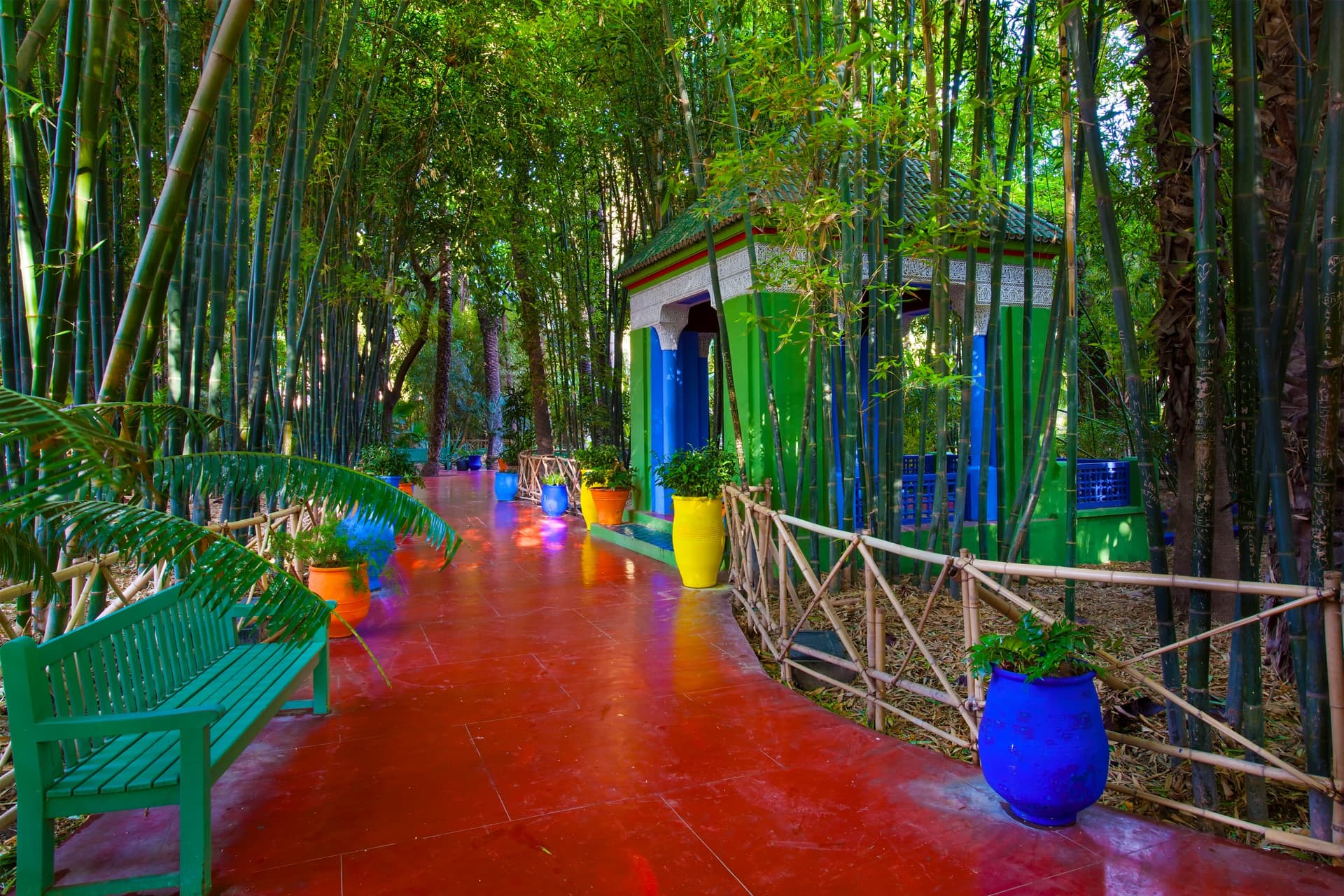
The site brings together three rarely combined interests: a botanical garden with plants from around the world, an Art Deco architectural ensemble mixed with Moorish influences, and a reference ethnographic museum on the Berbers. Majorelle blue—a saturated cobalt inspired by tiles observed by Jacques Majorelle around Marrakech—gives the place its visual signature. In 2022, the site was ranked the world's second most beautiful garden by HouseFresh.
Garden history
Jacques Majorelle, an Orientalist painter settled in Marrakech, purchased the land in the early 1920s and designed a roughly one-hectare garden from 1923 onwards, inspired by Saharan oases and Islamic gardens. He built an artist's villa in Art Deco style, which he painted in that distinctive cobalt blue, the now-iconic "Majorelle blue."
After the artist's death, the garden gradually fell into disrepair. In the 1980s, Yves Saint Laurent and Pierre Bergé, who had frequented the place since their first visit to Marrakech, purchased the property and undertook extensive restoration work. Upon the couturier's death in 2008, his ashes were scattered in the rose garden. A memorial dedicated to him stands within the garden grounds: it houses an ancient Roman pillar that Saint Laurent and Bergé had discovered on a beach in Tangier.
What to see on-site
The botanical garden
The garden contains roughly 300 plant species from all five continents: cacti, yuccas, Mexican agaves, Chinese windmill palms, North African date palms, coconut trees, banana plants, jasmines, and water lilies and lotus flowers in the pools. Discreet signage allows you to identify the main species along pathways bordered by pergolas and colorful ceramics.
The blue studio and Berber Museum
Jacques Majorelle's former studio, recognizable by its electric blue façade, has housed the Berber Museum since 2011. Its collection brings together roughly 600 objects in wood, metal and textile: weapons, carpets, ceramics, musical instruments. An entire room is devoted to regional traditional costumes, while another—the "mirror room"—displays chiseled, filigreed and enameled jewelry worn by women from the Atlas, Souss and Sahara regions.
Villa Oasis and its memorial
The gardens of Villa Oasis, former private residence of Yves Saint Laurent, have been open to the public since December 2018. Access is via an avenue lined with bougainvillea, which leads to a collection of pools populated with koi carp, frogs and water lilies. Giant succulents, palms and bamboo structure the space around a pavilion with white columns. The Yves Saint Laurent memorial, located opposite the entrance, frames the Roman pillar brought back from Tangier.
Surprisingly rich bird life
Despite its urban setting, the garden hosts abundant bird life. You can regularly observe the common bulbul, blackbird, house sparrow, European robin, great tit, grey wagtail, several warbler species, black redstart, striped bunting, spotted flycatcher, and occasionally a Eurasian kestrel.
Practical information
Allow 1.5 to 2.5 hours to visit everything (garden + Berber Museum). Tickets are purchased at the entrance or online, with separate rates for the garden alone, the Berber Museum and Villa Oasis. It's best to book in advance during high season, as access control is strict to manage visitor numbers.
Inside, Café Majorelle, located in the former servants' quarters, offers teas, pastries and light dishes in a verdant setting. A bookstore with photographs and souvenirs adjoins the exit. Just outside, MyKawa serves salads, sandwiches and Moroccan breakfasts.
When to visit
The garden is open year-round, generally during continuous daytime hours, with schedules varying by season (check the official website before your visit). March to May and September to October offer the most pleasant conditions, neither too hot nor too cool. To avoid crowds, visit on weekdays; late morning and mid-afternoon typically see the highest visitor concentration.
How to get there
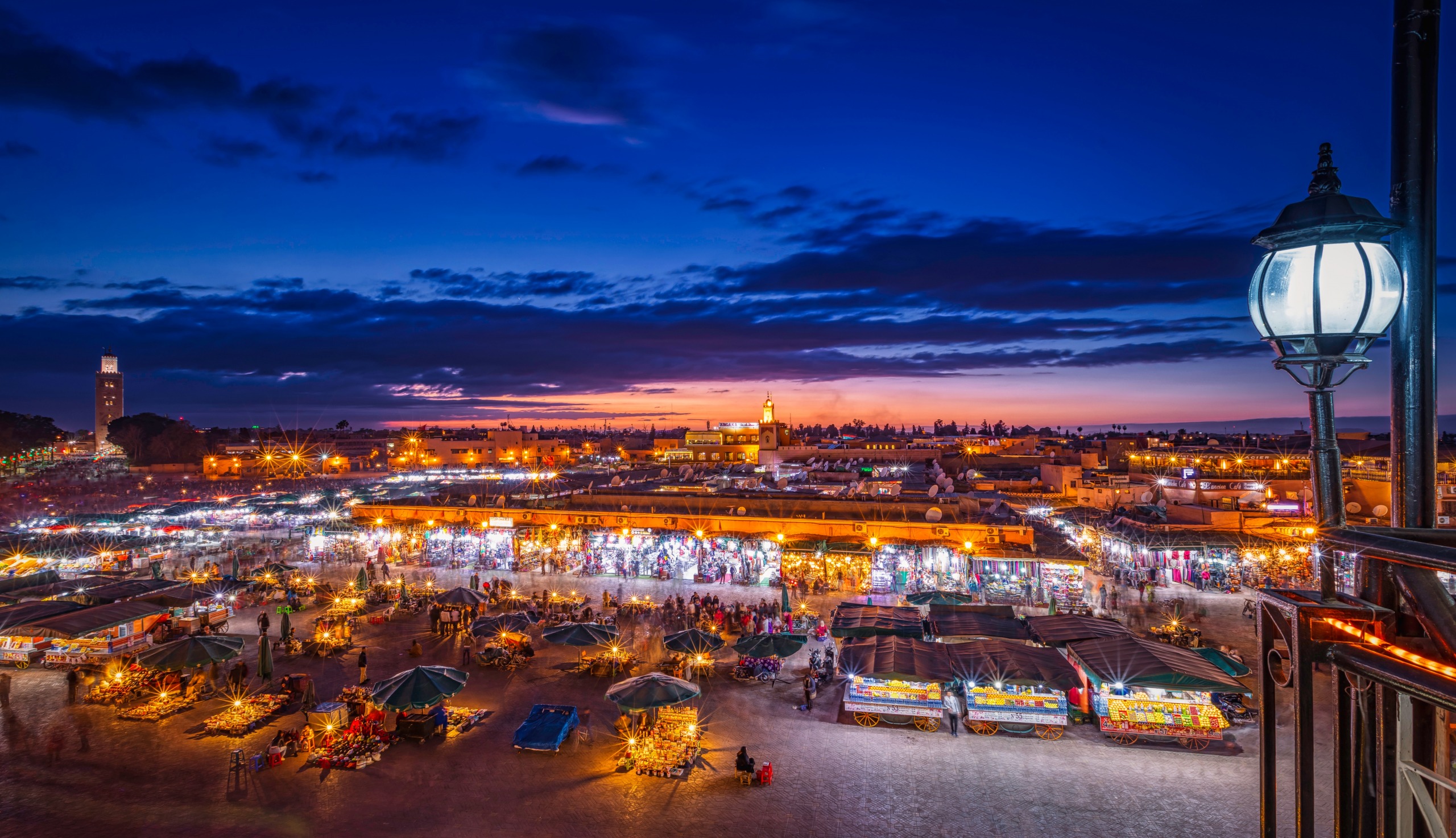
Majorelle Garden is located on Yves Saint Laurent Street, in the Guéliz district, roughly 30 minutes' walk from Jemaa el-Fna square. Several options:
- On foot from the Medina: direct, well-marked route, pleasant outside hot hours.
- By taxi from Jemaa el-Fna: short ride, ask for the meter to be activated or negotiate the price before boarding.
- By bus: line 15 departs from the stop facing the Koutoubia Mosque; get off at Boukar Majorelle stop, a few minutes' walk from the entrance.
Nearby attractions
Once your visit is complete, several major Marrakech sites complement a day of discovery:
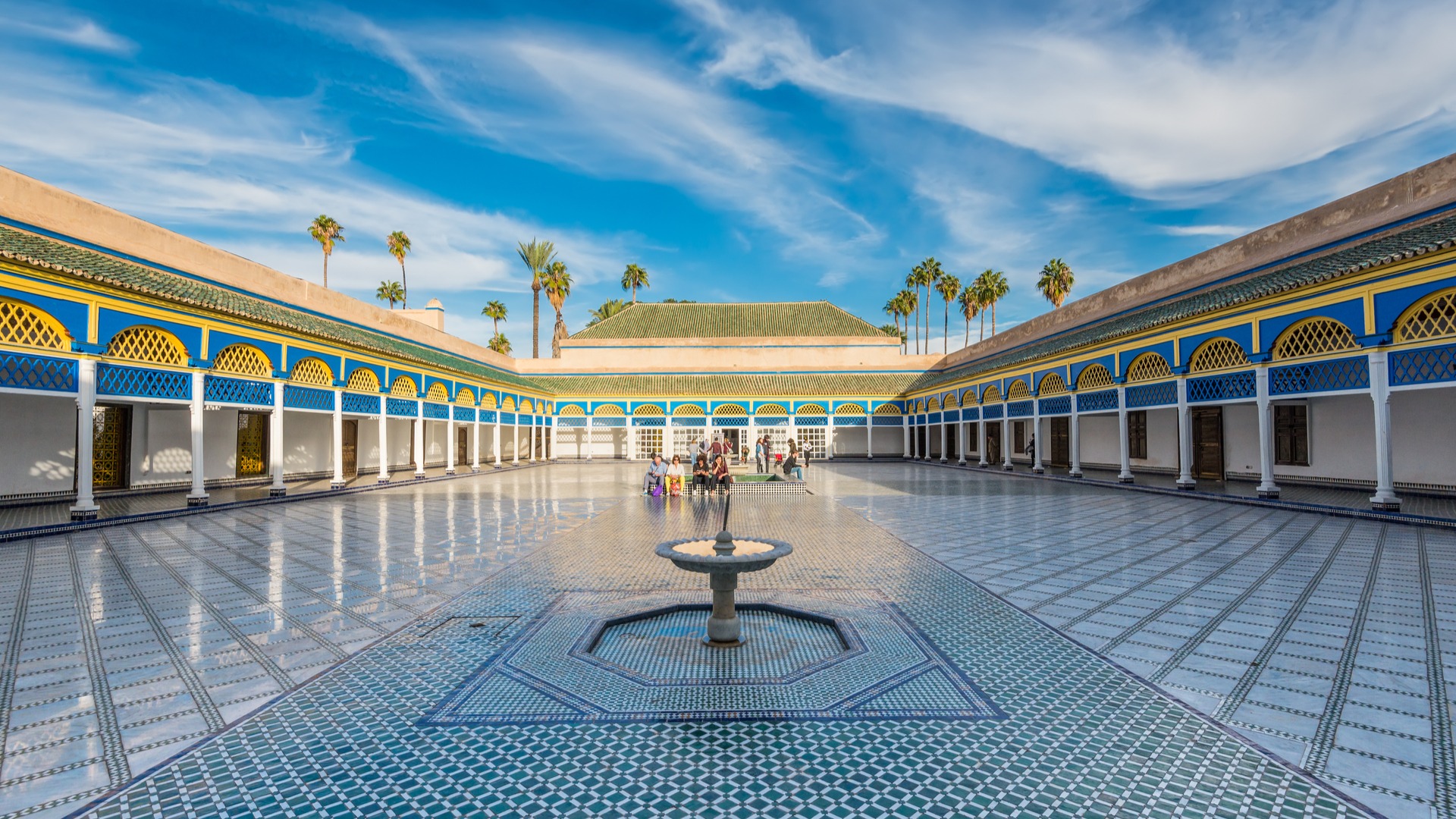
- Bahia Palace: 19th-century palace with sculpted courtyards, in the Medina.
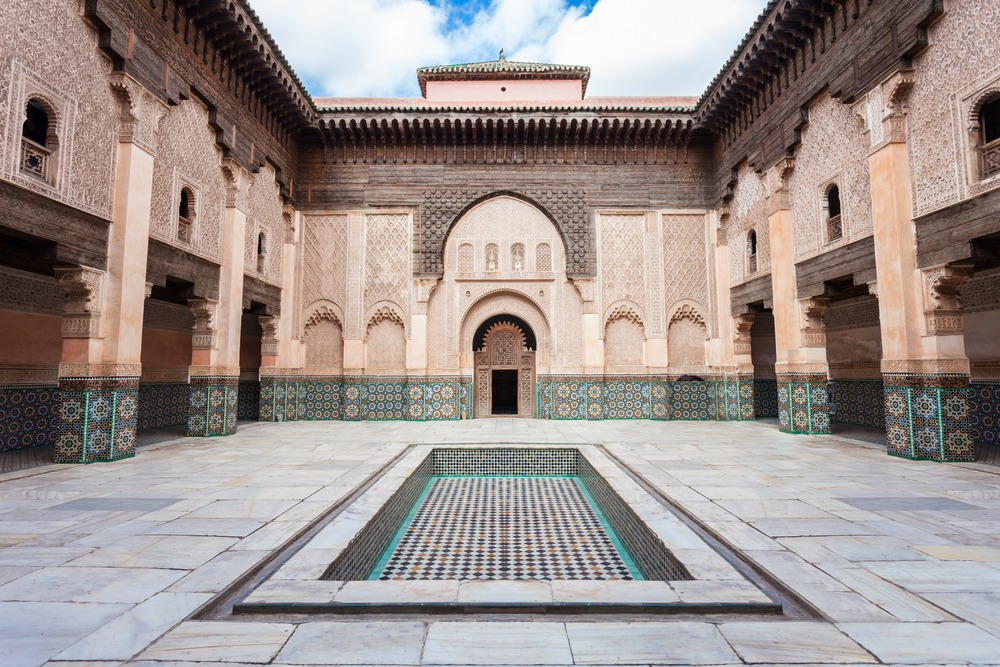
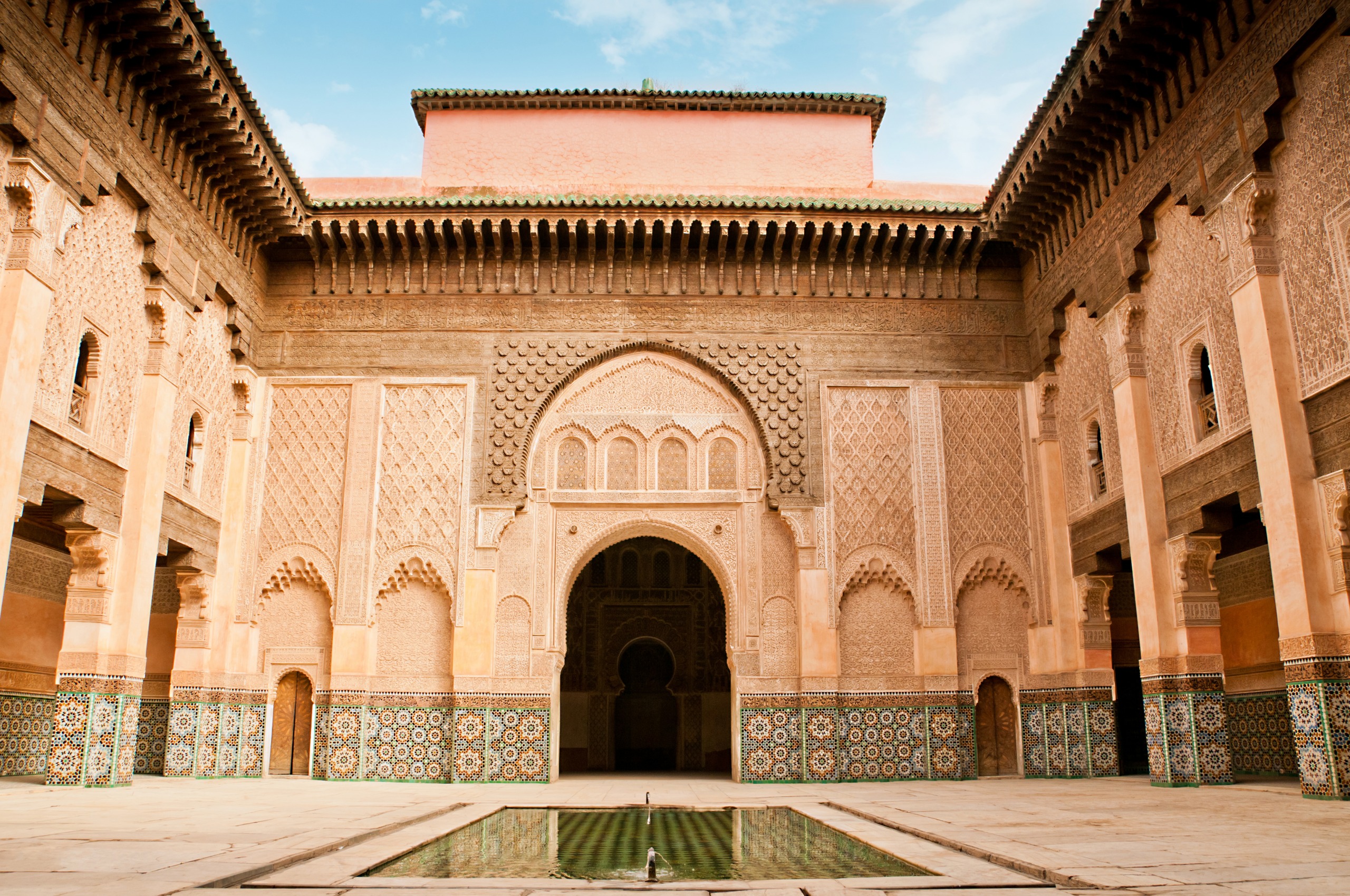
- Ben Youssef Medersa: former Quranic school with stucco and tilework decoration.
- Bou Inania Medersa: another masterpiece of Marinid architecture.
Frequently asked questions
Frequently asked questions
Allow approximately 1.5 hours for the garden alone and 2.5 hours if you include the Berber Museum and Villa Oasis.
It's strongly recommended during high season (spring and fall). Online ticketing helps you avoid queues at the entrance.
No, access to the Berber Museum and Villa Oasis requires separate tickets. Combined packages are available at the ticket office.
The garden's main pathways are accessible, but some passages have steps or uneven surfaces. The Berber Museum, housed in the former studio, presents some access constraints.
Photography is permitted in the gardens. It is, however, prohibited inside the Berber Museum to preserve the displayed pieces.
Extend your visit to Maroc
Majorelle Garden fits into a broader discovery of Marrakech and southern Maroc. To plan a complete itinerary between imperial medinas, Atlas Mountains and southern oases, consult our Maroc journeys.
Nearby
Interested in this visit?
We can include it in your personalised itinerary.