Jemaa el-Fna
Jemaa el-Fna
At the heart of Marrakech's medina, Jemaa el-Fna square brings together storytellers, musicians, and night-time food stalls. UNESCO-listed since 2001, it remains vibrant from dawn to dusk.
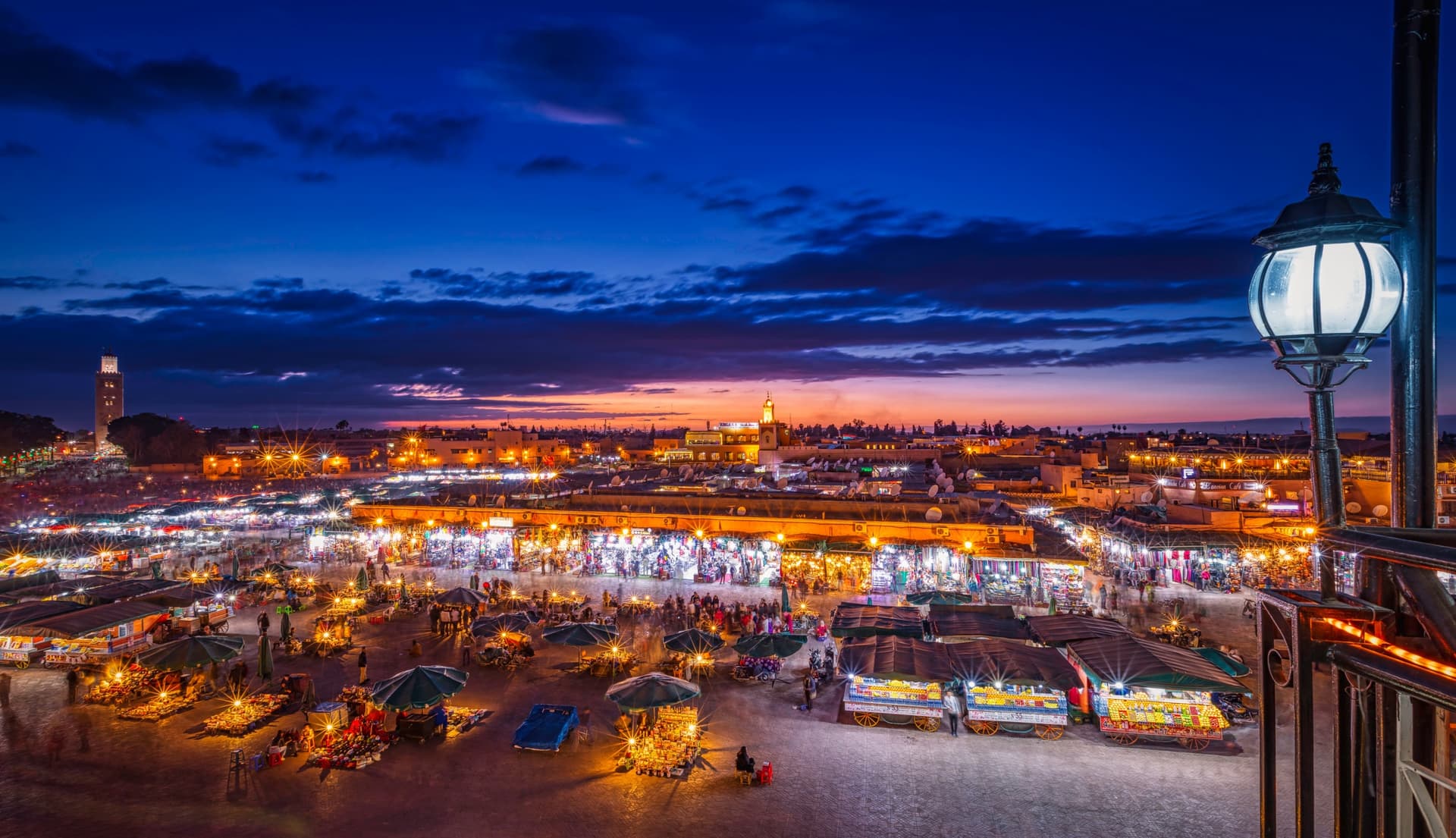
At the heart of the medina in Marrakech, Jemaa el-Fna square concentrates within a few hectares the essence of the city's social and cultural life. Snake charmers, storytellers, musicians, herbalists, and orange juice vendors mingle here from morning deep into the night. UNESCO inscribed it in 2001 as part of humanity's intangible cultural heritage, recognizing the oral traditions that continue to animate the square.
Why visit Jemaa el-Fna square
Jemaa el-Fna is not a frozen monument: it is a living space that changes purpose according to the hour. In the morning, orange juice vendors, herbalists, and street merchants command the square. In the afternoon, gnaoua music ensembles, storytellers, and monkey handlers take over. As night falls, dozens of small restaurants set up their stalls and the square transforms into an open-air dining hall.
This rotation of activities explains why it features in virtually every Moroccan itinerary. The square is also the logical starting point for exploring the souks and the medina's main monuments, making it a useful orientation hub for planning a city visit.
History and meaning of the name
The name Jemaa el-Fna is subject to several interpretations. The traditional reading translates the expression as "assembly of the dead" or "place of the deceased," referring to how sultans used it: the heads of those executed were displayed publicly there. Other translations evoke a "destroyed mosque," linked to an unfinished mosque project.
Beyond etymology, the square has long served as a gathering place, market, site of public executions, and stage for storytellers from across southern Maroc. It is precisely this function of oral transmission, deemed threatened by modernization, that motivated UNESCO's inscription in 2001 as intangible cultural heritage.
What to see and do on the square
The figures of the square
- Snake charmers: present mainly during the day, accompanied by their ghaïta.
- Gnaoua musicians and Berber groups: they settle in circles as afternoon progresses.
- Storytellers (hlaykia): oral tradition in dialectal Arabic, central element of the UNESCO listing.
- Monkey handlers and trainers: practices controversial regarding animal welfare, worth understanding before stopping.
- Henna tattoo artists: traditional Moroccan and Berber patterns, to be negotiated before application.
- Marabout and tooth puller: more local than tourist figures, witnesses to ancient customs.
Stalls and dining
- Fresh-pressed orange juice: lined up on numbered carts, renowned throughout the region.
- Local farmers: they sell figs, dates, herbs, and almonds according to season.
- Night-time restaurants: set up as evening falls, offering skewers, harira soup, snails, fried fish, and tagines.
Around the square
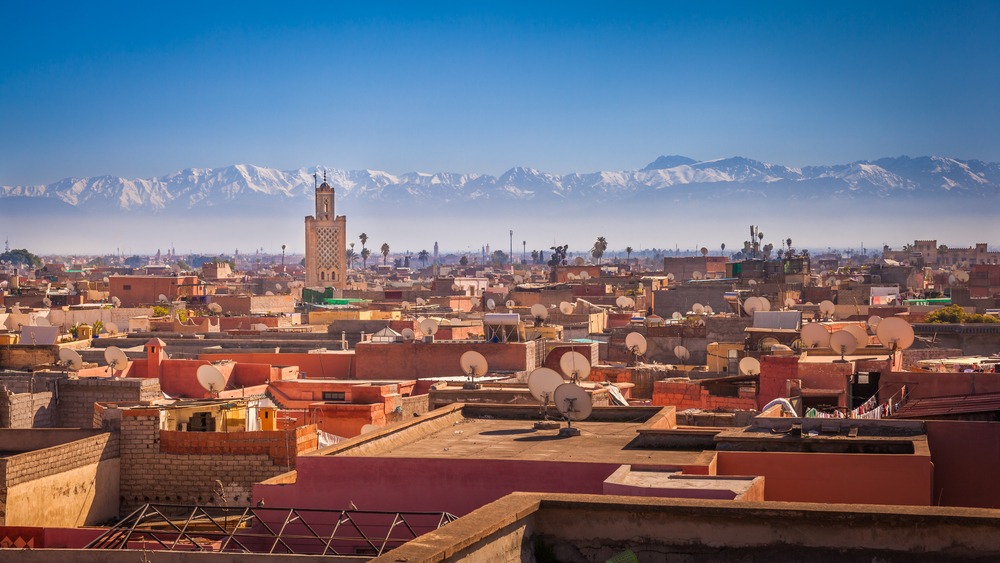
The square is bordered by café terraces offering an elevated viewpoint ideal for observing the activity without being in the thick of the crowd. Horse-drawn carriages line the perimeter and offer city tours.
When to visit Jemaa el-Fna
The square can be visited at any time, but each moment offers a different atmosphere:
- Morning: calmer flow, favorable light for overview photos from terraces, juice stalls and markets.
- Late afternoon: peak time for street performances, storytellers, and musicians.
- Evening: ephemeral restaurants, liveliest atmosphere, cooking vapors and gas lamp lights.
During Ramadan, the rhythm reverses: the square is calm during the day and comes alive strongly after the breaking of the fast, with additional stalls and increased local attendance.
Practical information
- Access: the square is pedestrian and reachable on foot from most medina riads. By taxi, ask for Jemaa el-Fna or the nearby Koutoubia.
- Cost: free entry. Plan for a small gratuity (a few dirhams) for photographing performers, and always ask first.
- Duration: 1 hour for an orientation visit, 2 to 3 hours to enjoy a meal and evening entertainment.
- Precautions: agree on prices before any service (henna, photos, carriage rides, meals), politely decline if the price isn't stated clearly.
- Henna: prefer artists using natural brown-orange henna. Black henna, harsher on skin, is best avoided.
- Night-time restaurants: choose a busy stall, a sign of rapid product rotation.
Nearby
The square serves as a natural starting point for exploring the medina. Within minutes on foot:
- The Koutoubia and its 12th-century minaret, a visual landmark across the entire city.
- The souks extending northward: leather goods, pottery, herbalists, dyers.
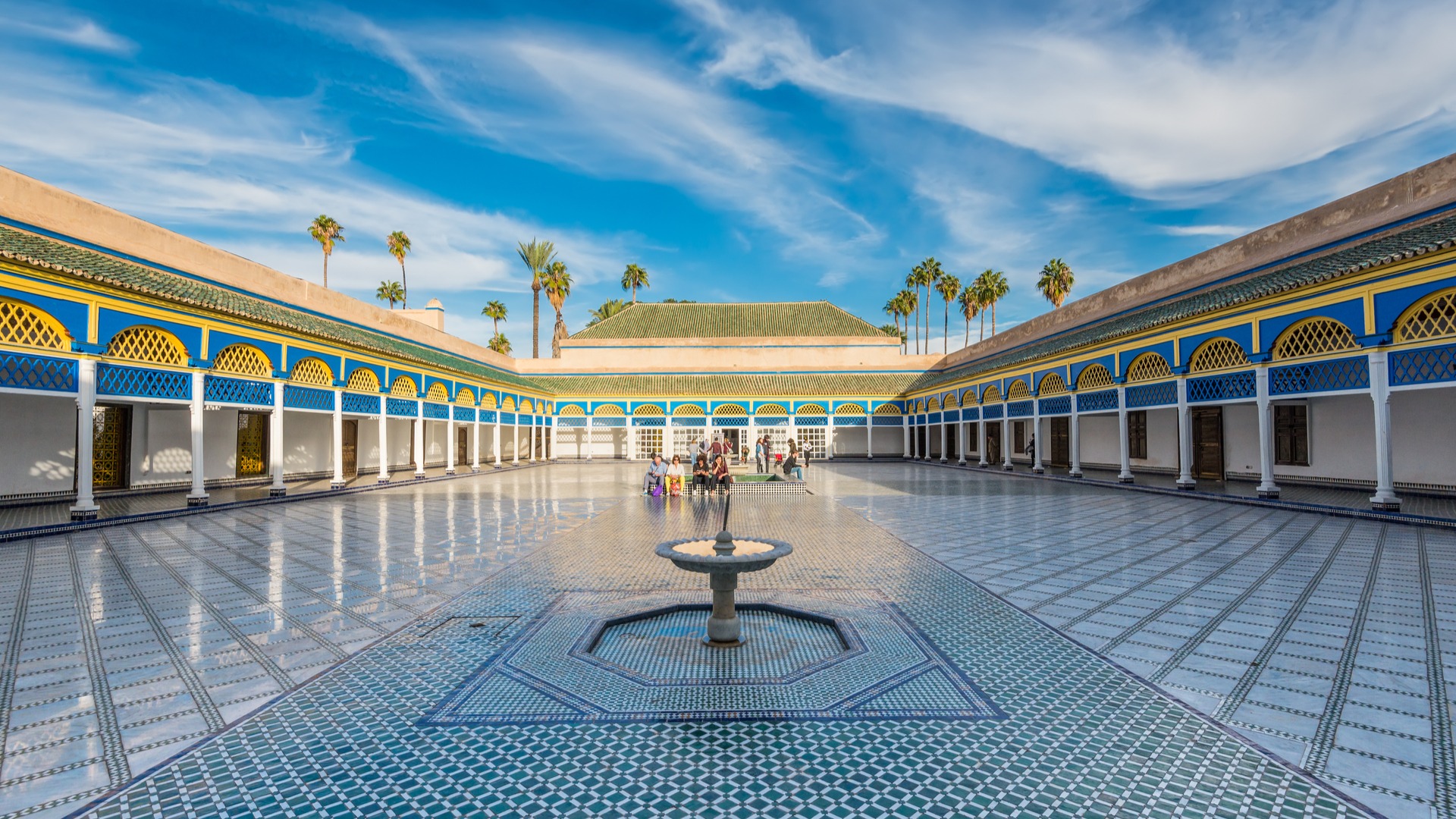
- The Bahia Palace, a major example of 19th-century Moroccan architecture.
To extend your journey beyond Marrakech, the Dadès Gorges and the Todgha Gorges are classic stops en route to the Sahara, while the Taourirt Kasbah in Ouarzazate marks the gateway to the south.
Frequently asked questions
Frequently asked questions
Plan your trip
Jemaa el-Fna is a must-see when visiting Marrakech, but it takes on full meaning when integrated into a broader itinerary blending the medina, Atlas, and southern Maroc. To build a tailor-made stay, explore our Maroc travel experiences.
Nearby
Interested in this visit?
We can include it in your personalised itinerary.