The Palm Grove of Skoura
The Palm Grove of Skoura
A inhabited oasis 40 km from Ouarzazate, the Palm Grove of Skoura lines 17th-century earthen kasbahs, irrigated gardens, and artisan villages along the kasbah route.
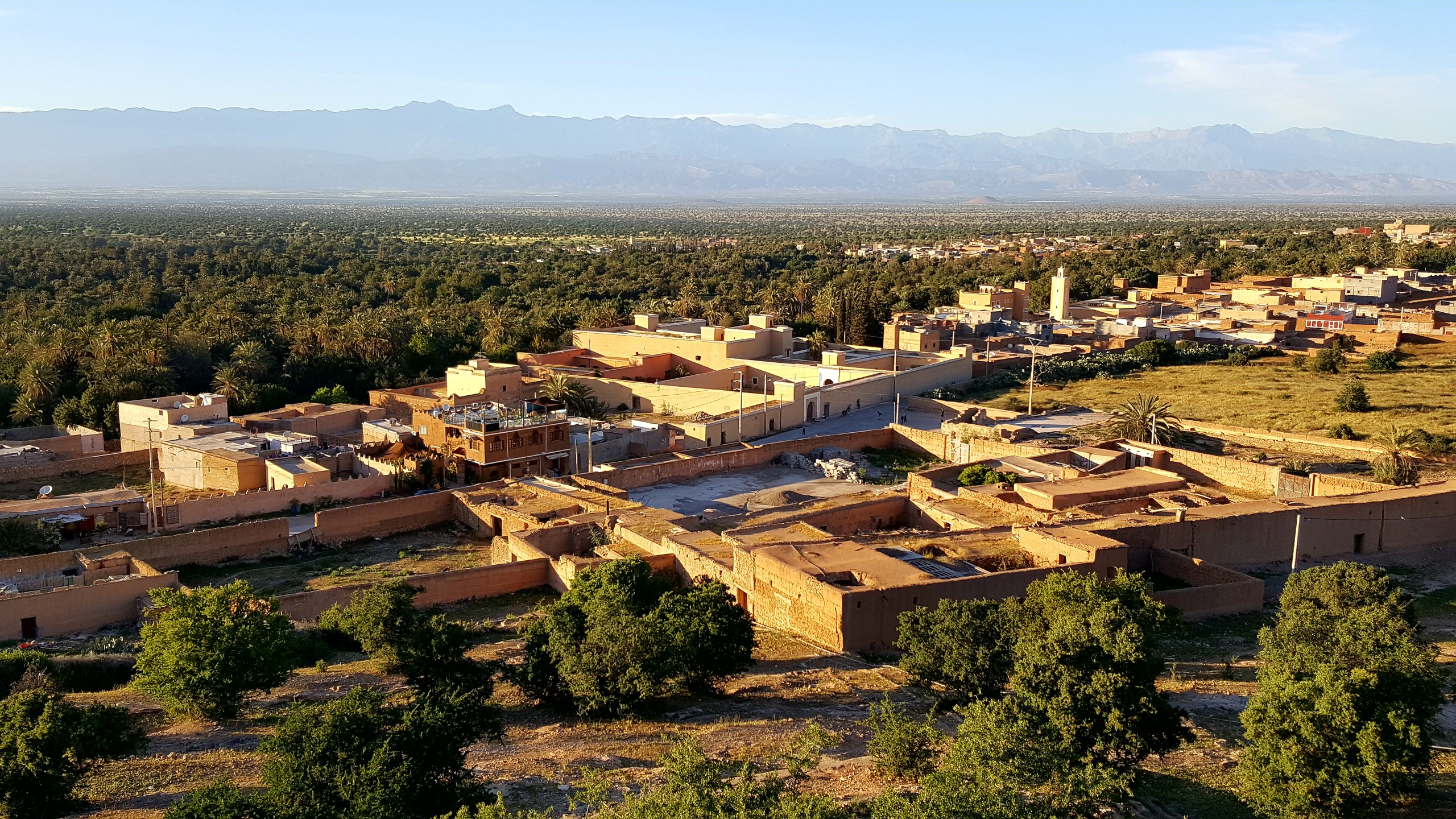
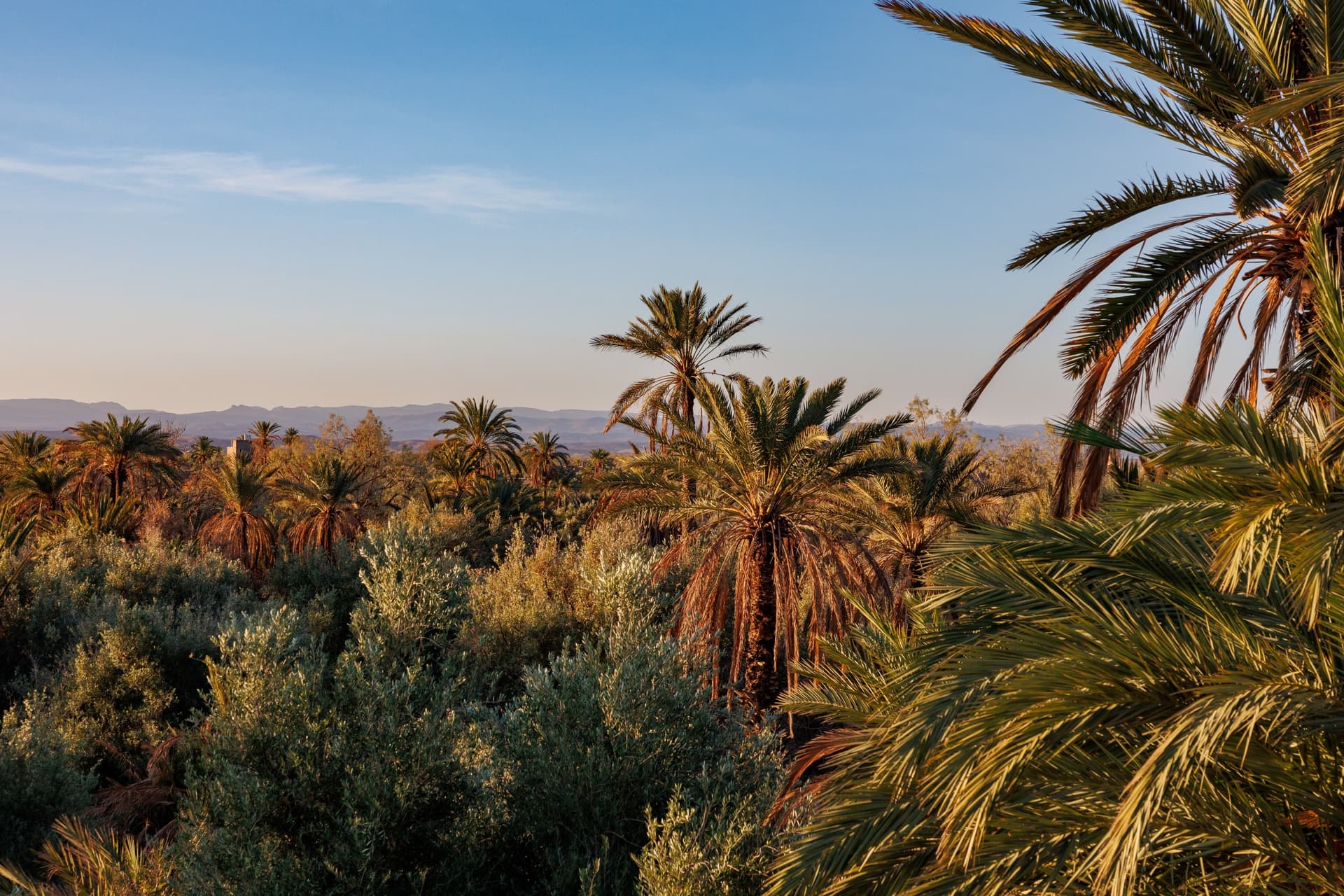
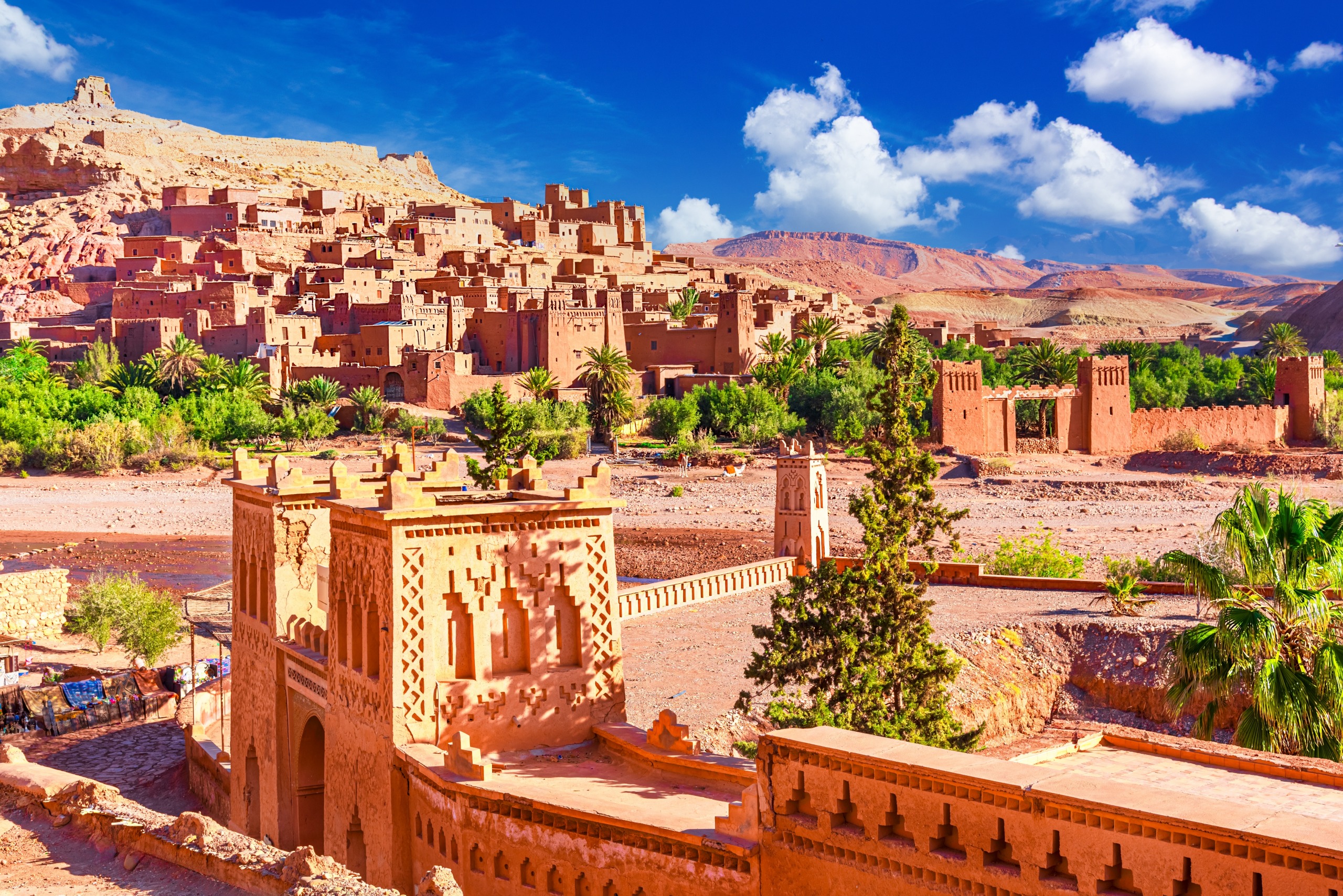
The Palm Grove of Skoura extends approximately 40 km east of Ouarzazate, in the Drâa valley. This inhabited oasis combines subsistence crops, date palms, and earthen kasbahs, several of which date back to the 17th century. It is one of the oldest and best-preserved palm groves in southern Maroc.
Why visit the Palm Grove of Skoura
Skoura is not a closed site but a living territory: a network of dirt paths winds between gardens, alfalfa fields, olive groves, and raw earth kasbahs. Visitors encounter working farmers, herds, and craftspeople. The palm grove offers an immediate counterpoint to the mineral landscapes that dominate the Ouarzazate region, without requiring a lengthy excursion.
The site lends itself to a half-day to full-day visit, on foot, by bicycle, or in a 4×4, and often serves as a stop along the kasbah route between Ouarzazate and the Dadès valley.
History and origins of the oasis
The name Skoura is said to derive from the partridge, called "Askour" in Amazigh. According to oral tradition, the area once harbored a lake teeming with birds. Communities from the Drâa and Tafilalet are believed to have drained this ancient lake to create the oasis, planting date palms, olive trees, and almond trees on the reclaimed land.
Over the centuries, Skoura became a crossroads of Berber, Arab, and Jewish cultures. The ancestral kasbahs dating from the 17th century bear witness to the social organization of the great agricultural and merchant families who controlled water and land. Several of these earthen fortresses still stand, some inhabited, others converted into guesthouses.
What to see and do
Kasbah Amridil
Kasbah Amridil, dating from the 17th century, is the most emblematic kasbah in Skoura. It appeared on the old 50-dirham banknotes. A visit allows you to observe the earthen construction techniques, traditional grain storage systems, the oil mill, and living quarters. Part of it has been developed into a small ethnographic museum.
Other kasbahs and the douar Sidi Flah
Several lesser-known kasbahs dot the palm grove: Dar Aït Sidi El Mati, Aït Ben Moro, and Aït Abou. The Wadi Dadès flows through several villages, including the douar Sidi Flah, where you can follow traditional irrigation channels (séguias) that feed the gardens.
Water and gardens
The oasis thrives to the rhythm of two watercourses with opposing regimes. The Wadi Dadès provides the primary irrigation, while the Wadi Hajjaj feeds the gardens only during floods, depositing silts that fertilize the soil. This dual logic explains the mosaic of plots, some under intensive cultivation, others left fallow.
Crafts and neighboring villages
Local crafts are worth a detour: carpets, ceramics, carved wood, and damascene metalwork are still produced in several family workshops. The village of Azlag, to the southeast, is renowned for the manufacture of daggers and metal objects, a craft passed down through generations.
Film sets
The landscapes of Skoura and Ouarzazate have served as backdrops for several international productions, including Gladiator and Game of Thrones. The studios and the Aït-Ben-Haddou site are a short distance away, making it possible to combine a visit to the palm grove with these filming locations.
Practical information
- Duration of visit: allow 2 to 4 hours for a loop through the palm grove and a kasbah visit, a full day if you combine multiple sites.
- Fees: access to the palm grove is free. Kasbah Amridil and certain private kasbahs charge a modest entrance fee.
- What to bring: closed-toe shoes, water, hat, and sun protection; the paths are sandy and sometimes muddy after floods.
- Local guide: recommended to understand the irrigation system organization and access certain inhabited kasbahs.
When to go
The best periods are spring (March to May) and autumn (September to November), with pleasant temperatures and a verdant palm grove. Summer is dry and very hot, with daytime temperatures reaching close to 40°C; tourist activity is lighter. Winter (December to February) remains feasible, cooler, sometimes punctuated by brief but useful rains for the oasis.
The date harvest, in September-October, is a particularly interesting time to see the oasis in action.
How to get there
Skoura lies on Route N10 connecting Ouarzazate to Boumalne Dadès, making access straightforward from the "gateway to the desert."
- By car: approximately 40 km from Ouarzazate, less than an hour's drive. This is the most flexible option, especially for exploring multiple kasbahs.
- By shared taxi: regular connections from Ouarzazate, economical but less comfortable.
- By bus: buses connecting Ouarzazate to Boumalne Dadès stop at Skoura; limited frequency.
- With driver or guide: recommended to combine Skoura with other stops on the kasbah route.
What to see nearby
Skoura fits into a set of easily combinable stops:
- Ouarzazate: film studios, Kasbah Taourirt, and a logical starting point toward Skoura.
- Aït-Ben-Haddou: UNESCO-listed ksar, approximately 70 km to the west.
- Dadès valley: gorges, rock formations, and Berber villages, east of Skoura.
- Valley of the Roses: to the northeast, particularly interesting in spring during the harvest.
Frequently asked questions
Frequently asked questions
The palm grove is located approximately 40 km east of Ouarzazate, on Route N10, which represents less than an hour's drive by car.
Allow 2 to 4 hours for a loop through the palm grove including one kasbah. A full day allows you to visit multiple kasbahs and the village of Azlag.
It is not mandatory, but a local guide facilitates understanding of the irrigation system, access to certain inhabited kasbahs, and navigation through the network of paths.
Spring and autumn offer the most comfortable conditions. The date harvest in September-October is a particularly interesting time to visit.
Yes, several former kasbahs have been converted into guesthouses, allowing you to extend your visit and enjoy the palm grove early in the morning.
Prepare your trip
The Palm Grove of Skoura fits naturally into an itinerary combining Ouarzazate, Aït-Ben-Haddou, and the Dadès valley. To build a custom stay including this stop, consult our suggestions for journeys in Maroc.
Interested in this visit?
We can include it in your personalised itinerary.