Laâyoune
Laâyoune
Capital of Moroccan Western Sahara, Laâyoune blends the Atlantic Ocean, dunes and Hispanic-Saharan heritage. Our guide to visiting a still-confidential destination.
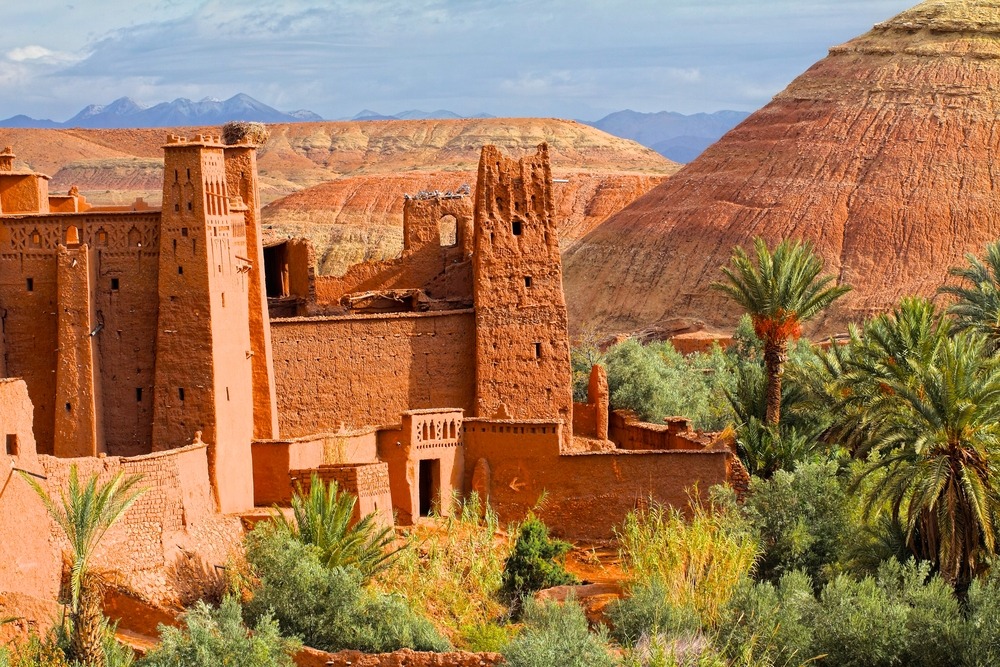
Ready to discover a lesser-known corner of the world? Prepare your journey toward an uncharted facet of the Sahara by taking the Great South route that will lead you to Laâyoune. Nestled between ocean shores and the edges of the desert, it welcomes you in a naturally splendid and diverse setting.
History
Etymology
Laâyoune or El-ayoun is a city whose name could mean "the springs" in Maghrebi Arabic. This refers to the oases that supply water to the city.
Who Founded Laâyoune?
It was Spanish captain Antonio de Oro who founded this city in 1938 as a military outpost. It quickly became the administrative center of Spanish Sahara due to its strategic location and the presence of water along the Saguia el-Hamra river.
In the 1940s, the discovery of vast phosphate deposits at Bou Craa spurred its economic growth. In 1970, the city witnessed the Intifada of Zemla, marked by a massacre resulting in between 2 and 11 deaths and hundreds of wounded. After the Spanish withdrawal in 1975, Laâyoune was annexed by Maroc. This created tensions with the Sahrawi population seeking independence. Since then, the city has experienced rapid growth, exceeding Maroc's urbanization rate, though its human development lags behind southern Maroc.
An Invitation to Adventure in the Laâyoune Province
Where is Laâyoune Located?
Laâyoune is situated in the northeastern part of Western Sahara, under Moroccan administration. It is positioned approximately 400 km west of Tindouf and 500 km south of Agadir, heading toward Dakhla.
What to Do in Laâyoune?
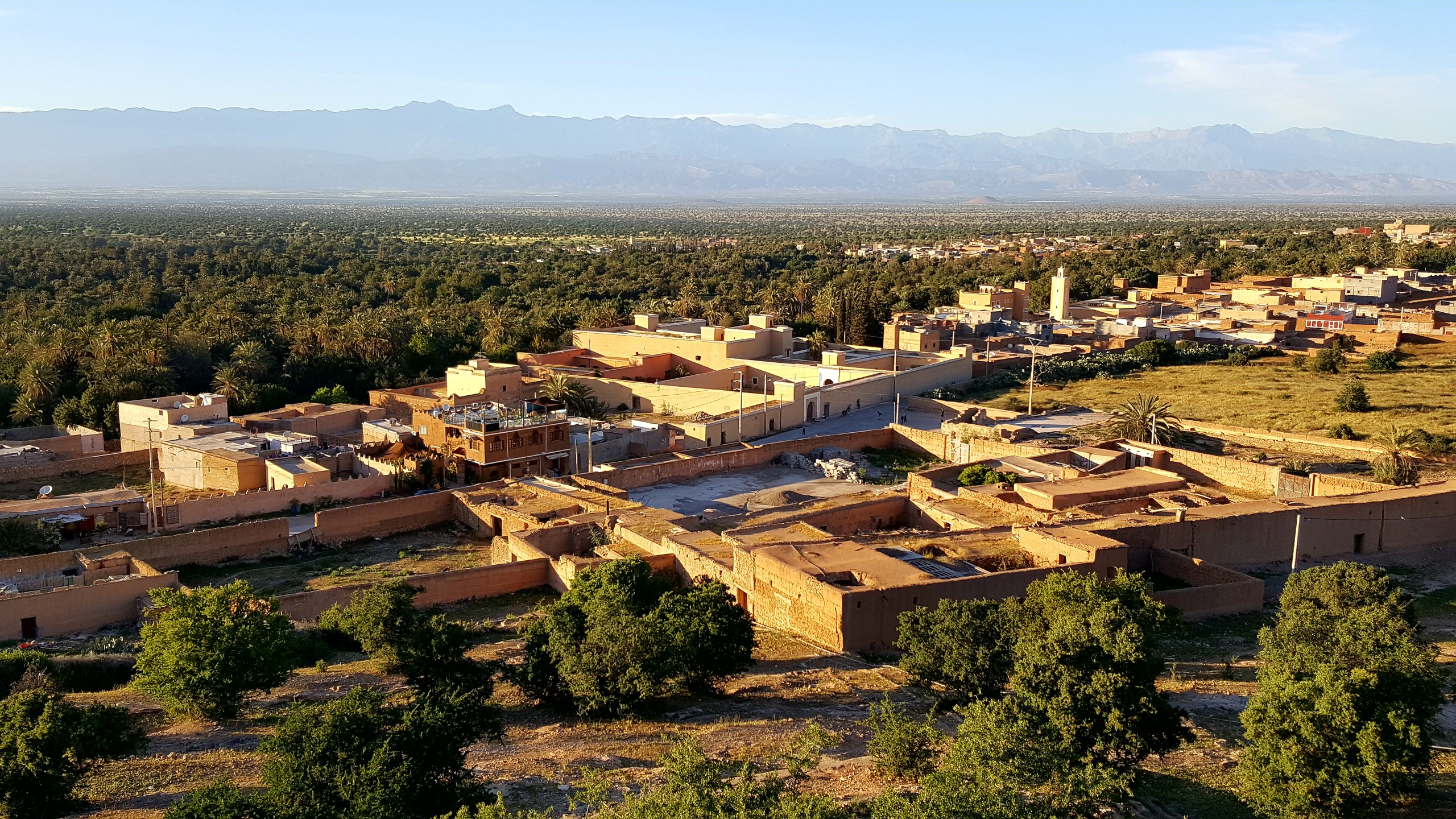
Nicknamed "the city of sands," Laâyoune stands at the gates of the Sahara. Despite its isolation in the middle of the desert, it brings together more than 250,000 inhabitants across an area of 20,813 km². It is truly the capital of the Laâyoune-Sakia El Hamra region administered by Maroc. It is bordered to the north by Tarfaya, to the south by Boujdour, to the east by Es-Smara and to the west by the Atlantic Ocean.
It is often said that visiting Laâyoune is a pleasant experience. A unique adventure awaits you. After a full day of discovery, the city transports you to a café terrace where you can savor mint tea. Here, boredom has no place. Take a shopping trip to the Souk Skikina or Souk Jemal to discover local culture.
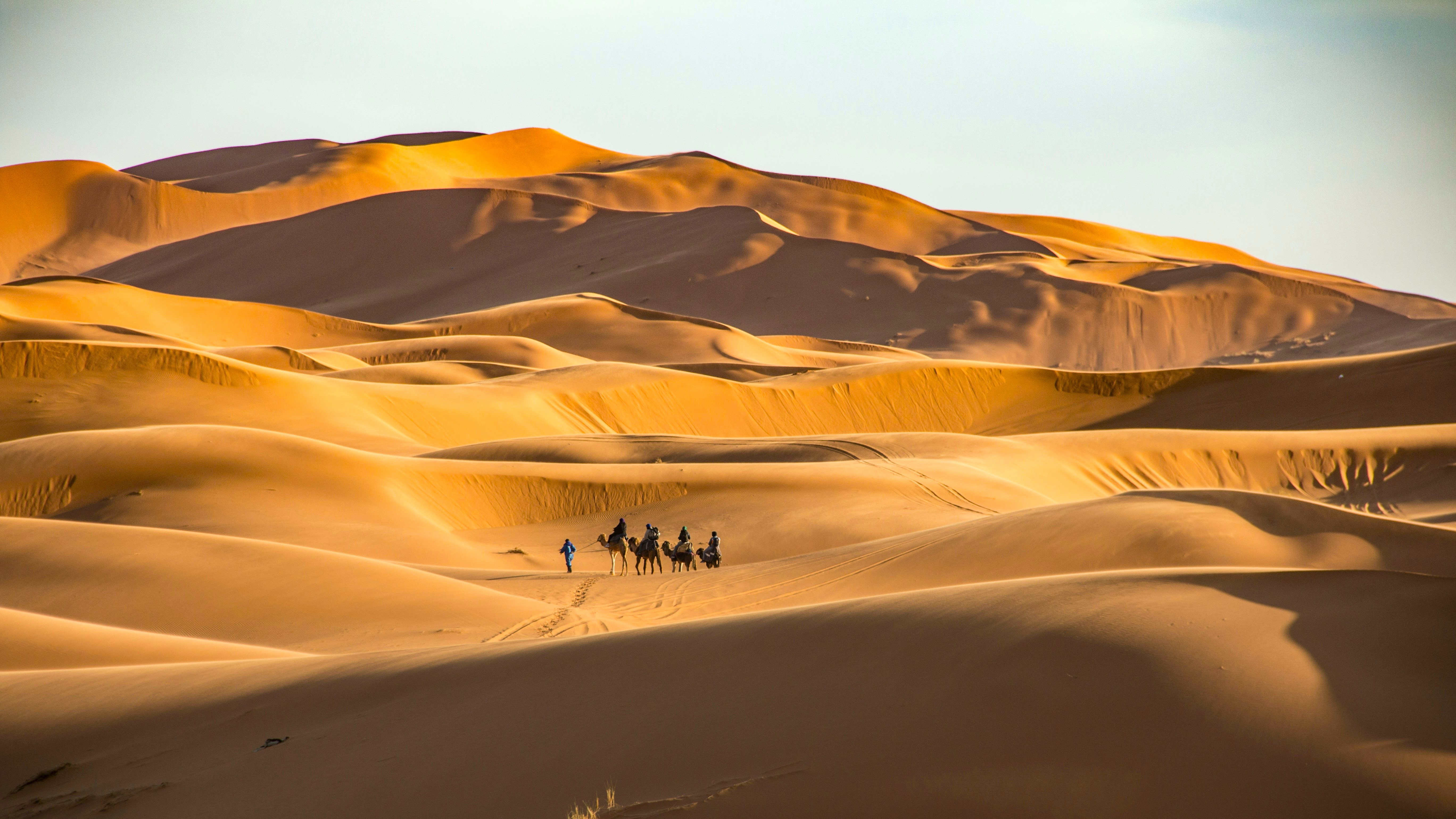
For adventurers, set out on a hiking or camel-trekking expedition into the desert. The vast expanses of sand won't go unnoticed. Wander through the streets in a joyful atmosphere, and let yourself be seduced by the local architecture.
If you are a football enthusiast, don't miss the excitement of a match featuring the local team at Sheikh Mohamed Laghdaf Stadium. Appreciate the serenity of Oued Saguia El Hamra and immerse yourself in extraordinary craftsmanship at the city's artisan complex.
If you dream of a more adventurous experience, explore the desert on camelback or by quad. Camp to enjoy the sunrise over the dunes and observe the rich fauna and flora of Khnifiss National Park with its protected lagoon.
Laâyoune also offers oceanic moments with its sprawling beaches, fishing activities and natural curiosities such as the shipwreck on the shore and the famous "Devil's Hole." Hassania culture becomes even more interesting by exploring Sahrawi traditions.
What Are the Growth Sectors of the Laâyoune Sakia El-Hamra Region?
The region's economy is primarily based on forestry exploitation, the fishing industry, tourism, and the extraction of mineral resources such as phosphates and salt.
Practical Information
What is the Weather Like in Laâyoune?
Laâyoune is subject to a temperate semi-arid climate, leaning toward an almost temperate desert climate due to low rainfall. Temperatures are generally pleasant, with averages rarely exceeding 28°C thanks to the refreshing sea breeze.
When Should You Visit?
Regardless of the season, the city is suitable for visiting. However, avoid July and August due to strong winds and humid weather.
How to Get There?
By Air
The most practical way to get there is to take a flight from Casablanca. Laâyoune - Hassan I International Airport (IATA: EUN, ICAO: GSAI), located on the western edge of the city, offers air links from Casablanca. However, no direct flights from or to Europe are available.
By Bus
If you prefer to travel by bus, connections are also available from Marrakech, Agadir, Casablanca, Sidi Ifni and Dakhla.
How to Get Around?
The city of Laâyoune offers various transport options:
- Taxi
- Walking
- Bus: Recently implemented, a bus system connects the most distant neighborhoods to the city center.
Highlights
Laâyoune's tourist and historical sites are sure to inspire:
- The Antoine de Saint-Exupéry Museum, often considered the city that inspired The Little Prince
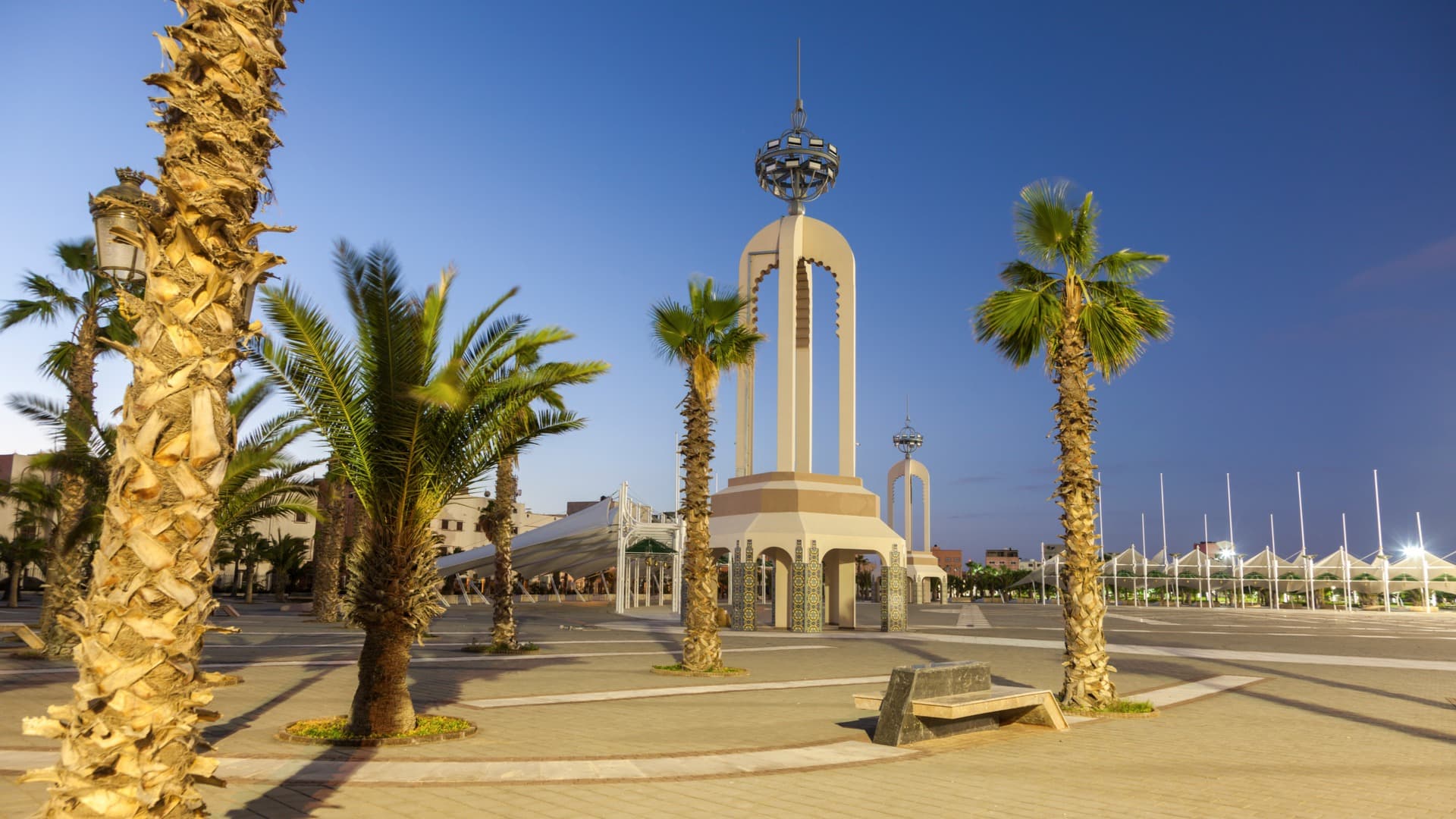
- The great Méchouar square
- Former buildings used by Spanish administration
- The Saint-Exupéry Memorial and the beaches of Tarfaya
- Dromedary Souk
- Traditional dwellings in Smara
- The Lemsid Oasis, ideal for a refreshing day out
- The Khaoui Naam waterfalls, saltwater cascades creating a salt carpet after flowing
- The Lemsid Oasis
- Cathedral of Saint Francis of Assisi
Boujdour, a former fishing village, offers must-see beaches, a harbor, a lighthouse, artwork, including a fish lifted by an octopus, and alleys lined with palm trees and streetlights.
Attractions in Laâyoune
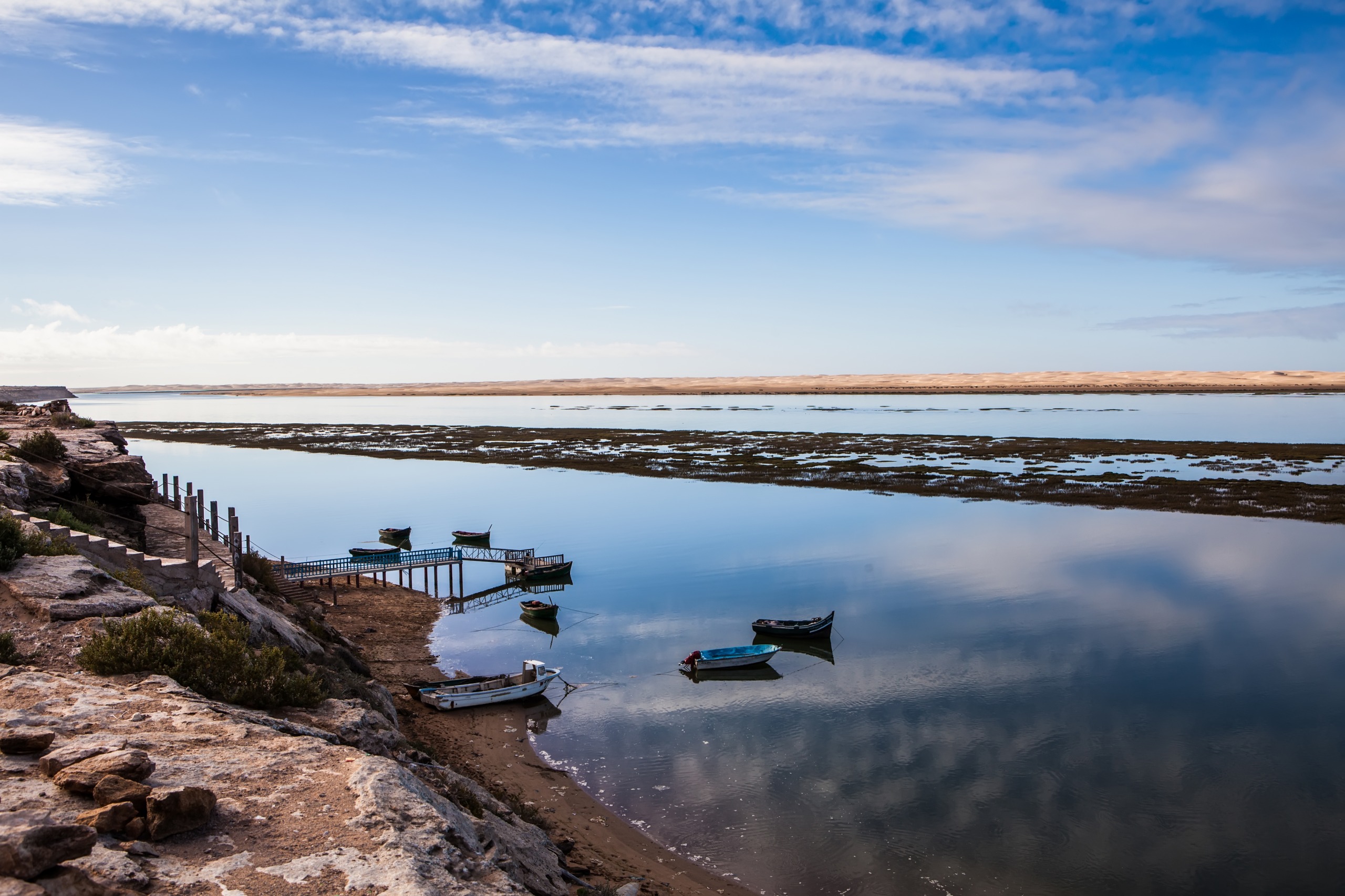
Lagune de Naïla
Au sein du Parc national de Khenifiss, la Lagune de Naïla déroule 20 km de bras de mer entre dunes et falaise, refuge majeur pour les oiseaux migrateurs.
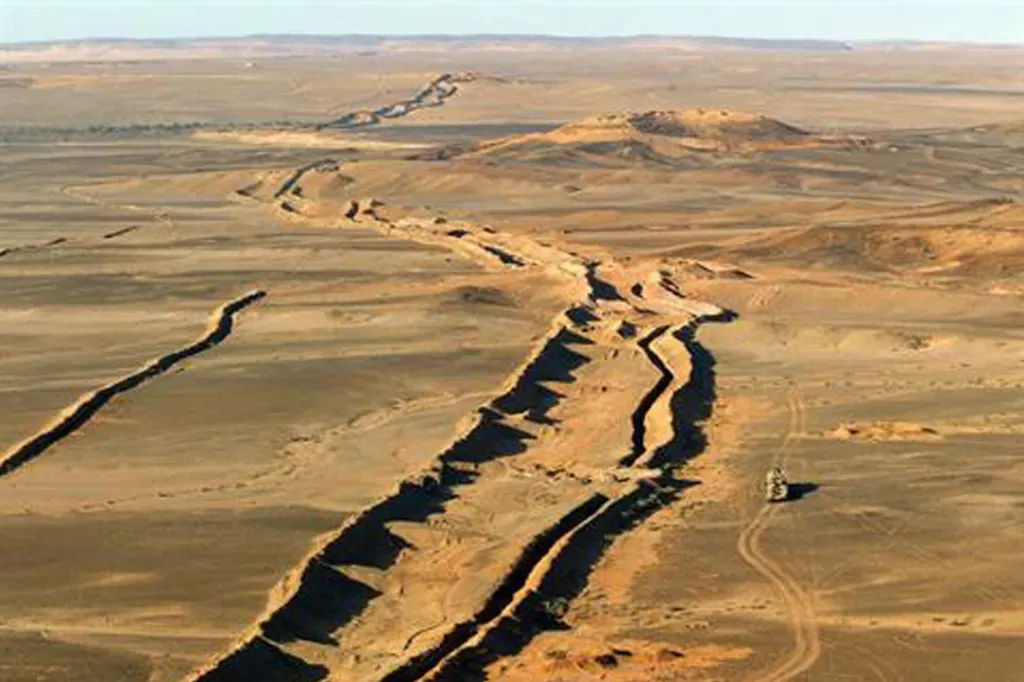
Grande muraile de Maroc
Long de plus de 2 700 km, le mur des sables traverse le Sahara occidental. Repères historiques, sécurité et accès depuis Laâyoune et Dakhla.
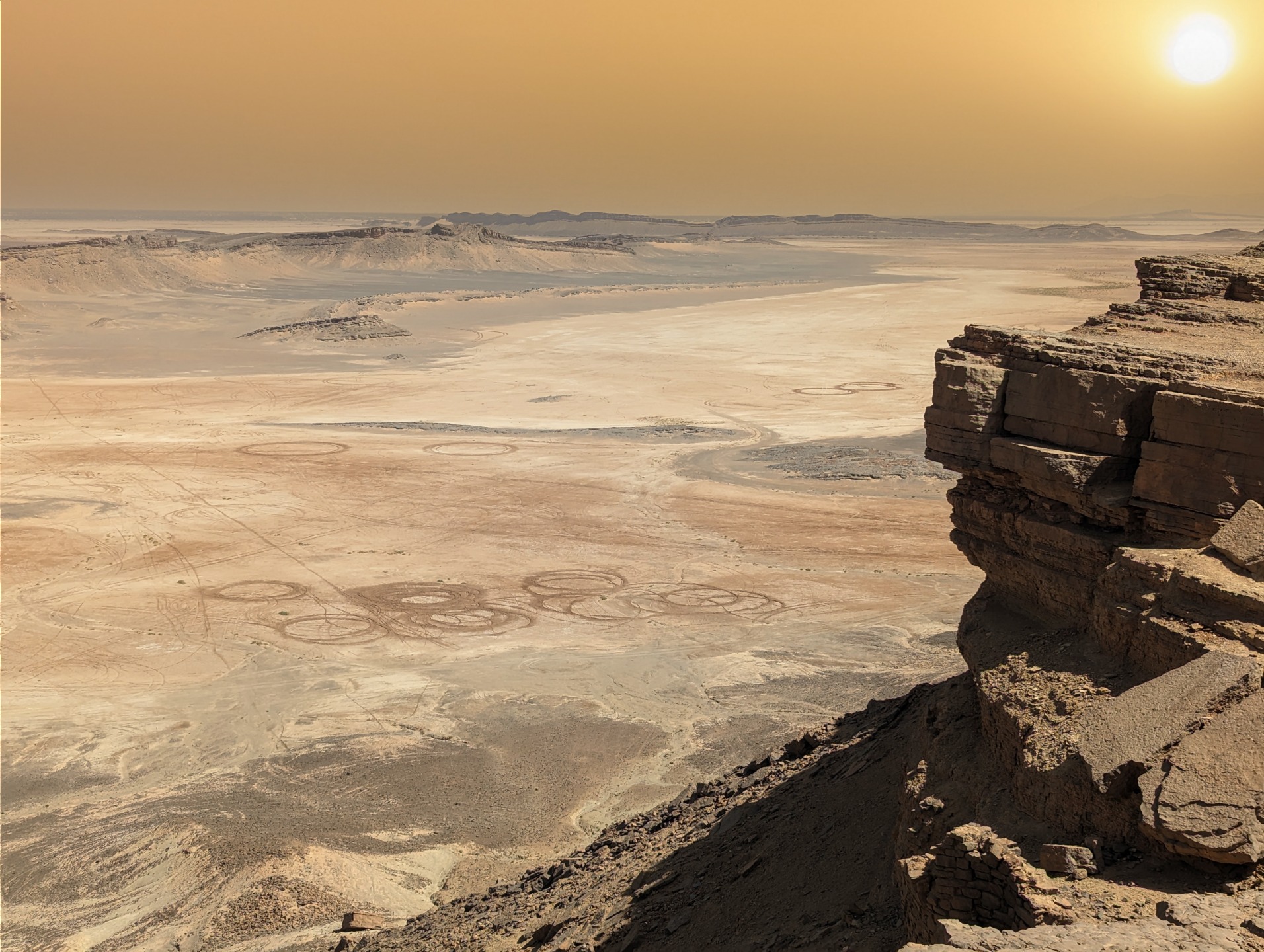
Sebkha Oum Dba
Vaste dépression saline du sud marocain, la sebkha Oum Dba forme avec le Mont Gara et les salines un paysage saharien hors des circuits classiques.
Accommodation in Laâyoune
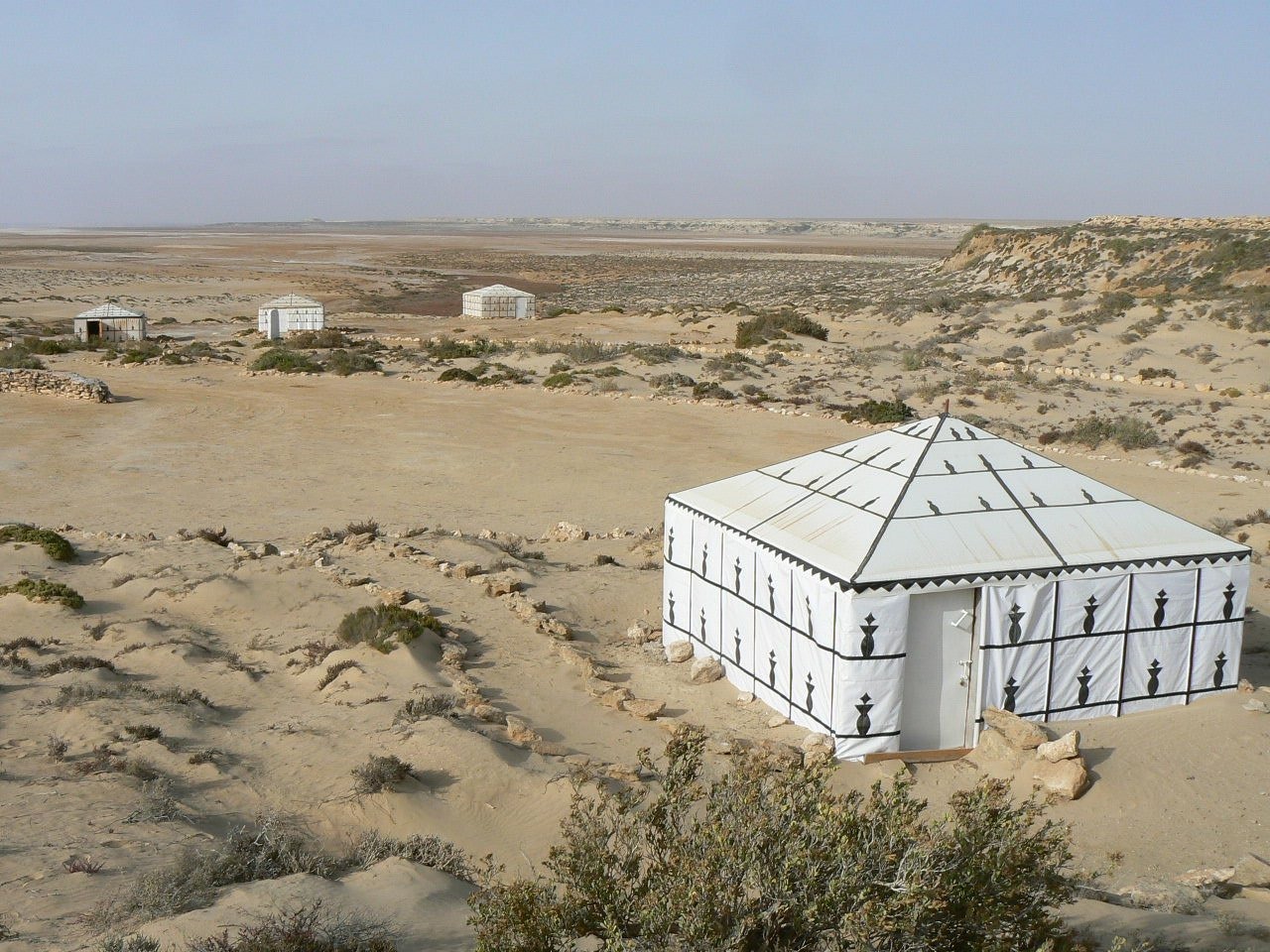
Want to discover this destination?
Our local advisors design your tailor-made trip.