ksar Oulad Abdelhalim
ksar Oulad Abdelhalim
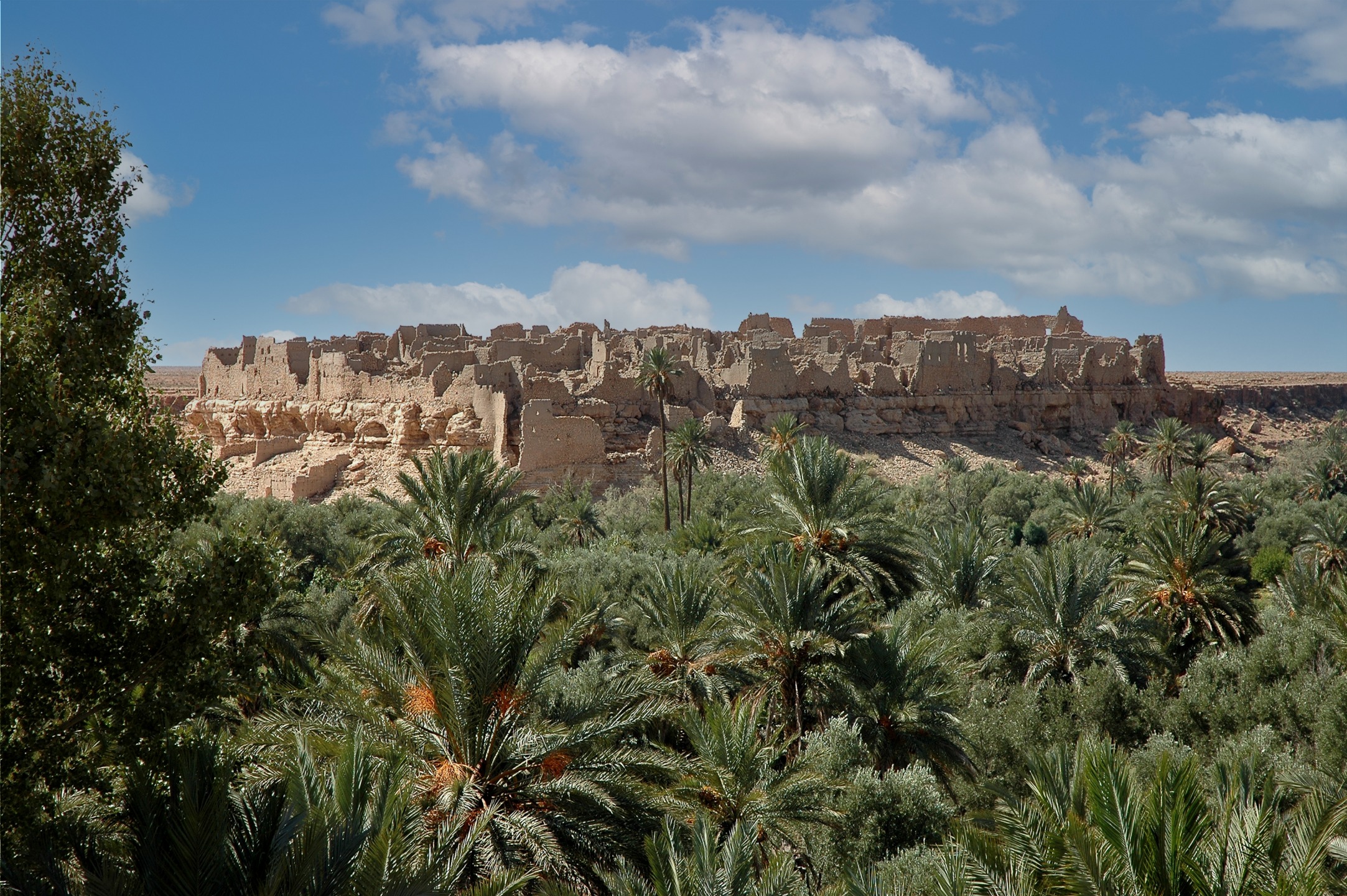
East of Rissani, ksar Oulad Abdelhalim, nicknamed the 'Alhambra of Tafilalt', is a Khalifal residence dating from around 1900, still inhabited.
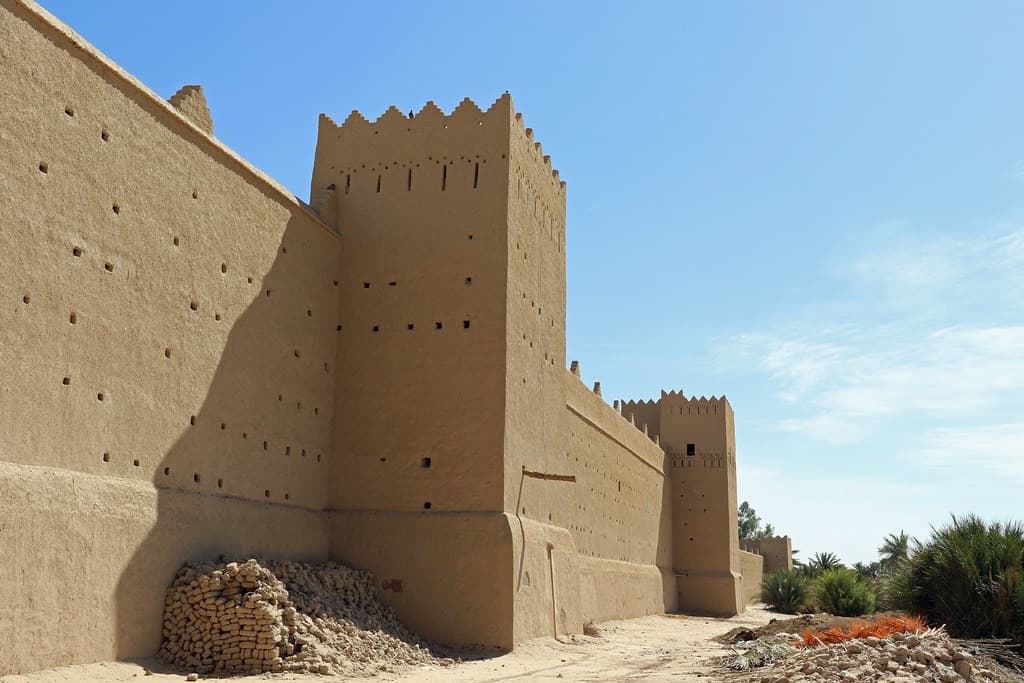
East of Rissani, ksar Oulad Abdelhalim stands with its ocher-colored rammed-earth walls in the Tafilalt palm grove. Dating from around 1900, this fortified village still inhabited by several families has been nicknamed the 'Alhambra of Tafilalt' because of the richness of its architecture and decorations. A testament to Alaouite dynastic history, it offers a rare glimpse of a late 19th-century Khalifal residence.
Why visit ksar Oulad Abdelhalim
The ksar holds multiple interests for those venturing into southeastern Maroc. First and foremost, it is a major architectural witness to the Tafilalt, the region that gave birth to the Alaouite dynasty. Its nickname of 'Alhambra of Tafilalt', inherited from a local oral tradition, reflects the quality of its engravings, arcades and tiles—rare for a structure built from rammed earth.
It is also a living site: unlike many abandoned ksour in southern Maroc, families continue to reside here, allowing you to observe traditional ksar life in an authentic setting. Finally, the ksar offers a concrete understanding of pre-Saharan hydraulic ingenuity, with its still-legible underground irrigation system.
History of the ksar
Dating from around 1900, ksar Oulad Abdelhalim was built for the elder brother of Sultan Moulay Hassan, who then served as khalife of the Tafilalt region. This kinship explains the architectural ambition of the place: this was no ordinary fortified village, but a Khalifal residence designed to house a leading political figure in a region of strategic importance to the dynasty.
The Tafilalt holds a special place in Maroc's history. It is from this oasis that the Alaouite dynasty, still reigning today, originated. The region's ksour long served as relay stations on caravan routes connecting the Sahara to Sijilmassa, the medieval capital whose ruins lie near Rissani.
Over the course of the 20th century, the ksar suffered from erosion, rainfall and partial abandonment. Some sections have been restored thanks to contributions from visitors, but much of the complex still shows marked signs of deterioration, which is part of the site's melancholic charm.
What to see on site
The monumental entrance and Dar lakbira
The main entrance, adorned with fine engravings, leads to a second gate called Dar lakbira (the great house), which marks the beginning of the Khalifal residence. This ensemble, associated with the ksar's mosque, forms the architectural and symbolic heart of the village. The entrance arcade, covered in tiles, illustrates a decorative skill rarely so refined in the region.
The courtyard and riad
The arcade leads to an interior courtyard and then to the riad, a rectangular garden planted with shrubs. A balcony allows for contemplation of the garden from the upper floors, a configuration typical of grand Moroccan homes.
The hydraulic system
The riad is irrigated by an underground canal system originating from ksar Mesquida, located about 5 km away. This khettara, an irrigation technique using draining galleries, testifies to the hydraulic mastery of the Tafilalt's builders and remains one of the site's most remarkable features.
The inhabited village
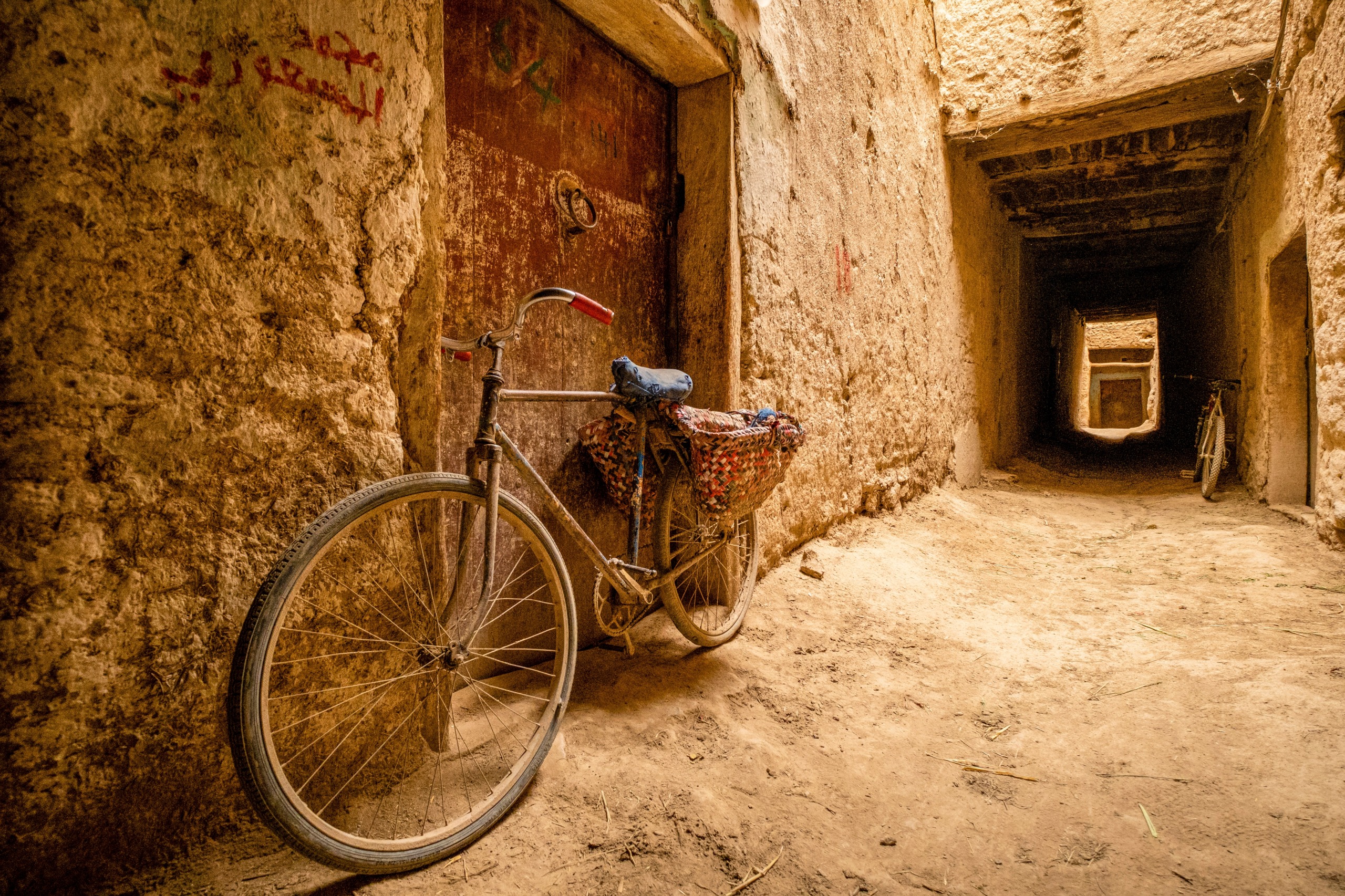
Beyond the Khalifal residence, the ksar remains a living fortified village. Narrow streets, rammed-earth dwellings and the presence of residents give a human dimension to your visit—one to preserve with respect for the privacy of residents.
Practical information
- Duration of visit: allow 1 to 1.5 hours to explore the ksar and its main spaces.
- Fee: access is usually gained by offering a donation or informal tip to a resident who serves as guide. Bring dirhams in small notes.
- Best time to visit: October to April, when Tafilalt temperatures remain manageable. Avoid summer months, which are very hot.
- Tips: wear sturdy shoes, as some areas are dilapidated and the ground is uneven. Respect the privacy of resident families and ask permission before photographing anyone.
How to get there
Ksar Oulad Abdelhalim is located east of Rissani, just a few kilometers from the town center. From the city, the simplest option is to take a local taxi or include the visit in a loop of Tafilalt ksour with a driver. On foot, the journey is feasible but uncomfortable in the sun. Rissani itself is accessible from Erfoud (about 20 km to the north) or Merzouga (about 35 km to the southeast), the usual entry points to the region.
Nearby attractions
The ksar is part of a rich regional ensemble. You can complete your visit by exploring Rissani and its weekly souk, one of the most authentic in southern Maroc, as well as the ruins of Sijilmassa, the ancient caravan capital. Further east, the dunes of Merzouga and erg Chebbi naturally extend your journey into the pre-Sahara. For architectural perspective, the Palais de Bahia in Marrakech offers a point of comparison with the grand urban residences of the same era, while the Medersa Ben Youssef illustrates Moroccan decorative art in a religious register.
Plan your trip
Ksar Oulad Abdelhalim fits perfectly into an itinerary combining the Tafilalt, Merzouga desert and the valleys of the Drâa or Dadès. To build a coherent stay, consult our Maroc travel suggestions.
Interested in this visit?
We can include it in your personalised itinerary.