Ifrane National Park
Ifrane National Park
125,000 hectares of cedars, lakes and high-altitude plateaus in the Middle Atlas, an hour from Fez. Morocco's largest forest national park.
Ifrane National Park spans 125,000 hectares in the Moroccan Middle Atlas, about sixty kilometers south of Fez. Its altitude ranges from 1,500 to 2,400 meters, giving it a mountain climate that contrasts sharply with the usual image of Morocco: snow in winter, cool summers, cedar forests and high-altitude lakes.
Why visit Ifrane National Park
The park combines several distinct environments within a single perimeter: forest massifs, high-altitude plateaus, natural lakes, springs and caves. It is one of Morocco's principal water sources, partly supplying neighboring cities. Flora and fauna have been protected since the park's official creation in 2004, and ecotourism is developing around hiking, Barbary macaque observation and lake fishing.
The town of Ifrane, nicknamed the "little Swiss Morocco," serves as the park's main gateway.
History and creation of the park
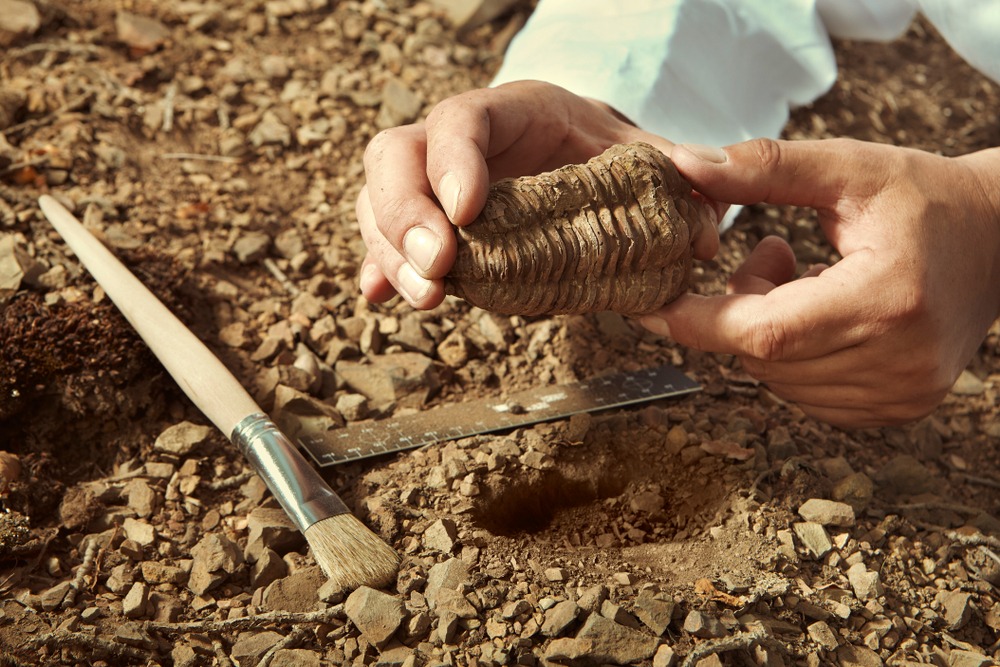
The region has been inhabited for a long time: the Ifri Ouberid cave has yielded remains dating back to prehistory, evidence of continuous human occupation in the Middle Atlas. Berbers subsequently grazed their flocks here for centuries, shaping transhumance landscapes still visible today.
Ifrane National Park was created in 2004 to protect the Middle Atlas cedar forest, one of North Africa's largest, as well as macaque populations and the entire hydrographic network. This protection is part of a broader initiative to preserve Moroccan forest massifs threatened by overgrazing and climate pressure.
What to see and do in the park
The cedar forest
The Ifrane cedar forest is one of the kingdom's largest Atlas cedar massifs. It also shelters maritime pines, holm oak and Portuguese oak. Some cedars exceed 40 meters in height. Barbary macaques, the park's emblematic species, live in these woodlands and are frequently observed along the roadside near Azrou.
The lakes circuit
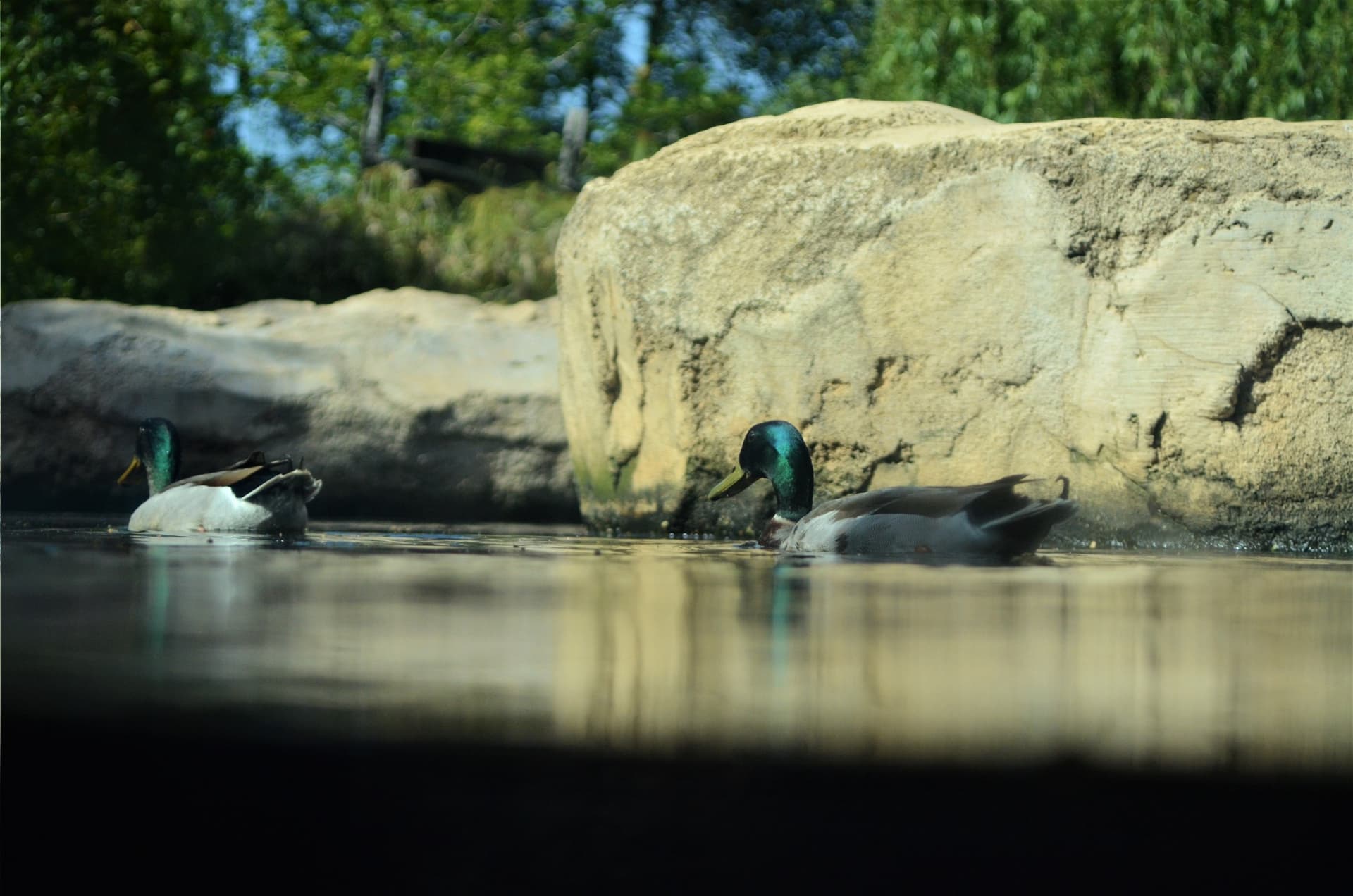
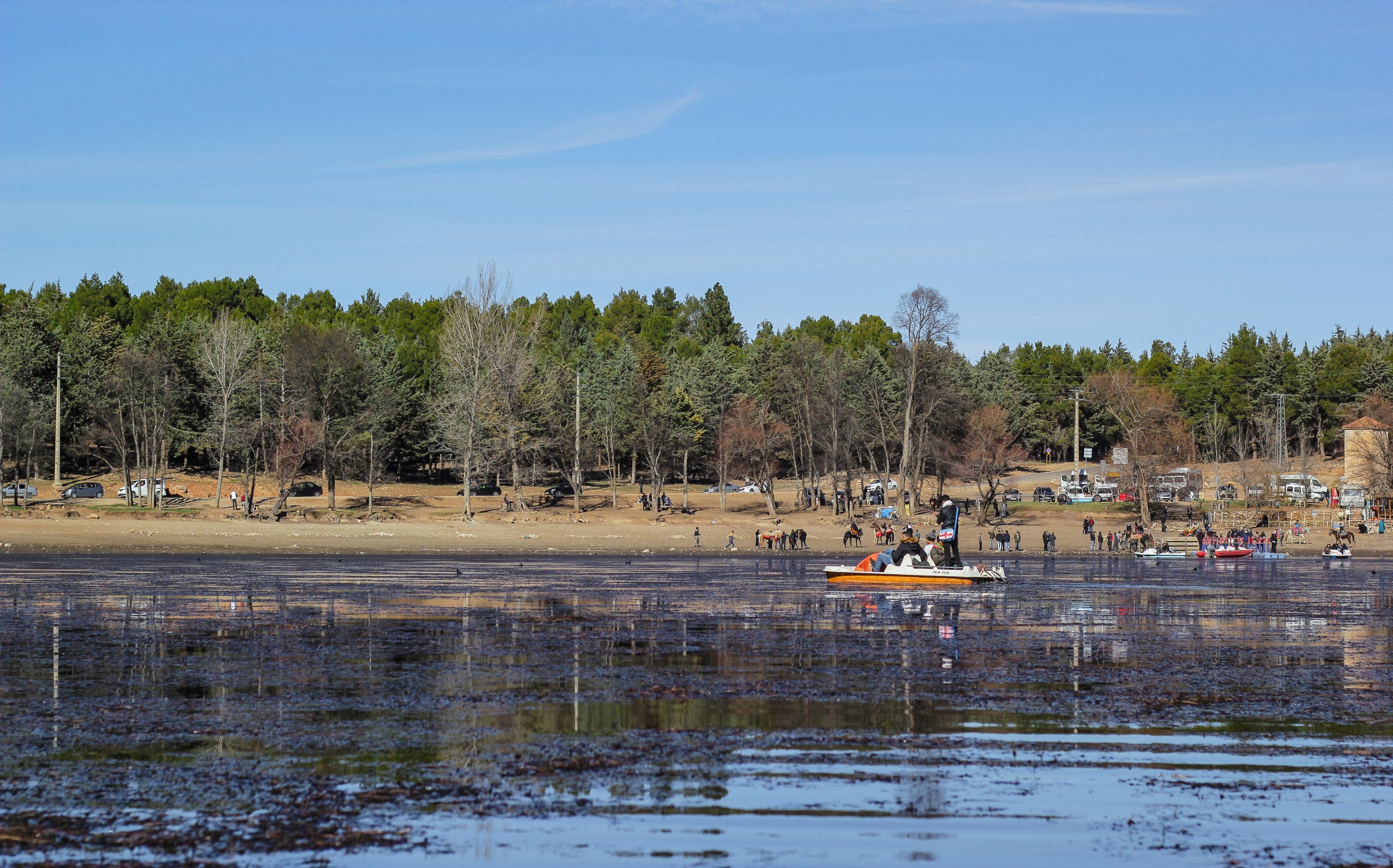
The "lakes circuit" is the park's most popular route. It connects several high-altitude water bodies, including Dayet Aoua lake, Dayet Ifrah and Dayet Afourgah. These permanent natural lakes welcome numerous migratory birds in winter: coots, ducks, crested grebes, occasionally flamingos.
The park's fauna
The park is home to notable biodiversity:
- Barbary macaques, reintroduced Barbary deer, otters, wild boar;
- red-clawed crayfish in rivers;
- some thirty species of amphibians and reptiles;
- numerous raptors, including golden eagles and griffon vultures;
- the historical presence of large felines (Atlas leopard) is documented but their current survival remains highly uncertain.
Michlifen ski resort
Michlifen ski resort, located within the park, operates in winter when snow cover permits. It offers a few runs suited to beginners and families. Check weather conditions before heading up, as snow cover varies from year to year.
When to visit
Each season offers a different atmosphere:
- Spring (April-June): the best hiking period, lakes are full, flora in bloom.
- Summer (July-August): cool temperatures at altitude, ideal for escaping the plains heat. The Lakes Festival is held each July around Dayet Aoua lake.
- Autumn (September-October): cedar colors, few crowds.
- Winter (December-February): possible snow, skiing at Michlifen, snow-covered landscapes around Ifrane.
Practical information
Park entry is free; no ticket is required for most access points. Several walking trails and botanical paths are marked. Fishing is permitted on certain lakes with a permit. Mountain biking is developing, particularly around Azrou.
For accommodation, you'll find mainly rural cottages, guesthouses in Ifrane and Azrou, and a few mid-range hotels. Allow one day for the lakes circuit, two to three days to explore the park thoroughly.
Pack warm clothing year-round: nights remain cool even in summer.
How to get there
The park is accessible from several points:
- From Fez, approximately 1-1.5 hours by road via the N8 to Ifrane.
- From Meknes, allow 1-1.5 hours as well.
- From Azrou, the park is immediately accessible.
A rental car is recommended to reach the lakes and cedar forest. Shared taxis operate between Ifrane, Azrou and surrounding villages.
What to see in the region
If you extend your stay in the Middle Atlas and Morocco, several sites are worth visiting:
- The Attiq waterfalls, about an hour's drive;
- The Skoura palm grove, further south;
- The Bahia Palace in Marrakech, for architectural contrast.
Frequently asked questions
Frequently asked questions
No, the main trails and lakes circuit are freely accessible. A local guide is helpful for cedar forest hikes or wildlife observation.
Yes, Barbary macaques are frequently visible near Azrou and along the forest road, especially in late afternoon. Avoid feeding them.
One day for the lakes circuit and an overview of the cedar forest, two to three days to combine hiking, wildlife observation and relaxation in Ifrane.
Yes, the trails around the lakes are easy, and Michlifen resort offers beginner runs in winter.
Winter and early spring, when migratory birds stay on Dayet Aoua, Dayet Ifrah and Dayet Afourgah lakes.
Preparing your trip
Ifrane National Park integrates easily into a Middle Atlas - Fez - Meknes itinerary. To build a tailor-made itinerary including the Middle Atlas, consult our Morocco trips.
Interested in this visit?
We can include it in your personalised itinerary.