Souss-Massa National Park
Souss-Massa National Park
Between Agadir and Tiznit, 30,000 hectares of dunes, cliffs and wetlands created in 1991 to protect the bald ibis. A major ornithological site in Morocco.
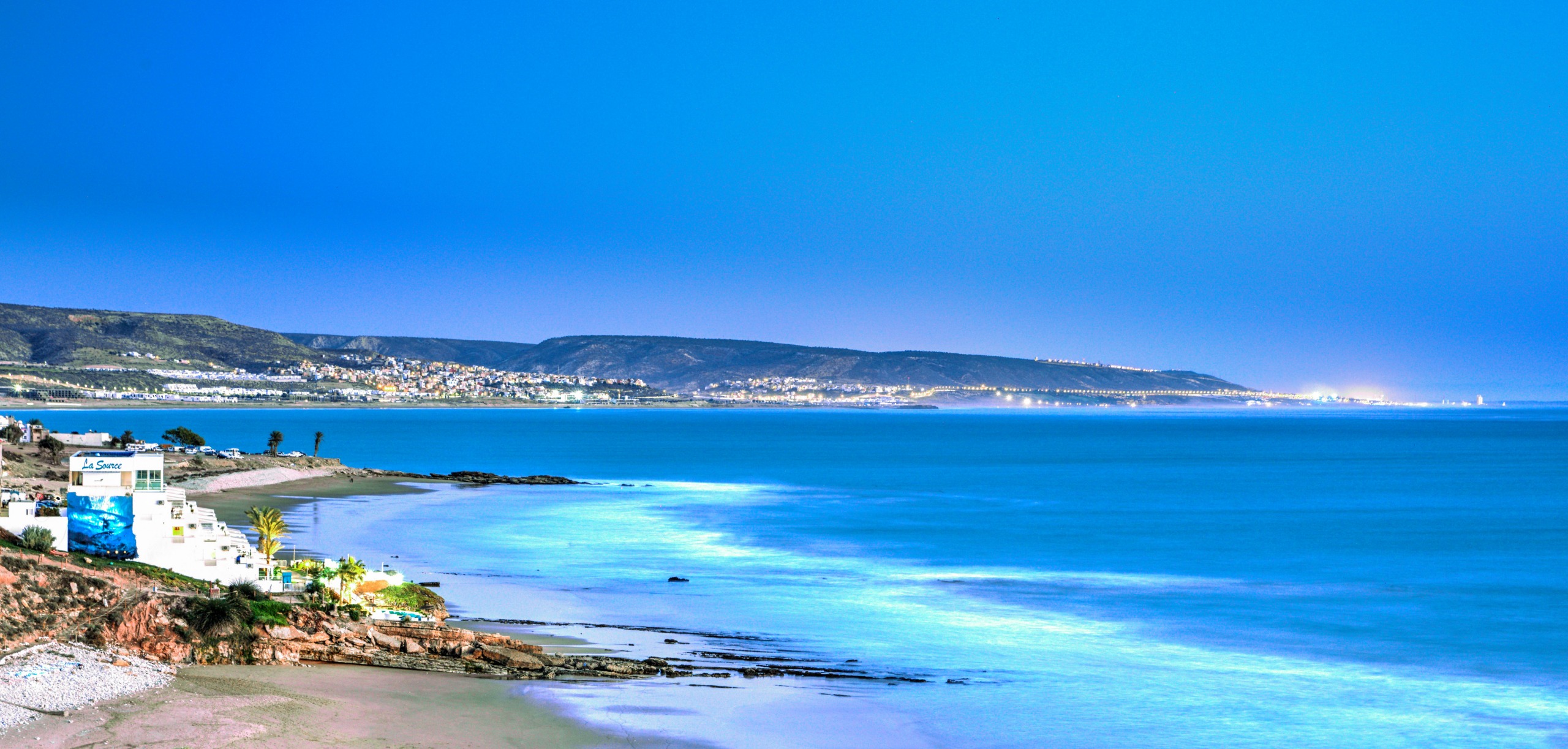
Souss-Massa National Park stretches 65 km along the Atlantic coast, between Agadir and Tiznit. Established in 1991 to protect the bald ibis, one of the world's most threatened bird species, it covers over 30,000 hectares of dunes, cliffs, wadi mouths and wetlands. It is one of Morocco's major ornithological sites and a prime location for observing the fauna and flora of southern Morocco.
Why visit Souss-Massa National Park
Three compelling reasons merit a detour from Agadir. First, bird-watching: the coastal cliffs shelter one of the last wild colonies of bald ibis in the world, and the wetlands welcome thousands of migratory birds in season. Second, landscape diversity: within just a few kilometres, you move from Atlantic beaches to euphorbia steppes, argan forests and wadis lined with reeds. Finally, ecotourism is developing here with respectful activities, including donkey-trekking routes through inhabited villages within the park.
History and creation of the park
The park was established in 1991, primarily to safeguard the bald ibis (Geronticus eremita), whose last wild populations are concentrated on the cliffs between Tamri and the Souss estuary. At its creation, the species was on the brink of extinction. Since then, thanks to a conservation plan combining strict management of breeding sites, monitoring and awareness-raising among local communities, populations have stabilised and strengthened. The park extends as a narrow strip: approximately 65 km long for less than 5 km wide, a configuration that follows the coast and the valleys of the Souss and Massa wadis.
What there is to see
Flora of nearly 300 species
Nearly 300 plant species have been recorded within the park's boundaries. Euphorbias, succulent plants typical of southern Morocco, dominate arid terrain and cover around 4,000 hectares alone. Argan trees, an endemic species of southwestern Morocco, and thuyas occupy the drier slopes, while eucalyptus and acacias border certain wadis. Reeds and tamarisks colonise the wetland areas of the estuaries.
Emblematic wildlife
The bald ibis remains the park's star attraction, observable especially in spring from viewing points set up on the cliffs. The avifauna also includes herons, flamingos, osprey, falcons and cormorants. The Massa wetlands are an internationally recognised migratory stopover.
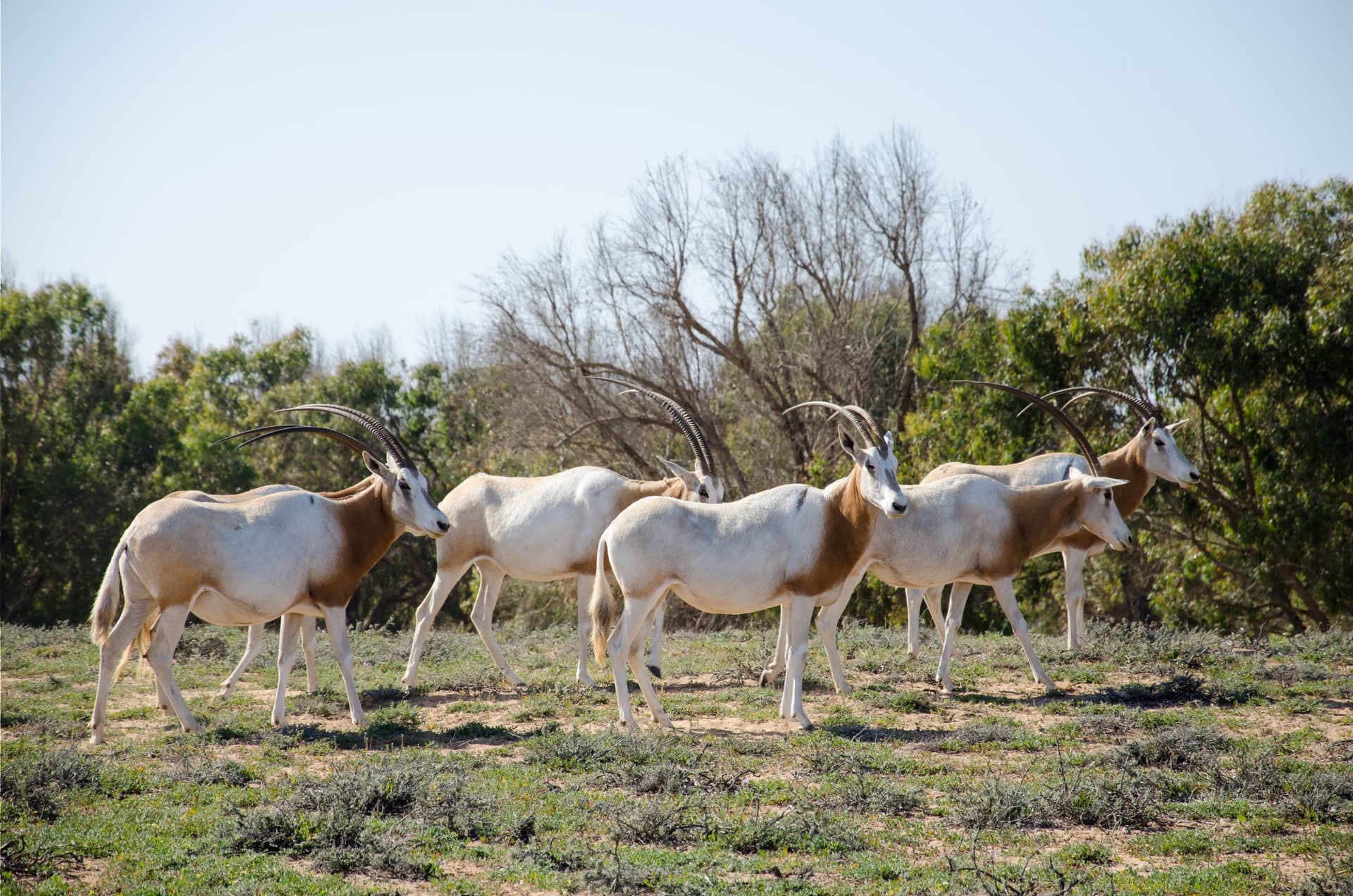
As for mammals, two situations to distinguish. In the wild, you may encounter dorcas gazelles, wild boars, golden jackals and wildcats. However, scimitar-horned oryx, addax and red-necked ostriches live in reintroduction enclosures, primarily at the fenced Rokein site, as part of a programme to acclimatise Saharan species that have disappeared in the wild in Morocco.
Villages and human heritage
The park is inhabited. Several villages are scattered within its boundaries, where you can observe shrines to local saints and rural mosques. The inhabitants practise subsistence farming and livestock herding, and increasingly participate in ecotourism activities.
When to visit
Ornithological seasonality is the key factor.
- March to May: bald ibis breeding season, observation of colonies at close range. Pleasant temperatures.
- October to February: passage and overwintering of migratory birds (flamingos, waders, dabbling ducks) in the Massa wetlands. Agreeable conditions for walking.
- June to September: marked heat inland, but ocean breeze on the coast. Ornithological activity reduced at midday.
Early morning or late afternoon outings remain always the most productive.
Practical information
- Duration of visit: plan for half a day for a guided ornithological outing, a full day if you combine Rokein, coastal cliffs and the Massa estuary.
- Fees: moderate park entrance fee; guided tours with a local ornithologist are charged separately.
- Equipment: binoculars essential, closed-toe shoes, water, sun protection, windproof jacket for the coast.
- Accommodation: guesthouses in villages within the park and surrounding areas, hotels in Agadir and Tiznit.
Rules to respect:
- Fishing forbidden in the wetland area.
- Strict prohibition on digging or climbing the cliffs where bald ibis breed.
- Rokein site closed to private vehicles (access on foot or by authorised vehicle).
- Stay on marked trails and keep dogs on leads.
How to get there
The park is easily accessible from Agadir. The Souss estuary is located just south of the city, approximately 15 minutes' drive from the centre. The Massa estuary and Rokein site are accessible via the national road towards Tiznit, approximately 1 hour's drive away. Several agencies in Agadir offer guided half-day or full-day excursions, often led by an ornithologist. Car rental remains the most flexible option for exploring the different entry points.
Nearby attractions
- Agadir: beach resort and ideal base for exploring the park.
- Naïla Lagoon: another major wetland site on the Moroccan Atlantic coast, complementary for ornithology enthusiasts.
- Fort Bou Jerif: former colonial fort in the southern interior, to combine with a route towards the Sahara.
Frequently asked questions
Frequently asked questions
Plan your trip
Souss-Massa National Park fits naturally into an itinerary along the southern Atlantic coast, between Agadir, Tiznit and the Sidi Ifni region. To build a tailor-made itinerary combining ornithology, beaches and Berber villages, consult our suggestions for trips to Morocco.
Interested in this visit?
We can include it in your personalised itinerary.