Sijilmassa
Sijilmassa
An ancient caravan city of Tafilalet, Sijilmassa was a major crossroads of trans-Saharan trade. Today, an archaeological site near Rissani.
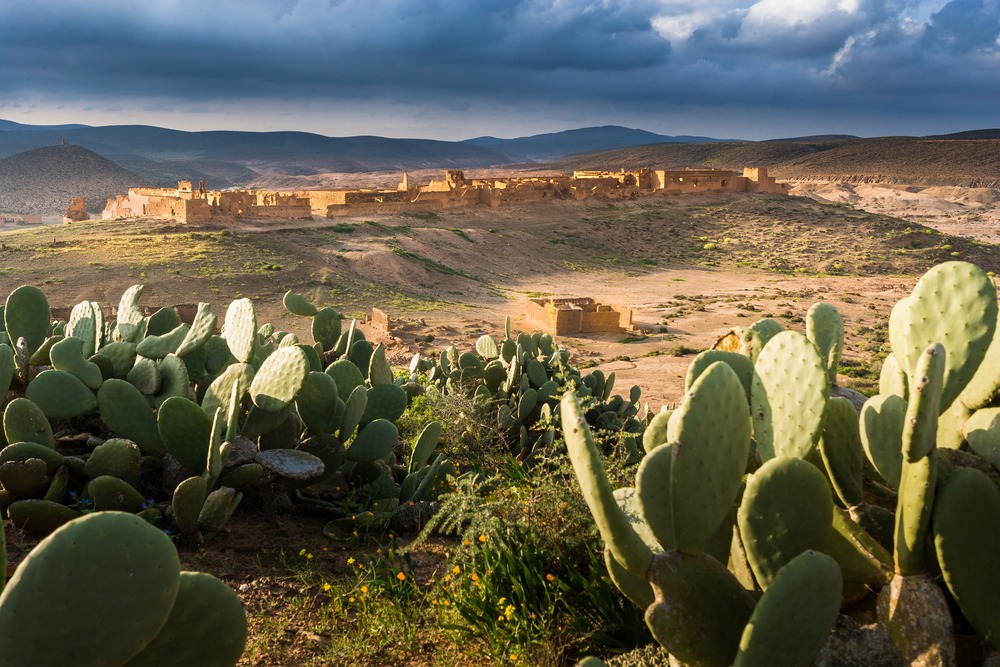
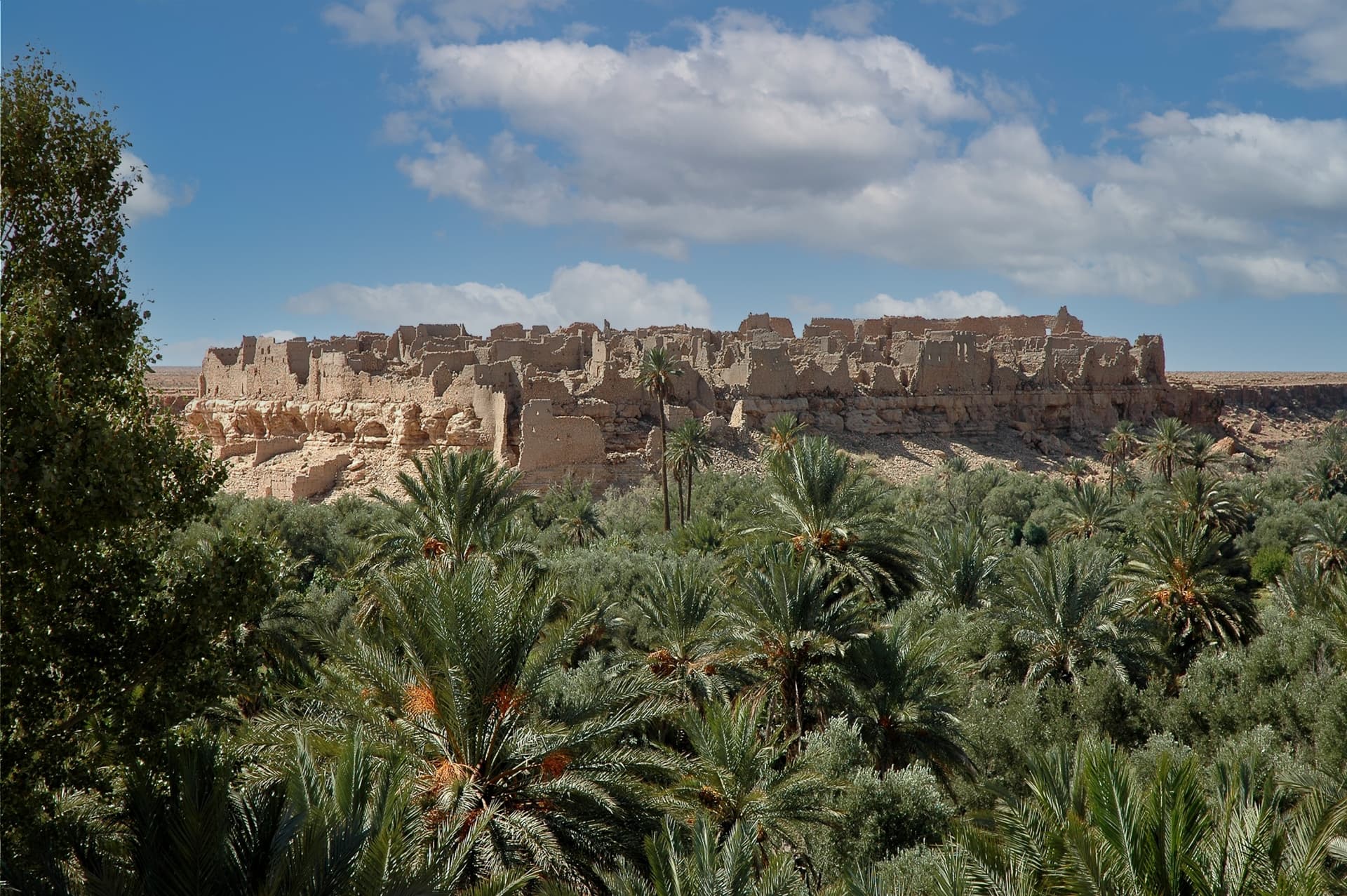
Sijilmassa is an archaeological site located near the town of Rissani, in eastern Morocco. For several centuries, this city played a major role on the routes of trans-Saharan commerce, linking sub-Saharan Africa to the Mediterranean basin. Today, all that remains of this medieval metropolis are buried ruins, spread over approximately one hundred hectares between Rissani and the Oued Ziz.
Why visit Sijilmassa
The site appeals primarily to travelers interested in archaeology and medieval Maghreb history. Sijilmassa was for nearly six centuries the northern terminus of caravans loaded with gold, salt and slaves crossing the Sahara. The city controlled one of the most strategic commercial routes in the medieval world, and minted its own gold currency there.
The visit is brief and contemplative: rather than seeing restored monuments, it is about grasping the footprint of a vanished city on the ground, whose excavations continue to reveal new elements today. Best combined with a stop in Rissani and the Tafilalet palm grove to give meaning to the site.
History of Sijilmassa
Sijilmassa came into being on the left bank of Oued Ziz in 757-758. The city was founded by the Zenata tribe of the Meknassas of Kharijite Sufrite rite, led by Abou al-Kassim Samgou Ibn Wassoul al Miknassi, also known as Midrar Ben Abdellah. It gradually attracted inhabitants from the region and became an important political center, as well as a thriving crossroads welcoming merchants from Egypt and Iraq.
At its height, the city would have housed approximately 600 kasbahs, one of which was occupied by the emir, as well as a vast marketplace, a great mosque and a coin-minting workshop. Long coveted, particularly by Kairouan which was attached to the Abbasid Caliphate, Sijilmassa fell into the hands of the Almoravids in 1055. They ended its emirate and took control of the great gold road from Bilad Sudan. The Almoravid gold dinar then became the most sought-after currency on both sides of the Mediterranean.
The city's importance subsequently diminished, due to regional political instability and the displacement of trade routes. The end of the 14th century marked its final decline: destruction of buildings, dispersal of inhabitants to neighboring ksours. The region nonetheless became a cornerstone of Morocco's reunification in modern times thanks to the Alaouite Sherifs. Archaeological excavations, which began in the 20th century, are still ongoing.
What to see on the site
The site spans approximately one hundred hectares. The visit focuses on a few elements:
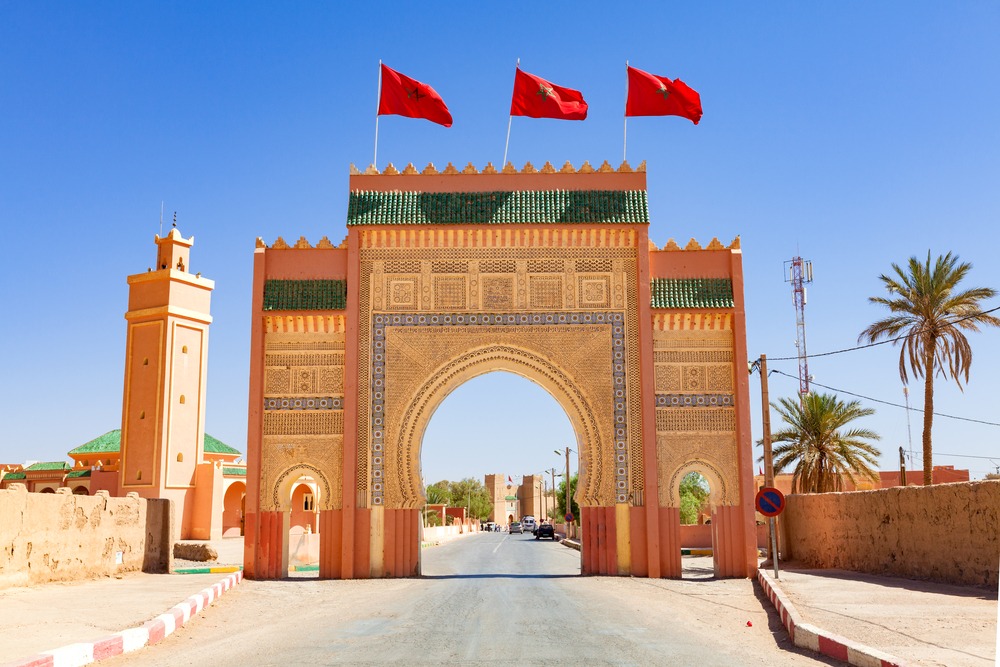
- The decorated monumental gate: located to the north of the site, it is one of the few elements still standing and gives an idea of past architecture.
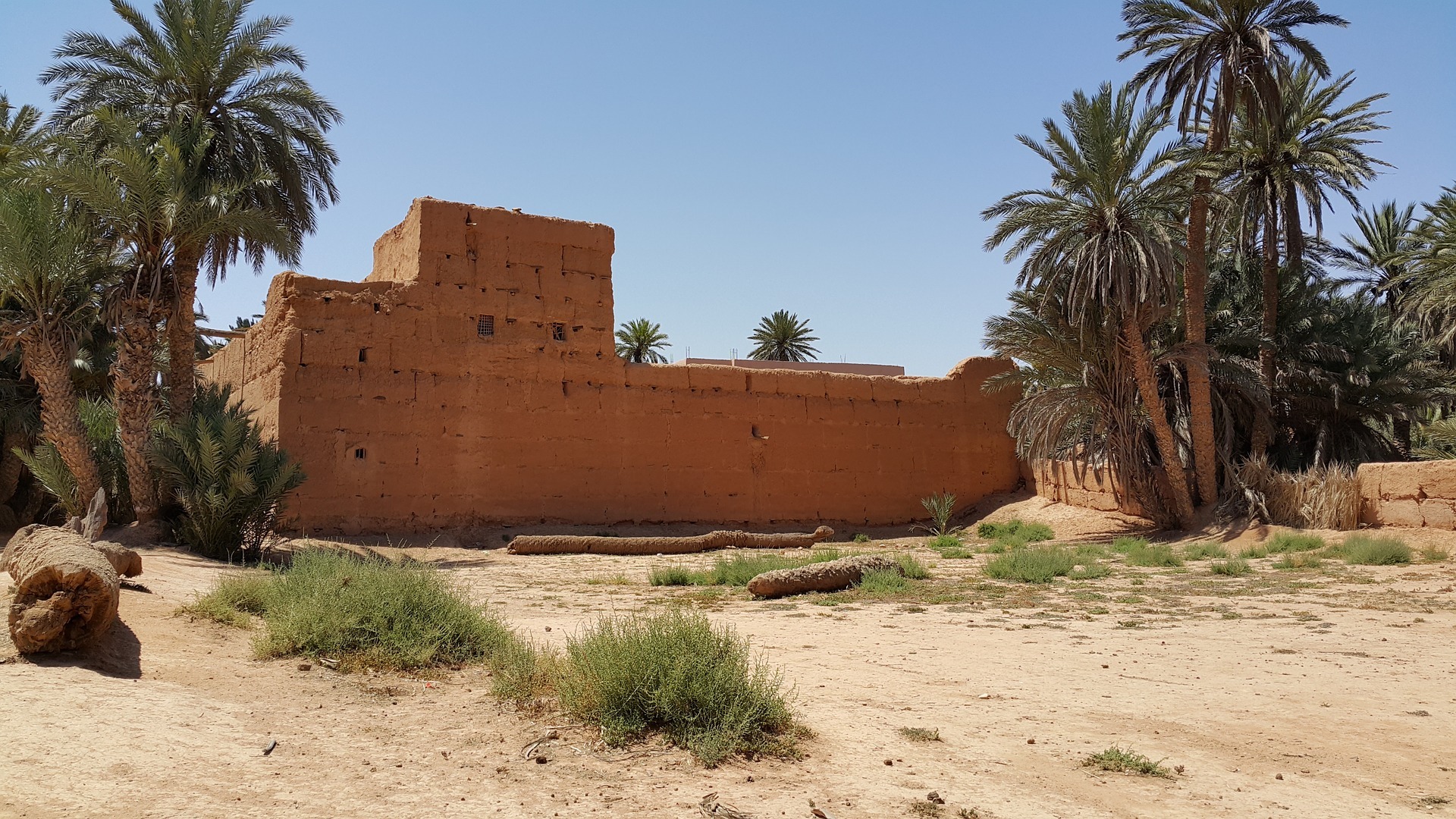
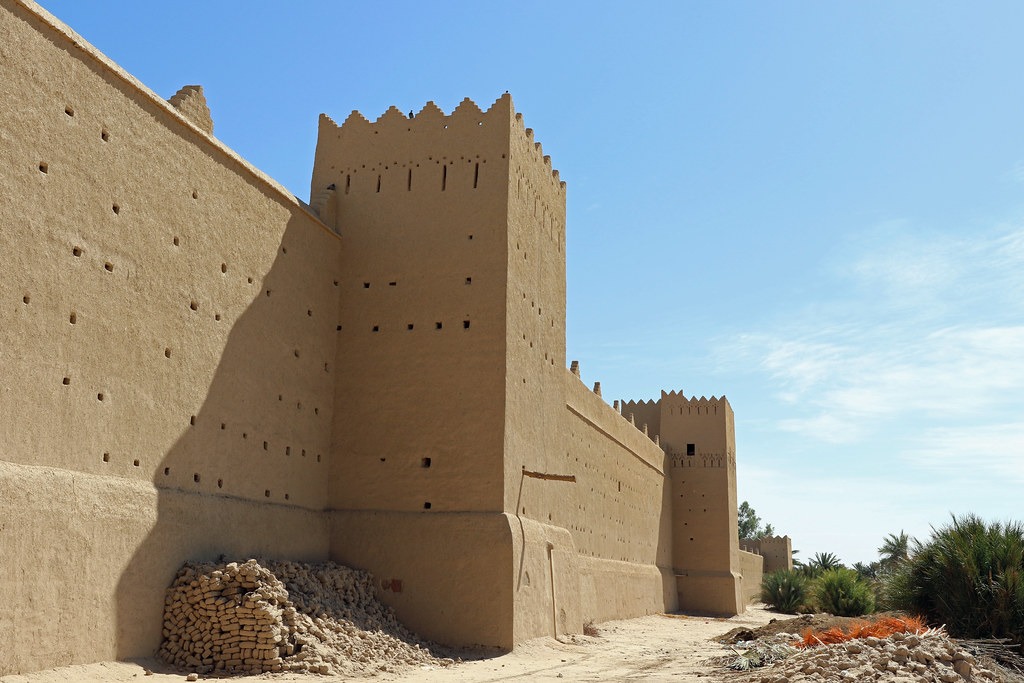
- Collapsed rammed earth walls: mounds of raw earth that outline the footprint of ancient neighborhoods and kasbahs.
- Excavation zones: depending on ongoing archaeological campaigns, certain sectors (mosque, coin workshop, residential structures) may be partially uncovered.
- The surrounding landscape: the palm grove of Oued Ziz and the neighboring ksours extend the historical reading of the site.
Practical information
- Duration of visit: allow 1 to 1.5 hours on site. The site is extensive but difficult to interpret without a guide.
- Recommended guide: a local guide from Rissani greatly facilitates understanding the remains and historical context.
- Access: the site is open and easily accessible from Rissani, just a few minutes by car.
- Equipment: hat, water and closed-toe shoes. Very little shade on the site.
- Fee: free entry or modest fee depending on excavation periods.
When to visit Sijilmassa
The Tafilalet region has an arid climate with large temperature variations. The best visiting periods are from October to April, when daytime temperatures remain manageable. Summer (June to August) is very hot, often exceeding 40°C, which makes walking around the site challenging. Prefer early morning or late afternoon for better light and relative coolness.
How to get there
Sijilmassa is located a few kilometers from Rissani, in Errachidia province. Several options:
- From Erfoud: capital of Tafilalet located 20 km north of Rissani, accessible by bus or shared taxi.
- From Rissani: petit taxi or rental car, the site is less than 10 minutes from the center.
- From Merzouga: approximately 45 minutes drive, often included in circuits combining desert and heritage.
What to see nearby
- Rissani and its traditional souk, direct heir to Sijilmassa.
- The Tafilalet palm grove and neighboring ksours.
- The dunes of Merzouga, approximately 40 km to the southeast.
- The Dadès gorges and the Todgha gorges, on the route towards Ouarzazate.
- The ksar Aït Benhaddou, another major stop in southern Morocco's heritage.
Frequently asked questions
Frequently asked questions
Organize your trip
Sijilmassa naturally fits into an itinerary in southeast Morocco, between the Drâa and Ziz valleys, kasbahs and desert. To build a bespoke trip incorporating Tafilalet and the great stages of the South, consult our ideas for Morocco travel.
Interested in this visit?
We can include it in your personalised itinerary.