The Kasbahs of Ouarzazate
The Kasbahs of Ouarzazate
Aït Benhaddou, Taourirt, Tamnougalt: complete guide to the kasbahs around Ouarzazate, where rammed earth architecture, Berber heritage and film sets converge.
At the gateway to the desert, Ouarzazate and its surroundings contain one of Morocco's highest concentrations of kasbahs. These earthen fortresses, rising along the route linking Marrakech to the Sahara, bear witness to the social and defensive organization of oases in Morocco's south. Aït Benhaddou, Taourirt, Tamnougalt: each tells a chapter of Berber history and continues today to draw travelers, historians and filmmakers.
Why visit the kasbahs of Ouarzazate
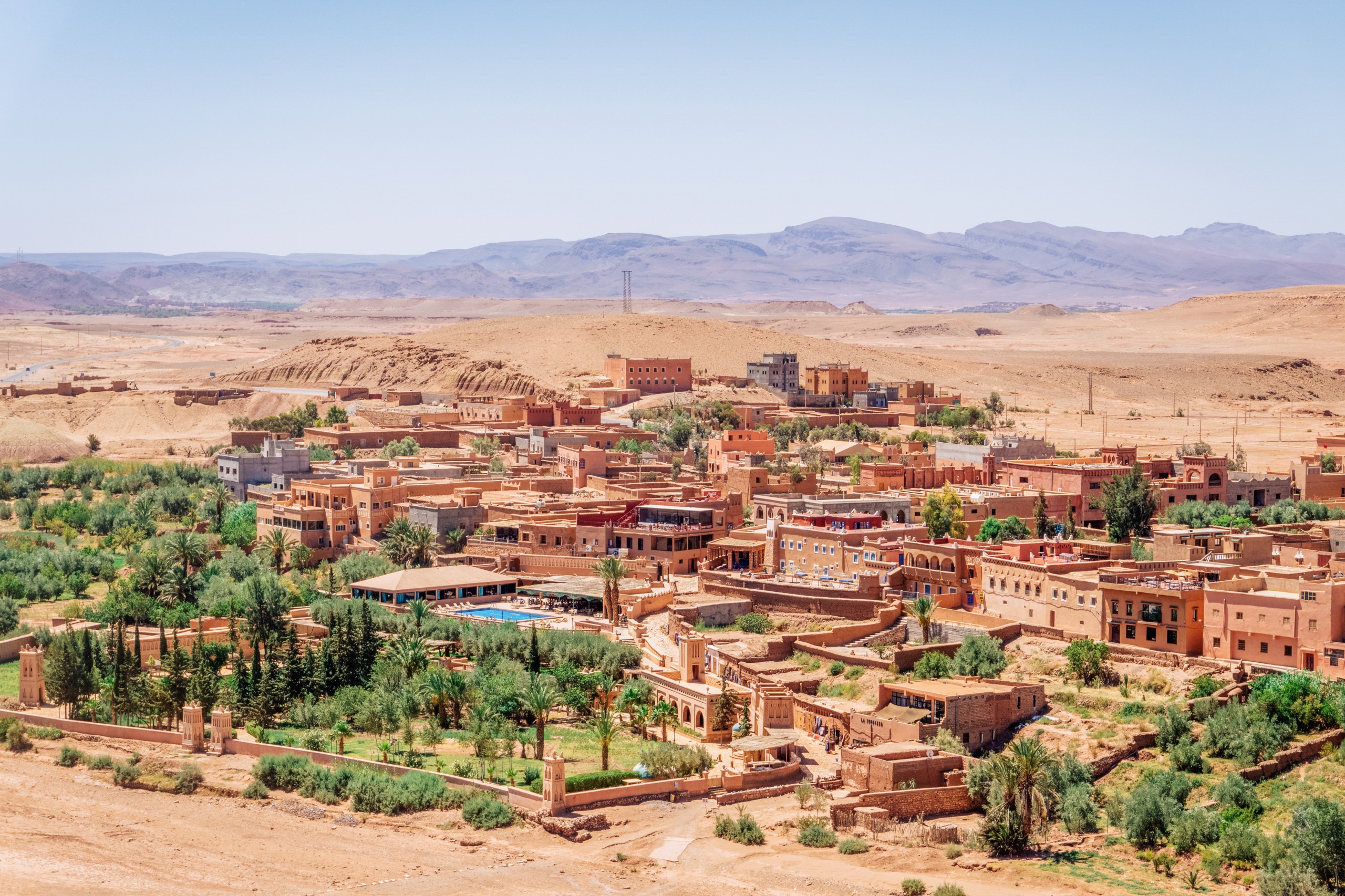
The region offers a concentrated display of vernacular rammed earth architecture, a construction technique blending raw earth, straw and wood. Kasbahs are far more than simple monuments: they are fortified villages designed for collective living, crop storage and defense against raids. Visiting these sites reveals how communities in the Drâa, Dadès and Ounila valleys organized themselves for centuries around caravan routes connecting sub-Saharan Africa to the Mediterranean.
Another draw is the light. Rammed earth shifts in tone throughout the day, from pale beige in the morning to deep red at sunset, which partly explains why international cinema, notably Le Thé à la menthe, made these settings a recurring filming location.
A history between caravan trade and tribal power
The region's kasbahs developed from the Middle Ages onward, along trade routes that transported gold, salt, dates and slaves. Each powerful family built its own fortress, and clustered kasbahs formed a ksar, a closed village settlement.
In the 19th and early 20th centuries, the Glaoui tribe controlled much of Morocco's south. The pasha of Marrakech, an emblematic figure of this dynasty, made the kasbah of Taourirt one of his preferred residences. This tribal grip left visible traces in the architecture, particularly in the refinement of interior decoration.
Kasbahs to see around Ouarzazate
Aït Benhaddou
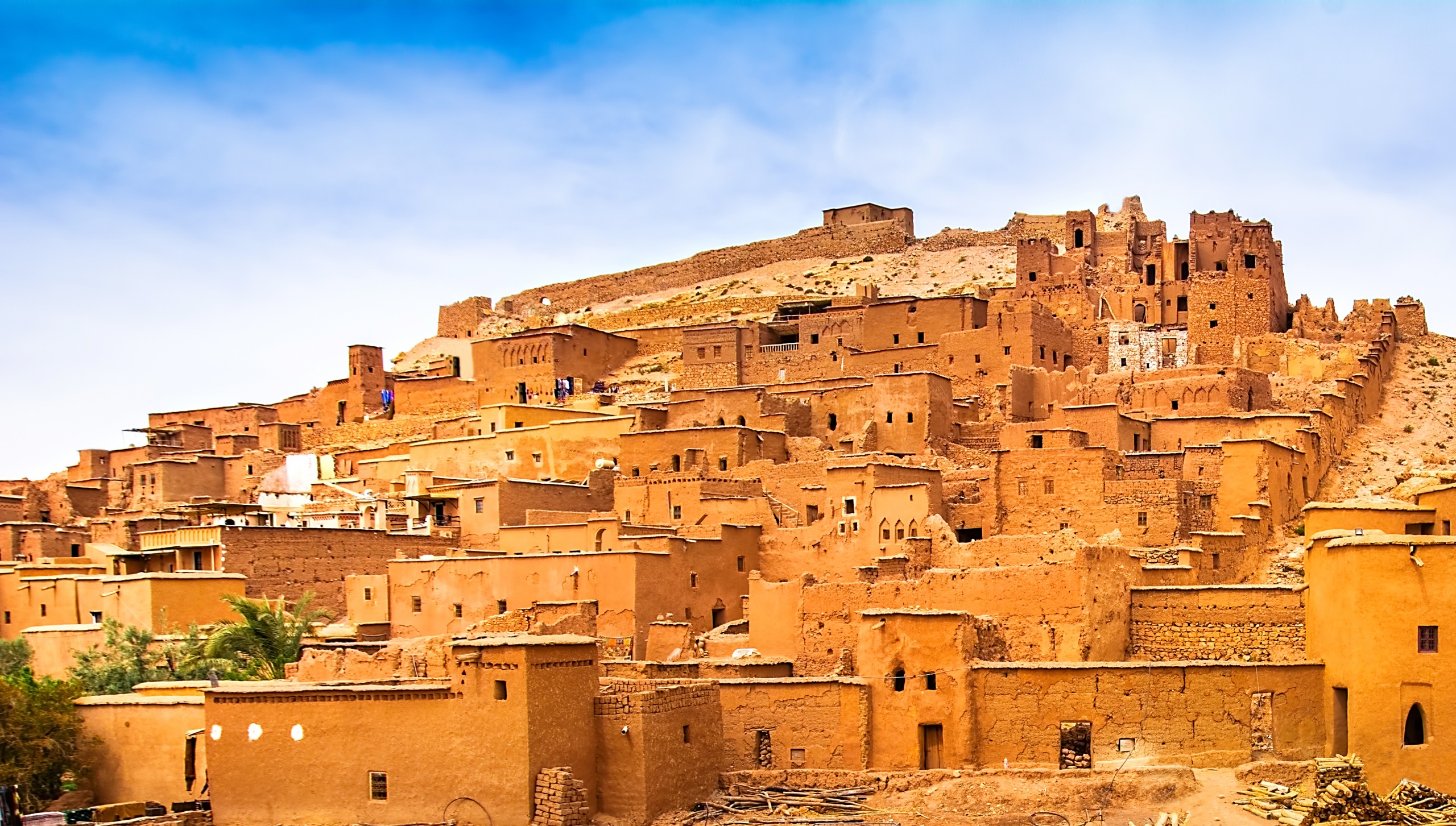
A fortified ksar located some thirty kilometers northwest of Ouarzazate, on the former caravan route linking the Sahara to Marrakech. Aït Benhaddou has been inscribed on the UNESCO World Heritage List since 1987. The site has undergone partial restoration and shelters, behind its rammed earth walls, a mosque, a well, a central square, dwellings and a communal granary (agadir), all accessible through a single gate. The ksar served as a location for numerous productions, including the film Le Thé à la menthe.
The kasbah of Taourirt
Located at the entrance to Ouarzazate, the kasbah of Taourirt was founded in the 17th century. It is among the largest in Morocco's south. It was the preferred residence of a pasha of Marrakech from the Glaoui tribe, who furnished it with ornate apartments. A visit reveals a maze of courtyards, narrow staircases and rooms decorated with painted ceilings and Moroccan zellij tilework. The crenellated towers flanking the building are characteristic of Berber military architecture.
The kasbah of Tamnougalt
More remote, in the Drâa valley near Agdz (roughly 100 km south of Ouarzazate), the kasbah of Tamnougalt is built in rammed earth. It served as a meeting place for sultanate authorities who administered the valley. Its interior preserves noteworthy decorative elements: carved wooden ceilings, painted motifs, formal reception halls.
The ksars of Amzrou and Tamgrout
Amzrou and Tamgrout, in the Drâa valley, house ksars still inhabited today. Amzrou is known for its former Jewish quarter (mellah) and jewelry craftsmanship. Tamgrout, further south, is renowned for its zaouïa, Quranic library and pottery workshops producing green-glazed wares. Visiting these settlements allows observation of earthen architecture still very much alive.
Practical information
- Access: the kasbah of Taourirt is located within Ouarzazate itself. Aït Benhaddou is accessible in 30 to 45 minutes' drive. Tamnougalt requires roughly 1.5 to 2 hours by the Drâa road route.
- Opening hours: Taourirt can be visited daily, with continuous daytime hours from morning through late afternoon. It's best to arrive early to avoid heat and tour groups.
- Admission: modest entry fees for Taourirt and Aït Benhaddou. Budget a tip if you engage a local guide on site.
- Duration of visit: allow 1 to 2 hours for Taourirt, 2 to 3 hours for Aït Benhaddou if you take time to climb to the agadir, and a half-day for Tamnougalt.
- What to wear: closed-toe shoes (rocky paths), hat and water, especially during warm season.
When to visit the kasbahs
The Ouarzazate region experiences a semi-arid climate: very hot summers (often over 95°F in July-August), mild winters by day but cool at night. The best periods for visiting the kasbahs span October through April, with particularly favorable light in late afternoon for photography. Spring offers the bonus of almond blossoms flowering in the Drâa valley.
What to see nearby
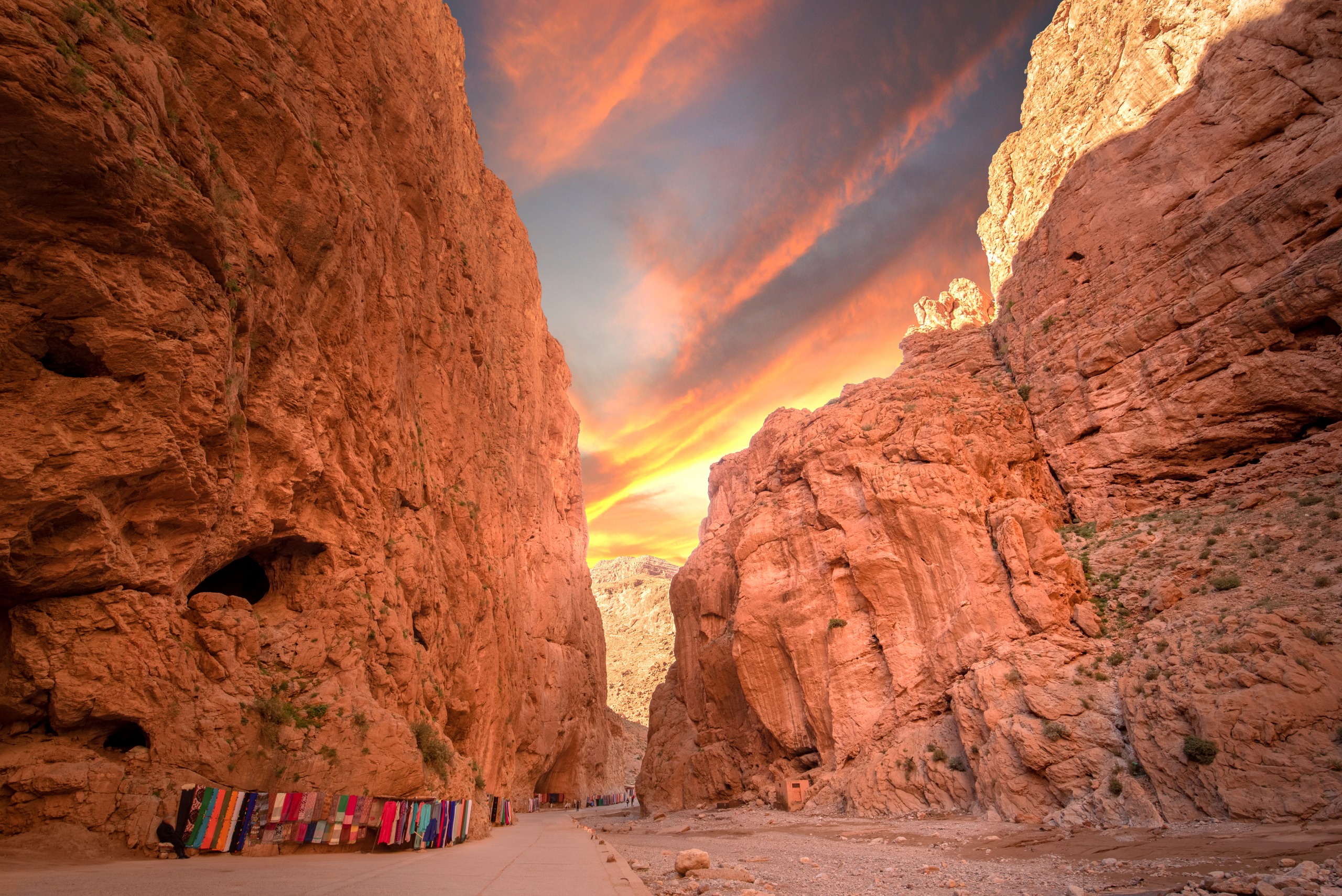
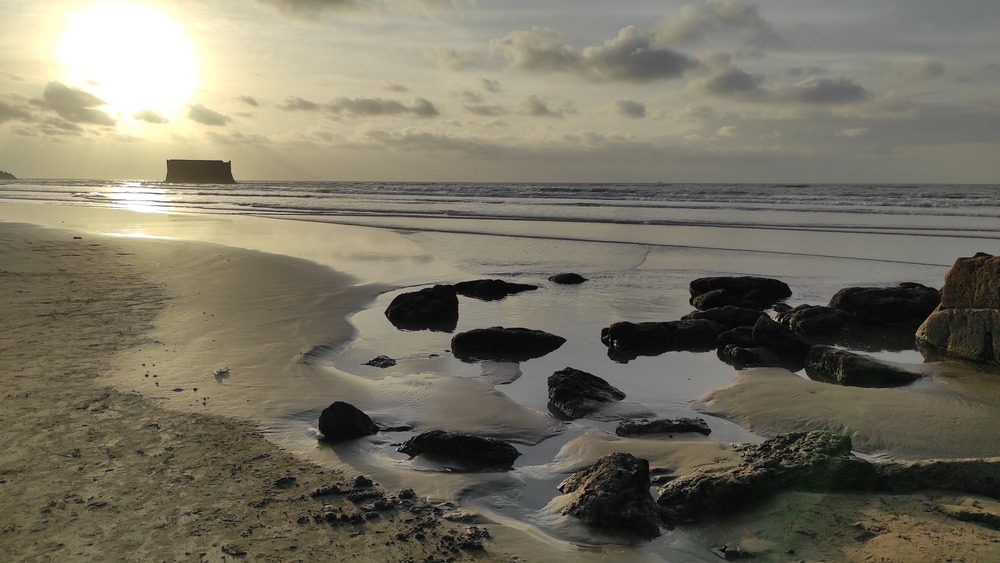
Ouarzazate serves as an ideal base for exploration. The city's film studios, nicknamed the "Hollywood of Morocco," complement your kasbah visits. Further east, the Dadès valley and its gorges offer spectacular landscapes. Architecture enthusiasts will extend their journey with the Ben Youssef Medersa in Marrakech or the Bahia Palace. In Fès, the Bou Inania Medersa rounds out this panorama of Moroccan Islamic art. On the southern coast, Fort Bou Jerif illustrates another facet of defensive heritage.
Frequently asked questions
Frequently asked questions
A kasbah is a family or tribal fortress, typically square in plan with corner towers. A ksar (plural: ksour) is a fortified village grouping several kasbahs and dwellings around shared features: mosque, well, square, communal granary, all protected by an enclosure with a single gate.
Yes. Aït Benhaddou has been inscribed on the UNESCO World Heritage List since 1987 as a remarkable example of rammed earth architecture in Morocco's south.
One day allows you to combine Taourirt and Aït Benhaddou. To include Tamnougalt and the ksars of the Drâa (Amzrou, Tamgrout), plan for two to three days based from Ouarzazate.
Yes. Many kasbahs have been converted into guesthouses, particularly around Aït Benhaddou, in the Dadès valley and in the Drâa valley. It is one of the finest ways to understand the architecture from within.
Plan your trip
The kasbahs of Ouarzazate fit naturally into a southern Morocco itinerary combining Marrakech, the High Atlas, the Drâa and Dadès valleys, extending toward the edges of the Sahara. To craft a bespoke journey, explore our Morocco travel experiences.
Interested in this visit?
We can include it in your personalised itinerary.