Rissani
Rissani
Ancient Sijilmassa and birthplace of the Alaouite dynasty, Rissani stands guard over the gates of the Sahara, between the palm groves of Tafilalet and the dunes of Erg Chebbi.
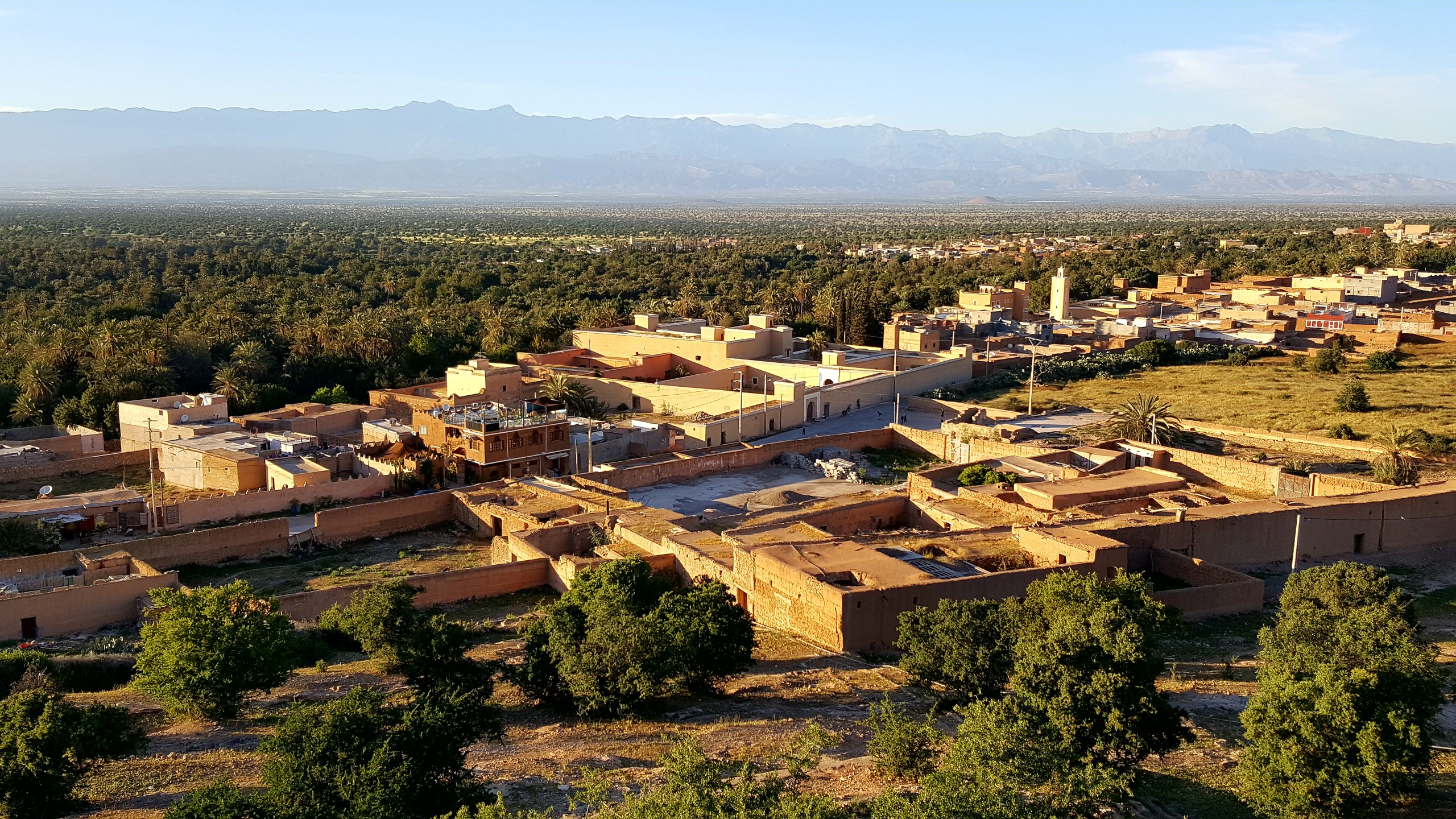
Rissani, also known as Moulay Ali Cherif, is a city in the Tafilalet region, in the eastern part of Morocco, close to the Algerian border. It nestles in the valleys of Ziz and Rheris, surrounded by palm groves. It is one of the key stops before reaching Merzouga and Erg Chebbi, a vast expanse of sand dunes located north of this small city.
History
Rissani was originally known as Sijilmassa, Morocco's most important caravan hub during the Middle Ages. Its trade with Africa focused primarily on gold, ivory, slaves and salt, sourced from Sudan and present-day Mali. Hassan al-Dakhil, the ancestor of the Alaouites who came from Arabia, is said to have established his residence in this city in the 13th century.
Rissani was also the capital of Tafilalet until this status was transferred to Erfoud, located approximately 23 km to the north. In 2014, its population was 20,469 inhabitants.
Discovering Rissani
Before entering Rissani, you'll discover the ruins of Sijilmassa, founded in 757 and which served as a major crossroads of trans-Saharan routes for several centuries. The city attracted merchants from distant regions such as Egypt and Iraq. At its height, it boasted around 600 kasbahs, the principal one housing the emir's residence. The city lost its importance when new terrestrial and maritime trade routes emerged. It was destroyed in 1393 by Berber tribes of the Ait Atta. Today, there is little to see on this archaeological site beyond a few remaining structures and mounds of collapsed walls. However, the site remains compelling due to its significant historical value.
Rissani is the birthplace of Moulay le Cherif, founder of the Alaouite dynasty. The mausoleum of this revered figure, dating from the 19th century, stands here as well. The monument features a monumental gate topped by a dome.
Ksar Oulad Abdlhalim, built in 1900 and once named "the Alhambra of Tafilalet," is located 1 km to the right of Rissani's zaouïa. It served as a centre for Alaouite studies and research into Moroccan history and heritage. However, the monument is currently in ruins.
Kasbah El Fida, constructed during the reign of Sultan Moulay Ismail, stands approximately 4 km from Rissani. The caliph of Tafilalet resided here until 1965. An ethnographic museum awaits visitors.
Numerous souks also take place in Rissani on Tuesdays, Thursdays and Sundays. If your visit coincides with one of these days, don't miss the Kasbah of Abou Am and its bustling souk, where you can purchase delicious dates and local handicrafts.
Around Rissani
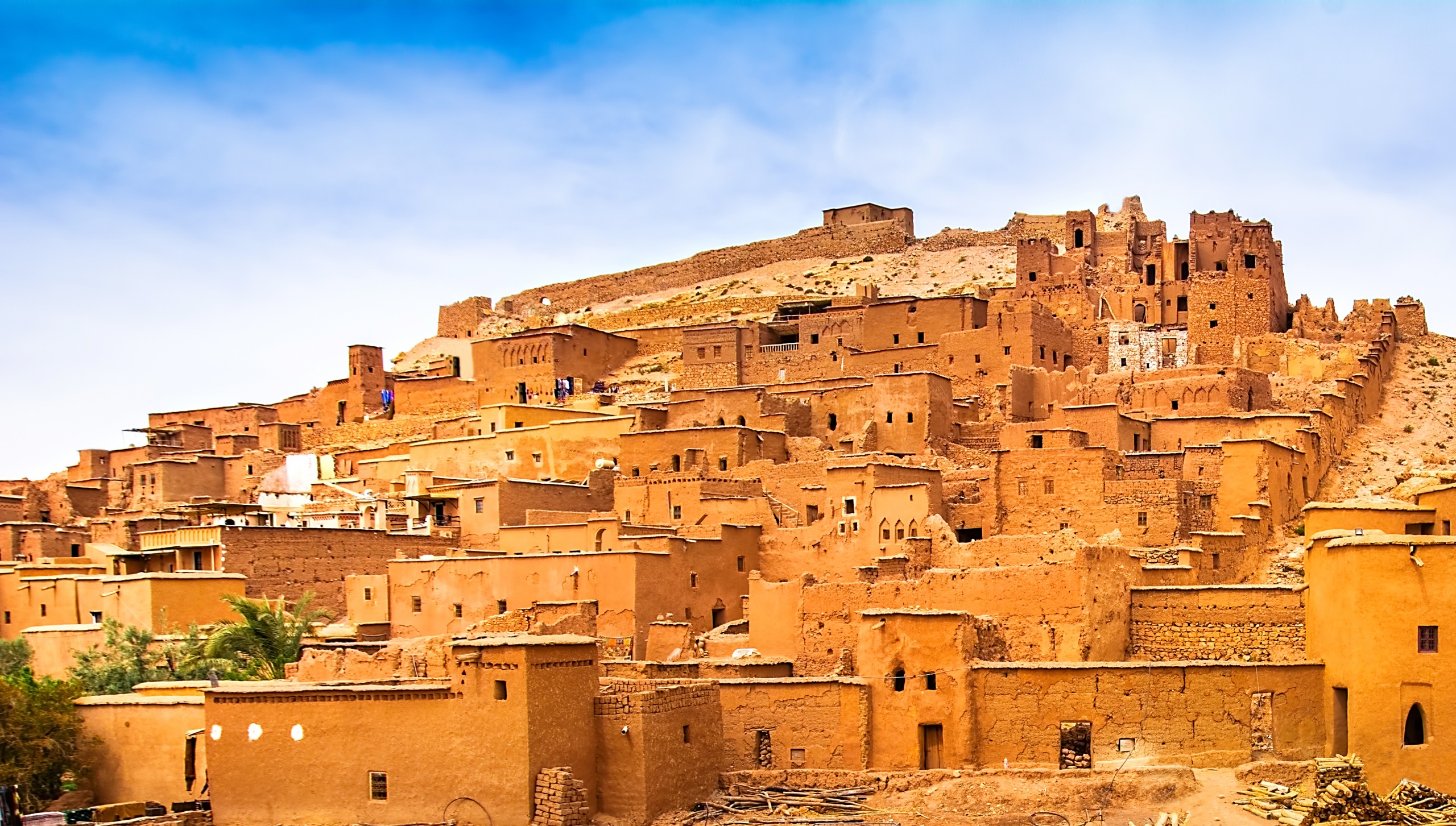
Several clay-built kasbahs stand in the surrounding areas of the city. They offer insight into the lifestyle of the local population, who have continuously interacted with the Touaregs of the Sahara. Notable examples include Kasbah Tighmert and the former palace of Dar Beida.
Approximately 5 km from Rissani stands Gara Medouar, also known as Jebel Mudawwar ("round mountain"), or Gara Mdouar or Mdoura. This horseshoe-shaped geological formation with a lunar landscape was transformed into a fortress with a military garrison in the 11th century. It likely protected Sijilmassa. Having served as a filming location for The Mummy (1999) and Spectre (2015), this natural curiosity has become a celebrated tourist attraction, particularly among off-road enthusiasts. The region is well-suited for this activity, with numerous marked trails crisscrossing the landscape.
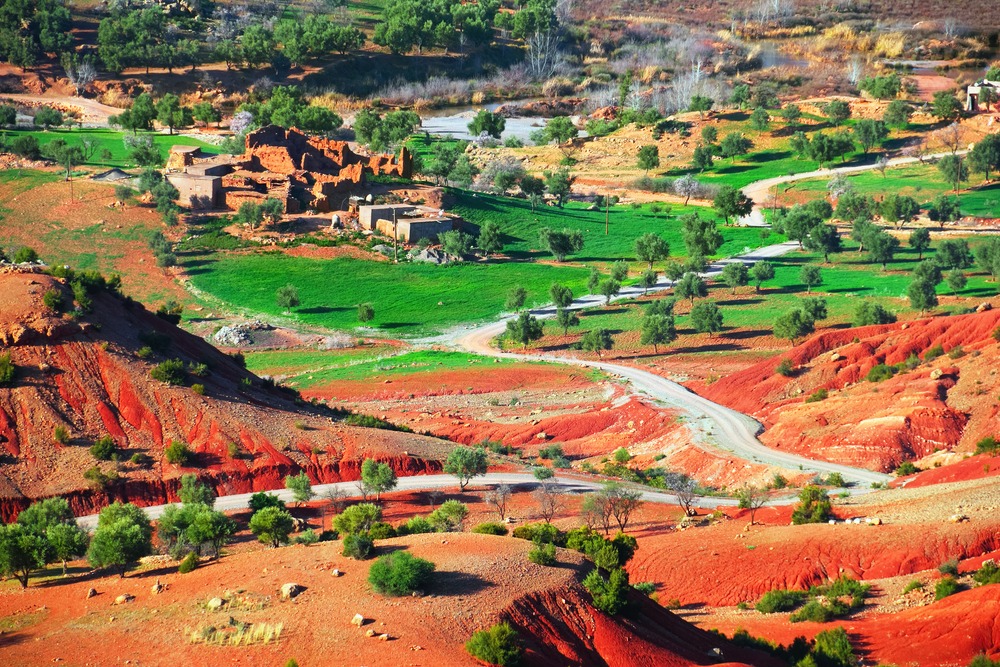
During your visit to Rissani, if you're curious, you can also stroll through the palm groves and discover its ancient irrigation system.
Practical Information
When to Visit?
The best time to explore Rissani is winter (November to February) and spring (March to May), when temperatures are less oppressive.
Rissani is accessible by bus from Erfoud and Tinghir. It is also possible to reach it directly from Marrakech or Ouarzazate, by taking a CTM or Supratours bus.
Attractions in Rissani
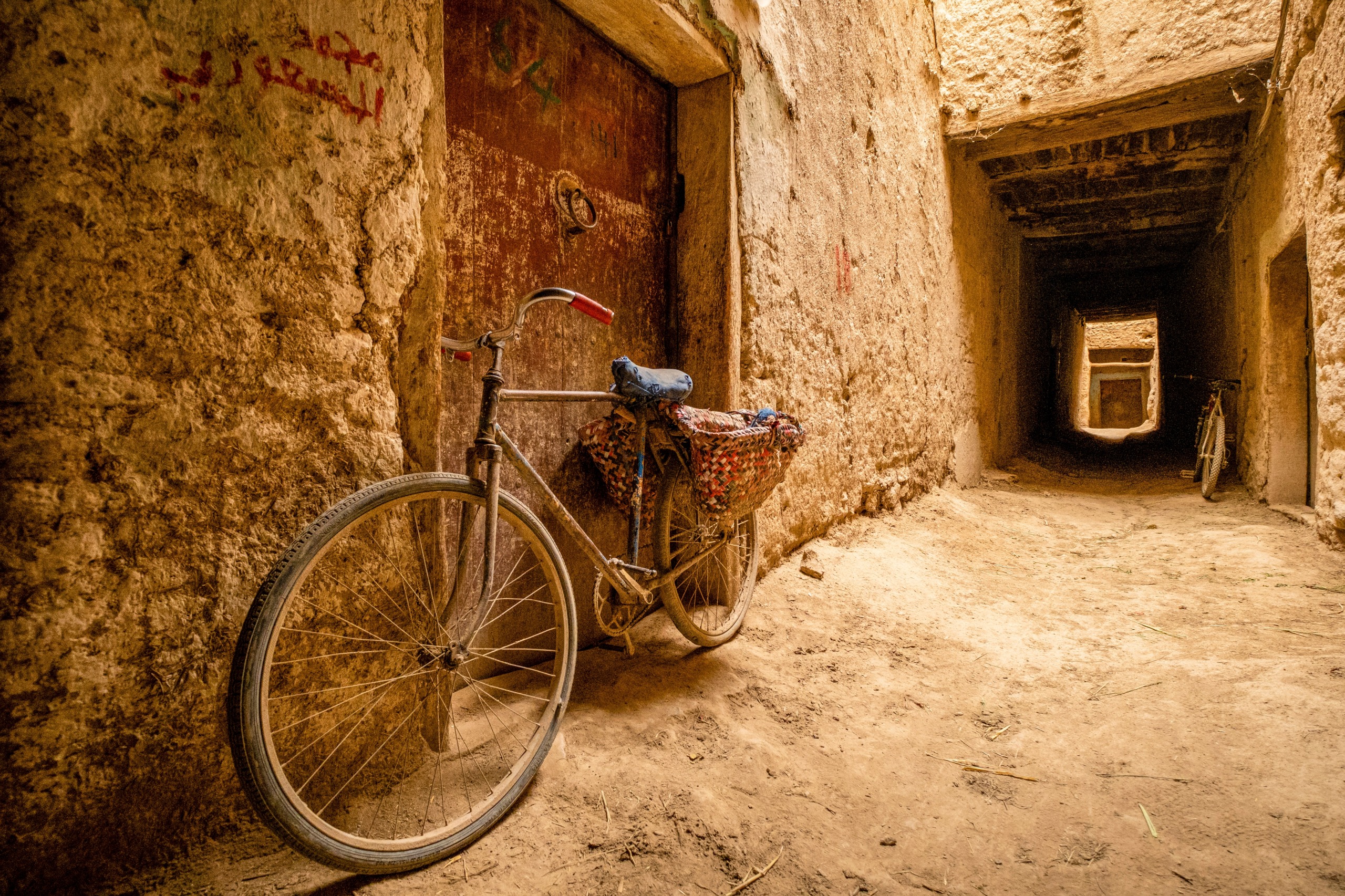
ksar el Fida
À 4 km de Rissani, le ksar El Fida (1854-1872) est une ancienne résidence de caïd transformée en musée, représentative des ksour alaouites du Tafilalet.
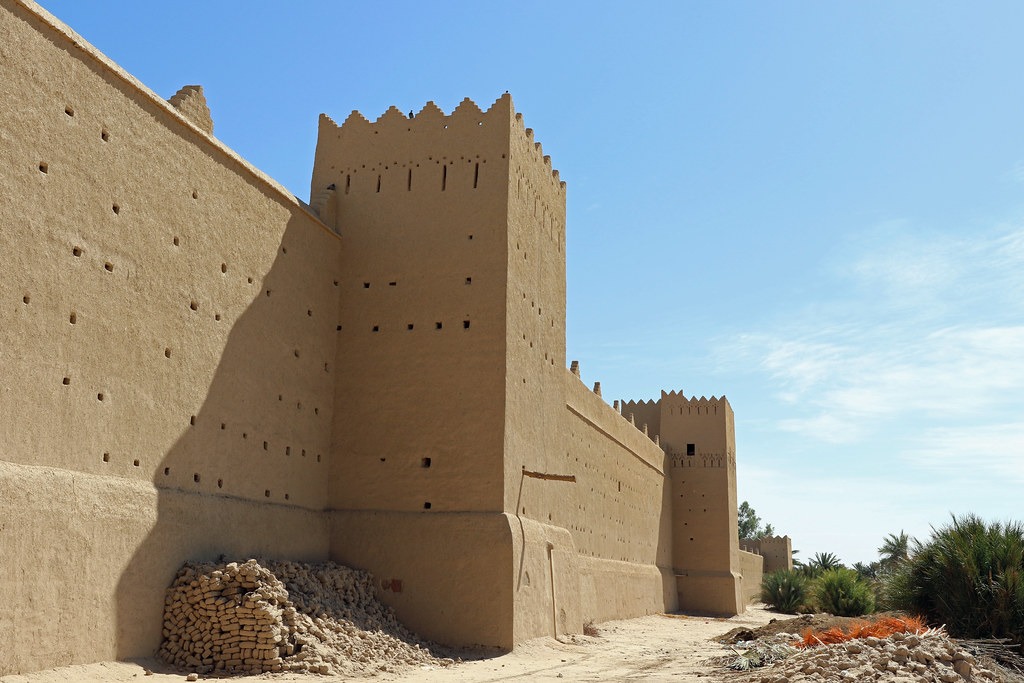
ksar Oulad Abdelhalim
À l'est de Rissani, le ksar Oulad Abdelhalim, surnommé « Alhambra du Tafilalt », est une résidence khalifale datant d'environ 1900, encore habitée.
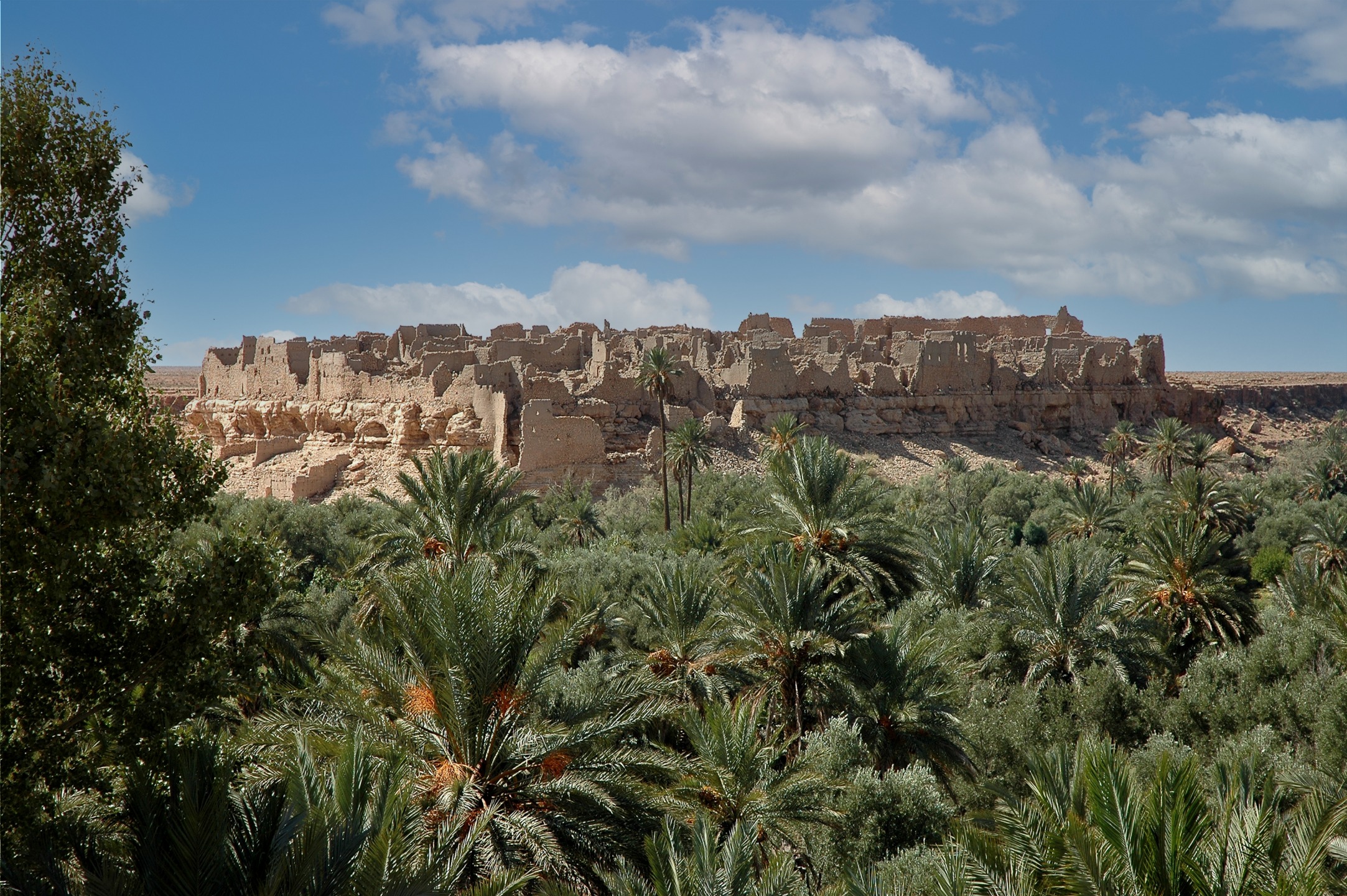
Sijilmassa
Ancienne cité caravanière du Tafilalet, Sijilmassa fut un carrefour majeur du commerce transsaharien. Aujourd'hui, un site archéologique près de Rissani.
Want to discover this destination?
Our local advisors design your tailor-made trip.