Tétouan
Tétouan
A UNESCO-listed medina, where Andalusian and Spanish heritage intertwine, bustling souks: Tétouan, the "White Dove" of the Rif, is the most authentic stopover in northern Morocco.
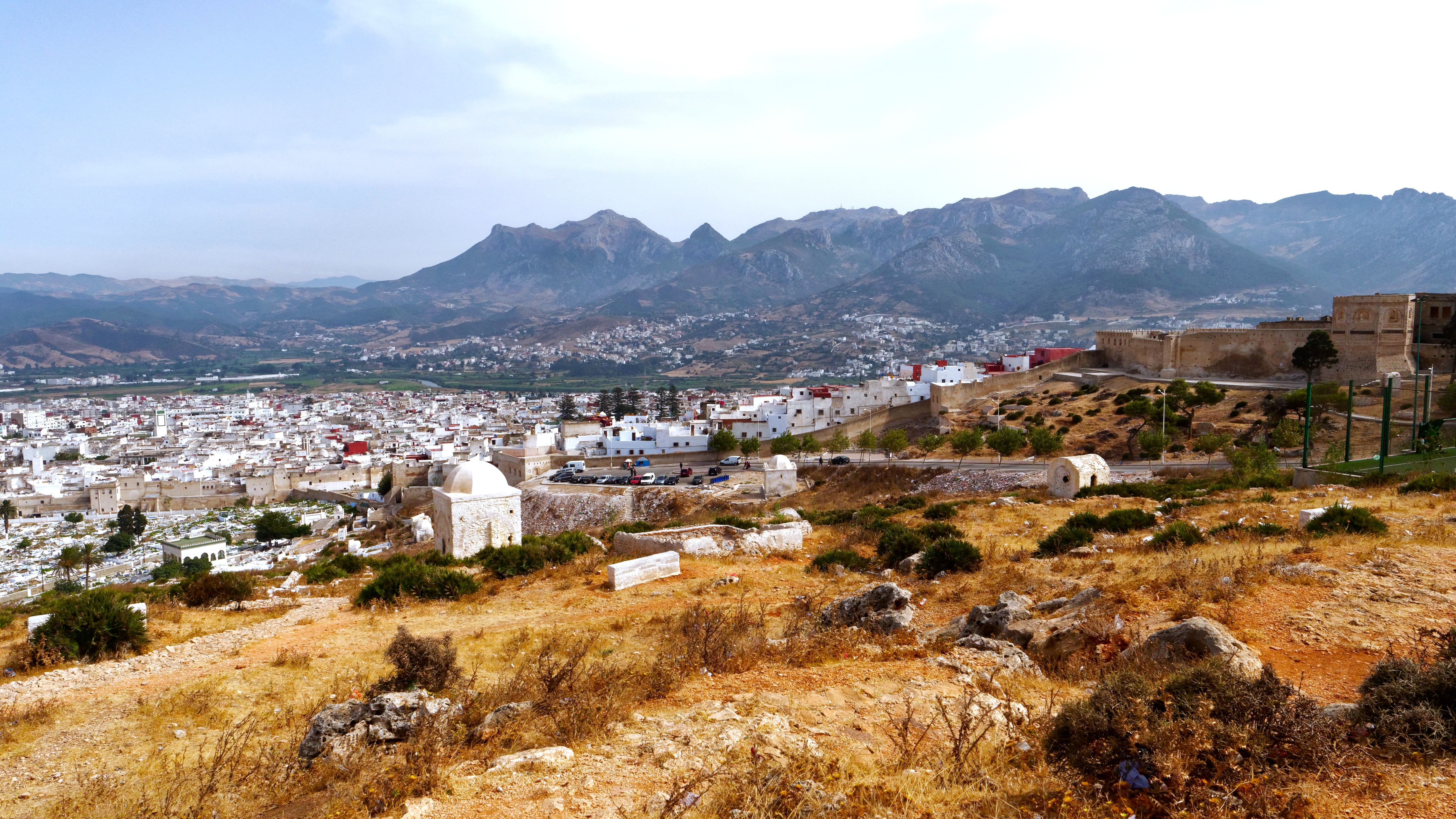
The city of Tétouan lies in northern Morocco. Located some 40 kilometers from Tangier, near the Strait of Gibraltar, nestled in the Jebala region, it is the capital of the Tangier area and its cultural center. The city is bordered by a mountain range located in the northern Middle Atlas, known as the Rif. This city dates back to the third century BCE. Ruins from the Roman and Phoenician eras have been discovered here. Tétouan is a place where three distinct architectural styles blend together: the Andalusian style that characterizes the Medina, the Spanish style, more prevalent in the squares and streets of the Ensanche district, and finally the outlying neighborhoods with a distinctly urban character. Its climate is Mediterranean, marked by two distinct seasons—October to May brings rain and humidity, while May to September is dry with average annual temperatures of 6°C during cold spells and 33°C during warm periods.
Tétouan boasts exceptionally rich cultural heritage. Spanish influence is evident throughout; Andalusian touches grace the houses. Street signs are written in both Arabic and Spanish, and residents speak both languages. The city is home to numerous enriching centers, including the General Library, the Museum of Moroccan Arts, International Language Centers, the Ethnographic Museum, which immerses you in the ancestral daily life of Tetouani people through arts, jewelry, weaponry, traditional clothing, Foreign Cultural Institutes, and Private Libraries and Archives such as those of Daoudiya, Bennouna, and Torrès. It also houses Abdelmalek Saadi University, which encompasses a diverse range of faculties including sciences, law, economics and social sciences, letters and humanities, as well as religious foundations, along with a higher normal school and a school of arts and crafts.
Another point of interest is the Mederssa Loukach, constructed in 1758 to accommodate students coming to study in the city. Today, it is a museum open to the public, showcasing a tolerant and modern form of Islam, its style breathing Italian and Spanish neoclassicism. Tétouan is a cradle of culture, knowledge, history, and the arts.
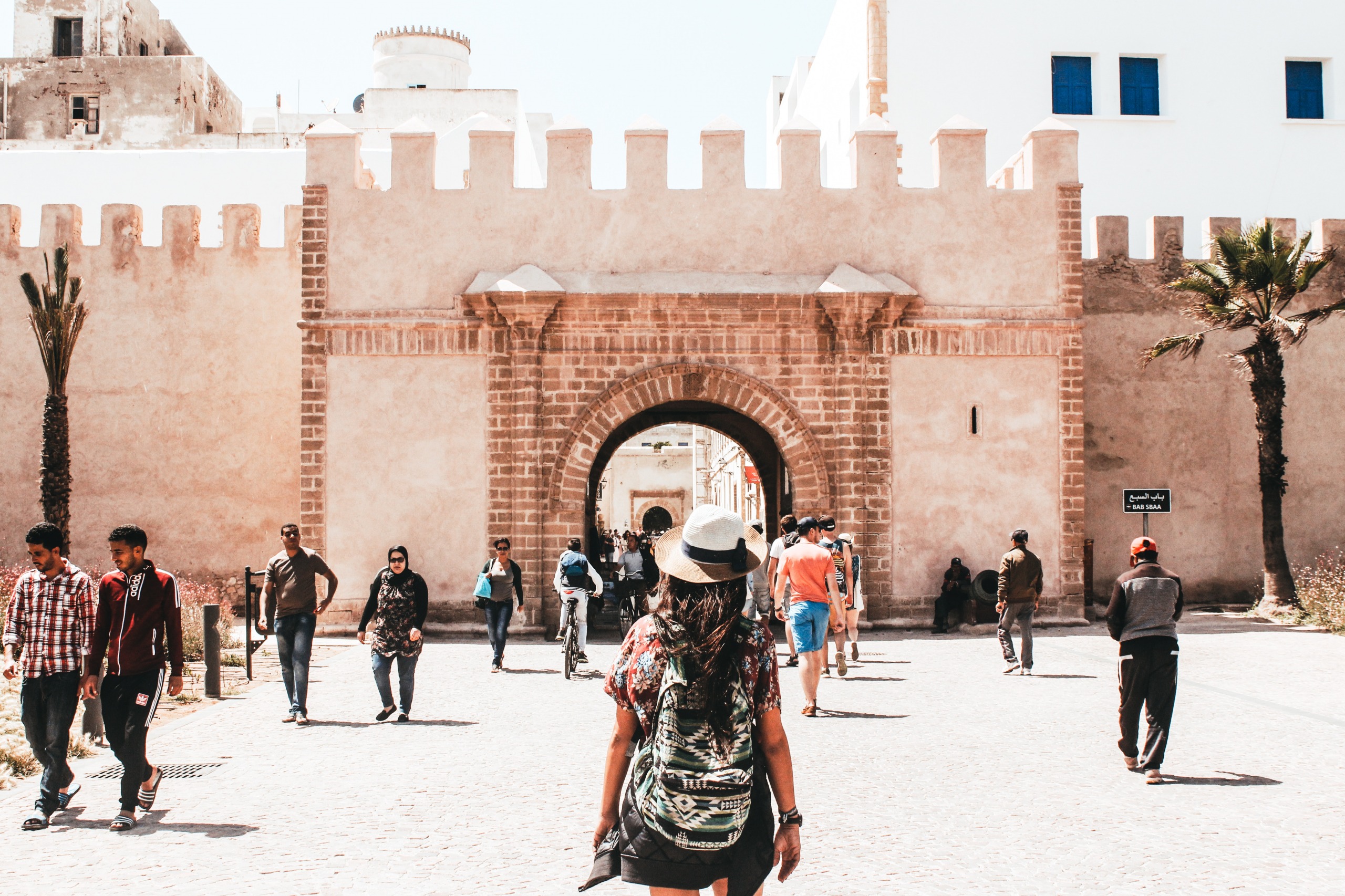
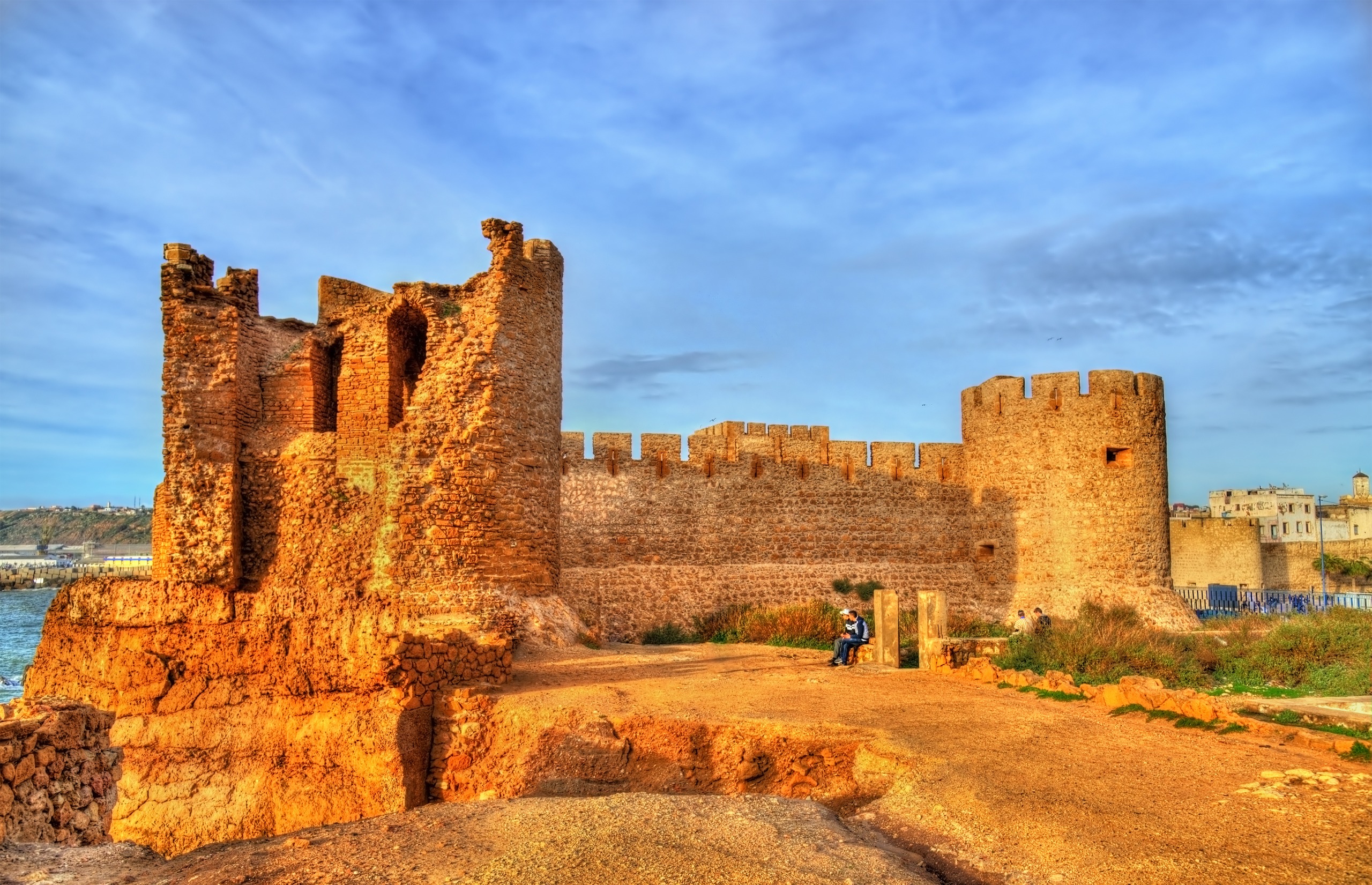
Beyond its cultural institutions, Tétouan is a city full of charm and surprises, where you can discover the Medina, divided into several quarters including Ribat al-Asfal, Ribat al-Aala, and Harat al-Balad. The latter is the oldest and best-preserved district. The ramparts of the Medina, the old city in Arabic, date from the late 15th century and it is enclosed within walls. Its narrow streets teem with activity, and numerous artisanal workshops fill them. A landmark of note is the Grand Mosque in the al-Balad quarter, with its roof and red tiles, its minaret decorated with mosaics from the city, and its semicircular courtyard. The minaret stands impressively tall, making it recognizable from any point within the Medina. Only Muslims may enter—it is a place of prayer visited multiple times daily. Nevertheless, it deserves to be seen, as it powerfully reflects Eastern religious culture. You can also enjoy pleasant walks through several natural sites around the city, such as Smir Lagoon, where you can admire numerous migratory bird species, and further south, you can hike along the routes of Oued Laou and Chaouen.
You can browse El Hots souk, a tree-lined square where artisans sell their wares—pottery, leather goods, tanning work, weaving, embroidery, ceramics, and jewelry. Or perhaps venture to the Mesdaa souk, renowned for its cheeses and spices, or Saquia El Fouqia, where you'll find some of the region's typical clothing. Many young people are initiated into these artisanal practices to perpetuate tradition. Enjoy a moment of rest beneath an immense ancient rosebush covering an exquisite mosaic fountain in the picturesque Usaâ square, and don't miss a visit to Hassan II square, which houses the royal palace from the 17th century. Tétouan—a vibrant city, a place of manifold discoveries, cultural and human enrichment.
A multifaceted city, you can attend numerous festivals such as the International Lute Festival of Tétouan, the International Comic Book Festival, or the "Women's Voices" International Festival. Or perhaps you're drawn to music such as Andalusian music, Algerian music, or the rural mountain music of the region. A culinary pause to savor numerous Andalusian, Jewish, Riffian, or Fassi specialties such as chicken with prunes. Moroccan cuisine is renowned for its sweet-savory combinations—chicken accompanied by dried raisins perfumed with caramel, sfiria, a meat dish adorned with chickpeas and bread croquettes, lemon pastilla, scalloped gazelle horns, tagine, couscous, and countless other delicacies, each more delicious than the last, spiced and fragranced with multiple condiments that accompany all these dishes, guaranteed to awaken your palate. Numerous hotels are also at your disposal, with magnificent Oriental architecture, warm hospitality, and undeniable charm.
Tétouan—a splendid city, full of surprises, where wonderful colors shimmer, intoxicating aromas waft, heady fragrances perfume the air, idyllic places beckon, and majestic, astonishing architecture astounds.
Want to discover this destination?
Our local advisors design your tailor-made trip.