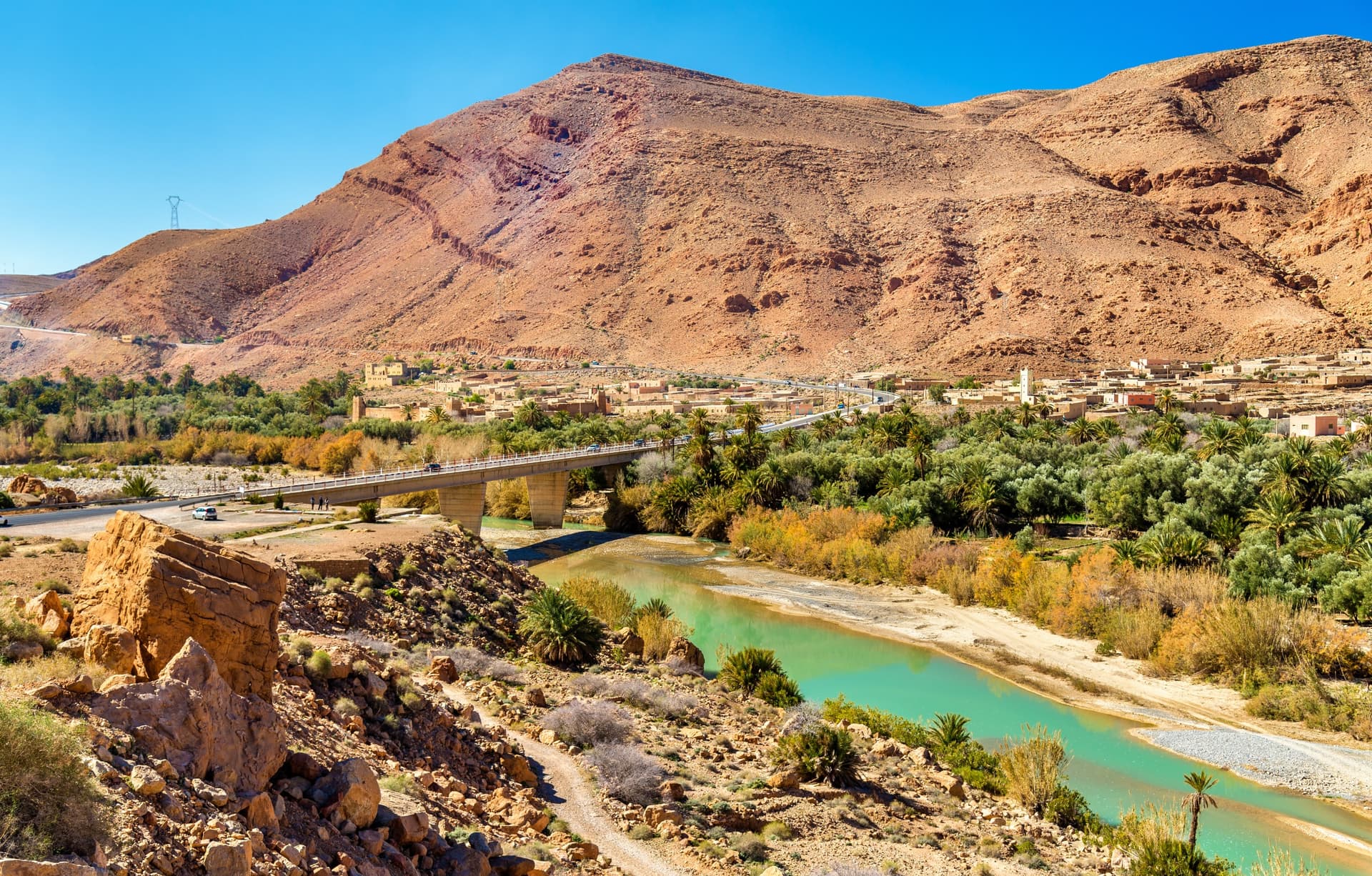
Errachidia Province
Errachidia province offers a natural environment rich in contrasts, as well as a journey through time across its historical and cultural heritage. Step into the shoes of a Tuareg and set off on an adventure!
Errachidia province offers a natural environment rich in contrasts, as well as a journey through time across its historical and cultural heritage. Step into the shoes of a Tuareg and set off on an adventure!
History
Errachidia province was established in 1956 in the far southeastern corner of Maroc. To the East lies Figuig province. To the West are Azilal and Beni Mellal provinces. Boulmane province extends to the North, while to the south, Errachidia is bordered by the Maroc-Algerian frontiers.
The Arabs once called the region Ksar Es-Souk. The Berbers, for their part, used the name Imetgharen. It was in 1975 that the province received its current name, Errachidia, in honor of the Alaouite prince, the youngest son of King Hassan II, Moulay Rachid ben El Hassan. Several members of the Moroccan royal family still live in the capital city by that name to this day.
Tafilalet: Cradle of the Alaouite Dynasty
Errachidia province is home to Tafilalet, one of Maroc's principal historical regions. Known as the country's largest oasis, it is also the birthplace of the Berber queen Tin Hinan, whom the Tuaregs honor as their original ancestress. In the Middle Ages, Tafilalet was an important crossroads on the trade routes for gold, spices and salt, as well as the slave trade from Balad es-soûdân or Land of the Blacks (Niger, Mali and regions of the Gulf of Guinea). It is in Tafilalet that the mythical city of Sijilmassa is found, where the Alaouite dynasty was born in 1631. The current King of Maroc, His Majesty Mohammed VI, is a direct descendant of the dynasty's founder, Moulay Ali Charif (1588–1659).
Discovering Errachidia
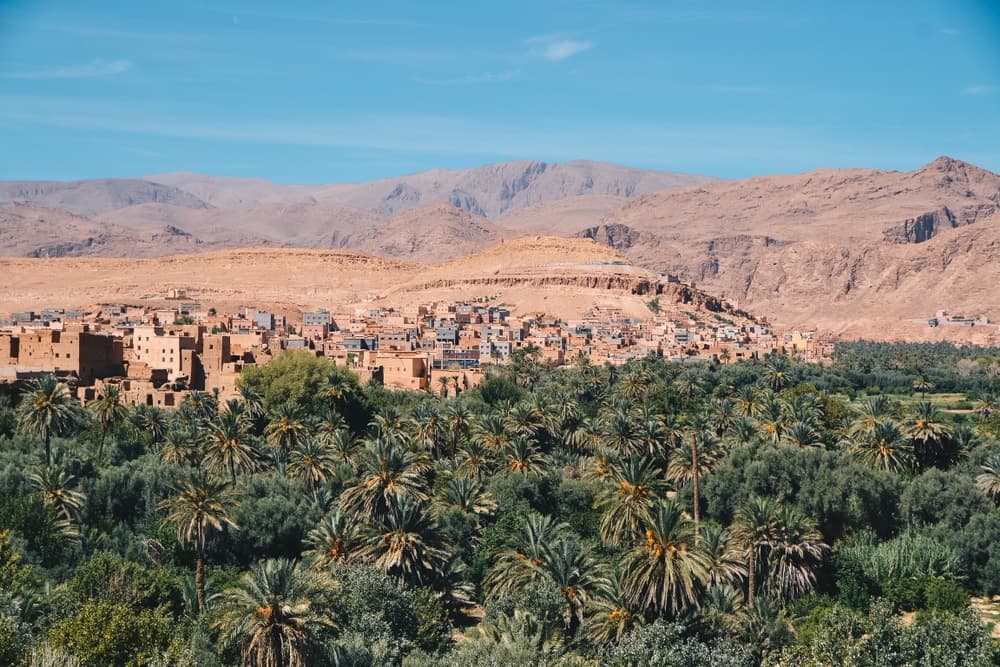
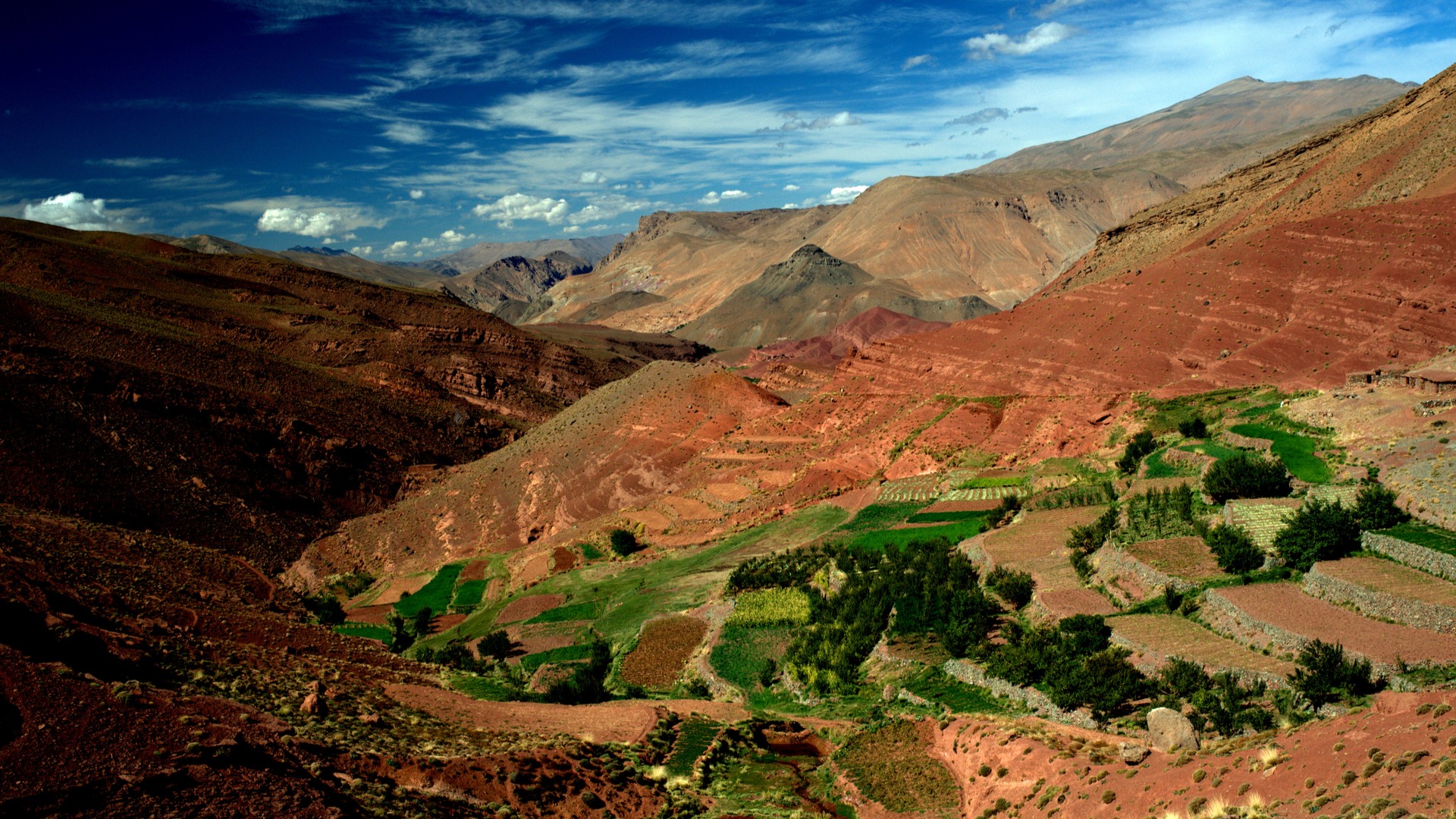
In Errachidia province, you will pass through vast arid zones, then expansive date palm groves. The most intrepid explorers can continue toward the snow-capped Atlas peaks and the enchanting dunes of the Moroccan desert. The epic may seem arduous, but fortunately the Ziz Oueds, Guir and Ghris wind their way through the province and lead to the great Tafilalet oasis where you can enjoy a much-needed respite.
Land of Stories
The various tribes that have lived in Errachidia province have created an impressive mosaic of people and traditions, particularly throughout greater Tafilalet. Visit the ruins of the legendary city of Sijilmassa, founded in the 7th century. The former commercial and cultural capital of Maroc was long the center of exchanges with sub-Saharan Africa, the Maghreb, the Orient and Europe.
Scattered throughout the province, historical monuments and mausoleums speak to Errachidia's prosperous past. Among the major attractions, you will find:
- The Ksours: fortified villages typical of North Africa, the most important of which are the site called ksar el Fida (the oldest of the Alaouite Ksours in Tafilalet), the ksar Oulad Abdelhalim (the administrative seat, judicial center and war council meeting place in the time of Moulay Rachid) and the ksar Abouaam (a major cultural center during the era of Sultan Moulay Ali Cherif);
- The Abou Salem Library
- The Moulay Ali Cherif Mausoleum
The provincial capital Errachidia
The province's namesake capital, Errachidia, was developed in the early 20th century by the French Foreign Legion. It has retained its military character even after the declaration of Maroc's independence. Many soldiers still patrol the city to monitor the border with Algeria.
The city of Errachidia is rapidly expanding. It has a recognized university with a multidisciplinary faculty. In the city center, around the bus station, you will find all the necessary daily services: post office, banks, shops, etc. There is a small covered market; visit on Sunday, Tuesday or Thursday to discover the best of local produce. Unlike its surroundings, the city lacks large examples of traditional local architecture.
While days in Errachidia are rather quiet due to the sun, evenings present a different atmosphere. Families emerge from their homes to stroll around the "roundabout" and enjoy the coolness of the gardens at the foot of date palms. But if you truly wish to see Errachidia come alive, plan your visit for May, when its theater hosts the famous Desert Festival, featuring artists from across the Sahara.
Errachidia is the departure point for many exciting excursions, including the sand dunes of Merzouga, the palm groves of Goulmima and Ziz, Lake Tifounacine, the Gheris valley, the blue spring of Meski, as well as mountains reaching over 3,200 meters in altitude. Just 12 km away, you will find the Hassan-Addakhil dam reservoir, which with its green waters and scarlet earth dam, makes for a great photo spot. Further on, the towns of Rich (60 km to the north) and Erfoud (70 km to the south) reveal another face of traditional Maroc. Time seems to have stood still in these localities; you will often encounter mules, horses and donkeys in the streets.
Practical Information
When to Visit?
Errachidia is nicknamed "The province of 330 days of sunshine." The region inherits a semi-desert climate with strong continental influence. Temperatures are characterized by wide variations, both seasonal and daily. Throughout the year, the thermometer averages 20°C. It rarely rains in Errachidia, averaging 25 days per year with a precipitation rate of 120 mm.
Errachidia sits on National Road 10, which connects Agadir to Bouarfa, passing through the cities of Taroudant and Ouarzazate. The province has an airport connected to Casablanca, though its activity is generally limited to periods of events or private travel.
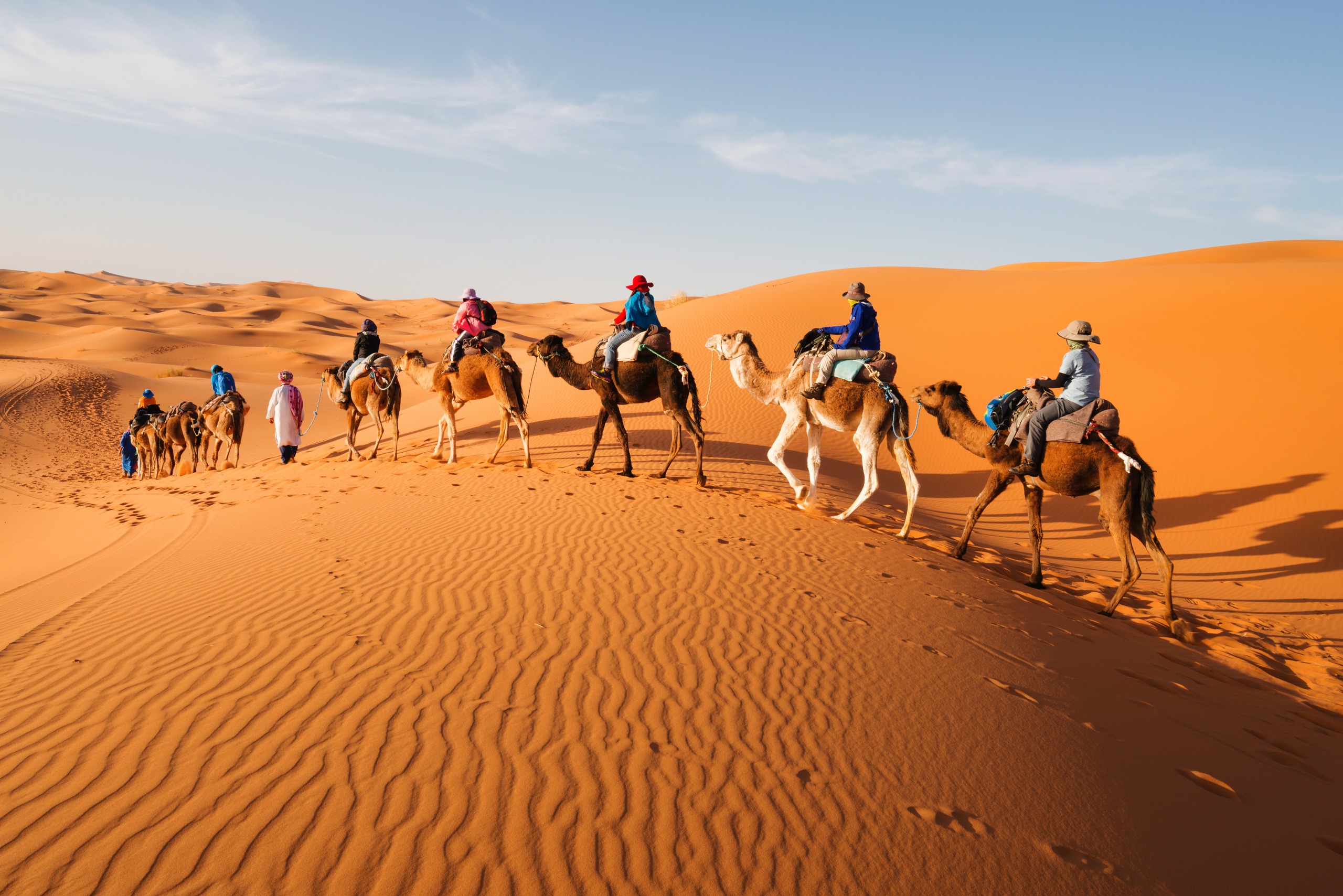
Depending on where you are, you can travel by quad, motorcycle, car or camel (or simply on foot) within Errachidia province.
What to Do in Errachidia?
- Rejuvenate yourself in the Tafilalet oasis
- Visit the provincial capital Errachidia
- Explore the sand dunes of Merzouga
- Organize an excursion to Hassan-Addakhil lake
- Attend the Desert Festival in May, etc.