Oujda
Oujda
Fifty kilometers from the Mediterranean and at the gateway to Algeria, Oujda blends Andalusian heritage, Gharnati music and popular cuisine in an off-the-beaten-path Morocco.
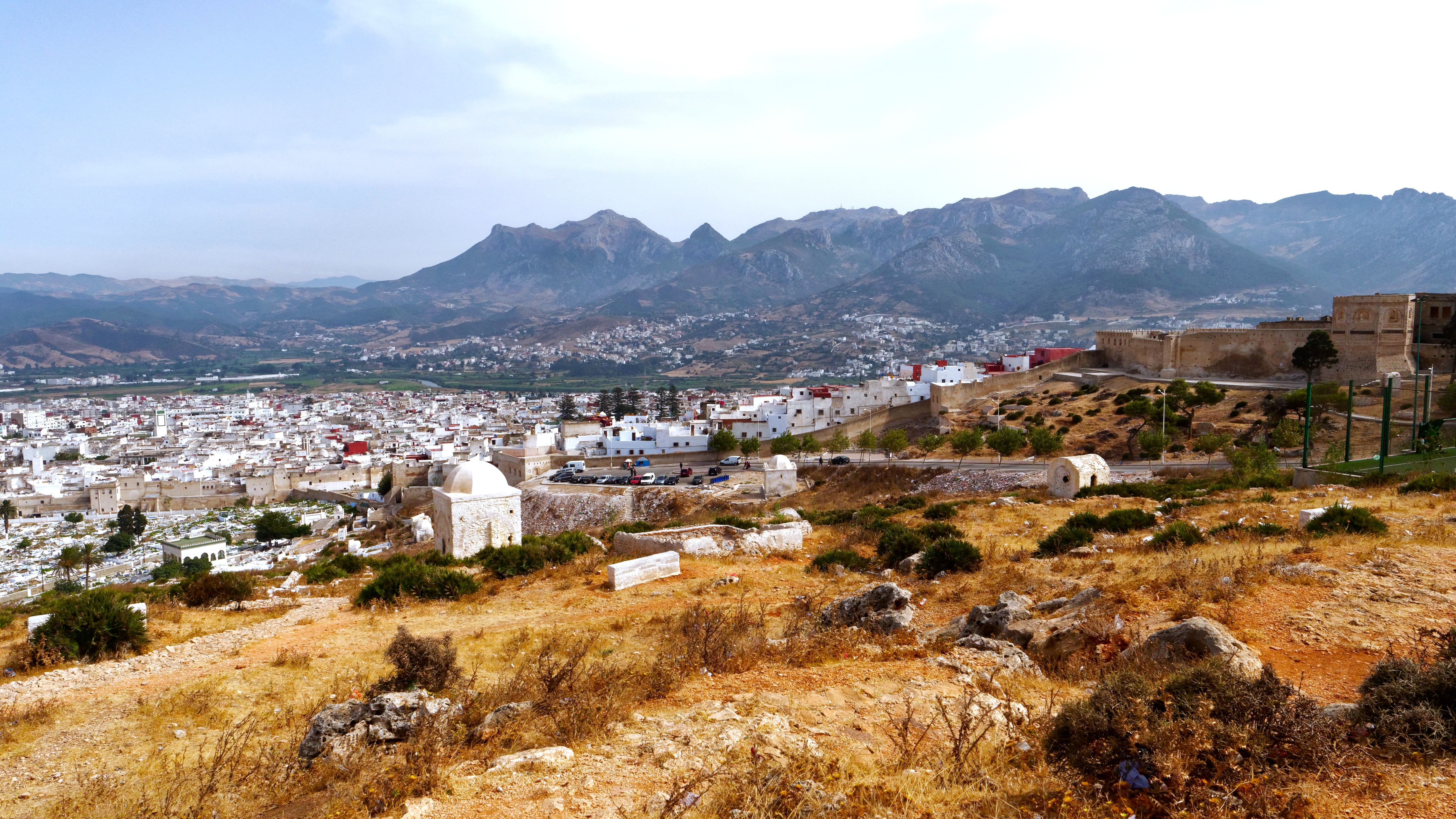
The city of Oujda is located in northeast Maroc approximately fifty kilometers from the Mediterranean coast, near the Béni-Snassen mountains and Algeria. Oujda is the administrative capital of the Oriental region and stands as a crossroads between Maroc, Europe and Algeria.
Oujda is home to approximately one million inhabitants and charms many visitors with its Mediterranean climate, culinary and architectural traditions. Access to Oujda's Medina was historically through three gates: Bab Sidi Abdellouahab, an ogive-shaped gate where rebels once displayed the heads of their enemies, the northern gate of Bab El Khemis, and Bab Oulad Amran which opens directly onto the main street. Once a week, Oujda comes alive with the souk held near Bab Sidi Abdellouahab, outside the Medina's walls. Oujda's Medina is composed of numerous monuments, notably three mosques, a medersa, three synagogues and palaces. Though few tourist facilities are present, the Medina of Oujda is truly worth exploring and will charm any visitor.
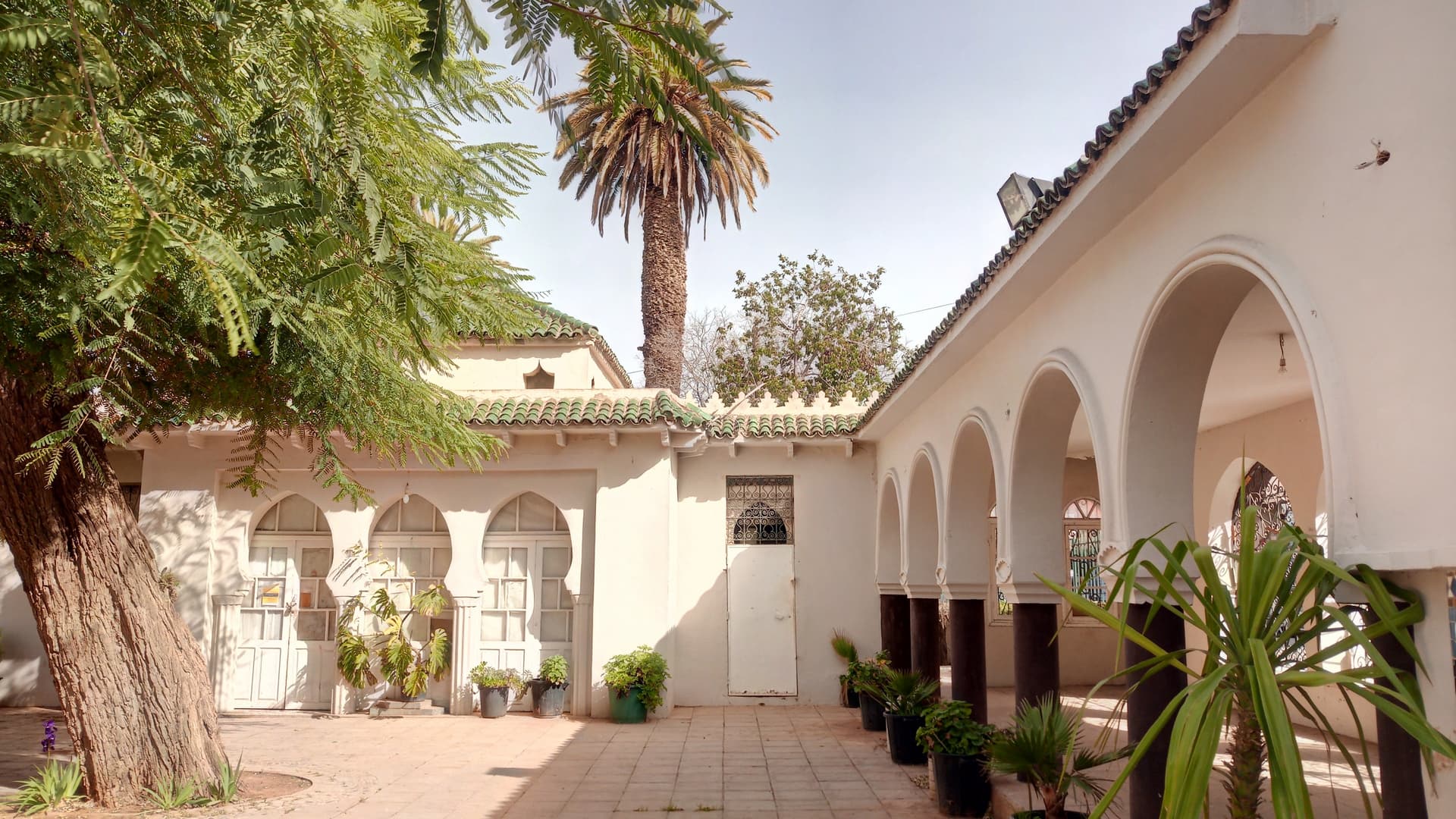
Passersby will be captivated by the beauty of Dar Sebti Palace, one of the city's finest palaces built in 1938 and undergoing numerous renovations and restorations. Today, this palace serves as the headquarters of the Centre for Studies and Research on Gharnati Music and is also a venue for cultural events hosting numerous celebrations such as wedding ceremonies, receptions and exhibitions. Beyond this stunning palace, Oujda offers its visitors magnificent gardens that cannot fail to impress. Lalla Meriem Park is a prime example, housing a museum within its grounds.
Oujda is also one of Morocco's cities where traditions run deepest, and its gastronomy reflects this heritage. It is impossible to visit Oujda without being captivated by its rich traditional gastronomy. Here you can taste typically Moroccan dishes as well as dishes that spring entirely from the city's own culture, such as the popular Karane. This is a dish made from chickpea flour and is a legacy of the Muslim Andalusians and Jews, enjoyed with Barida, a refreshing citron-based beverage. You can also find Boubbouche, a spiced snail dish worth tasting.
Want to discover this destination?
Our local advisors design your tailor-made trip.