Meknès
Meknès
Discover Meknès, the most understated of Morocco's imperial cities: its Alaouite ramparts, peaceful medina and direct access to the Roman site of Volubilis.
Meknès is one of Morocco's most significant cities and home to over 840,000 inhabitants across an area of 94 km², making it one of the kingdom's major urban centers. Its metropolitan area approaches a million residents when accounting for the agglomeration and rapid demographic growth. The city takes its name from the Berber tribe, Meknessa, who founded it in the 9th century, likely building upon a fortified village from the 8th century. The city became a military stronghold in the 11th century under Almoravide rule, then in the late 12th and early 13th centuries it was almost entirely destroyed before being completely rebuilt with powerful fortifications and grand places of worship. During the 14th century, the Merinids further embellished the city, which grew increasingly prosperous.
In the 17th century, Meknès underwent a dramatic transformation and became the kingdom's capital under the dominant Alaouite dynasty. Today it stands as one of four imperial cities of the realm—living repositories of Moroccan monarchy. The city never experienced foreign occupation, so secure was its position due to its political and economic significance. It was only during the French presence in the kingdom in the first half of the 20th century (1912–1915) that Meknès saw some changes.
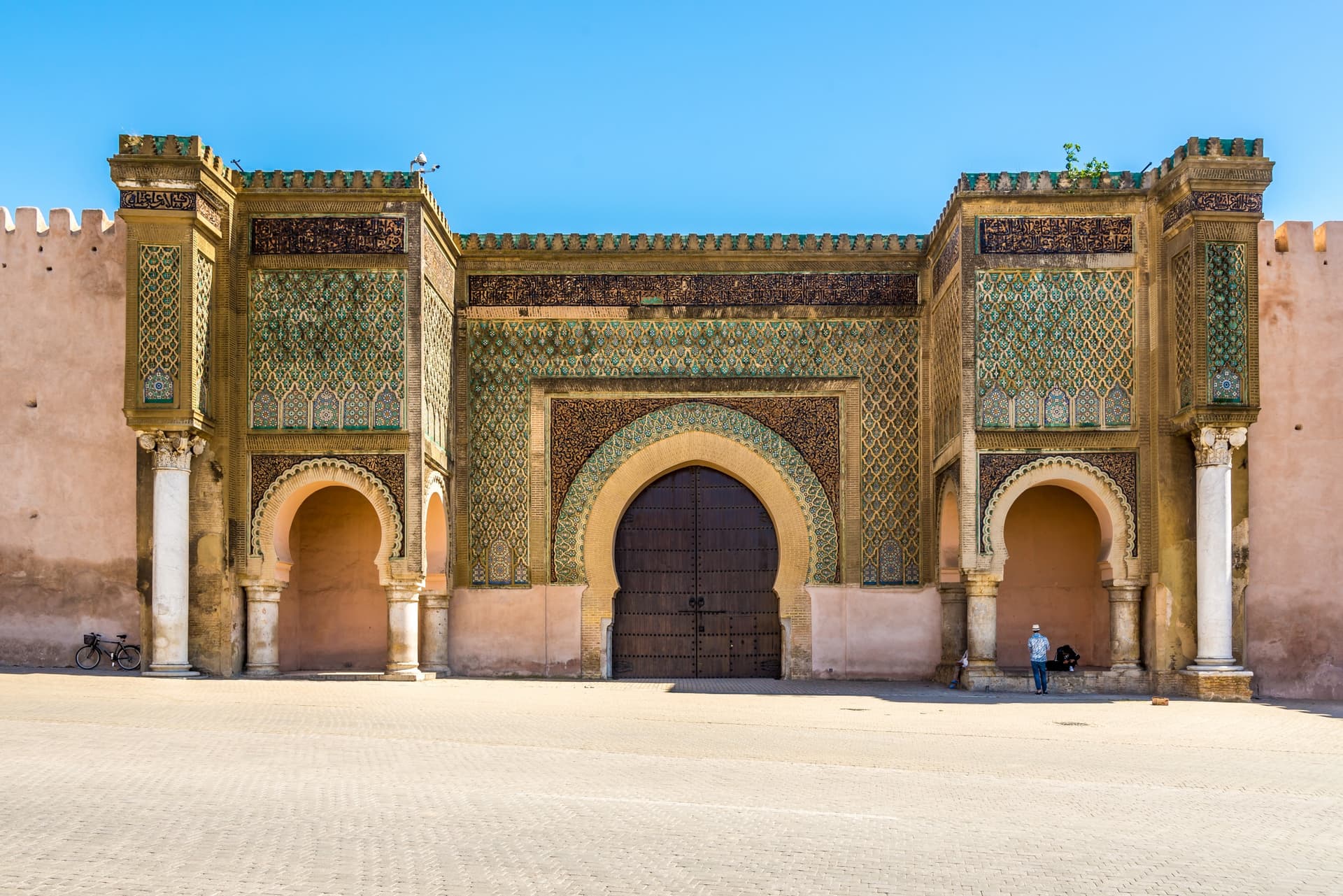
Tourism flourishes here naturally, for Meknès is an abundant source of wonders. Once nicknamed by the French the "little Versailles" or the "little Paris," this city is undoubtedly one of Morocco's greatest treasures. Visitors will delight in exploring the mausoleums of powerful sovereigns, numerous museums, and the many monumental gates reminiscent of the gates of Babylon itself. There's the Dar El Makhzen palace, splendid gardens, and the royal golf course for enthusiasts. Multiple annual festivals animate Meknès, including the International Animation Festival in April, theater festivals, urban dance competitions, and the Fantasia Festival in September. Meknès holds such significance that it features on UNESCO's World Heritage list.
Its economic importance is equally evident—the city is regarded as Morocco's agricultural capital and annually hosts the International Agriculture Fair. Its blend of Mediterranean and oceanic climate is particularly idyllic. Thanks to its strong appeal, Meknès, the imperial pearl of Morocco, continues to experience robust growth in commerce and traditional craftsmanship.
Want to discover this destination?
Our local advisors design your tailor-made trip.