Tarfaya
Tarfaya
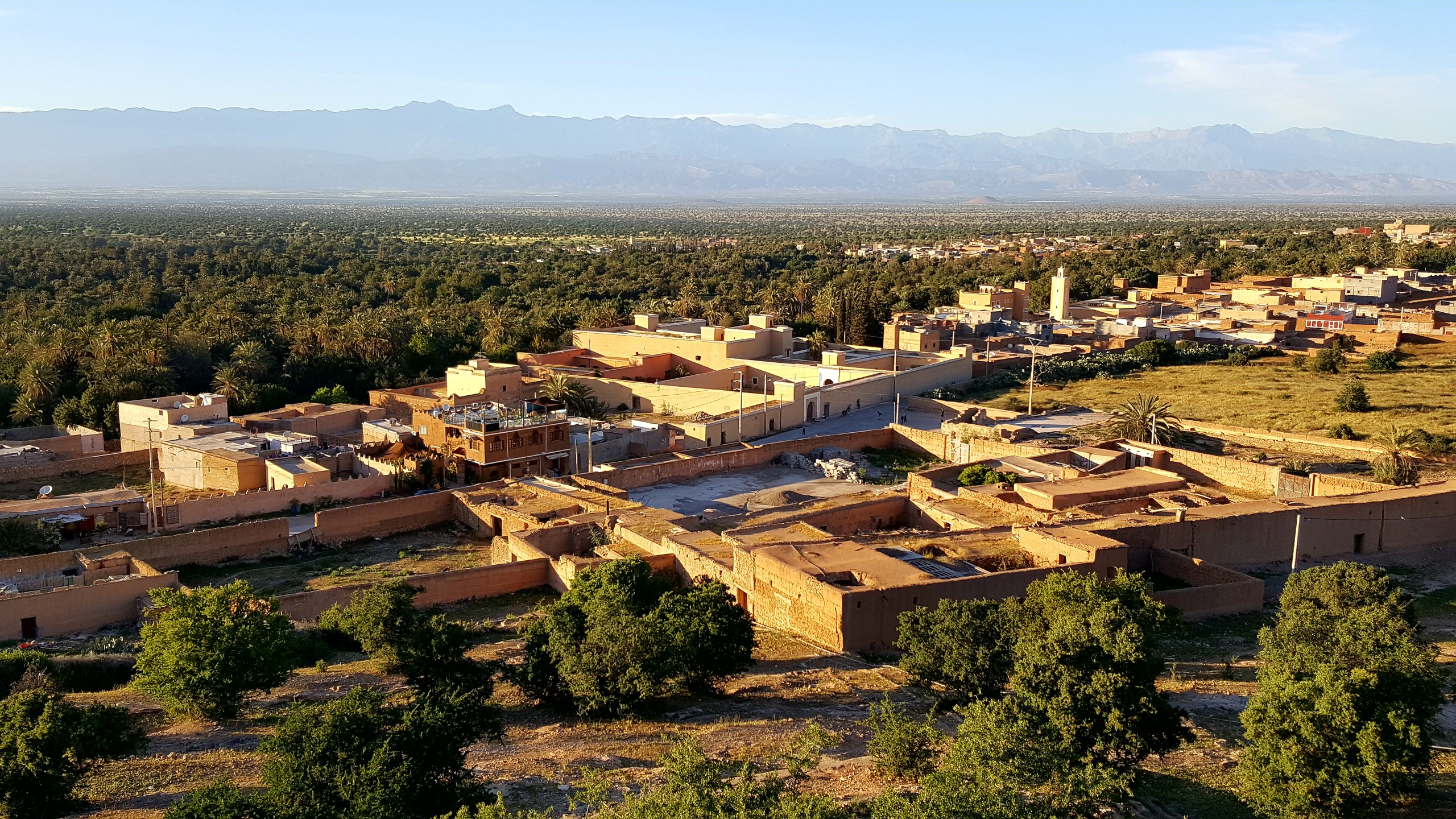
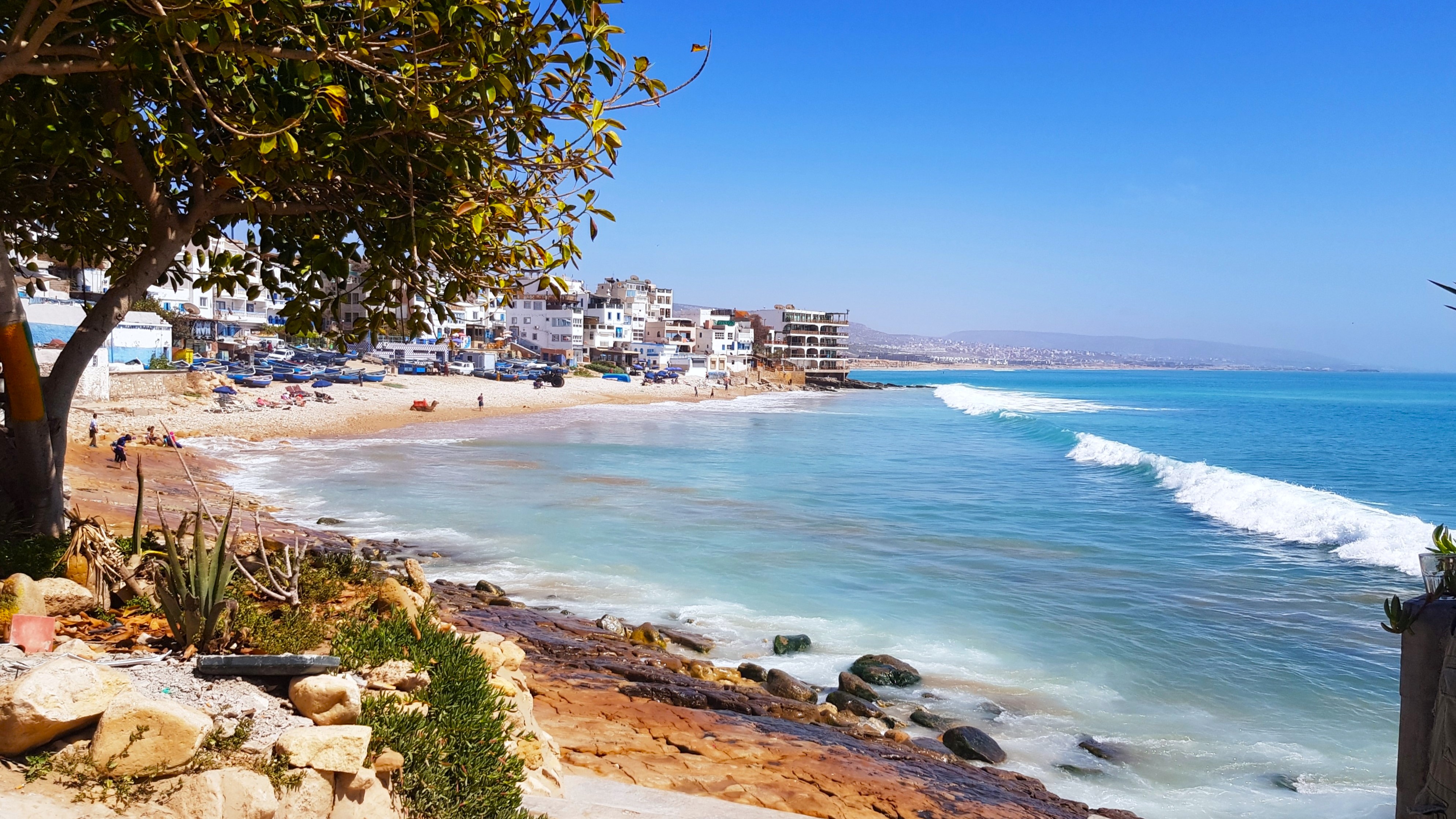
Facing the Canary Islands, Tarfaya blends Saint-Exupéry's legacy, Aéropostale remnants, and the windswept beaches of Morocco's Sahara.
Facing the Canary Islands, Tarfaya is nestled in southwestern Maroc, 890 km from Rabat. It was in this town that Antoine de Saint-Exupéry wrote his first novel, Southern Mail, while serving as head of the airfield. A museum dedicated to this pilot and writer stands here today.
History
Between 1882 and 1885, Tarfaya was occupied by the British, who had established a trading post known as "Casa del Mar." In 1885, Sultan Hassan I entered into negotiations with them to leave the region. The negotiations resulted in the buyout of the trading post, which was subsequently given to the town's population.
Following the agreement between Spain and France on July 29, 1916, Tarfaya came under Spanish occupation. This agreement attached the territory where it is located, Cape Juby, to Spanish Sahara. At that time, the city bore the name "Villa Bens," in honor of the region's administrator, Francisco Bens.
In 1927, an airfield was constructed to serve as a supply stopover for the French airline Aéropostale's routes. It was in this year that Antoine de Saint-Exupéry was appointed as head of the station for a period of 18 months. During his tenure, the future author of The Little Prince found himself negotiating with rebellious local tribes who held pilots hostage.
Following the Ifni War in 1958, Tarfaya was returned to Maroc. Then, on November 6, 1975, it became the focal point of the famous peaceful march known as the Green March, orchestrated by Hassan II. More than 350,000 Moroccans participated, carrying with them a Quran and a Moroccan flag. The objective of this movement was to reclaim the Saharan territory under Spanish occupation.
In 2014, Tarfaya had a population of 8,027. It is the capital of its eponymous province.
Visiting Tarfaya
Begin your visit to Tarfaya with the Antoine Saint-Exupéry Museum, created in 2004 by the Aéropostale Memory Association. The museum presents the history of the pilot and that of airmail. It also displays numerous documents, maps, and manuscripts on the town's history. More than 1,000 Western visitors come here each year.
The history of resistance and Tarfaya's Liberation Army is showcased in the Resistance Museum, founded in 2013. Workshops aimed at presenting this history take place there regularly.
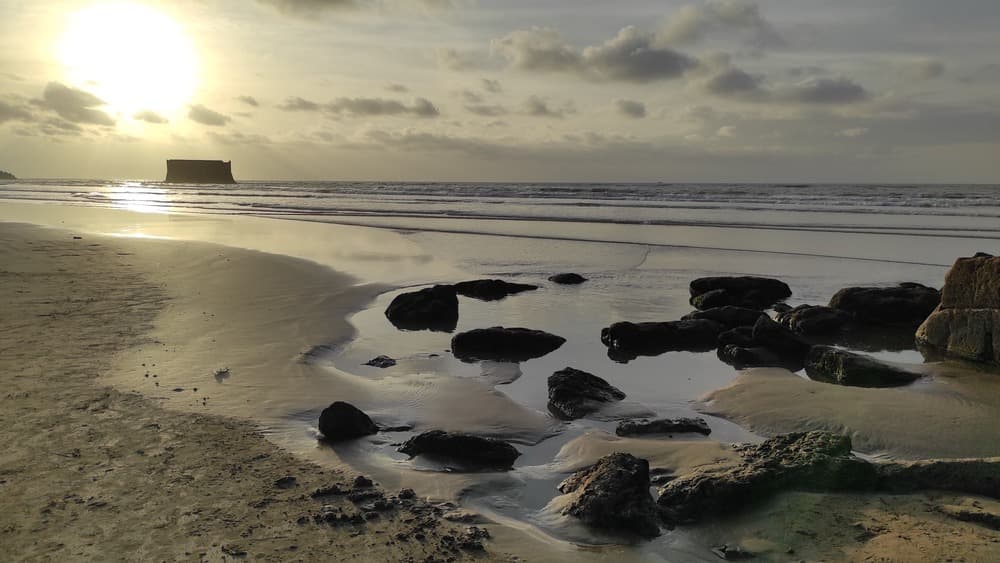
Off the coast of Tarfaya stands Casa del Mar. The fortress is today threatened with disappearance due to its proximity to the sea. It can only be visited at low tide.
South of Tarfaya, approximately 2 km away, you'll find the Assalama wreck, a ferry that ran aground in 2008. The vessel struck a rock shortly after leaving port. The shipwreck claimed no lives thanks to the intervention of local fishermen.
Around Tarfaya
Between Tan-Tan and Tarfaya, more precisely about 70 km from the latter, lies Khenifiss National Park. This protected area covers 18,500 hectares and is home to a fish-rich lagoon, designated a Ramsar site in 1980. Each year, countless migratory birds coming from Europe make a stop here. Among the species that can be observed are the ruddy shelduck, Audouin's gull, and the marbled teal. In addition to its great biological value, the park also contains prehistoric and historical archaeological remains.
Tourist Activities in Tarfaya
Tarfaya is situated in a windy region, and its beaches are ideal for windsurfing. Fishing is also a popular activity here.
Practical Information
When to Visit?
For those wanting to avoid the intense summer heat, visit Tarfaya in winter, when temperatures are more pleasant. Note, however, that nights can be cold.
Tarfaya is located on National Route 1, 548 km southeast of Agadir. A distance of 104 km separates it from Hassan I International Airport in Laâyoune, which serves the region.
Want to discover this destination?
Our local advisors design your tailor-made trip.