Tata
Tata
A hidden oasis of the Anti-Atlas, Tata captivates with its ancient palmgroves, traditional Khettaras irrigation systems and over 250,000 prehistoric rock carvings. A practical guide to planning your visit.
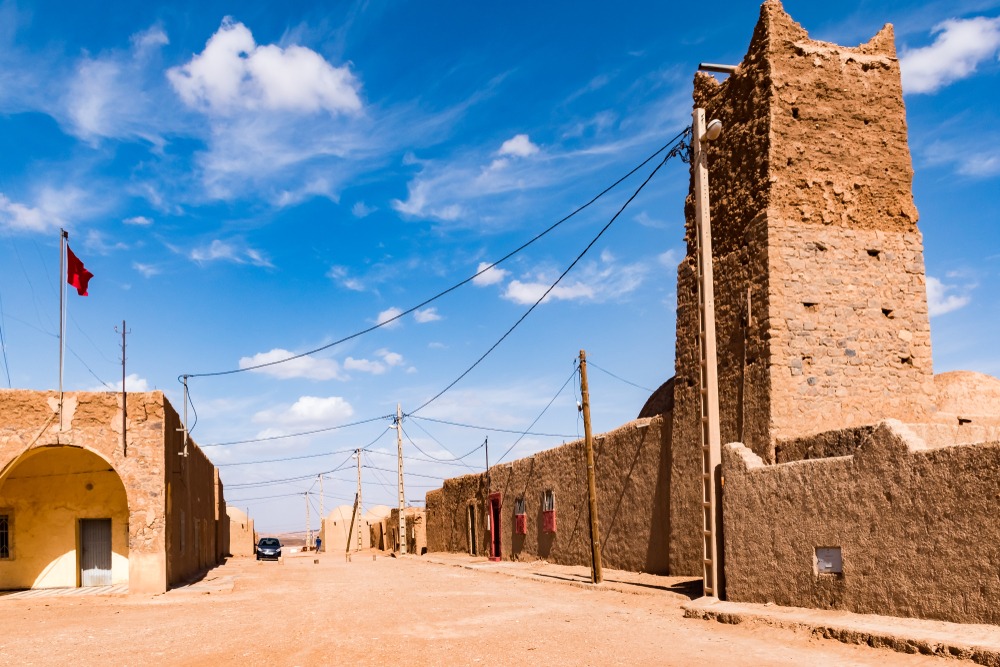
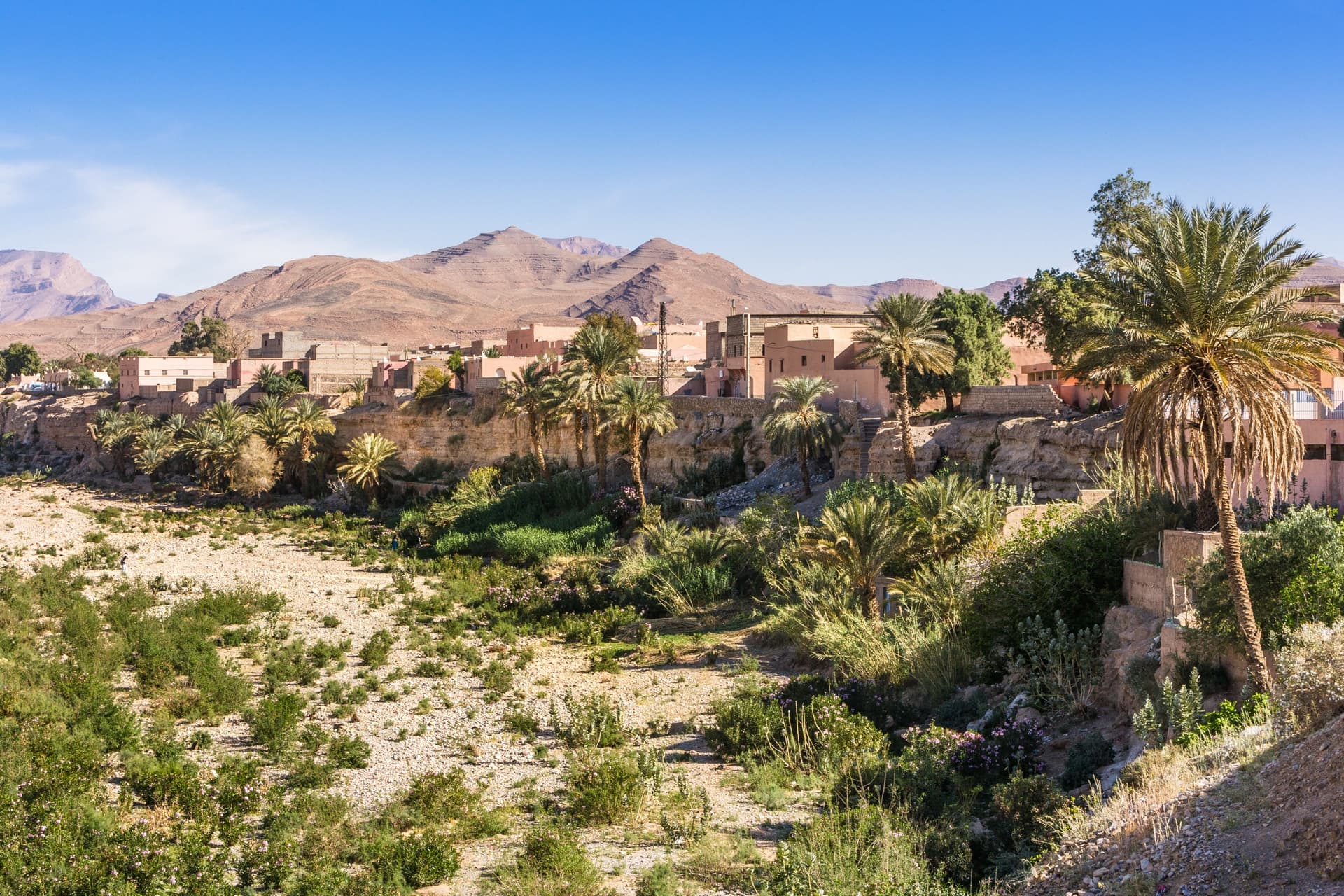
Tata is one of the most remarkable towns in southern Maroc. Nestled within a vast oasis valley, it holds some of the oldest traces of human settlement in the country, dating back to the Stone Age. Tata also impresses with its lushness, a gift from its oases fed by the rivers of the Anti-Atlas.
History
The region is home to the earliest evidence of human habitation in Maroc. These include rock carvings and stone tools from the Paleolithic period, created by Homo sapiens.
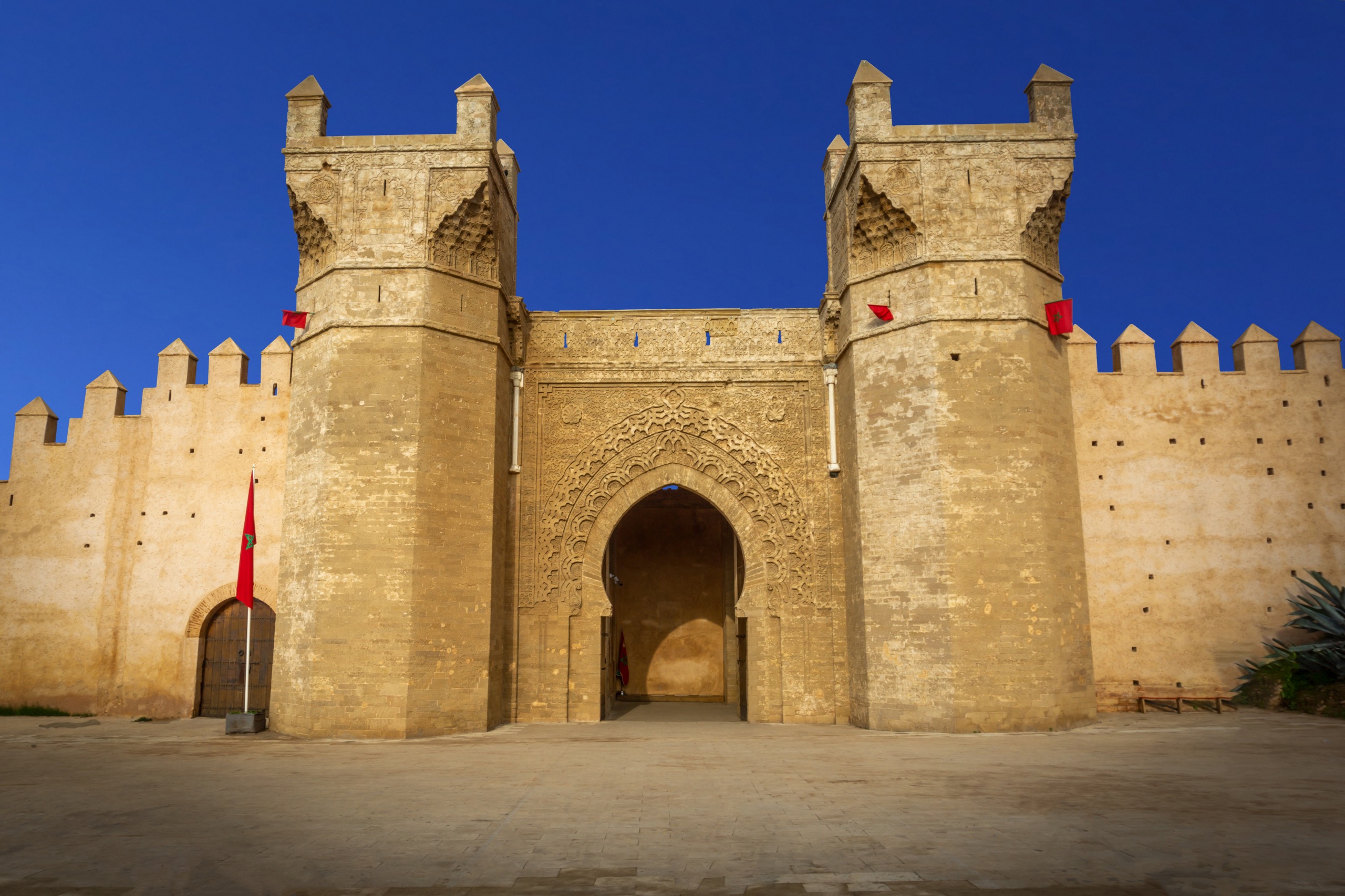
Tata is said to have received its first palmgrove in the 11th century, established by the Almoravids—the same dynasty that founded the palmgroves of Marrakech. In the 16th century, the city was chosen by Saadian Sultan Ahmed El-Mansour Dahbi as a stronghold for his conquest of Sudan (Mali).
Discovering Tata
The valley where Tata sits stretches from Wadi Drâa to the Anti-Atlas. Surrounded by palm-filled oases, the town captivates with its verdant landscape, which stands in striking contrast to the vast desert beyond. During your visit, take a leisurely walk through its palmgroves to discover their traditional canal system, known as "Khettaras." Learn how water is collected from aquifers and channeled to the arid, dry zones above ground. Explore the workings of a water clock, a centuries-old instrument used to distribute water fairly among different zones.
Tata is home to numerous traditional craft workshops. Visit them to discover Tataoui pottery, which enjoys a stellar reputation throughout Maroc. The town is also renowned for its basketry, which provides crucial income for many women in the region.
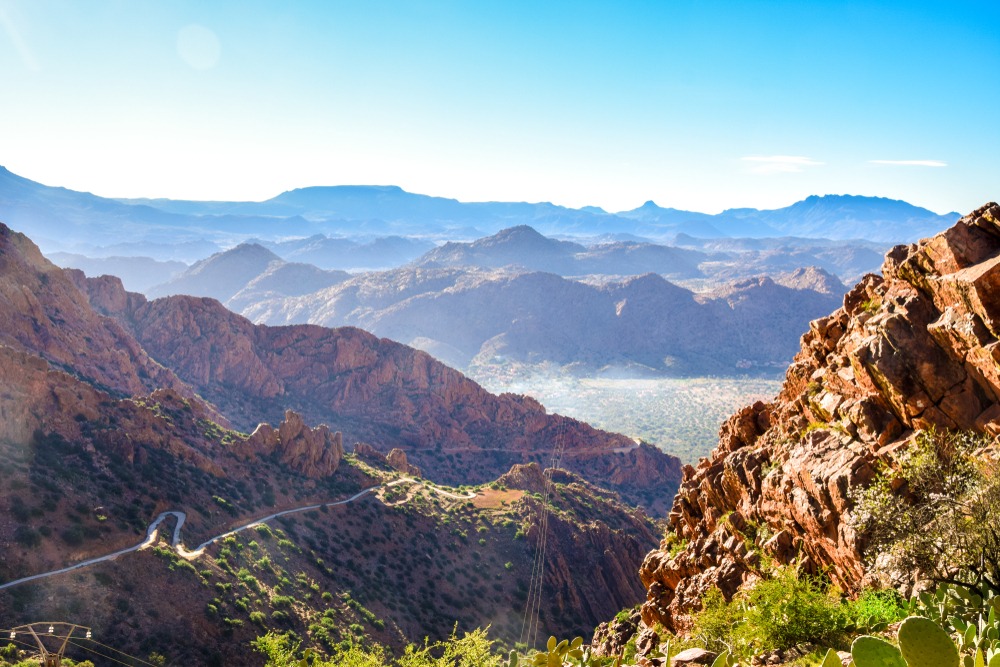
If you're passionate about hiking, your visit to Tata is an excellent opportunity to explore the varied trails that wind through local hamlets, riverbeds, mountains and desert.
Moreover, if your visit falls in December, you can attend the Oasis Festival, which showcases traditional dances such as alwhas, guedra and tissint (also known as the "dagger dance").
Around Tata
Prehistoric sites are scattered throughout the surrounding mountains, where you can admire Paleolithic rock carvings. More than 250,000 exist in the region.
The Messalit Caves, carved by water over centuries, lie roughly 7 km north of Tata. They are adorned with stalactites and stalagmites.
The Agouliz Gorges, with their imposing cliffs, stand about 26 km from Tata. The site promises excellent hiking.
Near Tagmoute, 45 km from town, rises the agadir (fortified granary) of Ait Kine, dating from the 18th century and among the most fascinating fortified storehouses in southern Maroc. Having weathered the ages, this structure is in excellent condition. Note that you'll need a four-wheel-drive vehicle to reach it.
Salt-water cascades await you roughly 69 km east of Tata, near the small town of Tissint. The waterfalls tumble into a small, refreshing lake—perfect for a dip in summer. You'll also find the rock carvings of El Maleh nearby, precisely where Wadi El Maleh meets Wadi Tissint.
Practical Information
When to Visit?
Tata has a continental Saharan climate, with temperatures exceeding 45°C in summer. Under the influence of the "chergui"—a hot wind from the desert—temperatures can surpass 50°C. If you're sensitive to heat, consider visiting during other seasons. Bear in mind, however, that temperatures can dip below 10°C in winter.
To reach Tata from Agadir, 289 km to the northeast, head toward Taroudant, then turn at coordinates 30.503780, -8.799920. You'll then be guided by Route R109, which passes through Igherm before reaching the town. The journey takes approximately 4 hours and 25 minutes. There is an alternative route from Agadir to Tata, though it is longer.
Tata is also accessible by shared taxi from Akka or Foum Zguid. Additionally, direct buses connect it to Agadir, Rabat, Casablanca and Marrakech.
Want to discover this destination?
Our local advisors design your tailor-made trip.