Drâa Valley
Drâa Valley
200 km of palm groves, earthen kasbahs and Saharan dunes: the Drâa Valley is one of the most enchanting routes in southern Maroc.
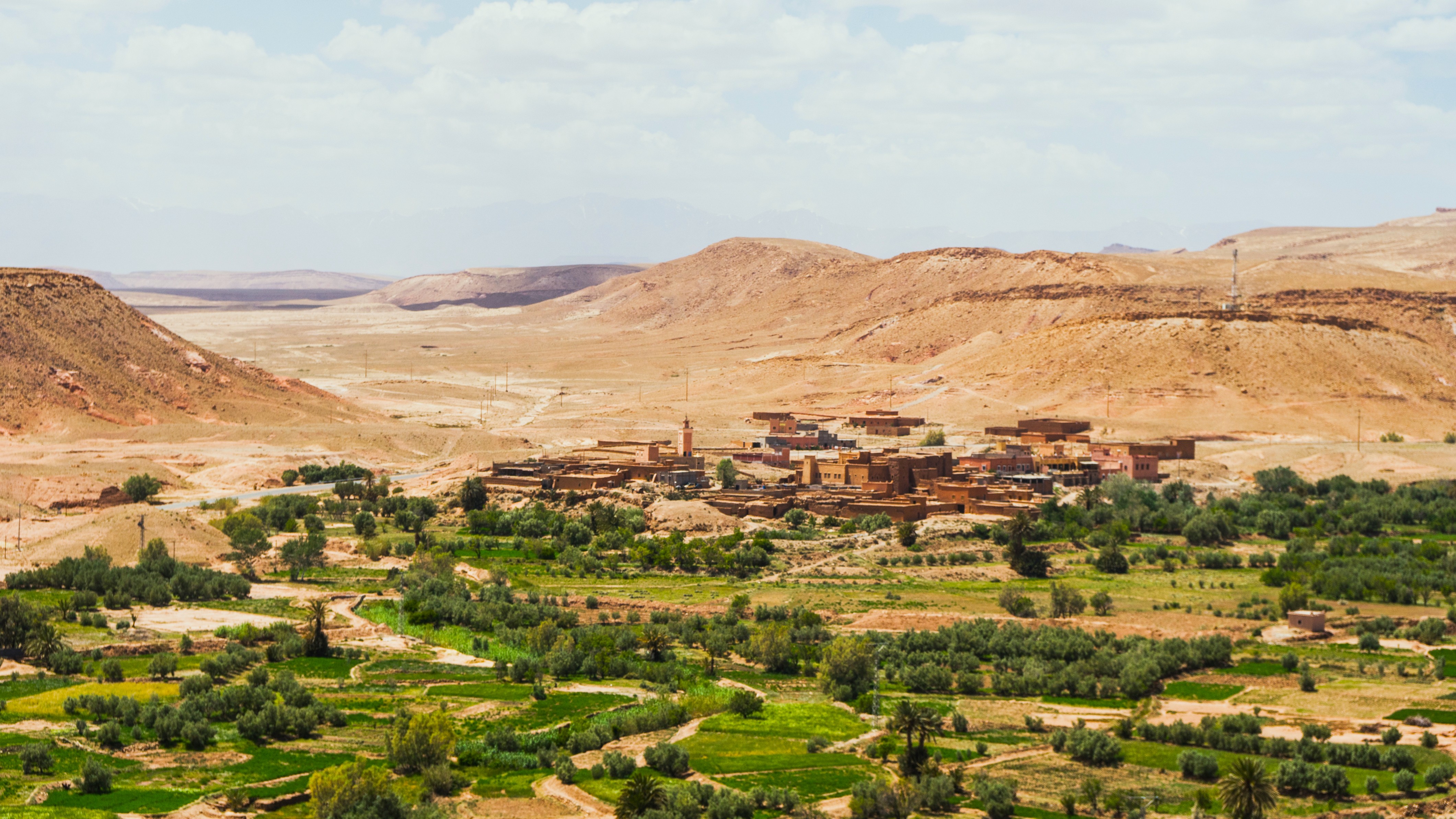
Nestled in the heart of Berber country, in southern Maroc, the Drâa Valley is a true haven of cool tranquility that deserves to be explored. This picturesque oasis stretches for nearly 200 kilometers and is home to several places that exemplify the distinctive character of Moroccan territory. Originating from the city of Ouarzazate, it is composed of mountains and desert expanses.
The Drâa Valley is a truly unique place that stands out above all for its natural riches. It is defined primarily by the Drâa River, which sources in the Atlas Mountains before flowing into the Atlantic Ocean. The banks of this wadi are embellished with forests of palm trees along with other typical trees that create lush vegetation. The surrounding landscapes also reveal the first stone and sand deserts.
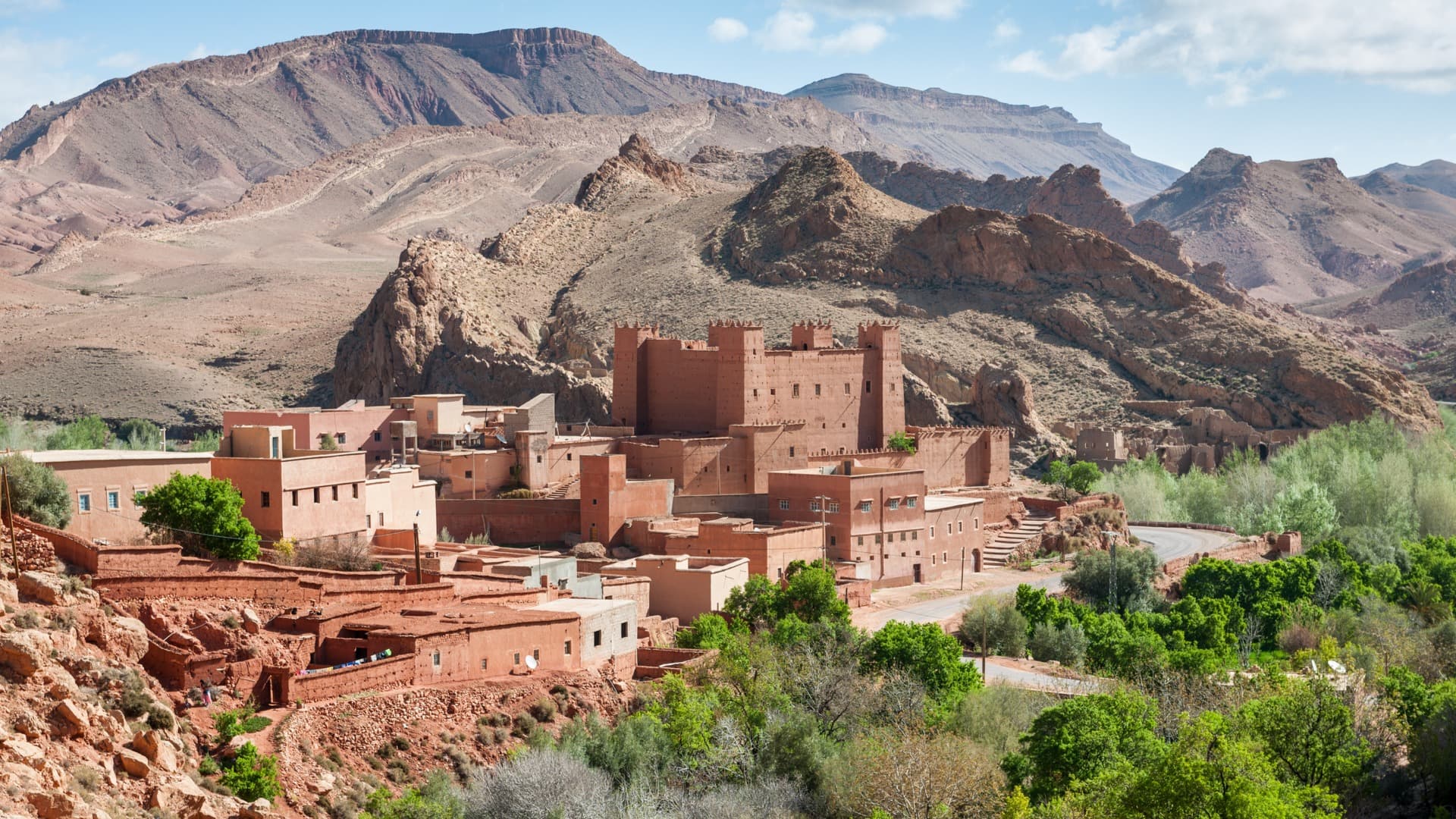
Beyond being a natural sanctuary, the Drâa Valley owes its fame to its historical remnants represented by the ksours and kasbahs that adorn it—those famous small ancient fortified villages and earthen-walled buildings that stand in the middle of nowhere. Among some fifty oases in this Valley, Tamnougalt is the most striking.
History
First and foremost, the Drâa Valley was a place of passage and significant exchange for caravans coming from the desert. They traveled and crossed the Sahara all the way to Timbuktu for the trade in salt, slaves, marble as well as various spices and handcrafted products made in silver or gold.
A corridor linking the Sahara to several Moroccan cities, the Drâa Valley has long been one of the country's strategic routes. Several tribes sought to conquer the area, but its inhabitants, unwilling to abandon this fertile land, were forced to resist their enemies. Hence the various tribal wars that followed one another.
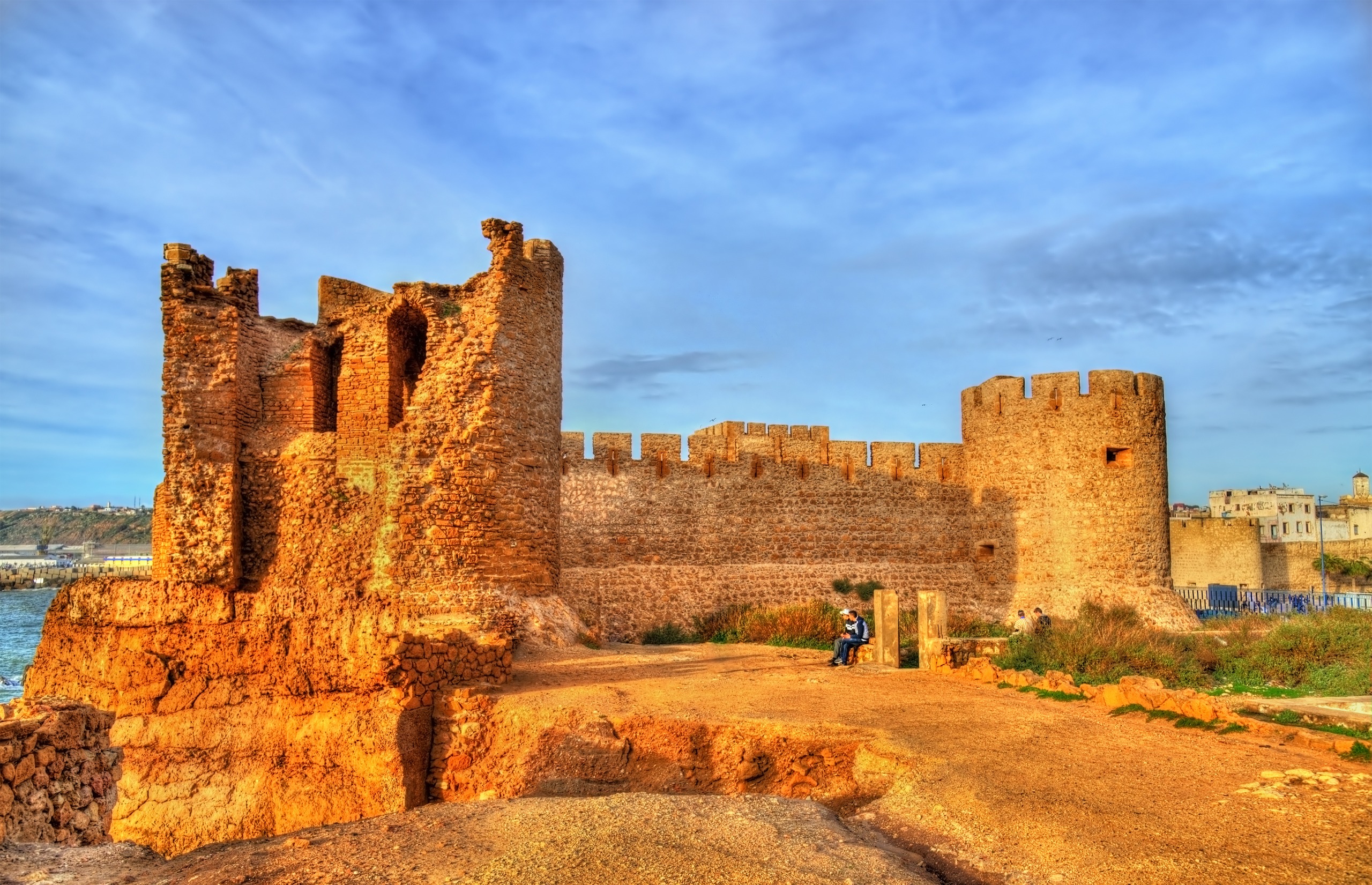
To better protect themselves, its occupants built fortified communal granaries and guard towers. Some of these ochre-colored earthen buildings have managed to withstand time and have become magnificent heritage sites today.
The Drâa Valley Today
With its nature and rich history, the Drâa Valley continues to attract those seeking complete escape. This place has become a tourist attraction where travelers come to admire some of the typical landscapes of southern Moroccan territory. The banks of the Drâa wadi, decorated with verdant palm groves, is, for example, a favorite destination for excursionists.
For their part, hikers will not want to miss crossing this piece of paradise for several days, passing through its oases, palm forests and dunes.
Beyond its generous nature, the Drâa Valley is also a site worth exploring for cultural discovery. It owes its fame to its kasbahs, ksours and places that hide rock engravings.
In fact, spending a few days in this vast wild sanctuary during your trip to Maroc allows you to discover the country and its culture.
Responsible Tourism
Your travel agency for responsible tourism and committed to an approach to travel organization that respects equitable and sustainable principles.
This commitment is not made for publicity reasons, but to take into account the sensitivity of natural areas and desert inhabitants. It is therefore necessary to adhere to certain rules concerning the customs and traditions of the regions visited. That is, respecting the environment, heritage, cultures and natural elements, such as spring water, fauna and flora.
Do not leave waste on site and place non-degradable items in a bag to evacuate them afterward to designated locations.
Among Maroc's major international airports, Ouarzazate is the closest to the Drâa Valley. This infrastructure receives an international flight from major European cities almost every day. It is therefore possible to take a direct flight Paris-Ouarzazate and then reach the Drâa Valley by bus, taxi or rental car.
This wild expanse is located between the city of Ouarzazate and Zagora, via the N9 route. Indeed, the Drâa Valley begins with the village of Agdz, which rises 73.8 kilometers from the first city. You must of course traverse the winding road that is perhaps the most beautiful in Maroc thanks to the countless kasbahs that line it.
Moreover, some excursionists choose to start their journey from the city of Marrakech. The journey can be long, but they will have the opportunity to behold some of the most famous landscapes of Moroccan territory. They will cross the scenic routes of the High Atlas to pass through rocky plains and end with the dunes of the Saharan region.
What to Do in the Drâa Valley?
- Organize a small family excursion to admire the landscapes of the Drâa Valley. The banks of the Drâa wadi and the palm groves are highly sought after by vacationers.
- Stroll through this site to discover idyllic places that are even more authentic and less frequented.
- Visit the archaeological sites where rock engravings are hidden. This can be an opportunity to absorb some of the historical values of the Drâa Valley.
- Meet with the inhabitants who are almost all farmers and herders.
- Visit some ksours and kasbahs to appreciate the grandeur of traditional Berber architecture. The kasbah of Tamnougalt is among the most celebrated palaces of the Drâa Valley. It promises an outing rich in discoveries.
- For adventurous travelers, they can camp out in the heart of the Drâa Valley (campfire and barbecue on the agenda).
Want to discover this destination?
Our local advisors design your tailor-made trip.