The City of Zagora
The City of Zagora
At the threshold of the Sahara, Zagora reveals its palm groves, ksour, and the legendary Timbuktu Road. A complete guide to planning your stopover in the Draa Valley.
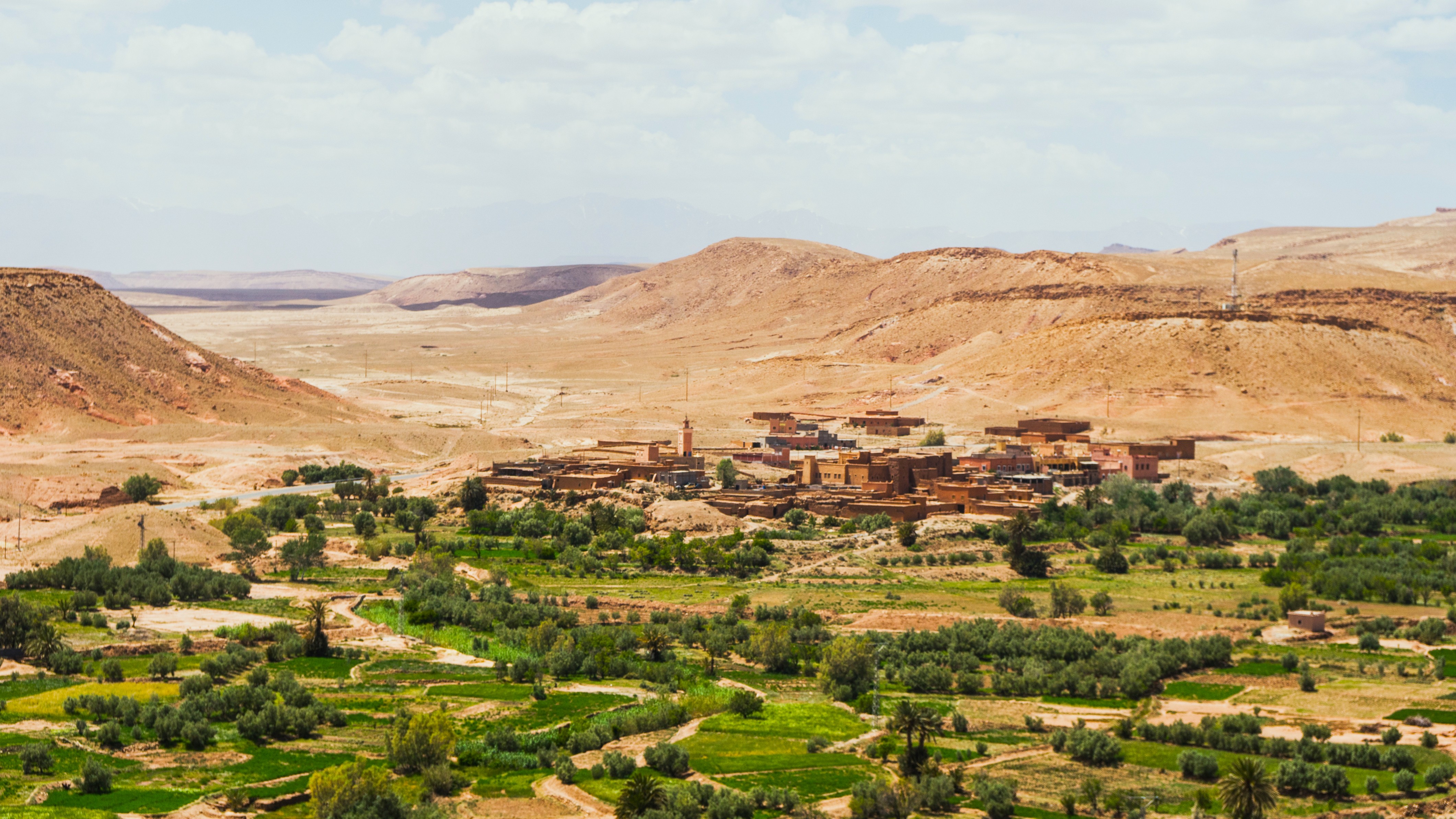
Zagora is a city in the south-eastern region of Morocco. Nestled in the Draa Valley, it lies not far from the Sahara Desert. It is an exceptional destination that shows few signs of modernization, allowing you to discover traditional Moroccan culture. Near Zagora stretches a vast date palm plantation, where you can stroll in the shade.
History
The rock engravings of Foum Chena and Tazarine, as well as the great necropolis of Foum Larjam at Ighir N'tidri in M'hamid El Ghizlane, demonstrate that the region's history stretches back to immemorial times.
Tagmadart, an ancient city in the Draa Valley, welcomed the Saadian Chorafas, who came from the Middle East, in the early 15th century. After two centuries of occupying this region, they decided to embark on the conquest of northern Morocco and the Souss. Their adventures took them as far as the distant lands of western Sudan, along the famous Timbuktu Road. This bold expedition not only enriched Morocco's commercial exchanges but also contributed to the spread of culture and knowledge.
When the Alaouite Dynasty came to power in the 17th century, the Zagora region became a place of particular interest. It gained even greater importance under the remarkable reign of Moulay Ismail. His son, Sharif Ben Ismail, established his seat of power at Aghlan de Beni Zoli. Sharif Ben Ismail called upon the Naciria Zaouia to spread knowledge throughout neighboring African lands.
The death of Moulay Ismail in 1727 plunged the region into turbulent times, but its allegiance to the Alaouite Dynasty remained inevitable.
In 2004, Zagora had a population of 52,168 inhabitants.
What to See in Zagora and Surroundings?
The Palm Groves of Zagora
Palm lovers will be delighted to visit Zagora. Several hundred hectares of date palm plantations stretch near the city. Crisscrossed by hiking trails, it makes an excellent place for a leisurely walk. This region is renowned for producing some of Morocco's finest dates. Their exceptional flavor is due to the hot, dry climate and extremely high temperatures (exceeding 50 °C) in this part of the country. No fewer than 30 varieties of dates thrive here. Harvests take place during September and November.
The Largest Souk in the South
Looking for the authenticity of a traditional Moroccan souk? Then Zagora is the place for you! Every Sunday and Wednesday, the marketplace, just steps from the city center, transforms into a bustling souk where vendors flock to offer their wares. You'll find fruits, vegetables, traditional clothing, local handicrafts, furniture, toiletries, and more. A large date market is also held here during the harvest season.
Djebel Zagora
This is the mountain that dominates Zagora and from which the city takes its name. You can reach it from the south-east of the city. After an hour's climb, you'll be rewarded with spectacular views over the city and its surroundings. Plan to go early in the morning to enjoy a magnificent sunrise. Beyond hiking, Djebel Zagora also offers excellent climbing opportunities.
The Museums of Zagora
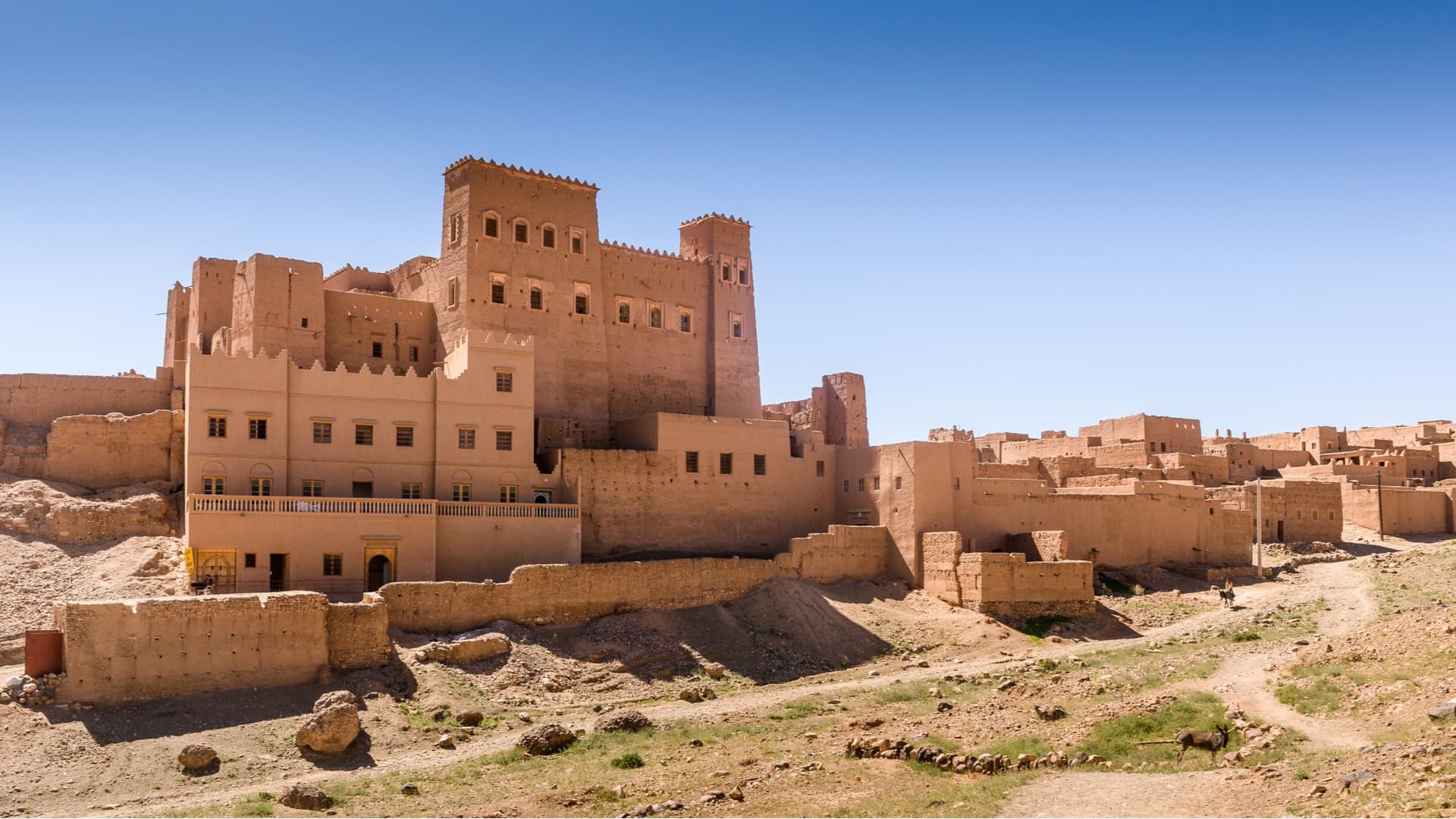
The Zagora region is home to numerous museums. Most offer insight into its history and culture. If you're interested, don't miss the Museum of Arts and Traditions of the Draa Valley, located 8 kilometers from the city. The facility is housed in the ksar of Tissergate, one of the best-preserved in Morocco.
The Tinfou Dunes
Known as the "Gateway to the Sahara," the Tinfou Dunes lie just a few kilometers south-east of Zagora. It's a popular spot for camel trekking and camping.
The Timbuktu Road Sign
For centuries, Zagora was one of the stops along the route that crossed the Sahara Desert and led to Timbuktu in Mali, known as the "Salt Road." This historic sign indicates the distance between the city and Timbuktu, which was reportedly 52 days by camel.
Practical Information
When to Visit?
The best time to visit this region depends on your preferred activities. For desert hiking or landscape exploration, plan your journey during the period from October to April, when the climate is cooler. However, if you want to experience local culture and festivals, opt for November.
Zagora is located approximately 160 kilometers south-west of Ouarzazate. It is served by numerous bus companies from that city, including CTM, Supratours, and L'Express du Sud. The journey takes just under two hours.
Want to discover this destination?
Our local advisors design your tailor-made trip.