Atlantic Coast
1,200 km of shoreline between trade winds and argan groves, from Portuguese Essaouira to the surf breaks of Taghazout, a temperate alternative when the interior heats up.
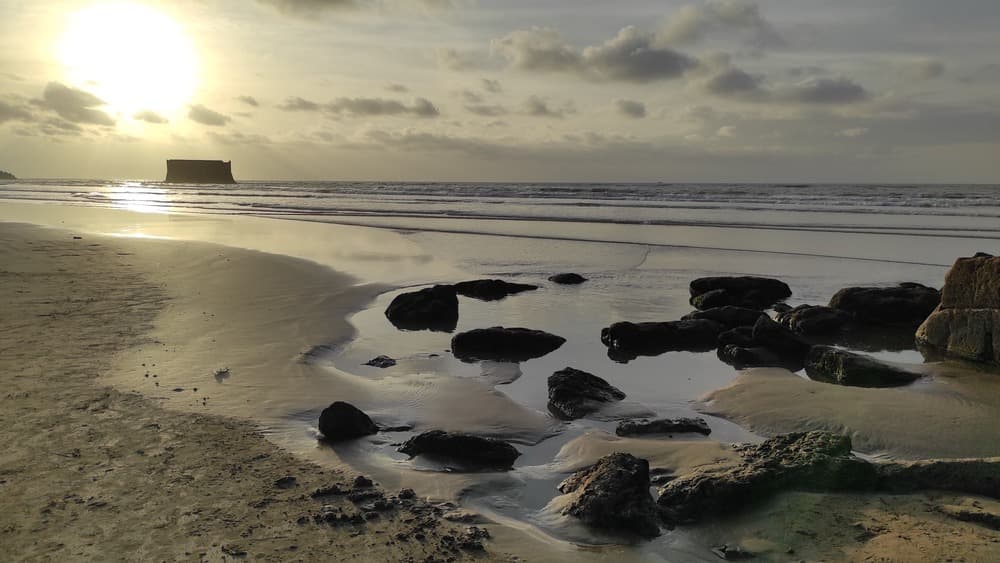
Maroc's Atlantic coast stretches nearly 1,200 km, from El Jadida in the north to Dakhla in the south. Our team views it as a vital counterpoint to the rest of the country: when Marrakech or Fès exceed 35°C in July, the ocean breeze keeps Essaouira between 20 and 24°C. Northeast trade winds blow here almost year-round, shaping everything—the architecture of medinas with their narrow wind-cutting alleys, the fishermen's calendar, and the practice of surfing and kitesurfing that now drives the economy of several villages.
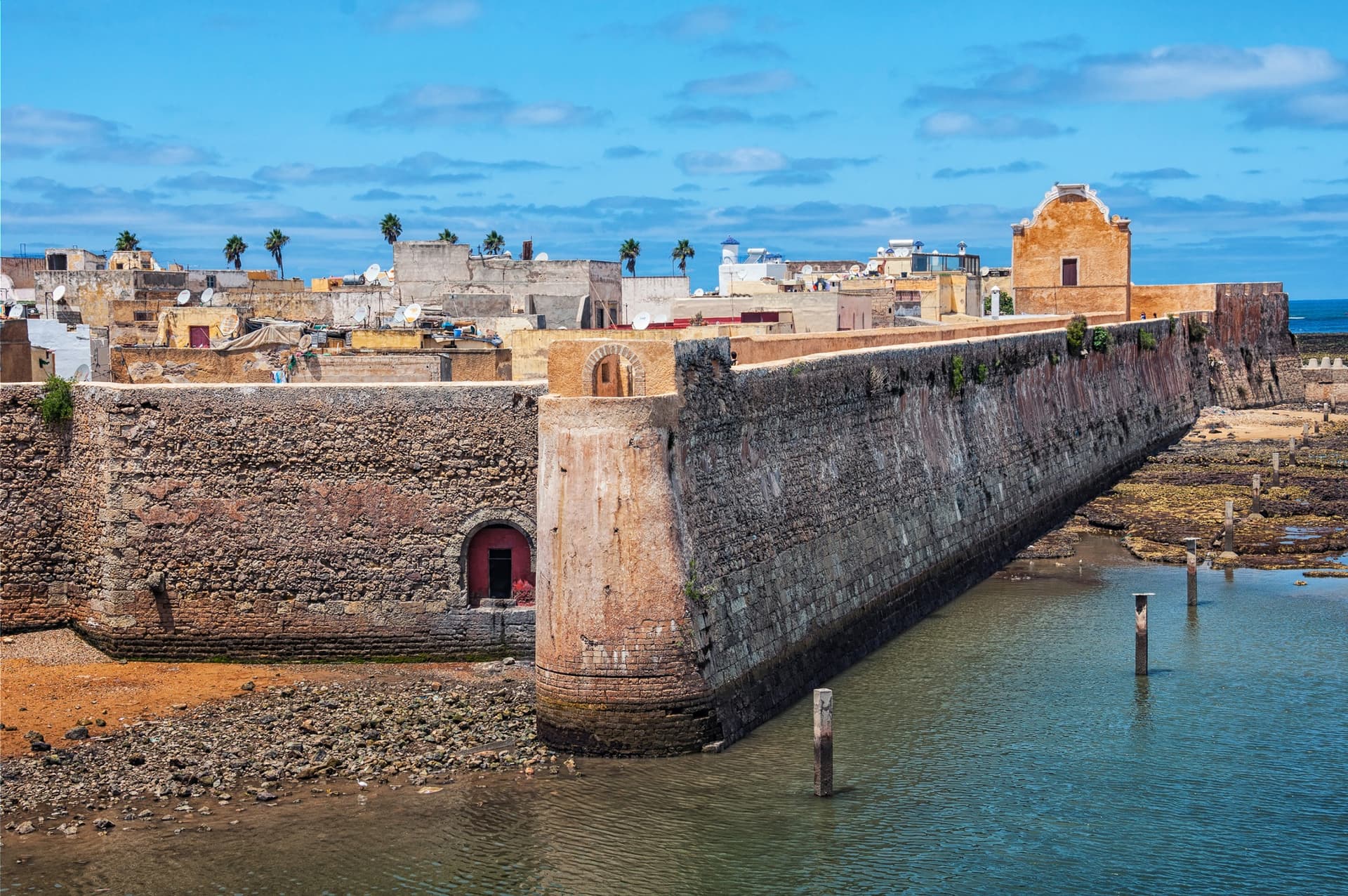
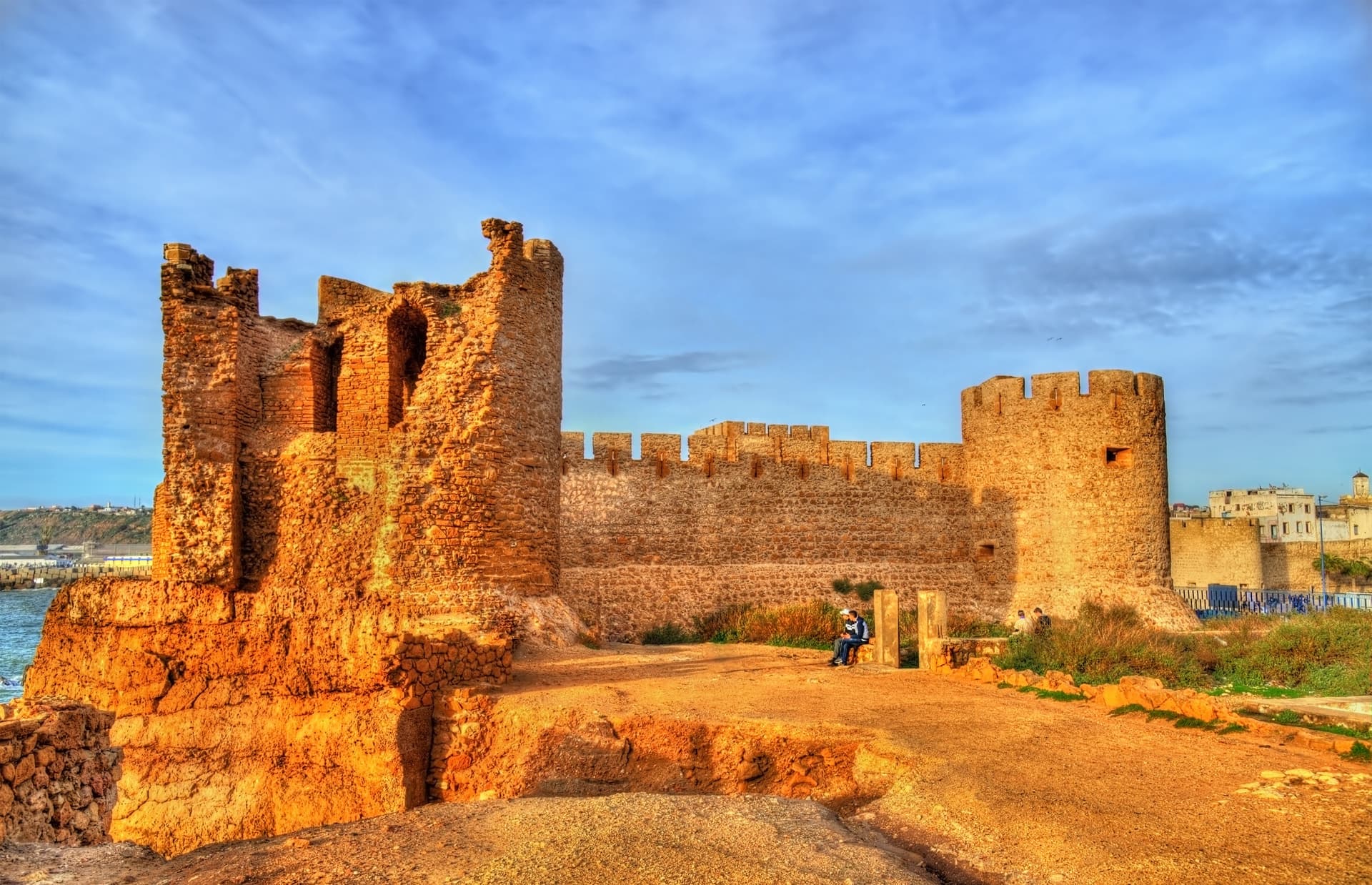
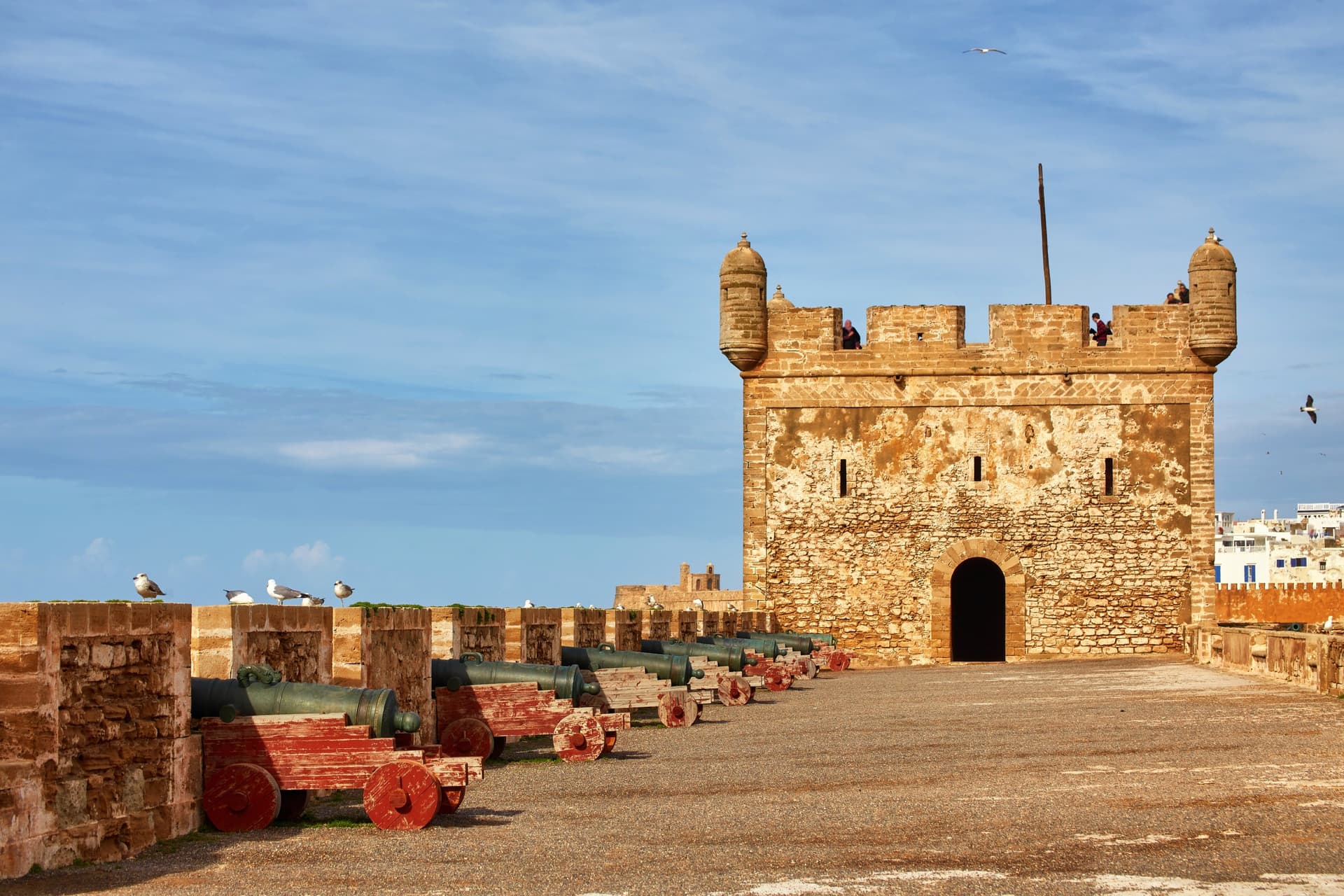
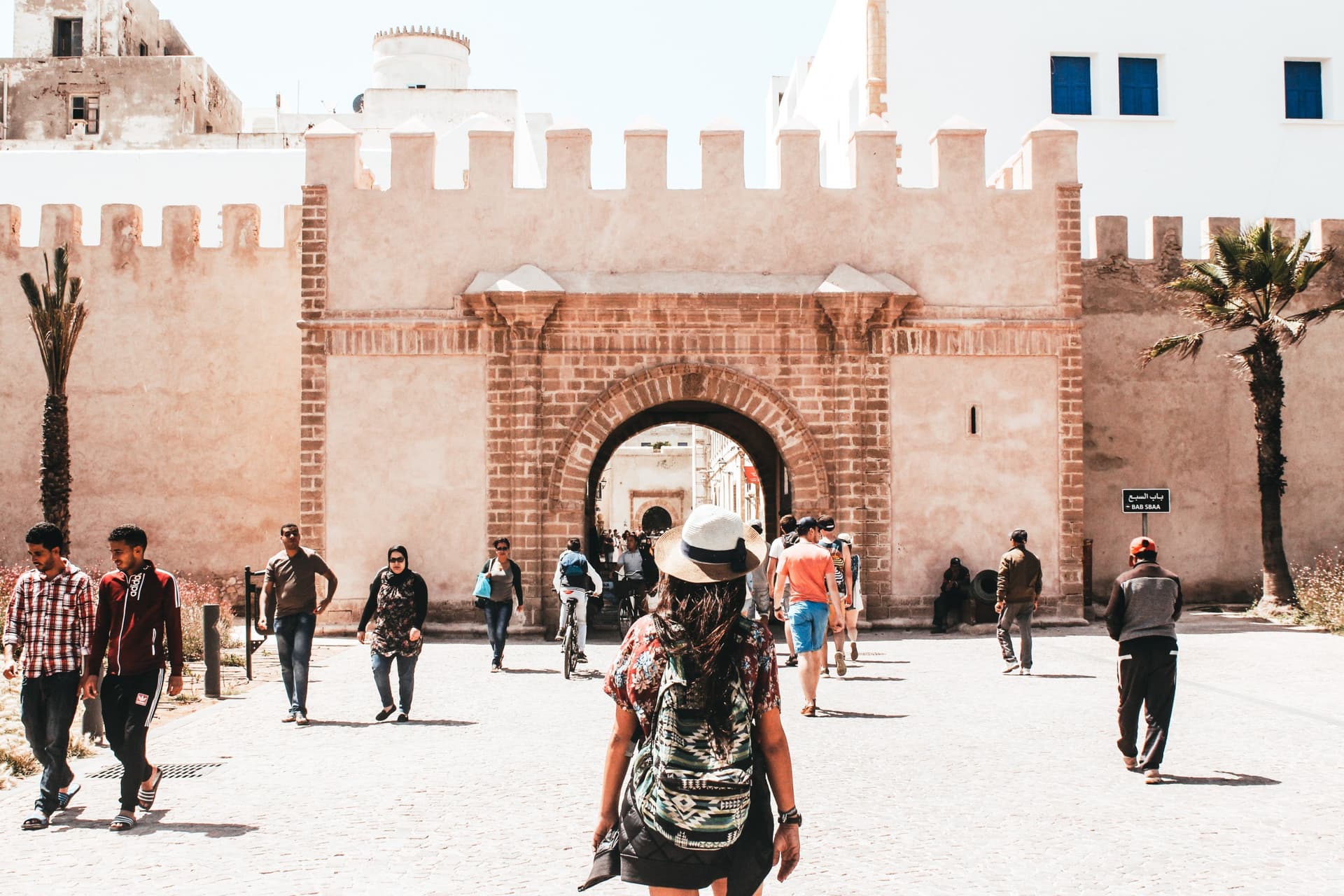
Essaouira, the former Mogador refounded in the 18th century by Sultan Sidi Mohammed ben Abdallah on plans drawn by Frenchman Théodore Cornut, remains the most accessible anchor point. Three hours' drive from Marrakech via the main highway, passing through argan groves where goats climb into the trees. The UNESCO-listed medina, inscribed in 2001, preserves its Portuguese ramparts and its Skala, a battery of Spanish cannons trained on the ocean. The working port unloads sardines, conger and bream each morning, sold just metres away under smoking grills. The Gnaoua festival, mid-June, has attracted since 1998 musicians descended from sub-Saharan slaves and international audiences.
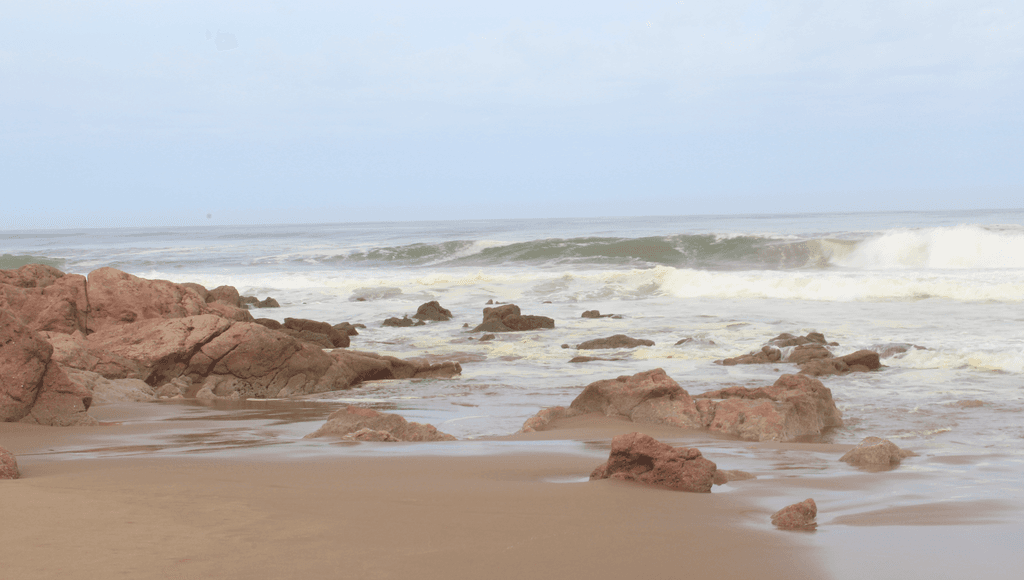
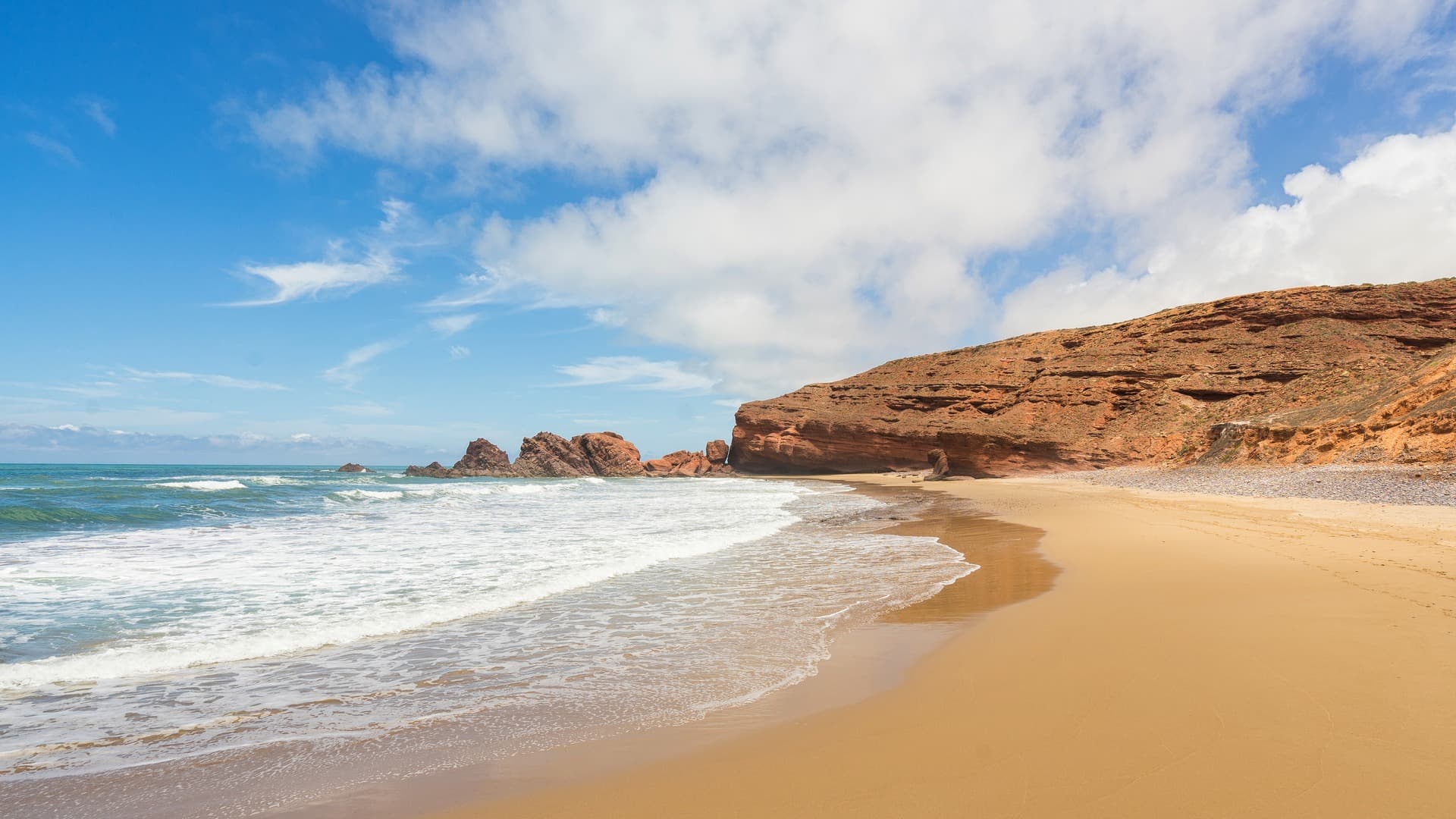
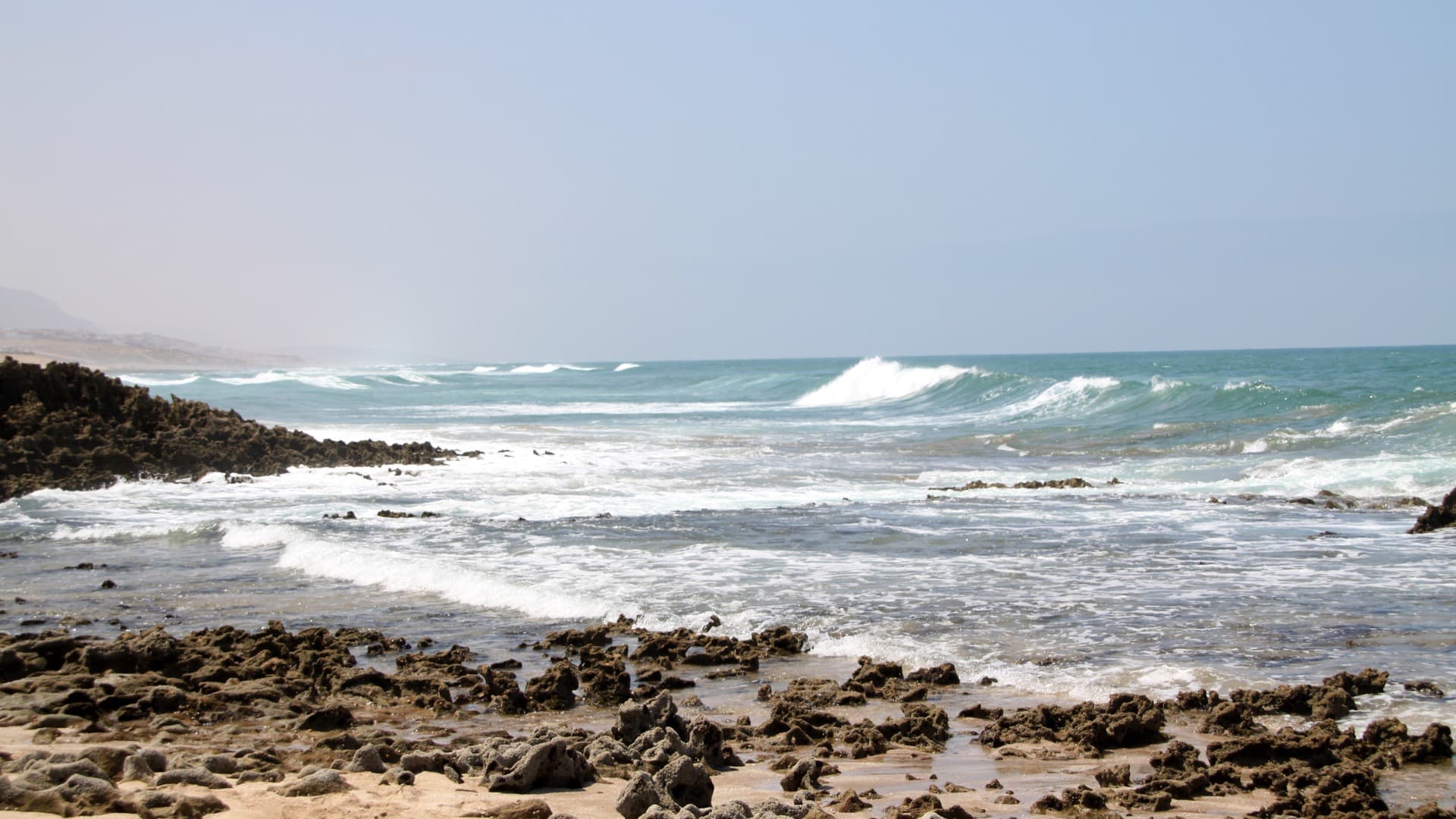
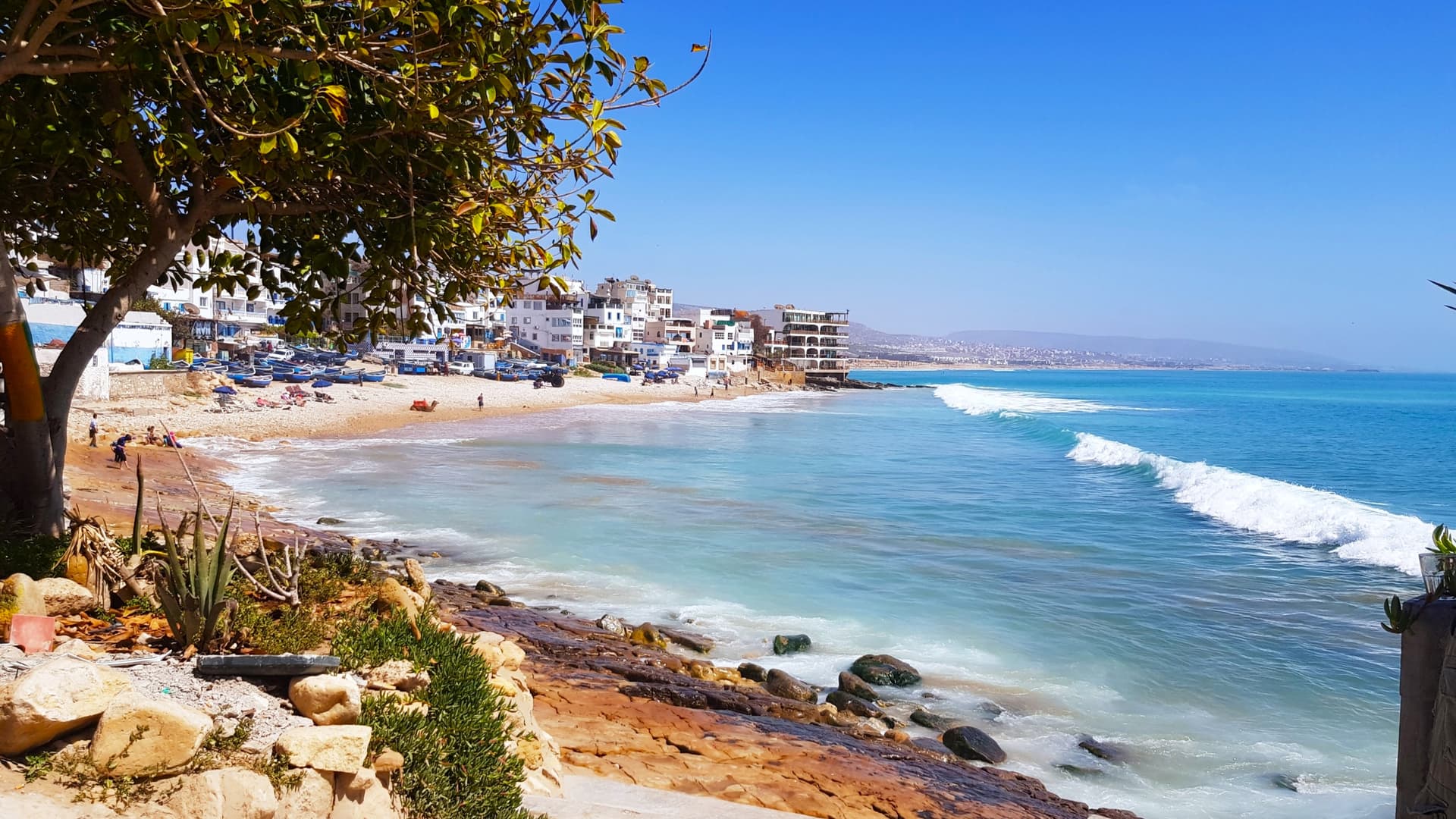
South of Agadir, the coast changes character. Taghazout, a former Chleuh Berber fishing village, has become in two decades the epicenter of Moroccan surfing. The breaks at Anchor Point, Killer Point and La Source produce long rights from October to April, when organized North Atlantic swells arrive. Further south still, Mirleft and Sidi Ifni retain a quieter atmosphere. Sidi Ifni, a Spanish enclave until 1969, preserves Art Deco architecture with blue and white facades, its former aerodrome and its church converted into a courthouse. Legzira, a few kilometres away, once featured two natural arches, one of which collapsed in 2016; the beach remains one of the most photographed on the coast.
Local gastronomy revolves around fish and argan. Tajine of fish with chermoula, a marinade based on coriander, cumin and preserved lemon, is prepared in every Essaouira household. Women's cooperatives in the Essaouira and Tamanar regions produce culinary and cosmetic argan oil, a sector recognized by UNESCO since 2014. Further south, towards Sidi Ifni and Guelmim, you enter the land of the Aït Baamrane and Saharan influence becomes tangible: tea served in three rounds, camels on the beaches, first signs of the desert.
Dakhla, 1,500 km south of Agadir, constitutes a destination unto itself. The 40 km-long lagoon, closed off by a sandbar, offers stable wind conditions that make it one of the world's three best kitesurfing spots, alongside Tarifa and Cabarete. Access is by domestic flight from Casablanca or Agadir, the road journey being over 20 hours through Western Sahara. The contrast is stark: here, neither traditional medina nor souk, but kite camps, oyster farms and the silence of the desert meeting the ocean.
Highlights
Essaouira ramparts and port. The city's Skala and its Spanish cannons overlook waves crashing against rocks. Below, the working port unloads sardines and conger sold grilled on the quay for 30 to 50 dirhams.
Taghazout surf breaks. Anchor Point unfurls rights of over 300 metres between October and April, when northern swells arrive. Village schools welcome beginners and advanced surfers alike, boards and wetsuits rented by the day.
Colonial architecture of Sidi Ifni. Blue and white Art Deco facades inherited from the Spanish enclave maintained until 1969. The town remains off the beaten track, fish market in the morning and frequent ocean mists at day's end.
Tamanar argan cooperatives. On the road between Agadir and Essaouira, Berber women crack nuts with stone as they have for centuries. Visit the workshops and buy culinary or cosmetic oil directly, certified by the INDH.
Dakhla lagoon. Forty kilometres of flat water protected by a dune barrier, regular thermal winds from March to October. Isolated kitesurfing camps, oyster farms in the bay and access to the desert within minutes.
When to visit
The Atlantic coast can be visited year-round, which makes it our primary recommendation when the interior becomes uninhabitable. April to June and September to November offer the best balance: temperatures of 20 to 26°C, moderate winds, sea between 18 and 20°C. July and August remain pleasant temperature-wise, but Essaouira fills with Moroccan holidaymakers and accommodation prices double. Winter, December to February, remains workable with 16 to 19°C during the day, often clear skies, but cool nights around 10°C and swimming reserved for wetsuit-clad surfers.
Internal variations matter. Essaouira is windier and cooler than Agadir, located 170 km further south and sheltered by the bay. Taghazout and Mirleft enjoy their best surf conditions from October to April, a period when swimming is nonetheless more demanding. Dakhla follows a different pattern: 22 to 28°C year-round, optimal thermal winds from March to October, frequent morning mists in July and August. Avoid the central coast in August if you seek tranquility.
Practical advice
Allow 3 to 4 days minimum for Essaouira and surroundings, arriving from Marrakech by road (3 hours via the N1). To combine with Taghazout and Sidi Ifni, plan 7 to 10 days and a rental car: distances between breaks remain reasonable (Essaouira-Agadir 175 km, Agadir-Sidi Ifni 160 km) but secondary roads slow progress. Dakhla warrants separate treatment, with a domestic flight from Casablanca or Agadir and a dedicated 4 to 7-day stay, typically oriented towards kitesurfing or retreat.
The coast pairs well with the imperial cities (Marrakech 3 hours from Essaouira) for a medina-ocean contrast, or with the High Atlas for a mountain-sea sequence in ten days. Combining with the southern valleys or the Sahara is less straightforward, except by passing through Agadir and heading back towards Ouarzazate. Hotel comfort ranges from boutique riads in Essaouira's medina to simple surf camps in Taghazout, through resorts in Agadir's bay. The region suits families seeking mild climate, surfers and kitesurfers, and contemplative travellers who prefer a slow pace to a succession of sightseeing.