Imperial Cities
Fes, Meknes, Marrakech and Rabat: four successive capitals, eight centuries of dynasties and an 8-10 day loop by train and car, best explored in spring or autumn.
Morocco's four imperial cities—Fes, Meknes, Marrakech and Rabat—tell eight centuries of dynastic power in their architecture alone. Each served as capital in turn under the Idrisids, Almoravides, Almohads, Marinids, Saadians or Alaouites, and each bears witness to this legacy in stone and urban fabric still very much alive. Our English-speaking team in Rabat treats these four destinations as one coherent loop, accessible by train for three of them via the Al Boraq line and ONCF connections, with Marrakech linked by 3.5 hours of motorway from Casablanca.
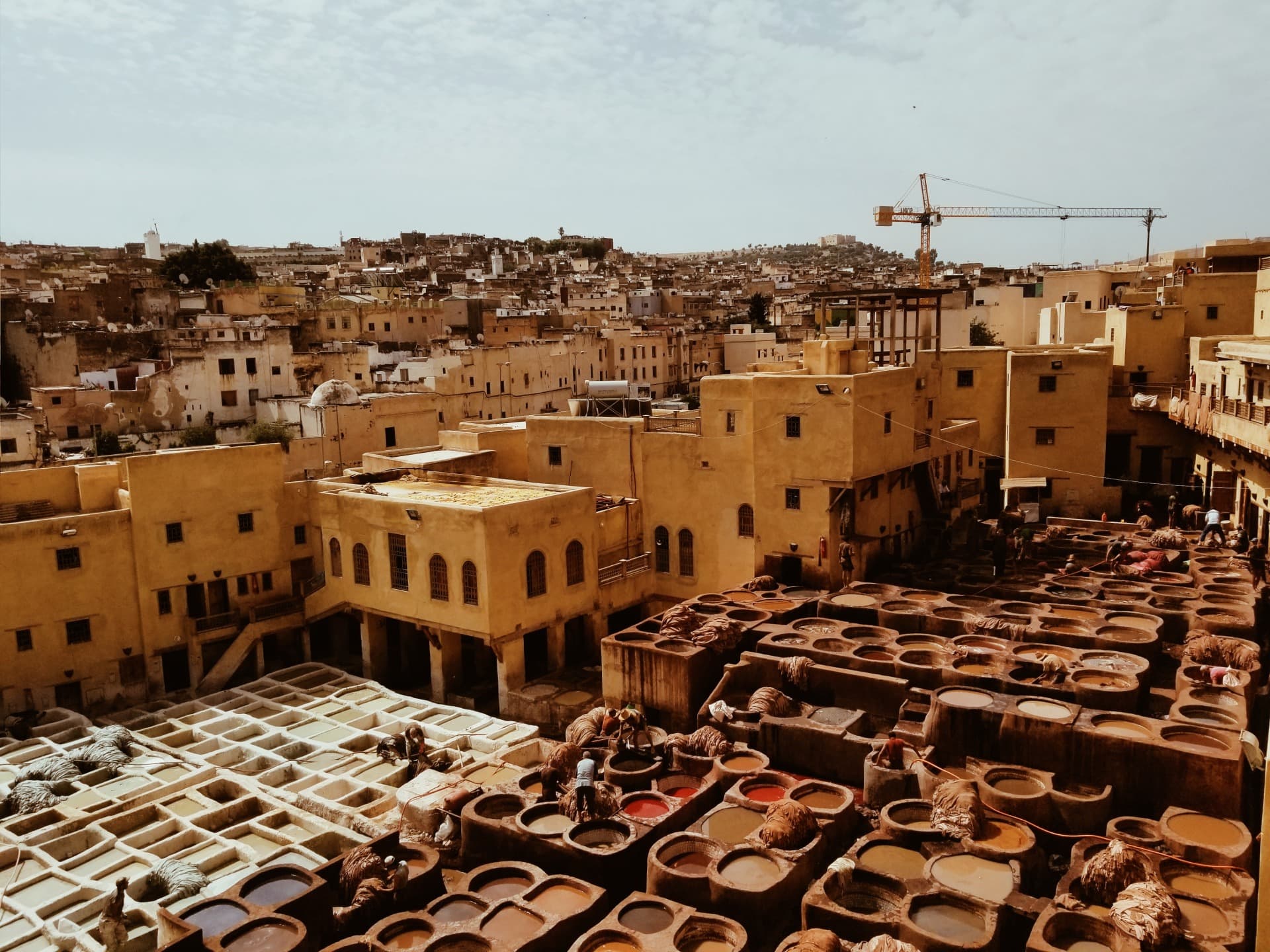
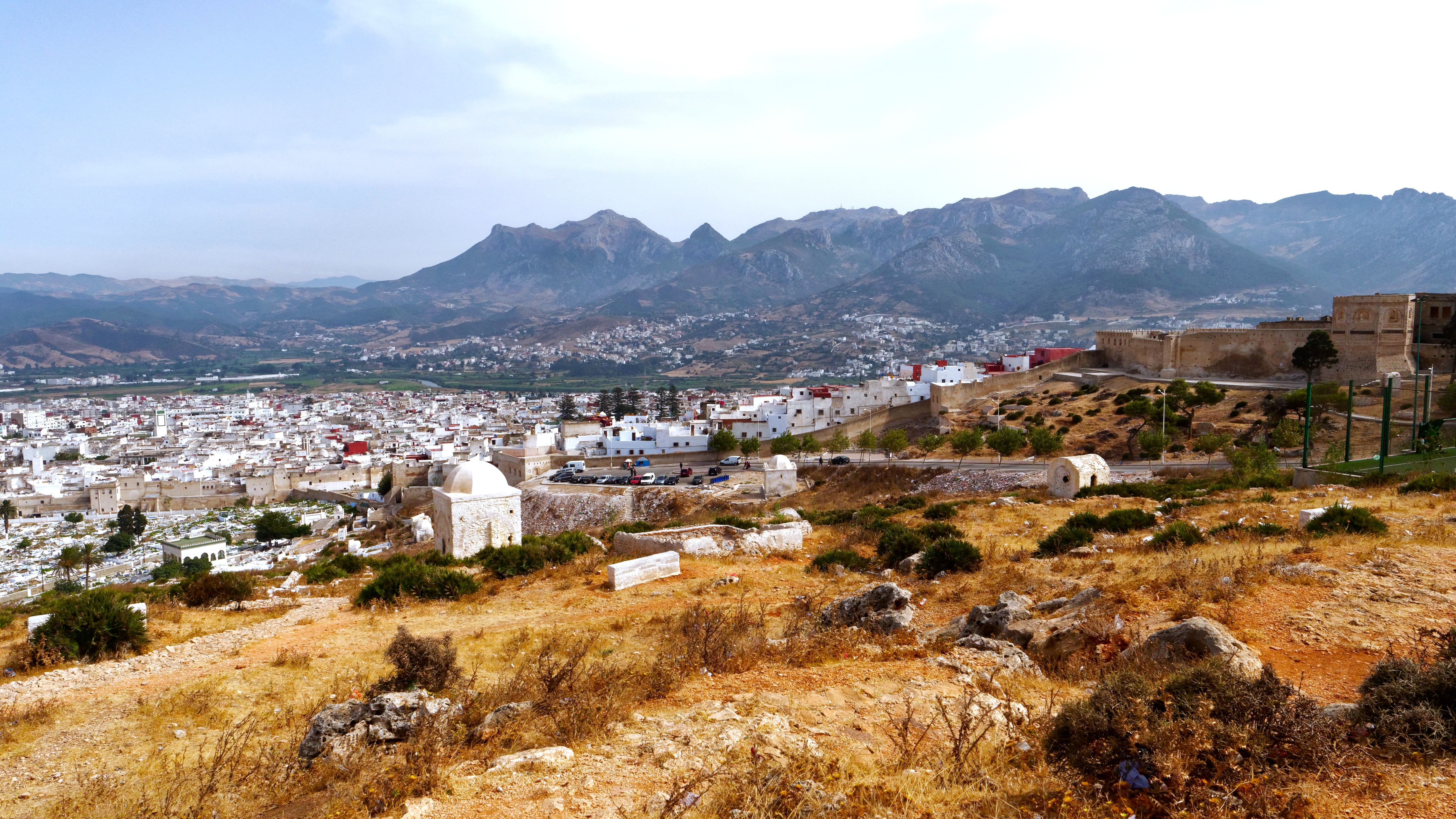
Fes remains the densest cultural treasure. Its medina, Fes el-Bali, founded in 789 by Idris II, holds nearly 9,400 alleys and passageways across 270 hectares. It is one of the world's rare great medieval medinas still closed to vehicles—everything moves by donkey or on foot. The Bou Inania madrasa, completed in 1356 under the Marinids, and the Chouara tanneries, in operation since the 11th century, anchor the city in a living continuum of crafts: coppersmith workshops at Place Seffarine, weavers of Aïn Azliten, potters in the Aïn Nokbi quarter.
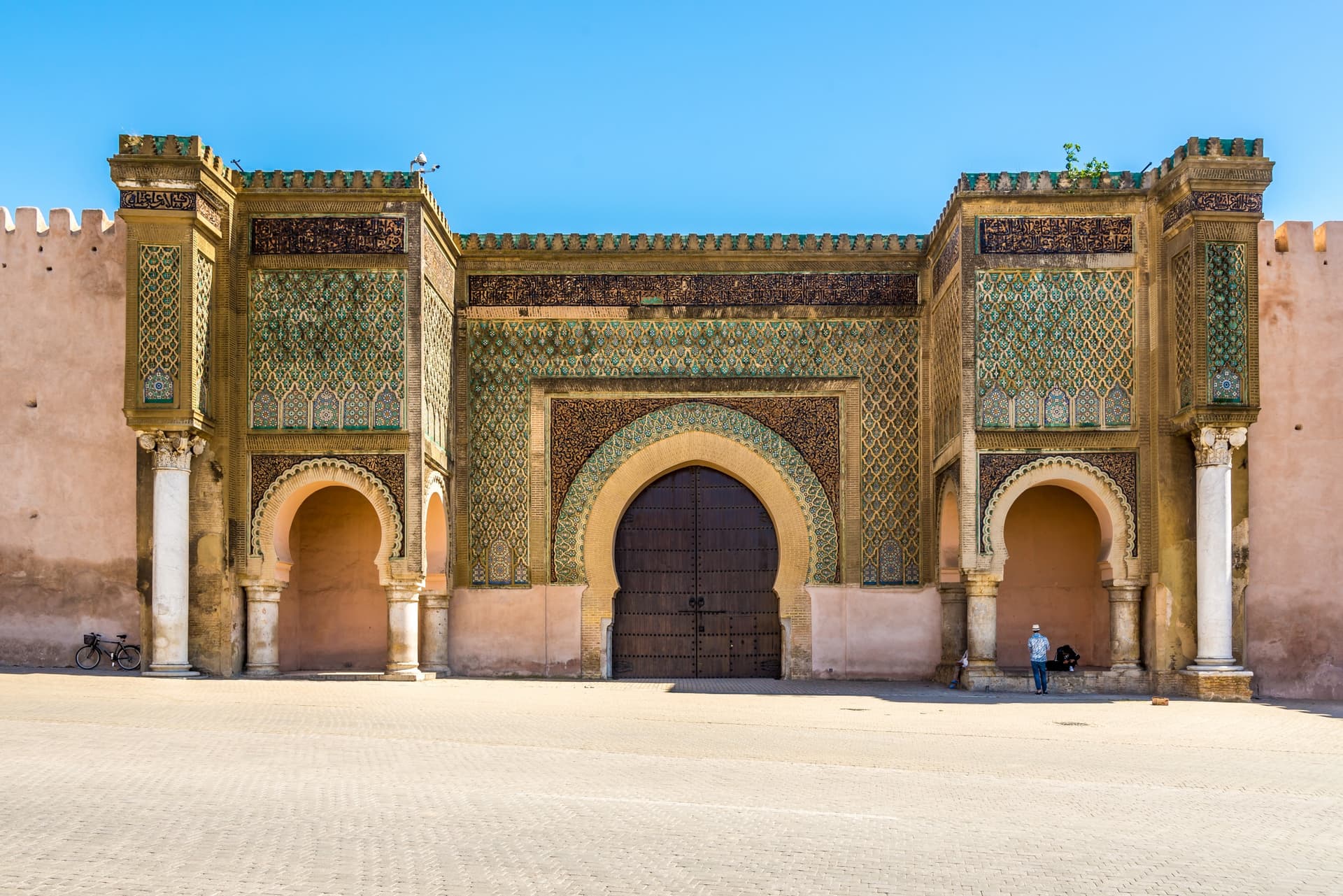
Meknes, 60 km west of Fes and often rushed through in half a day, deserves an overnight stay. Moulay Ismail made it his capital between 1672 and 1727, building a 40-km-long rampart, the Heri es-Souani granaries, and the Bab el-Mansour gate, completed in 1732. The city also serves as a base for visiting Volubilis, a Roman site 33 km to the north, and Moulay Idriss Zerhoun, a pilgrimage site perched on two hills.
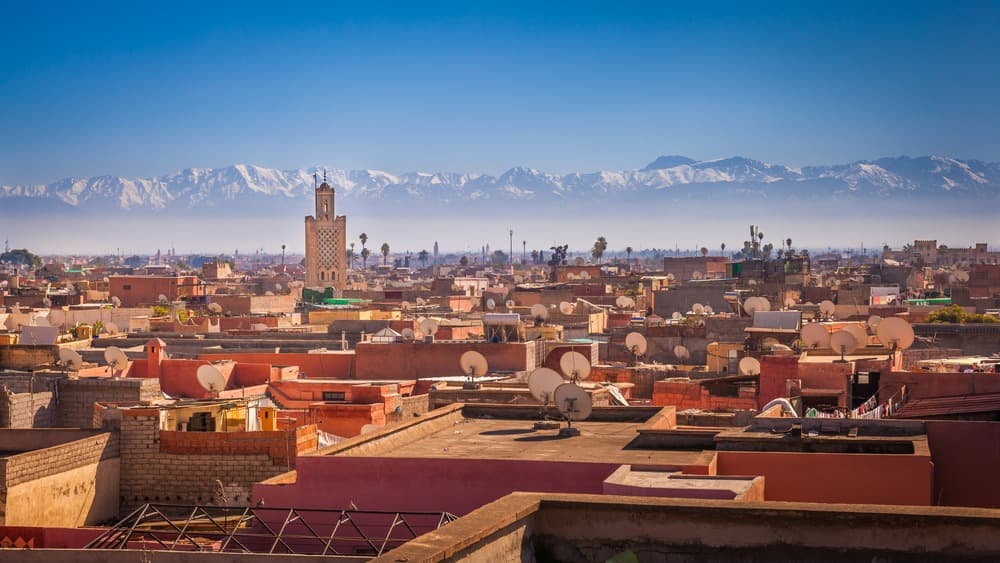
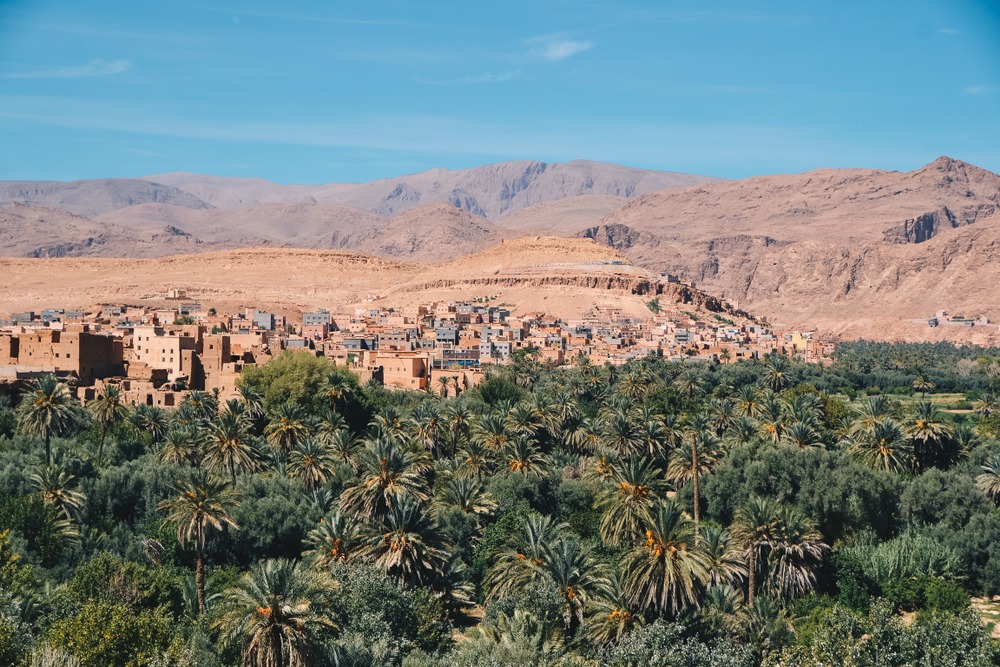
Marrakech, founded in 1070 by the Almoravides at the foot of the High Atlas, operates on a different register: ochre earth-built ramparts, a 13,000-hectare palmery to the north, and Jemaa el-Fna square, which transforms between 11am (fresh orange juice and snake charmers) and 9pm (mobile kitchens serving tangia and lamb's head, storytellers in Darija). The souks north of the square, the Bahia Palace (1894), the recently renovated Ben Youssef madrasa and the Saadian tombs span two days of walking. The Majorelle Gardens and Yves Saint Laurent Museum in the Gueliz quarter merit an extra half-day with tickets reserved in advance.
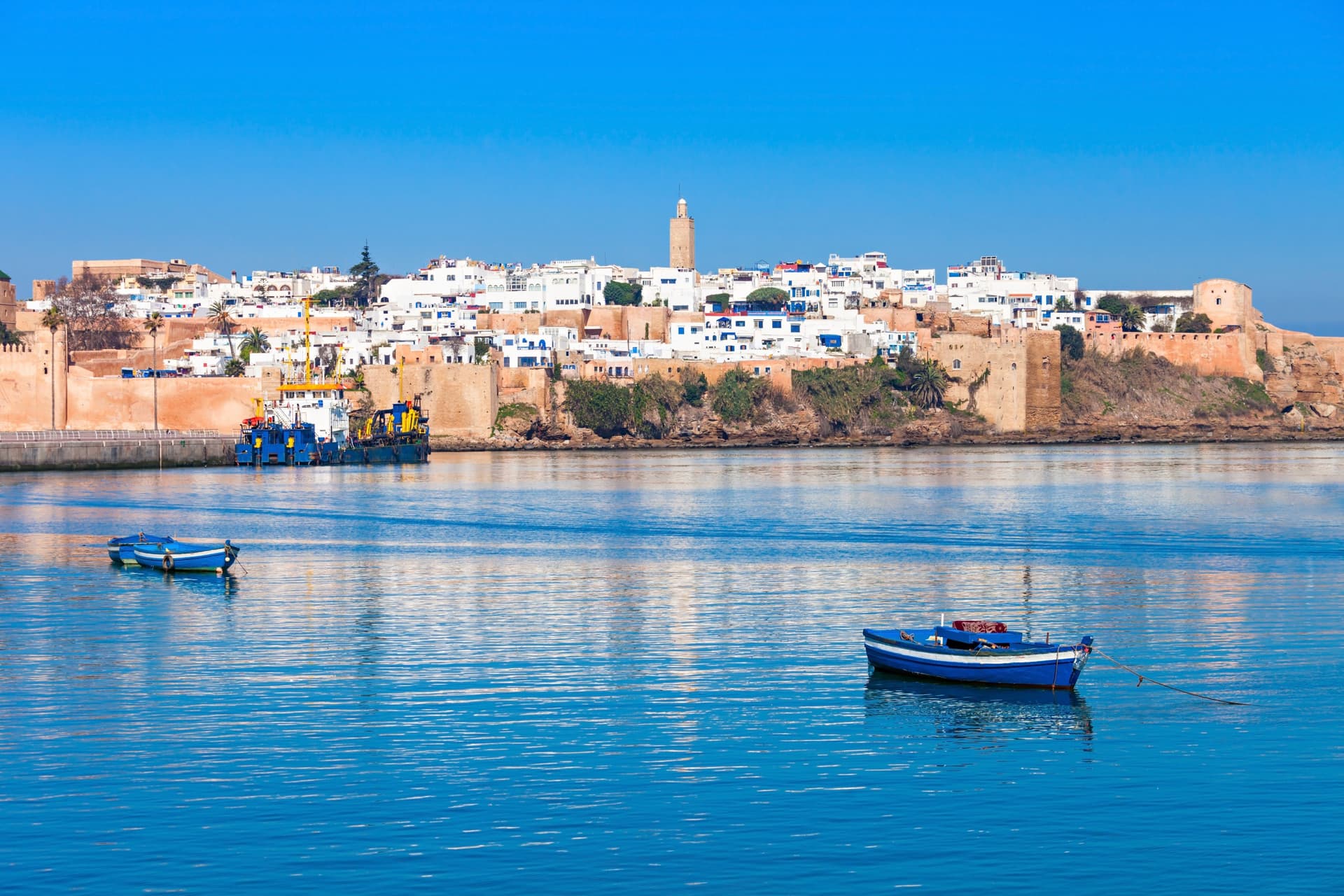
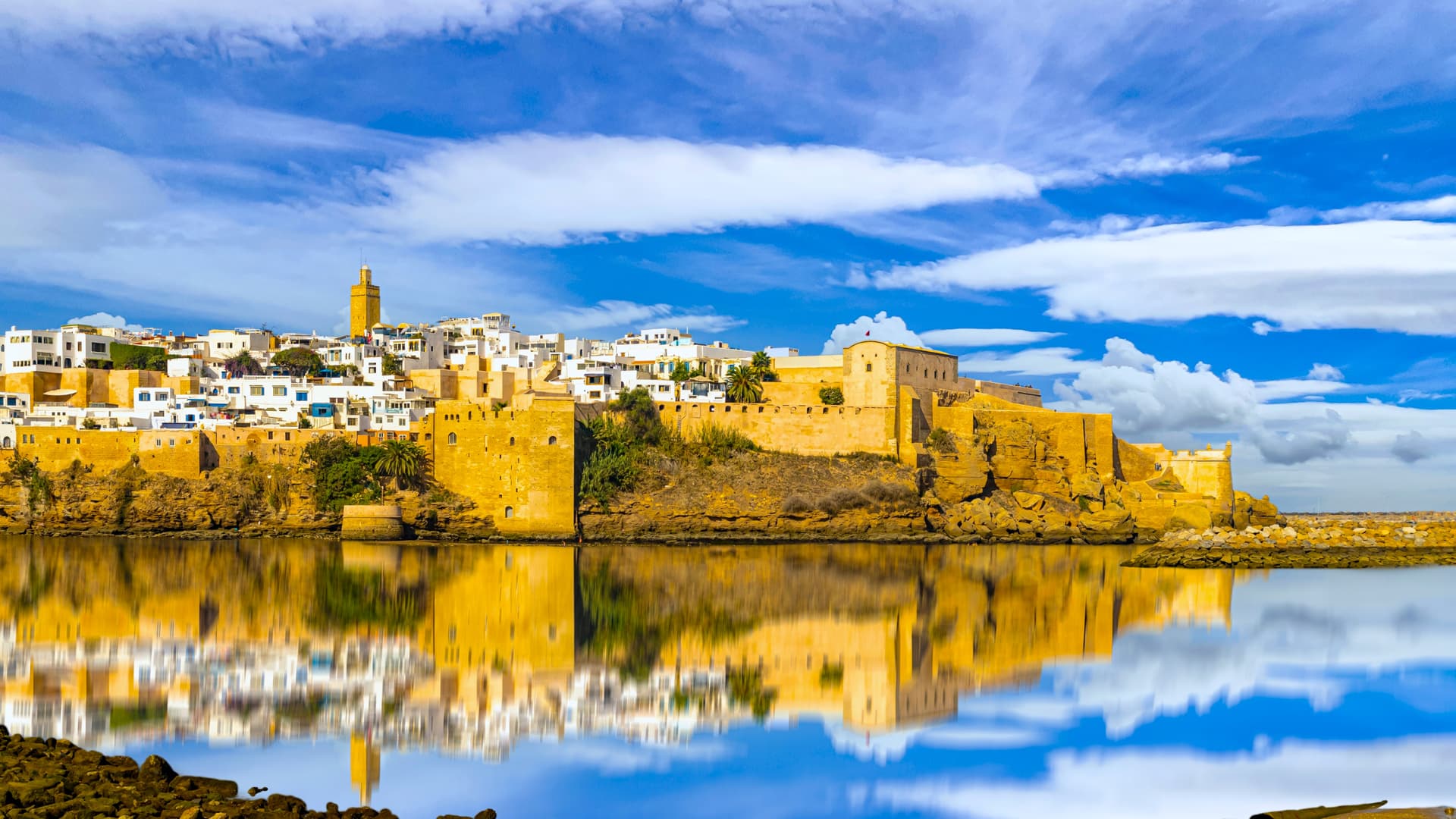
Rabat, administrative capital since 1912, is the mildest of the four thanks to its Atlantic seafront. The Kasbah of the Oudayas, overlooking the Bouregreg estuary, the unfinished Hassan Tower from 1199, the Mohammed V Mausoleum and the medina—more modest but inhabited—make for a 24-36 hour stop. It's also the logical entry point for travelers arriving at Rabat-Salé Airport or by direct train from Casablanca-Mohammed V (1 hour 10 minutes).
Each city has its culinary signatures: pigeon pastilla and harira soup in Fes, mechoui and couscous tfaya in Meknes, tangia (pot-cooked in bathhouse embers) in Marrakech, grilled fish at the Salé harbor for Rabat. Religious festivals—notably the Moulay Idriss Moussem in August and the Fes Festival of World Sacred Music in June—structure a calendar we factor in when setting dates.
Must-See
Fes el-Bali with a local guide. Two full days on foot through the world's largest inhabited medieval medina, from the Chouara tanneries to the Bou Inania madrasa, accompanied by a guide familiar with the workshops still in operation.
Jemaa el-Fna at dusk. By 7pm, Marrakech's square becomes an open-air collective kitchen. You take a seat at a bench, order a tangia or escargot soup, and watch circles form around the storytellers.
Volubilis and Moulay Idriss Zerhoun. From Meknes, a half-day to explore the Roman mosaics of Volubilis (1st-3rd centuries) then climb to the white-washed village of Moulay Idriss, closed to non-Muslims for its sanctuary but open for panoramic views from the terrace.
Kasbah of the Oudayas in Rabat. Almohad fortress with blue and white walls above the Atlantic, crossed in 45 minutes, Moorish café and views across to Salé.
Restored Ben Youssef Madrasa. Reopened in 2022 after four years of restoration, this 16th-century Saadian Quranic school is Marrakech's best-preserved space of zellige and carved cedar, best visited early morning to avoid tour groups.
When to Go
We recommend March-April and October-November for the full loop. In Marrakech, daytime temperatures hover around 24-27°C during these periods, versus 38-42°C in July-August, when walking becomes arduous after 11am. Fes, more continental, drops to 5-8°C at night in December-January and receives most of its rain between November and March (roughly 500mm annually).
Rabat, Atlantic-facing, stays mild year-round: 18°C in January, 26°C in August, with sea breezes making it a good refuge in summer. If traveling in July-August, we reconfigure the itinerary to start with Rabat and Fes (more manageable in the morning) and shorten Marrakech, or replace it with the nearby High Atlas valleys where it's 10°C cooler at altitude.
Practical Information
Allow 8 to 10 days to do justice to all four cities without rushing: 2 nights in Rabat, 2 in Fes, 1 in Meknes (or Meknes as a day trip from Fes), and 3 in Marrakech. Transfers between Rabat, Meknes and Fes are by comfortable train (Rabat-Fes in 3 hours, with Meknes midway). Marrakech is reached by train from Casablanca in 2 hours 40 minutes, or by domestic flight from Fes. Entry is equally feasible via Casablanca-Mohammed V, Rabat-Salé or Marrakech-Menara depending on European flight availability.
The loop combines naturally with the High Atlas south of Marrakech (Ourika Valley, Imlil, Toubkal ascent), or with the Southern Valleys and the Sahara if you extend by 5-7 days via Aït Ben Haddou, Ouarzazate and Merzouga. For those with more time, Chefchaouen and the Rif to the north, or Essaouira on the Atlantic Coast, offer pleasant contrast. This loop suits travelers curious about architecture, craftsmanship and gastronomy, rather than families with very young children: the medinas demand walking, patience and tolerance for human density. We lodge our clients in characterful riads within the medinas (8-12 rooms, courtyards, terraces) or downtown hotels in Rabat depending on preference.