Southern Valleys
From the palm groves of Drâa to the Todra gorges, a string of oases and earthen kasbahs to explore in 4 to 7 days from Ouarzazate.
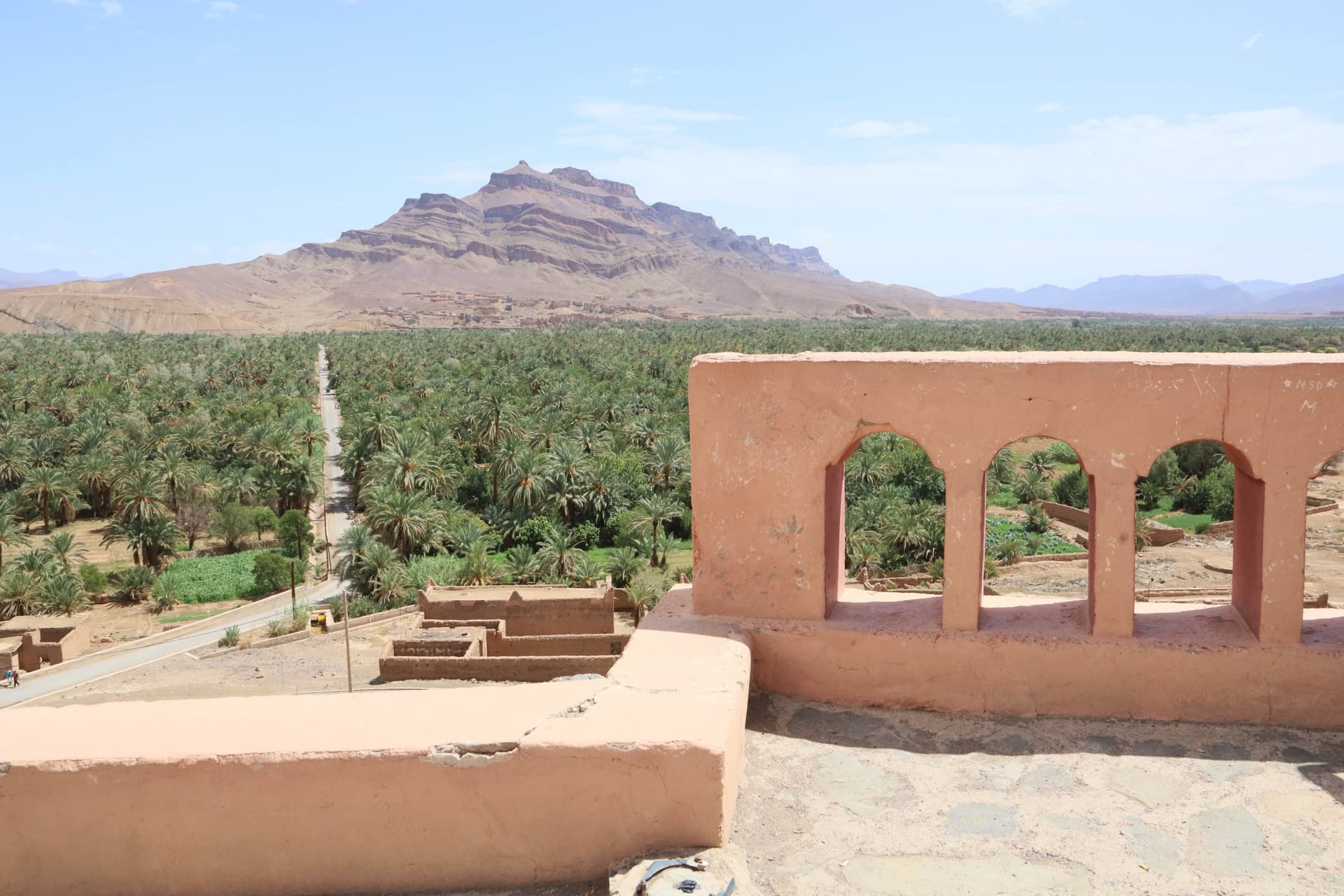
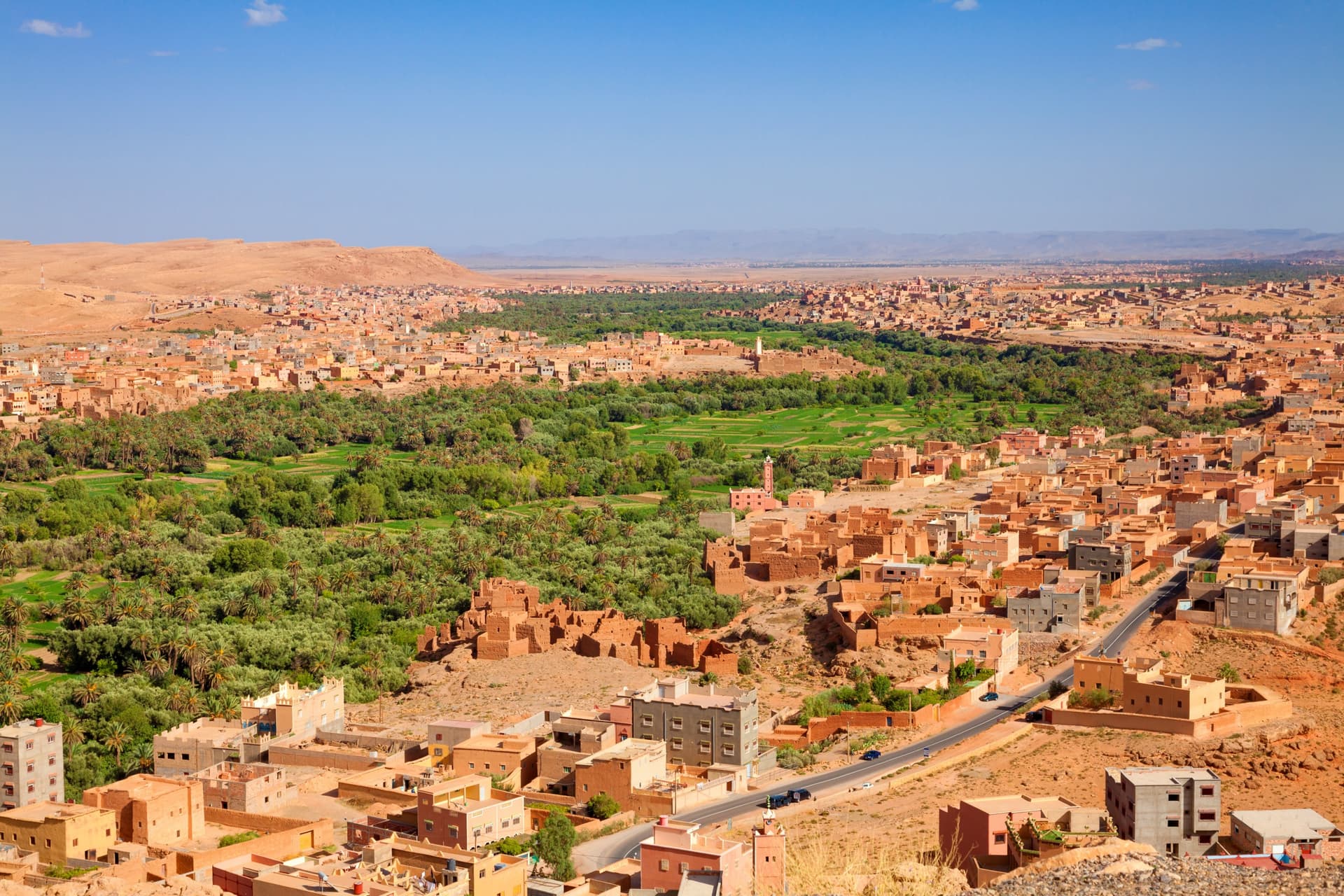
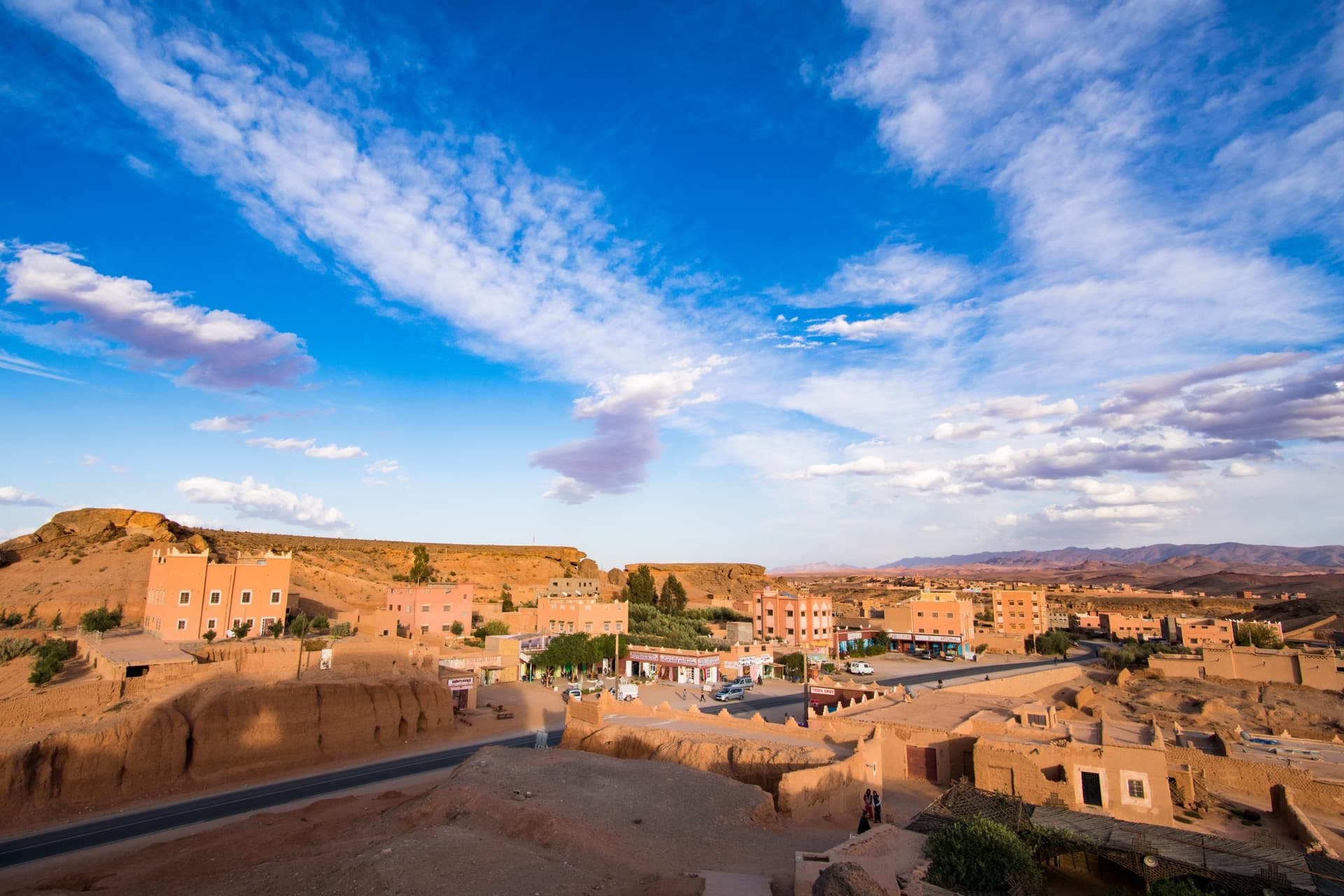
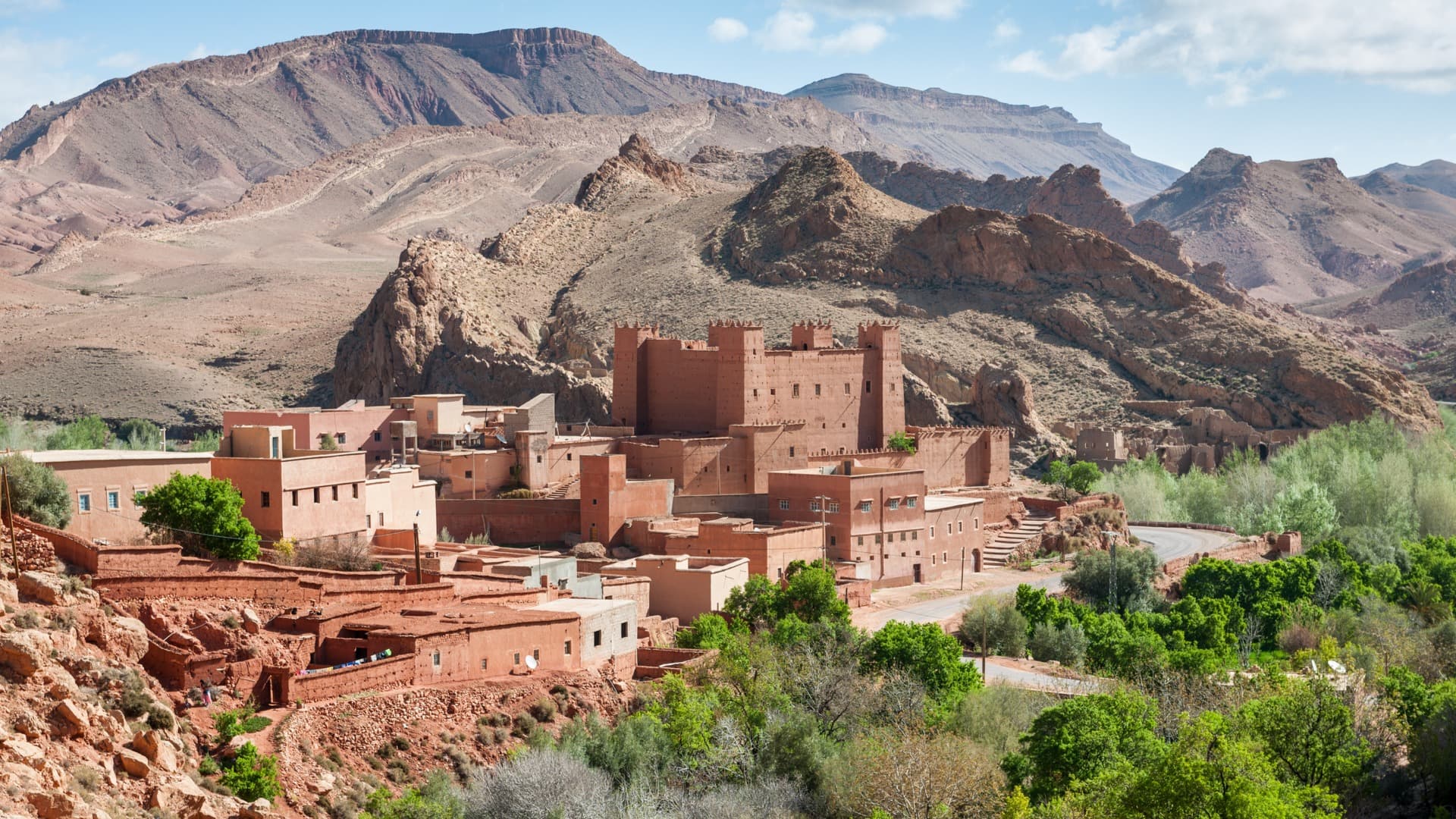
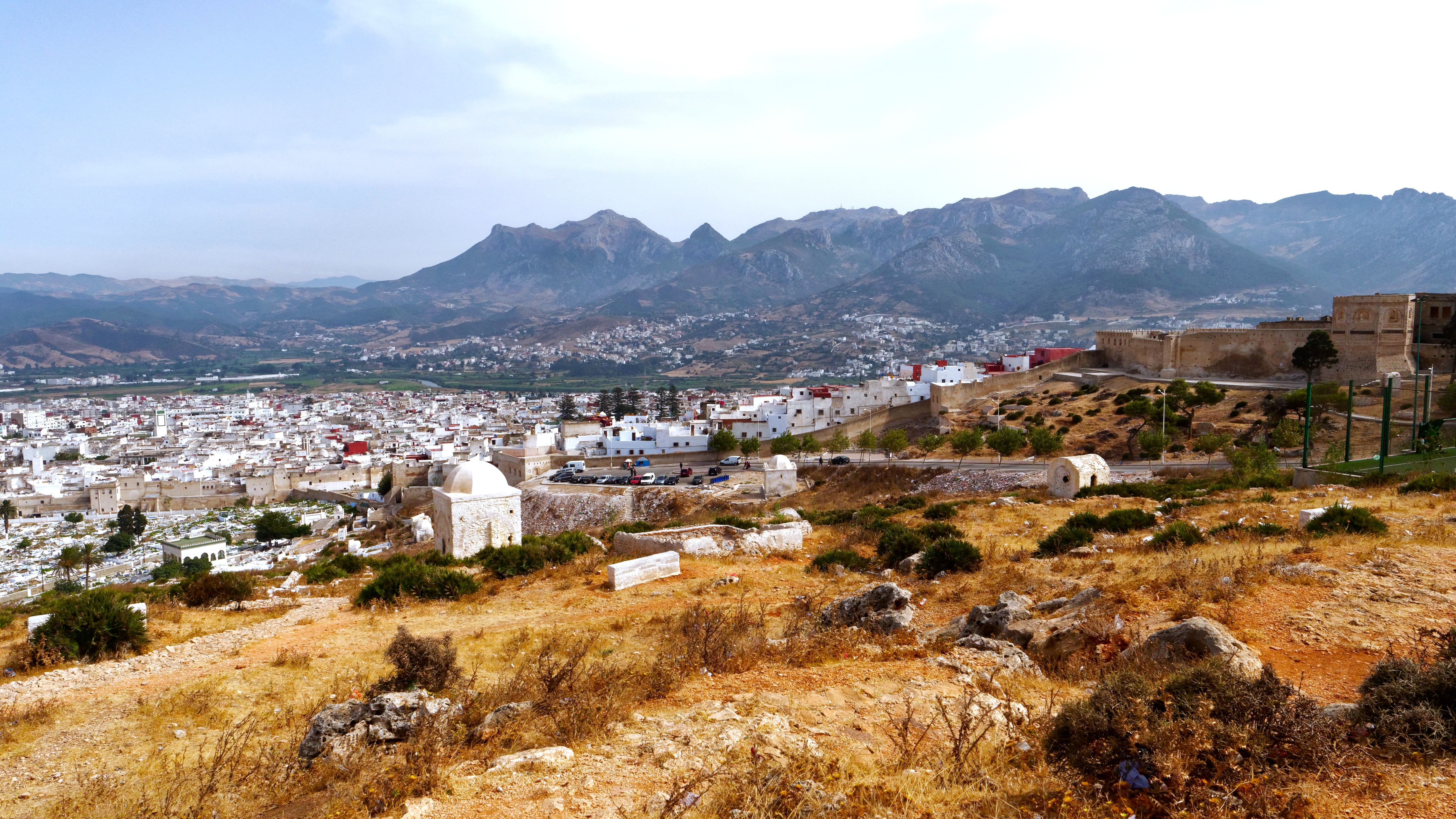
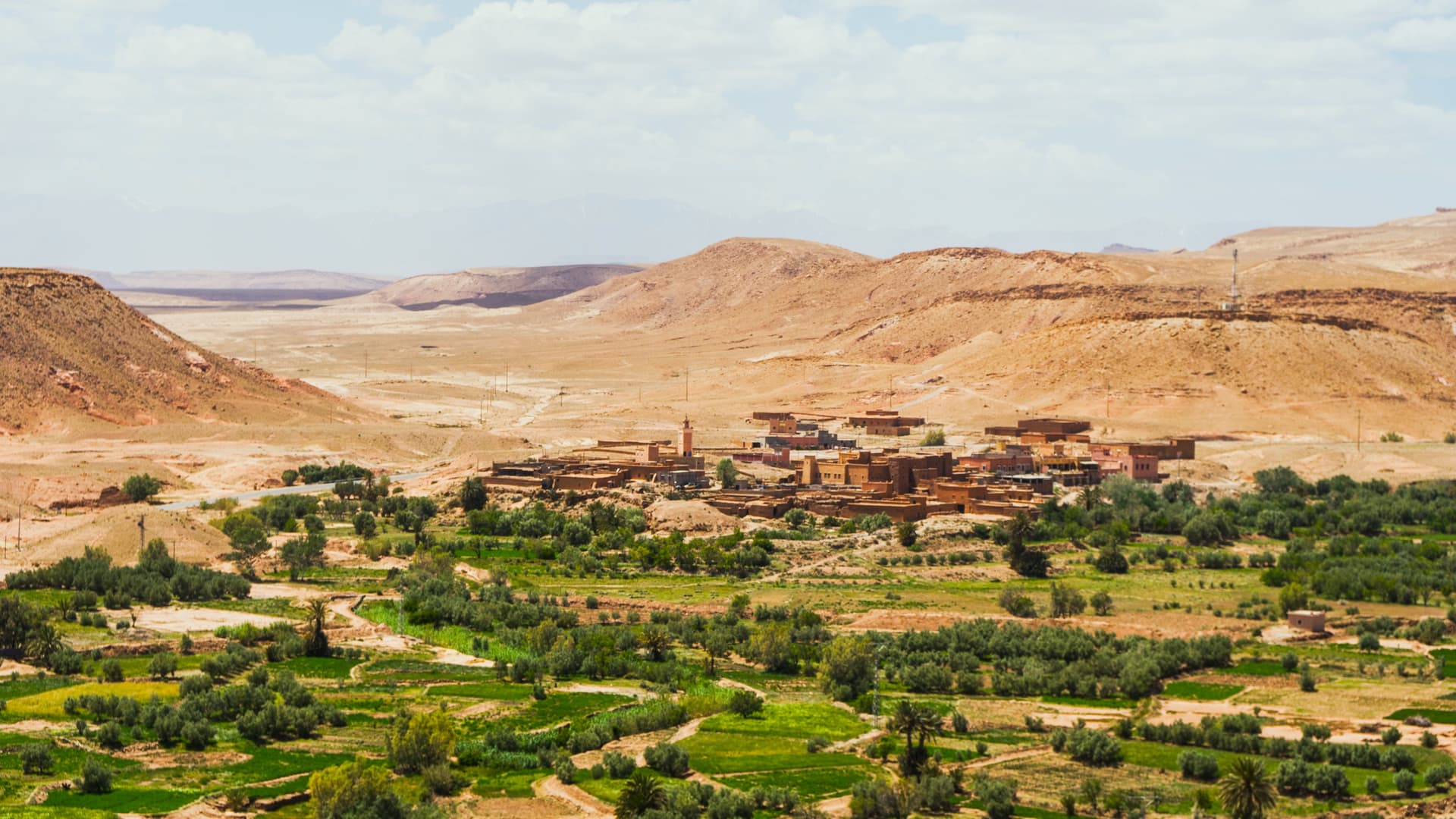
South of the Tichka Pass (2,260 m), the landscape transforms within an hour's drive. The green slopes of the Atlas give way to ochre plateaus, palm-lined riverbeds, and villages built in rammed earth. This geographical shift defines what we call the Southern Valleys: a chain of oases and gorges stretching from Ouarzazate to Erfoud, across nearly 500 km of paved tracks and secondary roads. Our team based in Marrakech has been organizing these circuits for fifteen years, and we remain committed to organizing by valley rather than in a hub-and-spoke pattern around a single town.
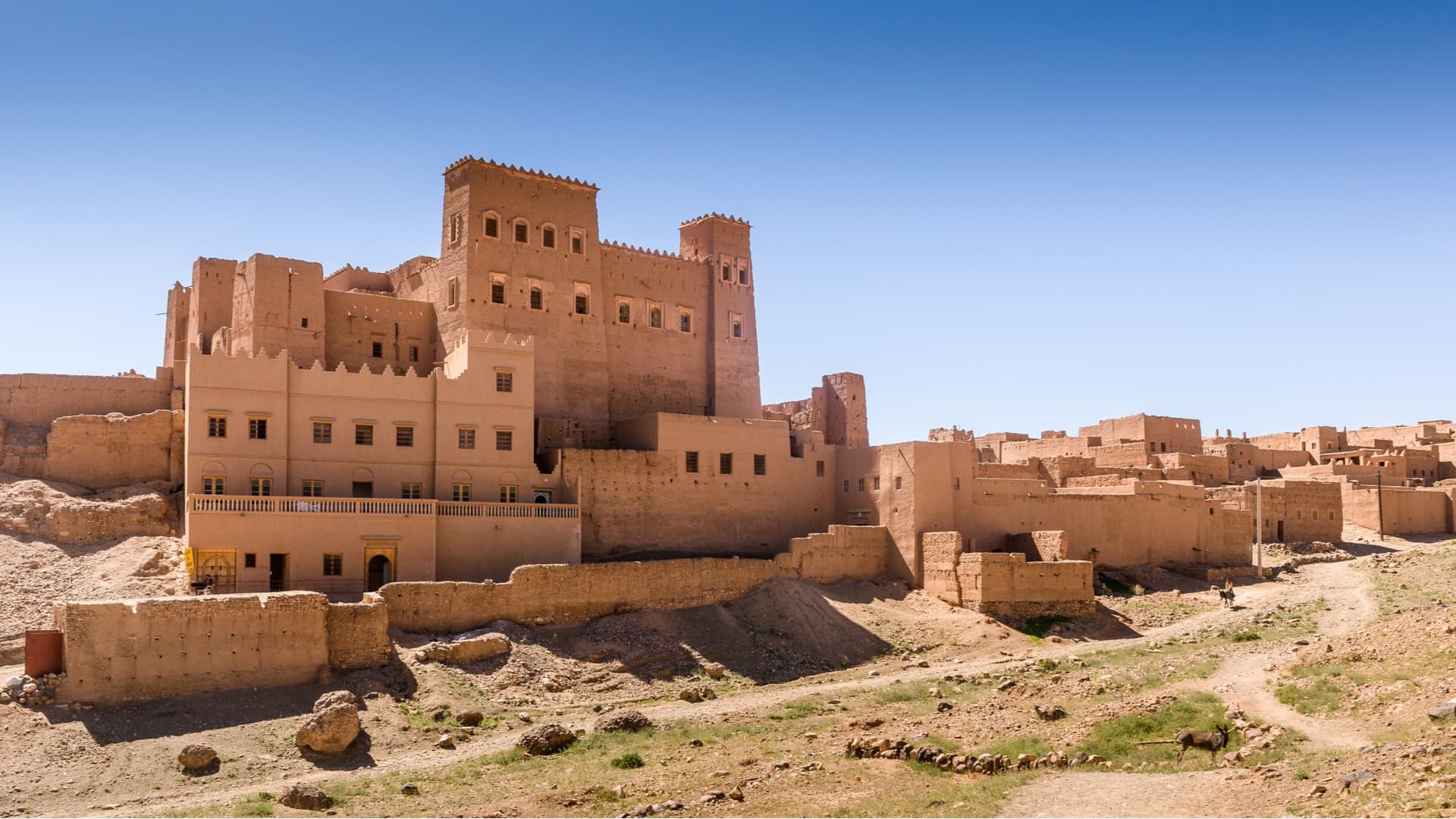
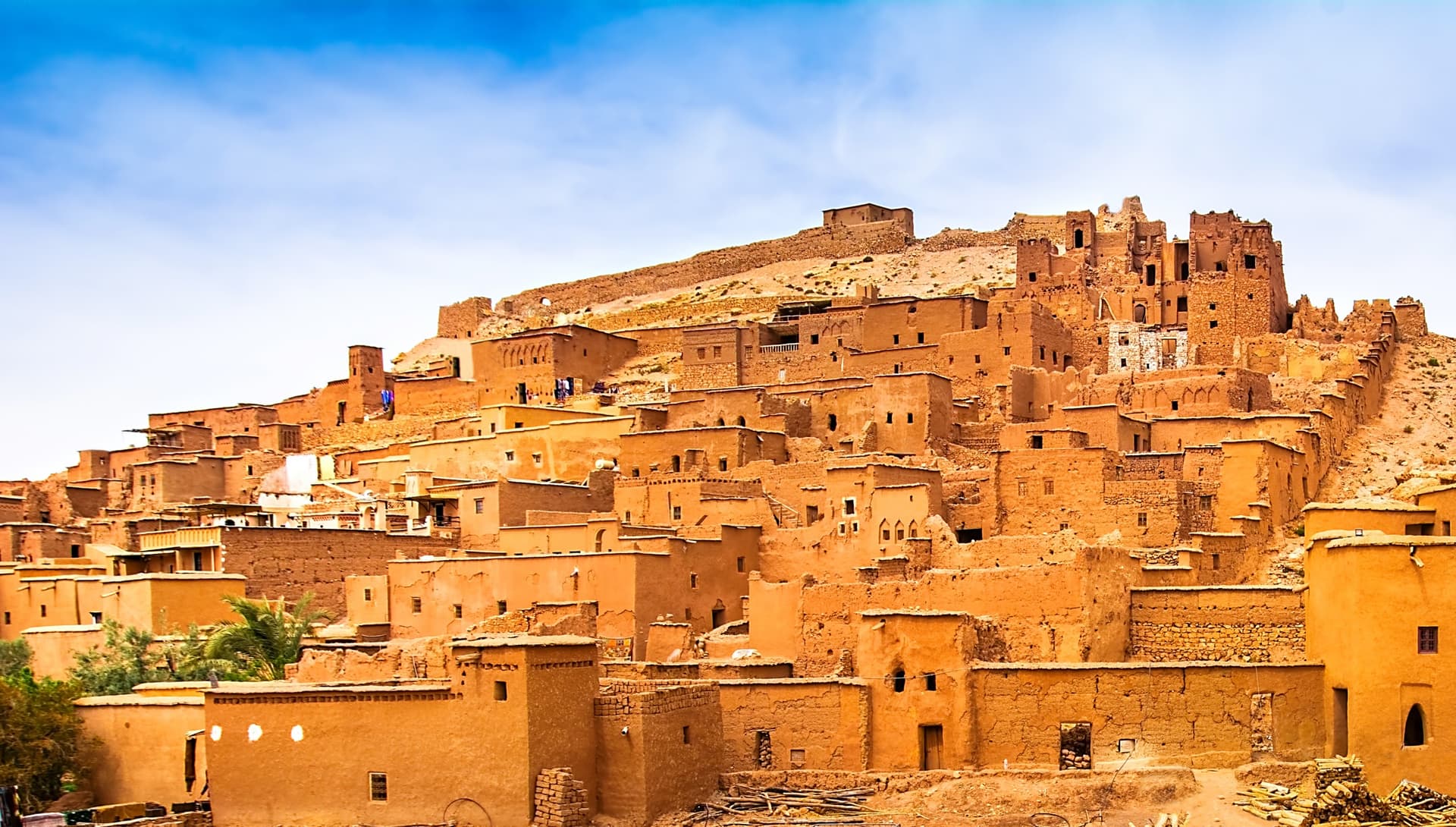
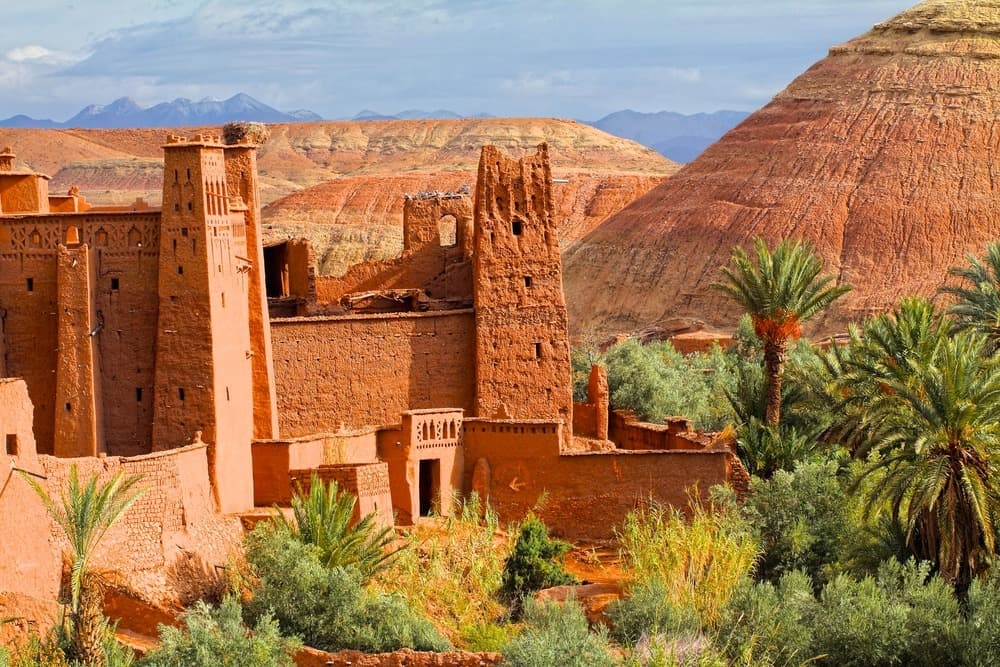
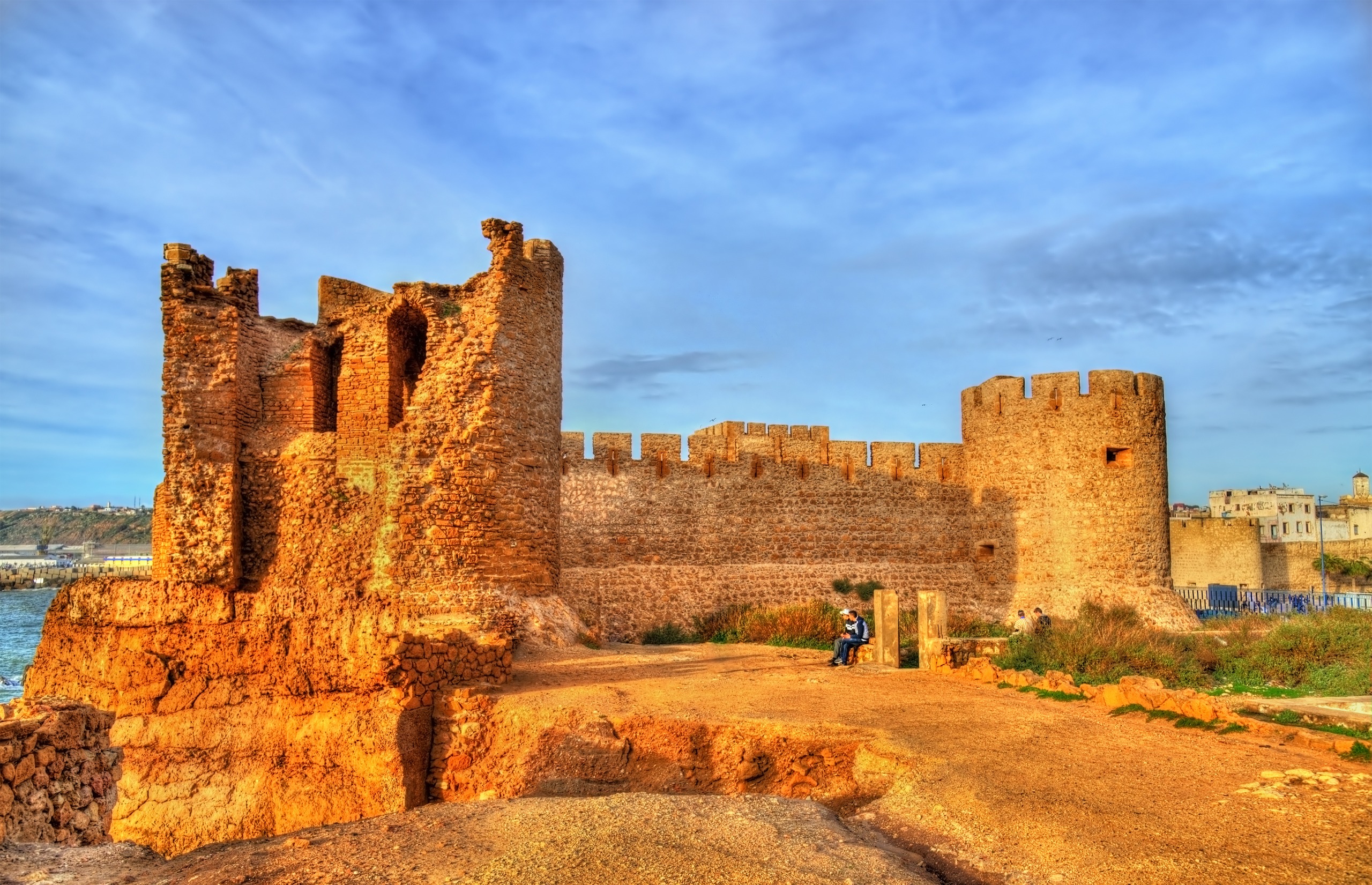
Ouarzazate serves as the logistical pivot. The city houses the Atlas Studios, where sets were filmed for Gladiator, Game of Thrones, and Lawrence of Arabia, and its airport receives flights from Casablanca. Thirty kilometers west, the ksar of Aït Ben Haddou, UNESCO-listed in 1987, still shelters a few families within its towers of rammed earth. We recommend a visit before 9 a.m. or late afternoon: coaches arriving from Marrakech occupy the site between 11 a.m. and 3 p.m. East of Ouarzazate, the Skoura palm grove concentrates some hundred kasbahs, including Amerhidil, still inhabited by its founding family.
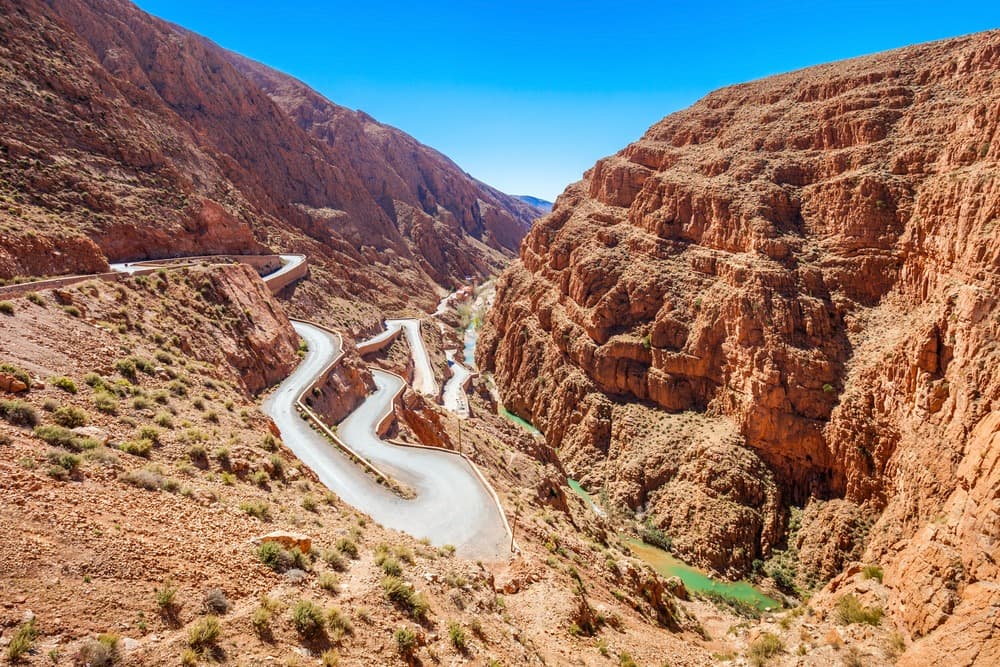
The Dadès Valley runs due north from Boumalne-Dadès. The road follows the riverbed for 60 km up to the gorges, where cliffs narrow to just a few meters wide at the village of Aït Ouffi. The Aït Atta herders still move their flocks to the M'Goun summer pastures in May and June. Further east, the Todra gorges carve a 300-meter-high fault through limestone, in places barely ten meters wide at ground level. Tinghir, at the mouth of the gorges, preserves a significant mellah, testament to the Jewish presence in southern Morocco until the 1960s.
Between these two valleys, the Thousand Kasbahs road crosses Kelaât M'Gouna and the Valley of Roses. Damask rose was introduced here in the eighteenth century and now supplies most of Morocco's rose water and absolute production. Blooming begins in late April and peaks during the first week of May, when the festival brings together cooperatives from the region. Further south, the Drâa Valley unfolds its palm grove over 200 km between Agdz and Mhamid, the last village before the dunes of Erg Chigaga. The fortified ksour of Tamnougalt and Tinzouline recall that this route was the major caravan axis to Timbuktu until the nineteenth century.
Local cuisine draws on what the oases produce: Mejhoul dates from Tinghir, almonds from Tafilalt, henna from Tazarine. Kefta tajine with eggs, harira with dates, and médfouna (Berber pizza filled with minced meat and spices) feature on the menus of the guesthouses we select. Several are set in restored kasbahs built in rammed earth, with vaulted rooms that retain coolness in summer.
Temperature swings are the primary factor to anticipate. In April, we regularly measure 28 to 32°C during the day on the Skoura plateau, and 6 to 9°C at night at altitude in the upper Dadès valley. In January, frost is not uncommon above 1,500 m. This amplitude shapes both packing and the pace of travel.
Must-See Experiences
Aït Ben Haddou at sunrise. The earthen ksar can be crossed in an hour and a half from the village of Tisgui to the collective granary on the ridge. The oblique light of 7 a.m. highlights the geometric patterns of the facades, and the site is still empty.
Todra Gorges on foot. A three-hour walk from the Yasmina guesthouse climbs the riverbed between 300-meter walls, then branches toward the hamlets of Tizgui where women still wash clothes in the irrigation channels.
Rose Festival in Kelaât M'Gouna. First week of May, the festival brings together distillers, Ahidous dancers, and women's cooperatives. We stay 15 km from town to avoid the hotel saturation of these three days.
Skoura Palm Grove by bike. An 18 km route between the kasbahs of Amerhidil, Aït Ben Moro, and Dar Aïcha, on shaded tracks beneath 30,000 date palms. Accessible to families, with negligible elevation gain.
Drâa Valley to Mhamid. 200 km of continuous palm grove from Agdz, dotted with the ksour of Tamnougalt and Tinzouline. At Mhamid, the track gives way to the dunes of Erg Chigaga.
When to Visit
The two most comfortable windows are October-November and March-April. Daytime temperatures hover between 20 and 26°C in Ouarzazate, with nights around 8 to 12°C. The rose bloom in early May justifies a specific trip to Kelaât M'Gouna, but nights remain cool at altitude (5 to 9°C in the upper Dadès).
We advise against July and August: temperatures reach 42 to 45°C in the Drâa Valley and make gorge walks grueling before 5 p.m. December to February remain practical during the day (18 to 22°C in Ouarzazate), but nights drop below freezing above 1,500 m, and some rammed-earth guesthouses offer only limited heating. Rain episodes are brief but can cut secondary tracks, notably toward M'Goun, for 24 to 48 hours.
Practical Advice
We recommend a minimum of 4 days to travel from Marrakech to Merzouga or Mhamid via the main valleys, and ideally 6 to 7 days to include a night in the Skoura palm grove, a day's walk in the Todra, the rose festival or a stop at Aït Ben Haddou outside peak hours. Entry is usually via the Tichka road from Marrakech (4 to 5 hours to Ouarzazate depending on truck traffic) or by direct flight to Ouarzazate airport.
The region pairs naturally with the Sahara to the east (Merzouga or Chigaga dunes, 1 to 2 nights in camp) and the High Atlas to the north for trekkers wishing to loop back via the M'Goun or Ourika valleys. A full circuit of Imperial Cities, Southern Valleys, and Sahara takes 12 to 14 days. Comfort ranges from a simple rammed-earth guesthouse (double room at €60) to a restored kasbah with pool and spa. The traveler profile that thrives here: contemplative lover of mineral landscapes, photographer, families with children from age 7 capable of handling 3 to 4-hour drives.