Islamic New Year (Hijri) in Morocco
The Islamic New Year, or Hijri New Year, can be puzzling for tourists visiting Morocco. A defining feature of its people and culture, it shapes the Moroccan calendar year.
The Islamic New Year, or Hijri New Year, can be puzzling for tourists visiting Morocco. A defining feature of its people and culture, it shapes the Moroccan calendar year.
The Islamic Calendar
Anyone who has traveled to an Islamic country knows that, unlike our civilization, the Islamic New Year is not a fixed date. All major religious celebrations in Islam are calculated using this calendar, which can be difficult to understand if you're not accustomed to it.
The Hijri New Year marks the beginning of the year in the Hijri or Islamic calendar. It is a lunar calendar, unlike our Gregorian calendar, and consists of 12 lunar months of 29 to 30 days. The Islamic year is therefore 11 days shorter than our Gregorian year, which explains the shifting date of the Hijri New Year from year to year.
The 1st day of this Hijri calendar, or the 1st Islamic New Year, falls on July 15 or 16, 622, and the year 1432 in the Islamic calendar spans the period between December 7, 2010 and November 26, 2011.
While the lunar calendar of the months can be calculated precisely in advance, Muslims reject this capability offered by astronomy, preferring instead to rely on direct observation. This is why certain dates are not known in advance, and why specific events may differ by a day depending on the region of the world where they occur.
The New Year
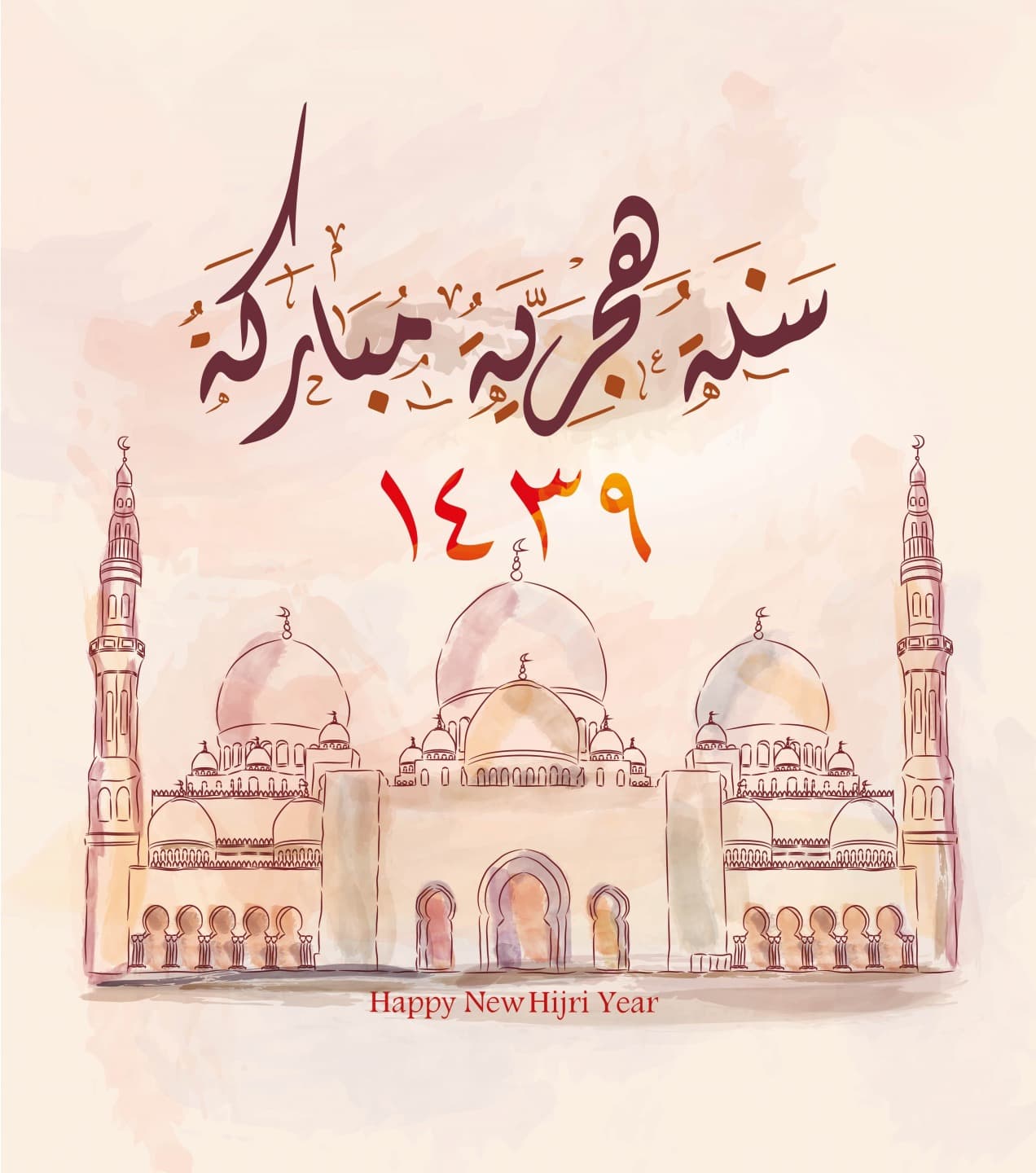
The Hijri New Year corresponds to our New Year's Day. In the Islamic calendar, it falls on the 1st of Muharram (the 1st Islamic month). If you visit Morocco, you may have the chance to celebrate New Year three times. First with the Hijri New Year, also called Ras El Am, which is a public holiday here.
However, the civil New Year, celebrated on January 1st each year, is also a public holiday. Only January 12th is not a holiday, yet it corresponds to the Berber New Year, which is based on the founding of Egypt's XVIIth dynasty by Sheshonk, a Berber chief.
In Morocco, the Hijri New Year empties the streets of cities, as families stay home. With this Islamic New Year begins the month of Muharram, one of the most sacred months of the Islamic year. Thus, on the 9th and 10th days of this month, fervor reaches its peak for the celebration of Ashura.