What to do in Merzouga, the desert town?
Merzouga is a small village at the gates of the eponymous desert, located in southeastern Maroc, just a few kilometers from the Algerian border.
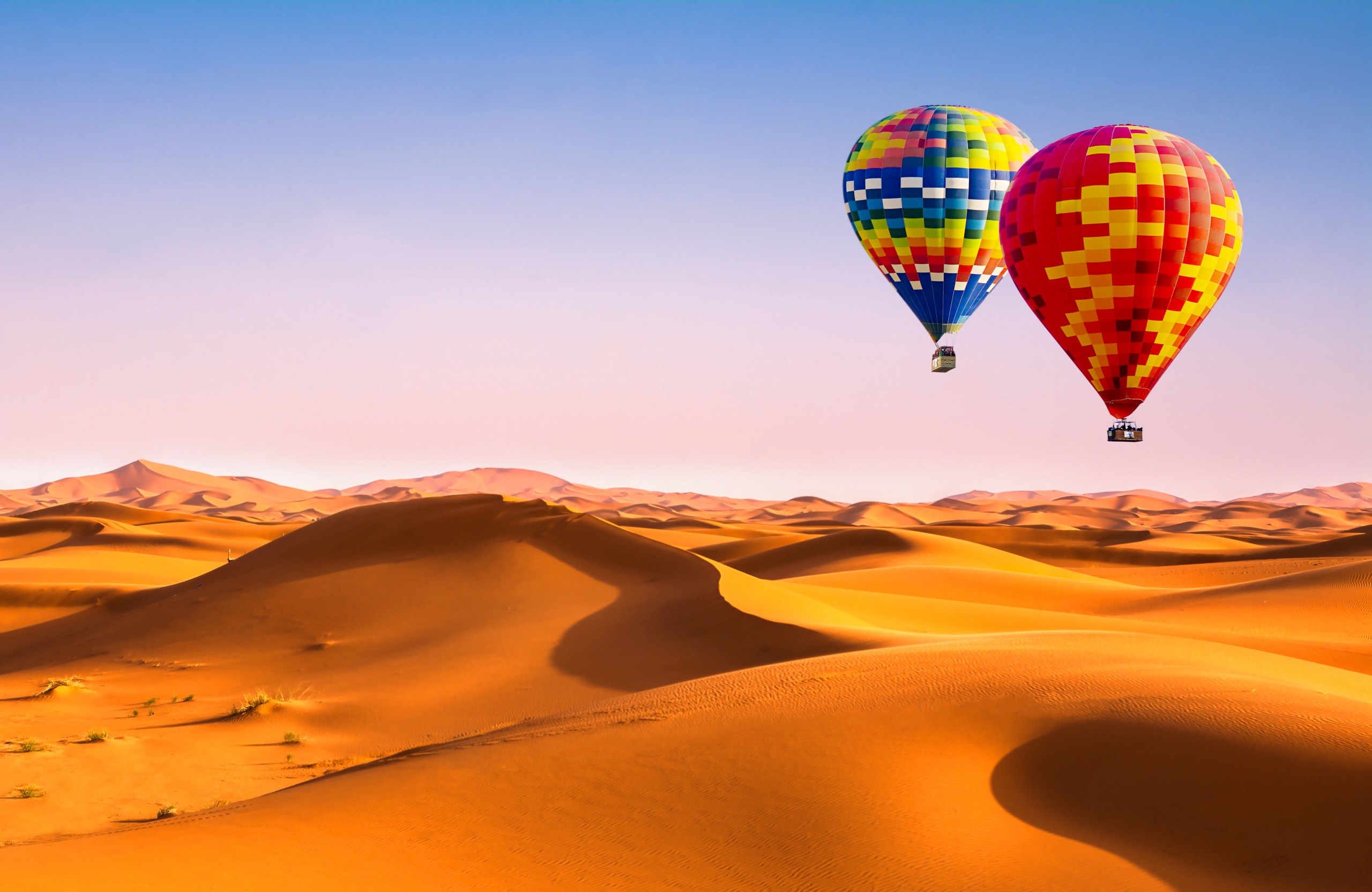
Merzouga is a small village at the gates of the eponymous desert, located in southeastern Maroc, just a few kilometers from the Algerian border. With its 110 km² of dunes, known as Erg Chebbi, it's a sought-after destination for travelers in pursuit of adventure and freedom. What to do and see in Merzouga? Follow the guide…
An easily accessible destination
The village of Merzouga is renowned for being easily accessible by transport. Indeed, you simply need to reach Route N13 before taking a practicable track leading to the desert. It's one of the most easily accessible Sahara destinations for travelers seeking an experience in the Moroccan desert.
What activities are possible in Merzouga?
Discovering the village of Merzouga
While the village of Merzouga is primarily known for its proximity to Erg Chebbi, home to Maroc's highest dunes, it remains an opportunity to discover a typical Berber village with its traditional houses, lively market, and warm inhabitants. A stroll through Merzouga village is therefore a chance to immerse yourself in the lifestyle of desert dwellers!
Trekking in Erg Chebbi, Maroc's highest dunes
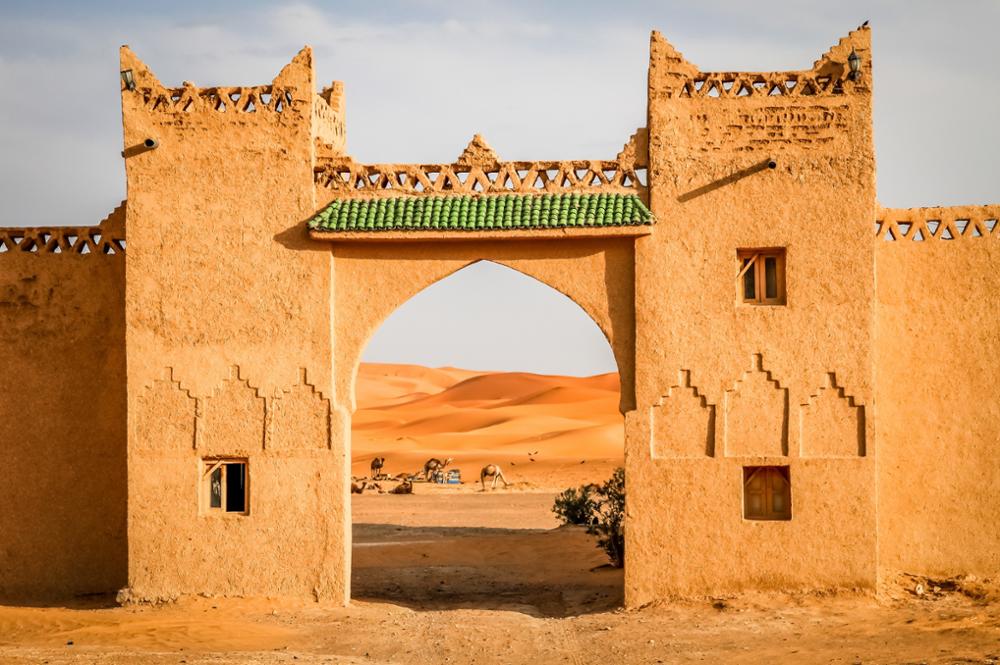
The Erg Chebbi is the main point of interest in the area. And for good reason—it's home to Maroc's highest dunes, with some reaching 150 meters high. Walking on the dunes of Merzouga and climbing to their summit is an experience absolutely worth having, given the magical landscapes found there.
From the top, you'll enjoy an exceptional panorama across this sea of sand. We recommend trekking and ascending the Erg Chebbi dunes early in the morning or late in the afternoon to avoid extreme heat, but especially to take advantage of the light and colors of sunrise or sunset.
Did you know?
The dunes of Merzouga have served as filming locations for many movies, including Lawrence of Arabia, The Mummy, and The Legionnaire.
Admiring the sunset from the Merzouga dunes
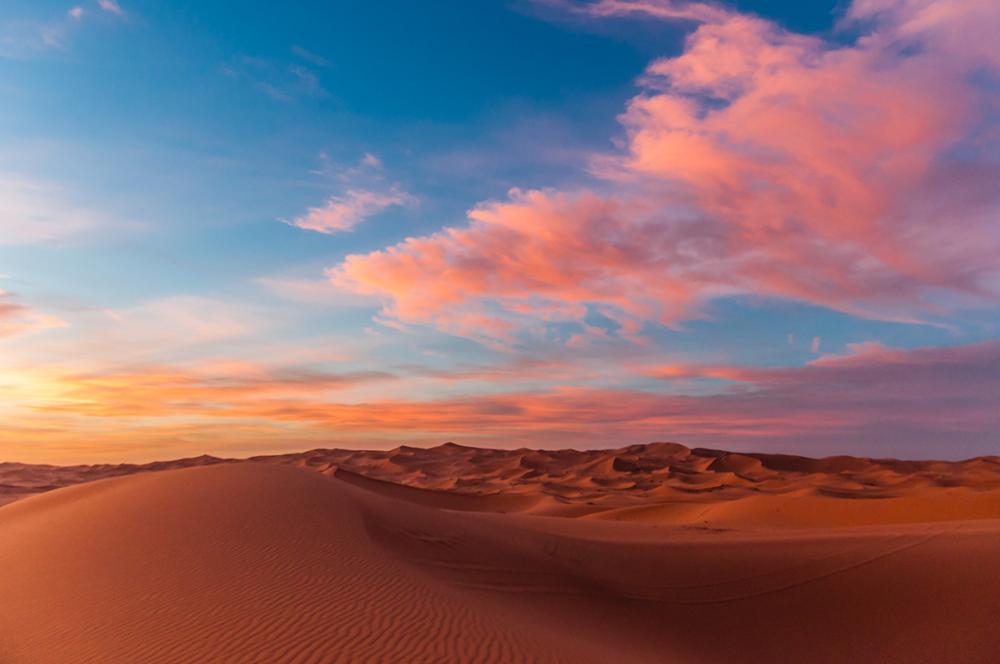
As mentioned earlier, the best time to admire the Merzouga dunes is at sunset. Picture this: endless dunes that change color second by second as the sun's light begins to fade. The calm and infinite expanse create an immense sense of freedom and add a magical dimension to the moment. Undoubtedly, it's a true performance offered by Mother Nature that leaves no one indifferent…
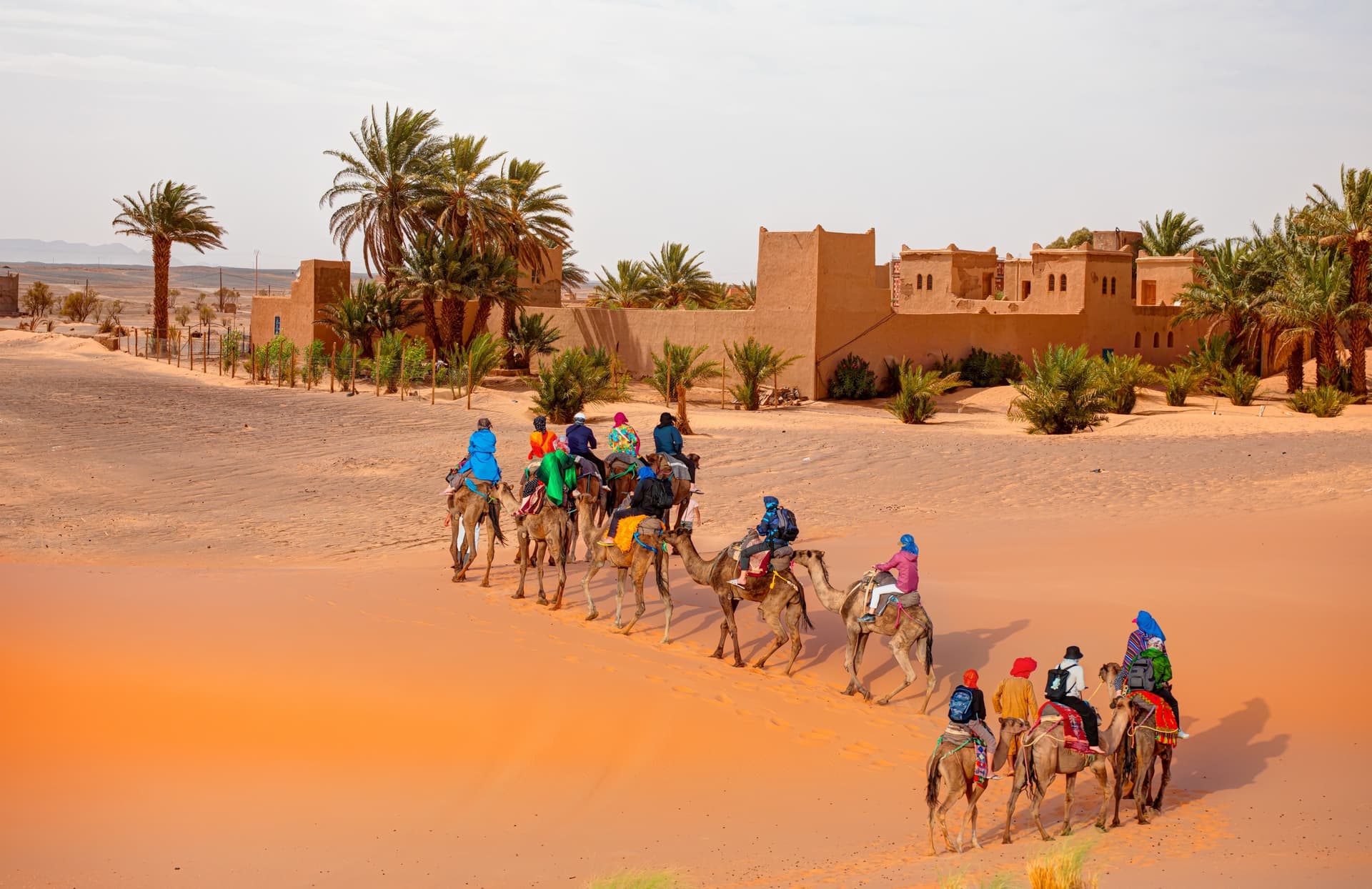
To watch the sunset from the Merzouga dunes, you can opt for an excursion on foot or by motorized vehicle. Camel rides can also be organized, though we do not support activities using animals.
Taking a sand bath
Also called psammathotherapy, arenotherapy, or sand therapy, the sand bath is an ancestral practice in Maroc. Indeed, the sand of Merzouga is renowned for its therapeutic properties: it's used notably to relieve rheumatism, skin disorders, back pain, and to eliminate toxins and improve blood circulation.
How does it work? As the name suggests, a sand bath involves burying yourself in warm sand. It's done directly in the dunes of the Merzouga desert, between June and September, when the sand is truly hot. You can also practice psammathotherapy in a cabin: practitioners completely cover patients with sand previously heated to 45°C.
Note:
Sand baths should not be taken lightly. It cannot be practiced by individuals with heart disease, diabetes, or asthma. It's advisable to undergo the experience under medical supervision to rule out any contraindications and fully enjoy its benefits.
Sleeping in the desert and admiring the starry sky
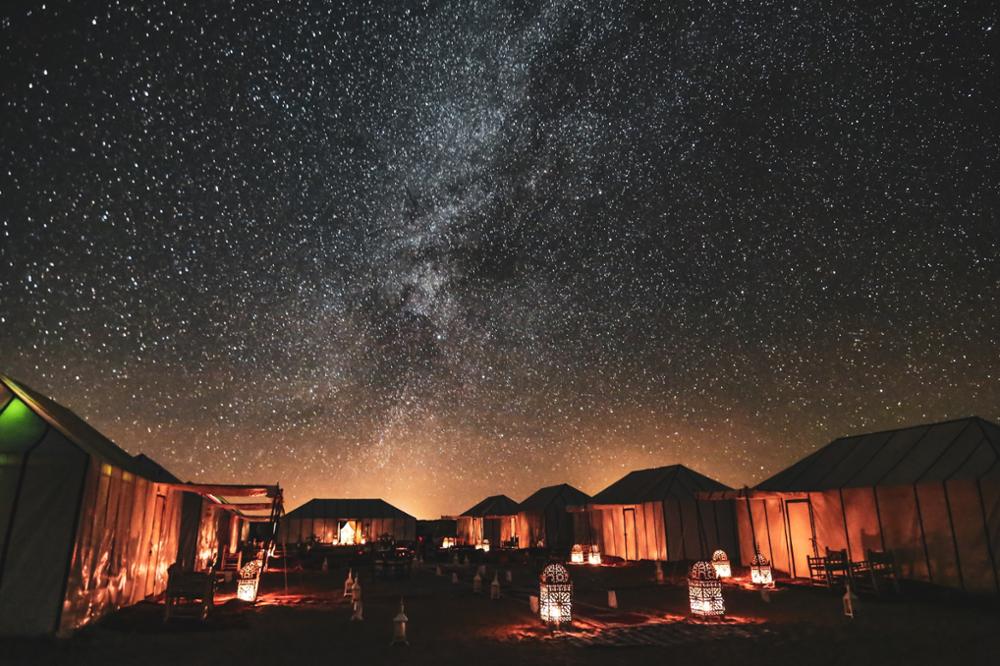
Have you always dreamed of sleeping under the stars in the desert? That wish is perfectly achievable in Merzouga. It's actually one of the most beautiful experiences to have in Maroc.
Several bivouac camps are found in the Merzouga desert. These consist of typically Berber tents (called khaïmas). These traditional tents used by nomads are made of bands of camel wool assembled and stitched around a wooden structure. On the ground, several rugs are layered for comfort and insulation.
Spending the night in the Merzouga desert offers numerous advantages. You'll be able to enjoy both sunset and sunrise since you'll be right on location. Because there's no light pollution in the dunes, you'll also be able to admire the stars as you've never seen them before.
We can also offer you an evening in the company of Berbers: around a campfire, enjoy a convivial moment accompanied by Moroccan percussion and Berber songs, watch dance performances, and taste some typical culinary specialties. An opportunity to chat with nomads and learn more about their way of life and traditions.
Good to know:
There are different bivouac camps in Merzouga. Some are rudimentary while others are more luxurious and comfortable. In the village of Merzouga itself, you'll also find hotels, guesthouses, and riads. Don't hesitate to tell us your preferences so we can organize your night in the desert!
Getting your fill of adrenaline with extreme sports
The Merzouga desert attracts travelers seeking adrenaline rushes. Many sporting and adventure activities are possible here:
Surfing the dunes (sandboarding)
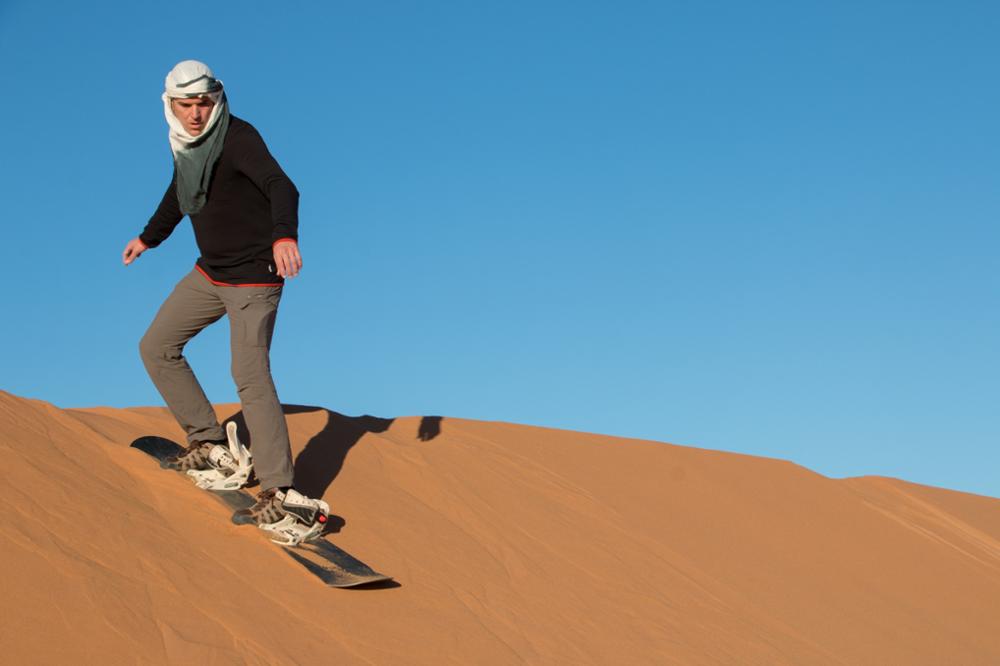
Who says you need water to surf? In Merzouga, it's possible to surf the Erg Chebbi dunes. This is called sandboarding! Derived from snowboarding, this activity lets you race down the dunes on a board. The practice is accessible to beginners.
Sand kiteboarding
After sandboarding comes sand kiteboarding! As the name suggests, the idea is to kiteboard in the desert! You'll be able to rip across the dunes on a board and let yourself be carried by the winds, make jumps, and play with the desert's relief.
Taking a quad or buggy excursion
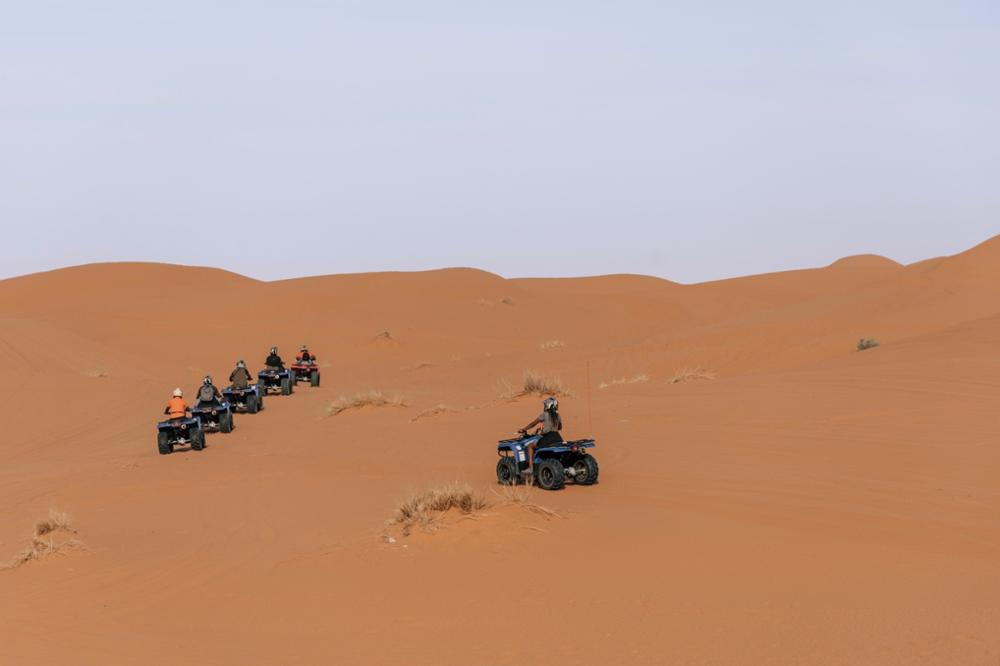
If you enjoy thrills, know that the Merzouga desert is perfect for quad and buggy excursions. With a guide, you'll be able to pilot your quad or buggy and explore the Erg Chebbi dunes. Get ready to be shaken up!
Flying over Erg Chebbi by paraglide
What if you could gain altitude to see the Merzouga desert from another angle and view the Erg Chebbi dunes in their entirety? It's possible during a paragliding flight over Merzouga!
Key takeaway:
The Merzouga desert hosts many sporting competitions and rallies. It's notably one of the stages of the famous Paris-Dakar. The 4L Trophy Raid and the Aïcha des Gazelles Rally also pass through here.
Unfortunately, these activities and the development of motorsports for tourism purposes threaten the region's balance and biodiversity. If respecting the environment is, like us, one of your priorities, we recommend visiting the Merzouga desert on foot and sticking to non-motorized activities (surfing, kiteboarding, paragliding…).
What to do and see around Merzouga?
While the Merzouga dunes are worth the trip on their own during a Maroc vacation, there are also other interesting sites nearby, such as:
Dayet Srij Lake
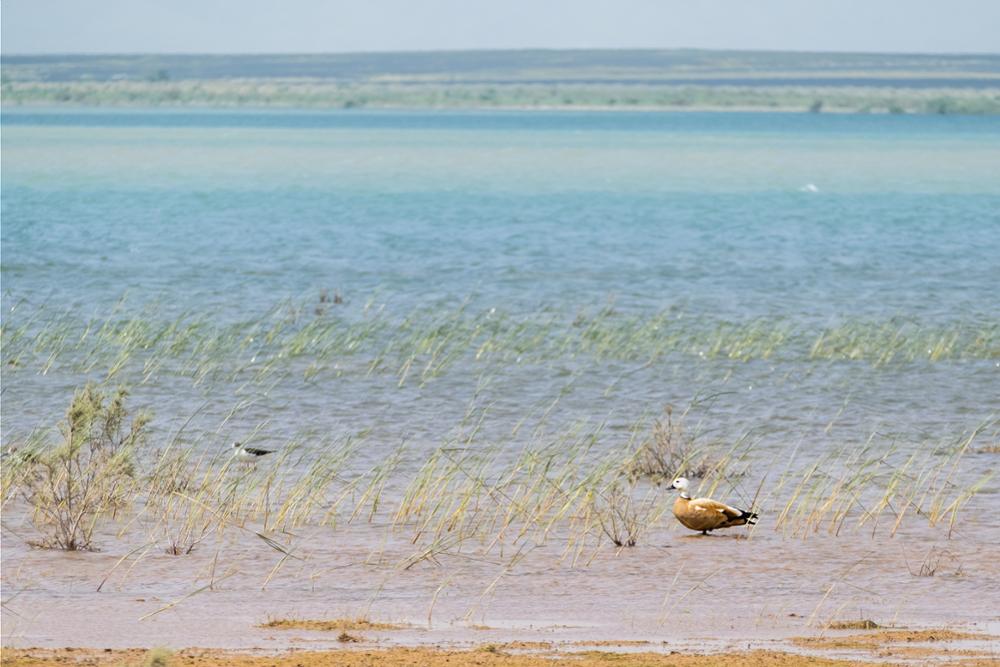
Just 4 kilometers northwest of the village of Merzouga lies Dayet Srij Lake, a seasonal lake that forms during winter. Surrounded by the Erg Chebbi dunes, it offers a breathtaking panorama. More importantly, it harbors incredible biodiversity, attracting numerous birds from November to May. Among the birds to observe at Dayet Srij Lake are pink flamingos, black and white storks, Barbary falcons, Blue-cheeked Bee-eaters, and many more…
As you can see, Dayet Srij Lake is a small paradise for nature lovers and ornithology enthusiasts!
The village of Khamlia
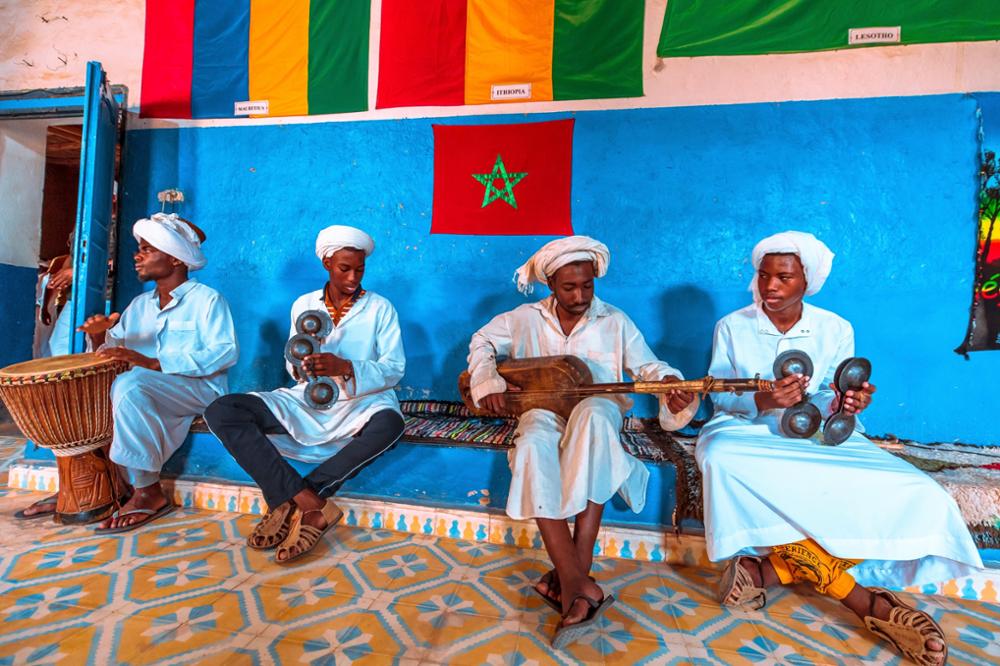
Located near the village of Merzouga, the village of Khamlia is known for its people: the Gnawas. Originally from sub-Saharan Africa, they are descendants of enslaved Black Africans. Renowned as musicians, they practice Saharan trance using drums, guembris, and qaraqebs.
The city of Rissani and the Moulay Ali Cherif Mausoleum
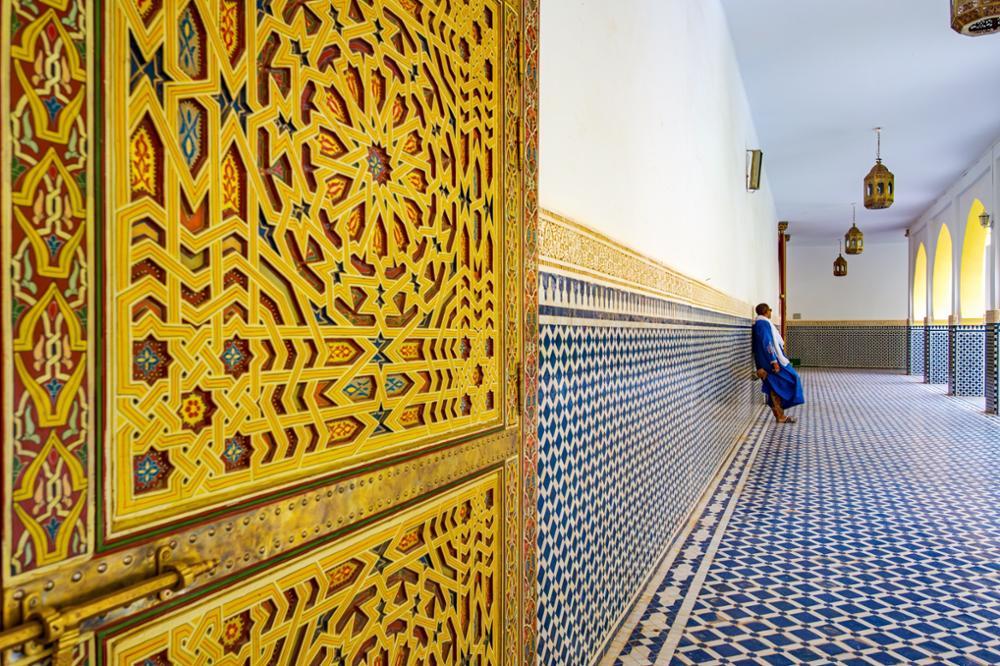
Another city to discover during a stay in Merzouga is Rissani. A former capital of Tafilalet, it's considered the birthplace of the Alaouite dynasty. It features a large souk, ancient ksours, and the Moulay Ali Cherif Mausoleum. The latter houses the tomb of the first founder of the Alaouite Dynasty.
The abandoned mines of the Merzouga desert
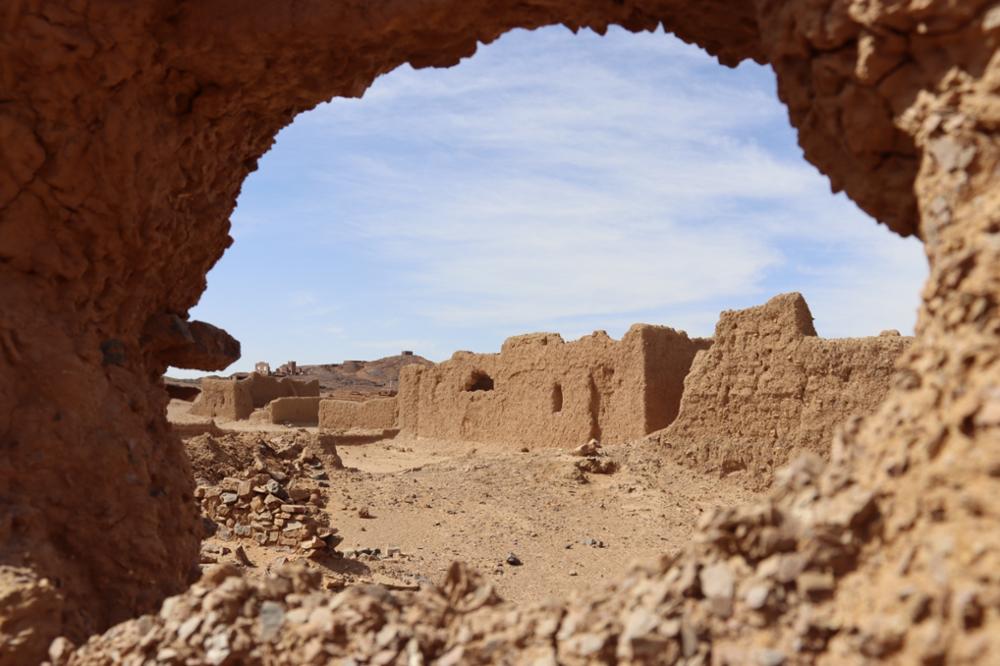
Still in the same area, you'll find abandoned mines bearing witness to the region's rich industrial past. Exploited by the French until 1965, quartz, lead, and tungsten were extracted from them. Abandoned since, the defunct facilities give the location an apocalyptic atmosphere. Only a few local miners still come to work there in an artisanal manner.
Practical Information:
What's the best time to visit Merzouga?
The best time to visit the Merzouga desert is October to May to enjoy milder temperatures. It's also when you can see Dayet Srij Lake and observe birds. Avoid, however, the months of June, July, and August, when the heat can be unbearable.
What equipment should you bring to visit Merzouga?
To enjoy a stay in Merzouga under good conditions, make sure to bring:
Sun protection: sunscreen, sunglasses, hat, cheche or Saharan cap (which protects the back of your neck);
Light, loose, breathable, and covering clothing;
Warm clothing for the evening (the temperature differences between day and night are impressive);
Good high-top hiking shoes (to keep sand out);
A water bottle and water reserves.
Also remember to bring trash bags so you don't leave any waste behind.
How long should you plan for a stay in Merzouga?
We recommend staying at least 2 days on location (not counting travel time) so you can sleep in the Merzouga desert and meet local populations. To discover the region's points of interest (villages, lake, abandoned mines…), plan for 3 days on location.
Why hire a guide to visit the Merzouga desert?
The reasons to visit Merzouga with a guide are numerous. You can learn more about the various natural sites, Saharan fauna and flora, and Berber cultural customs. It's also the best way to visit the desert safely. Getting lost in the desert can be very dangerous, especially when there's no way to take shelter in 40°C heat…
Frequently asked questions
The best time to visit Merzouga extends from October to May, when temperatures are milder. It's also the ideal season for observing migratory birds at Dayet Srij Lake. Avoid the months of June, July, and August when temperatures can exceed 45°C and make visiting very difficult.
Merzouga is located approximately 560 km from Marrakech, or about 7 to 8 hours of driving by car via Route N9 and N10. It's also possible to go via Fès (approximately 560 km via N13). Organized excursions from Marrakech or Fès often include round-trip transportation.
Allow a minimum of 2 days to enjoy the Erg Chebbi dunes and spend a night bivouacking in the desert. To also visit surrounding sites (Dayet Srij Lake, Khamlia village, Rissani), plan for 3 days on location, not counting travel time.
Yes, many bivouac camps offer nights in traditional Berber tents (khaïmas) in the heart of the Erg Chebbi dunes. Some camps are rudimentary while others offer greater luxury and comfort. Spending a night in the desert allows you to enjoy sunset and sunrise directly from the dunes and admire an exceptional starry sky with no light pollution.
Merzouga offers several family-friendly activities: trekking in the Erg Chebbi dunes, sandboarding (dune surfing) accessible to beginners, visiting Dayet Srij Lake to observe flamingos and other birds, and an evening of culture around a campfire with Moroccan music and Berber dances. For children, bivouacking in the desert and discovering the starry sky often create unforgettable memories.
Sand bathing (psammathotherapy) is a traditional practice in Merzouga between June and September. Although renowned for its benefits for rheumatism and blood circulation, it's inadvisable for people with heart disease, diabetes, or asthma. It's strongly recommended to practice it under medical supervision or with an experienced practitioner.