Complete guide to Morocco
Our local team writes this guide from the capital, Rabat, after more than fifteen years traveling the roads of the kingdom. Morocco fits rare contrasts within a few hours' drive: the medina of Fès and its 9000 alleyways, the snow-capped peaks of the High Atlas culminating at Toubkal at 4167 meters, the dunes of Erg Chebbi near Merzouga, and the Atlantic coasts battered by Essaouira's winds.
Four major regions structure a coherent itinerary. The imperial cities (Fès, Meknès, Marrakech, Rabat) concentrate Andalusian and Berber heritage. The Atlas, in three distinct massifs, opens onto the valleys of the Dadès and Drâa, lands of red clay dotted with ksours. The Sahara, accessible from Ouarzazate or Erfoud, requires a minimum of two days' drive but rewards with nights under Berber tents 1000 km from the capital. The Atlantic coast, from Essaouira to Sidi Ifni, offers a cooler alternative in summer.
Two particularities to keep in mind: the cuisine, highly regional (pastilla from Fès, lamb tagine with prunes from the South, grilled fish from Essaouira), and the language, Moroccan Arabic coexisting with three Berber variants and English widely spoken. For a first trip, allow 10 to 14 days to connect two or three regions without rushing.
The regions of Morocco
Each region has its own personality: climate, landscapes, pace of life and ways of traveling. Our local team helps you choose the combination that suits you.
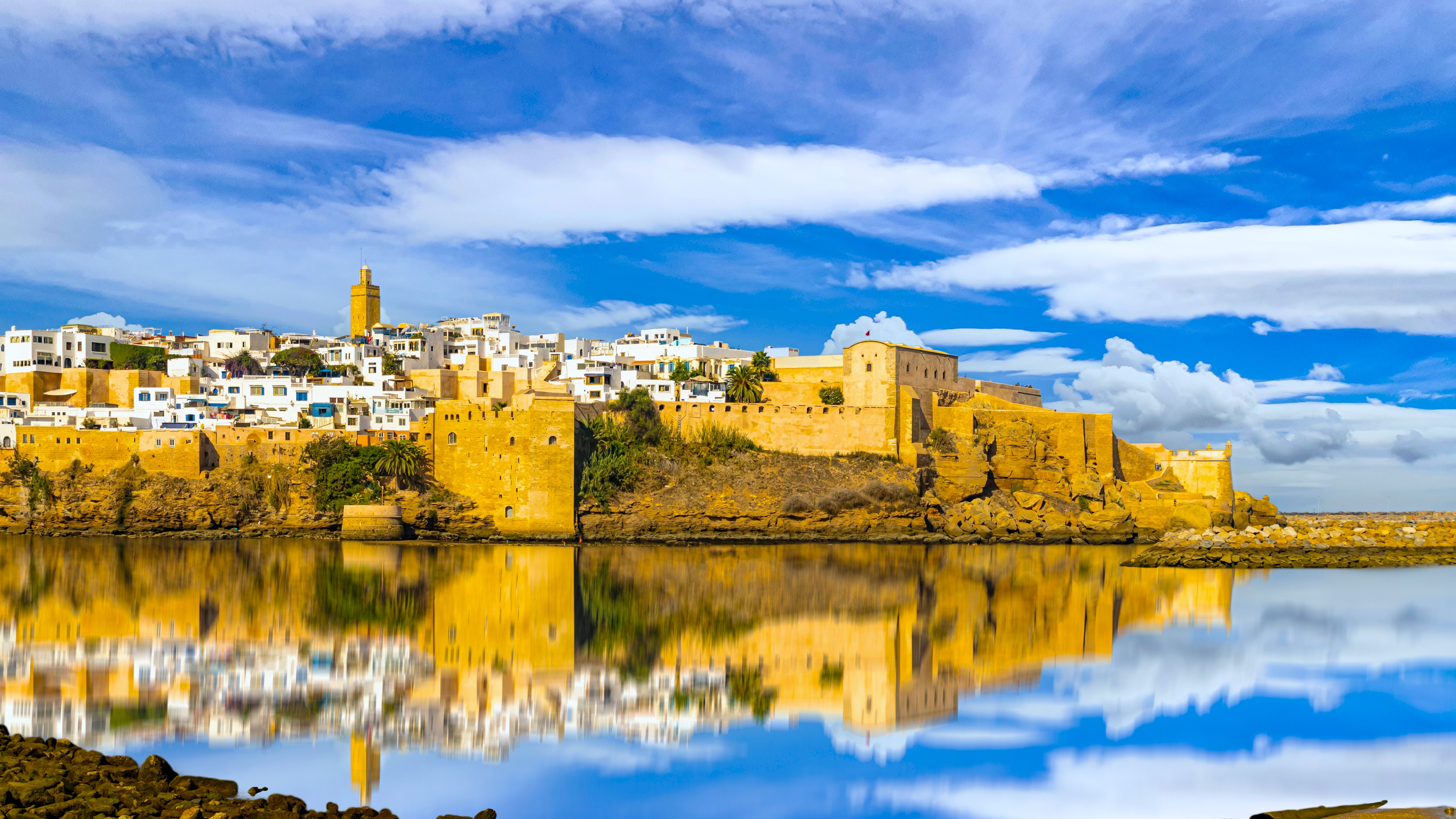
Imperial Cities
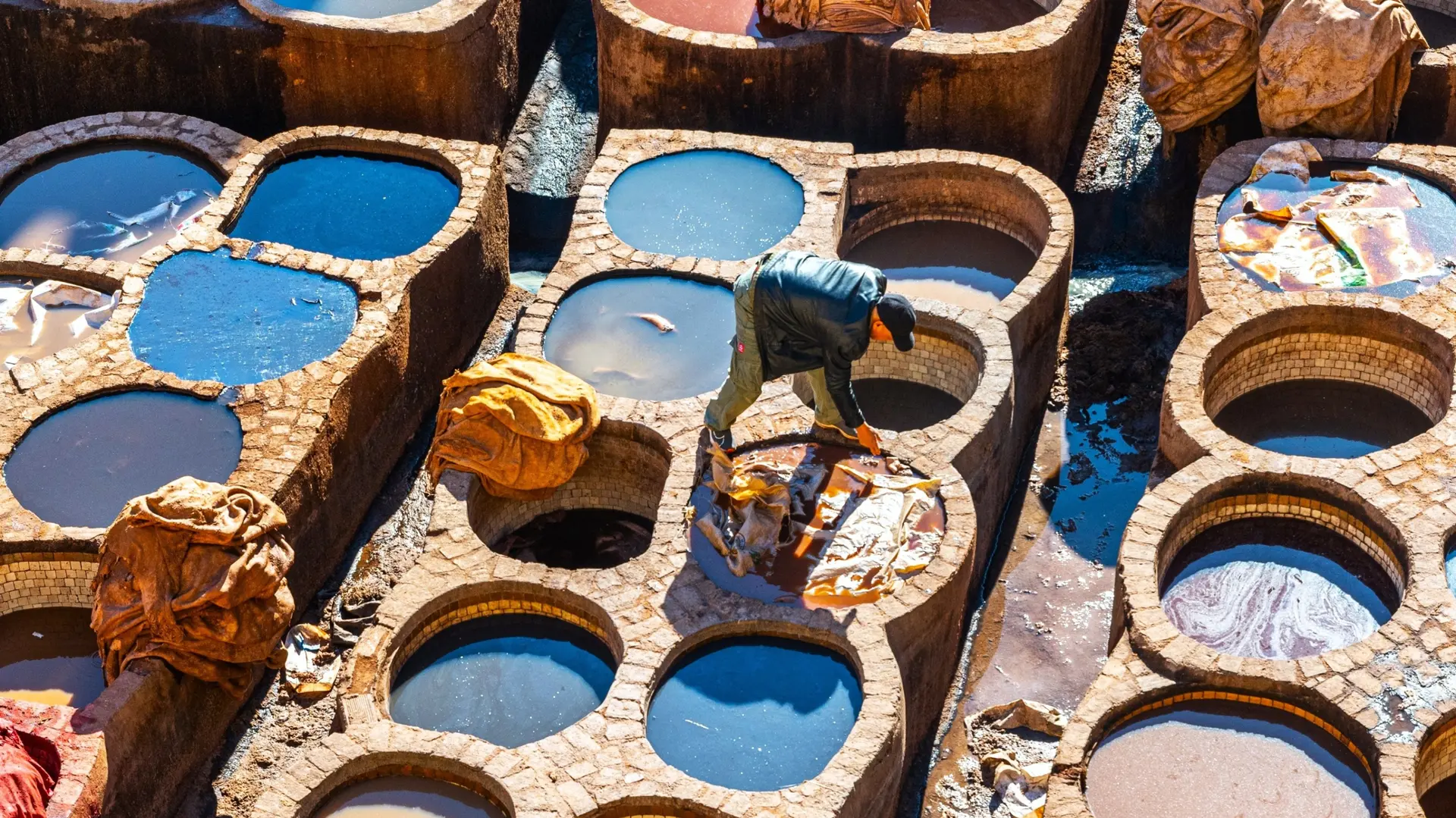
Fès, Meknès, Marrakech and Rabat form the cultural backbone of the country. The medina of Fès el-Bali, a UNESCO World Heritage Site, is best explored on foot over two full days with a local guide to navigate the Chouara tanneries without getting lost. Marrakech, 327 km further south, offers a different experience: Jemaa el-Fna square at nightfall, Majorelle and Menara gardens, riads within the medina. Temperatures climb to 38°C in July-August in Marrakech; expect 25°C in April or October, the periods we recommend for this route.
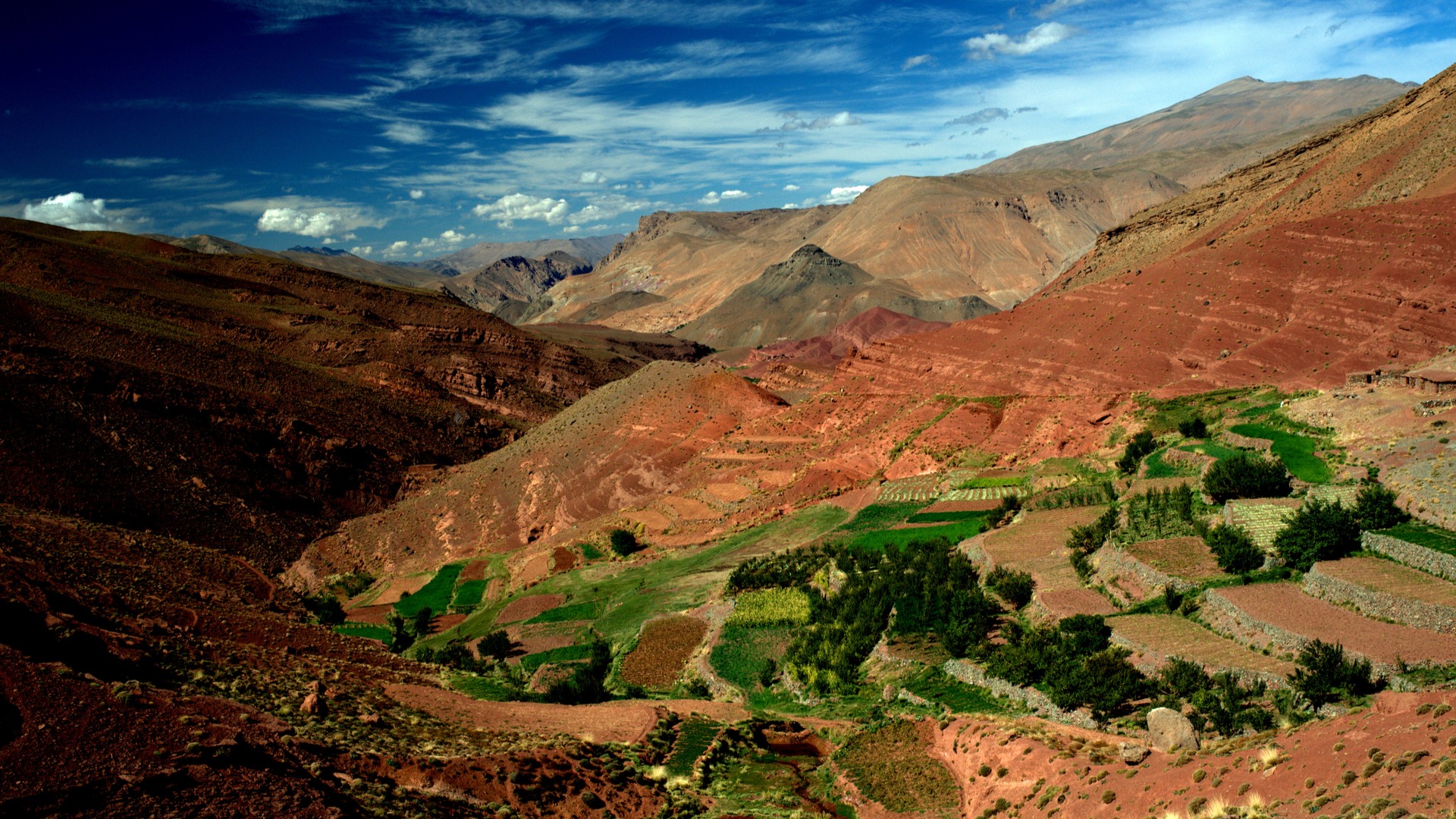
High Atlas
South of Marrakech, the High Atlas rises steeply: Imlil at 1,740 metres serves as a base camp for climbing Mount Toubkal, a two-day ascent with an overnight stay at the refuge at 3,200 metres. The Ourika Valley and the Aït Bougmez Valley (the "happy valley") are ideal for more accessible treks, with stays in Berber homes. Snow blocks certain passes from December to March. April to June and September to November offer the best conditions, with temperatures ranging from 10 to 22°C at altitude.
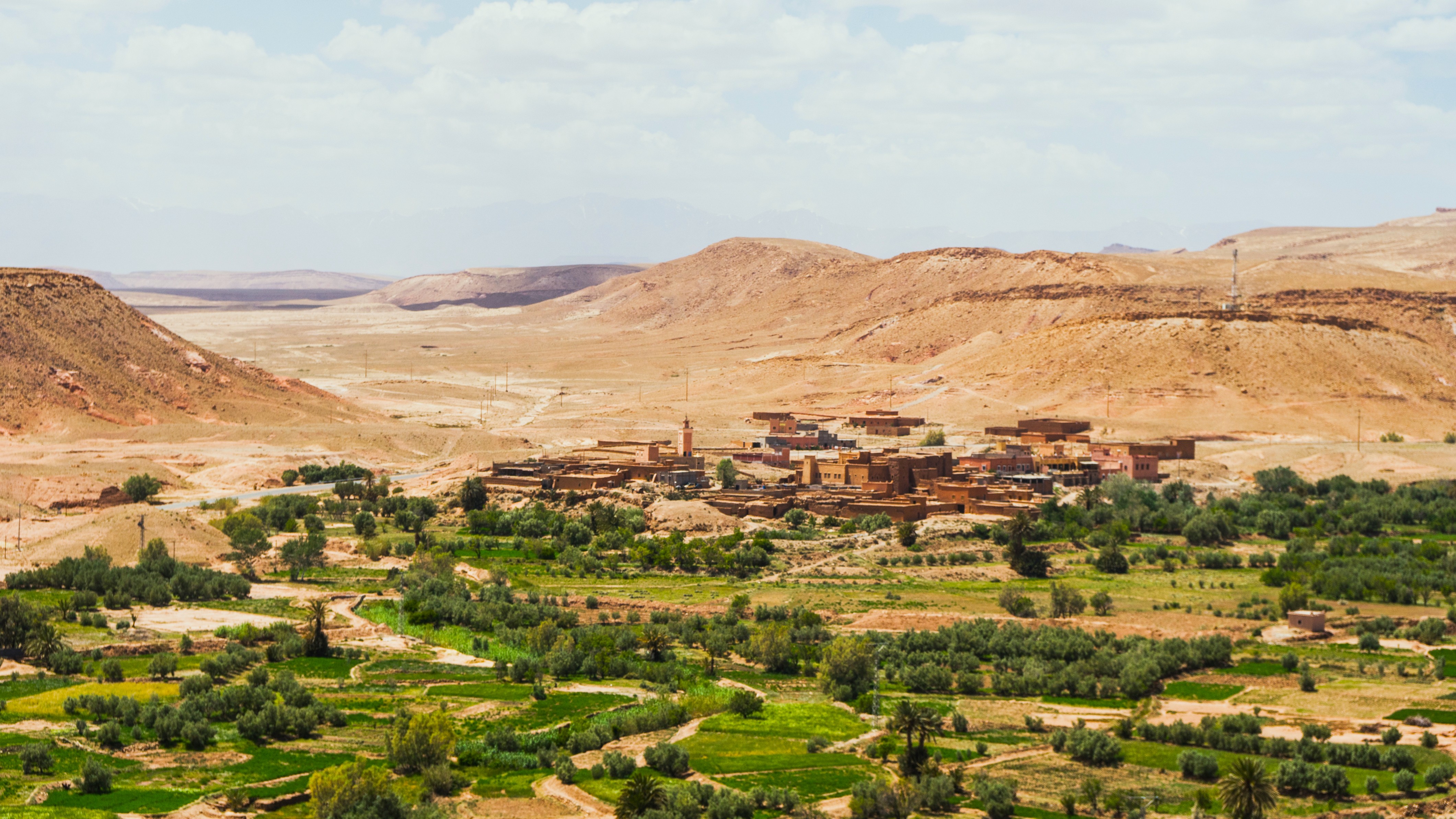
Southern Valleys
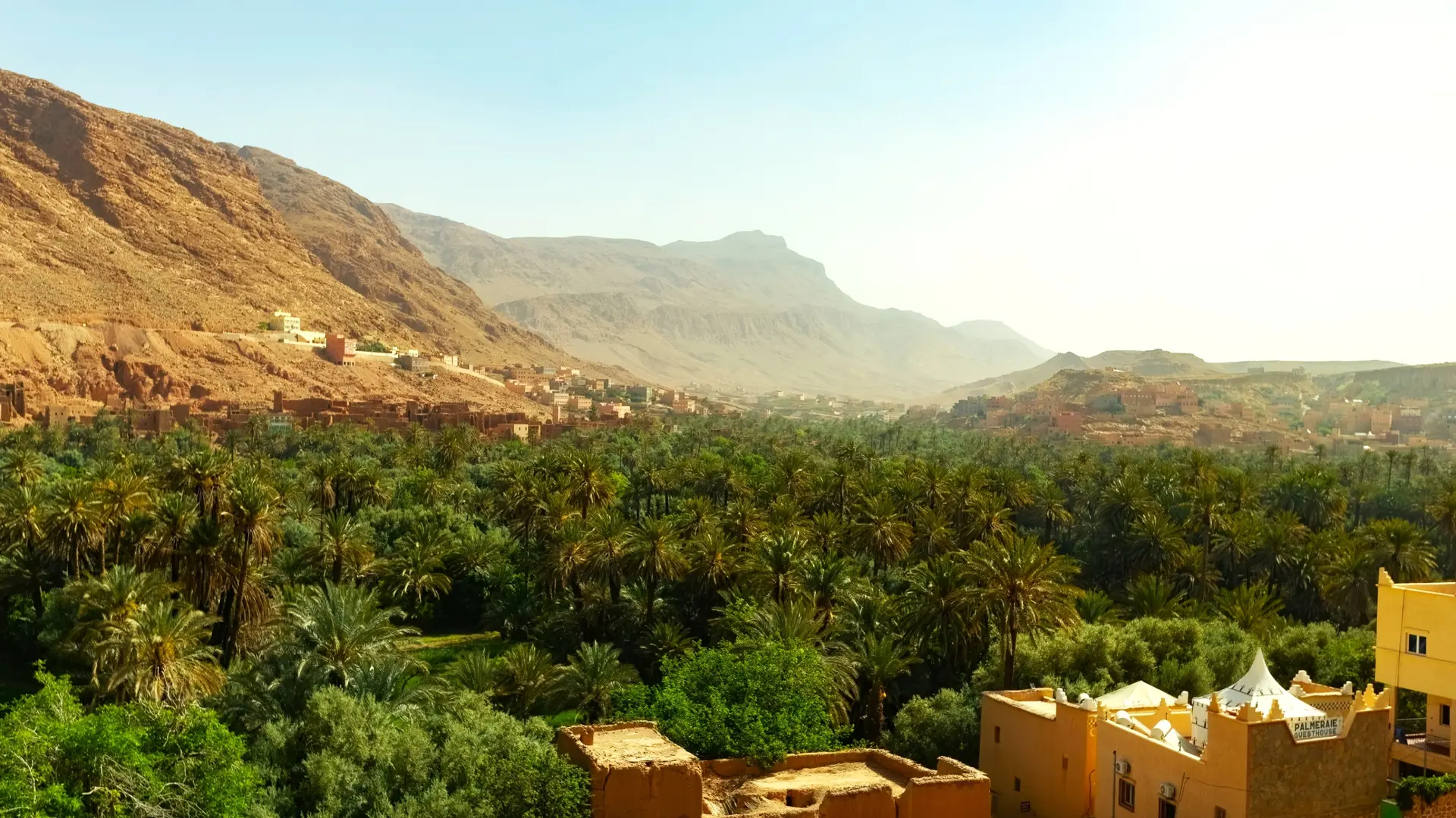
After the Tichka Pass (2,260 m), the road descends to Ouarzazate and opens onto the Dadès and Drâa valleys. Aït Ben Haddou, a UNESCO-listed earthen kasr, is best visited early in the morning before the tour buses arrive. The Skoura palm grove, the Todra Gorges (300 meters high) and the Rose Valley near Kelaât M'Gouna mark out a 4 to 5-day itinerary. The rose blooms in early May give rise to a local festival. Be prepared for significant temperature variations: 30°C during the day, 8°C at night in April.
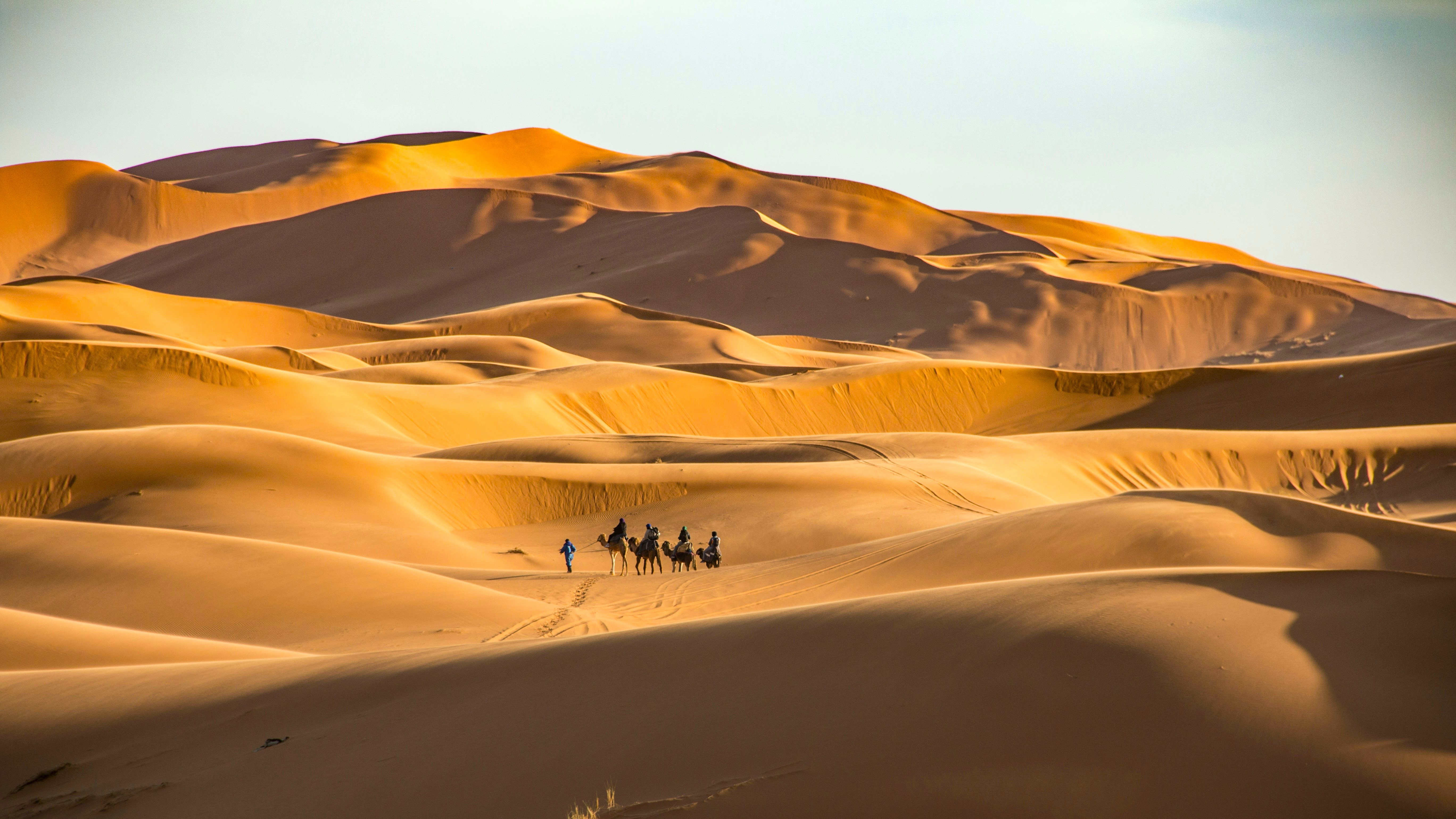
Sahara
Two gateways to the desert: Merzouga and Erg Chebbi to the east (dunes up to 150 m), Mhamid and Erg Chigaga to the southwest, more remote. From Marrakech, allow two days of driving to reach Merzouga, with a stop at Aït Ben Haddou or in the Todra Gorges. A night in a Berber tent, camel at sunrise and absolute silence make the effort worthwhile. Avoid July-August (up to 45°C). November to March remains the most comfortable window, with cool nights around 5°C.
Atlantic Coast
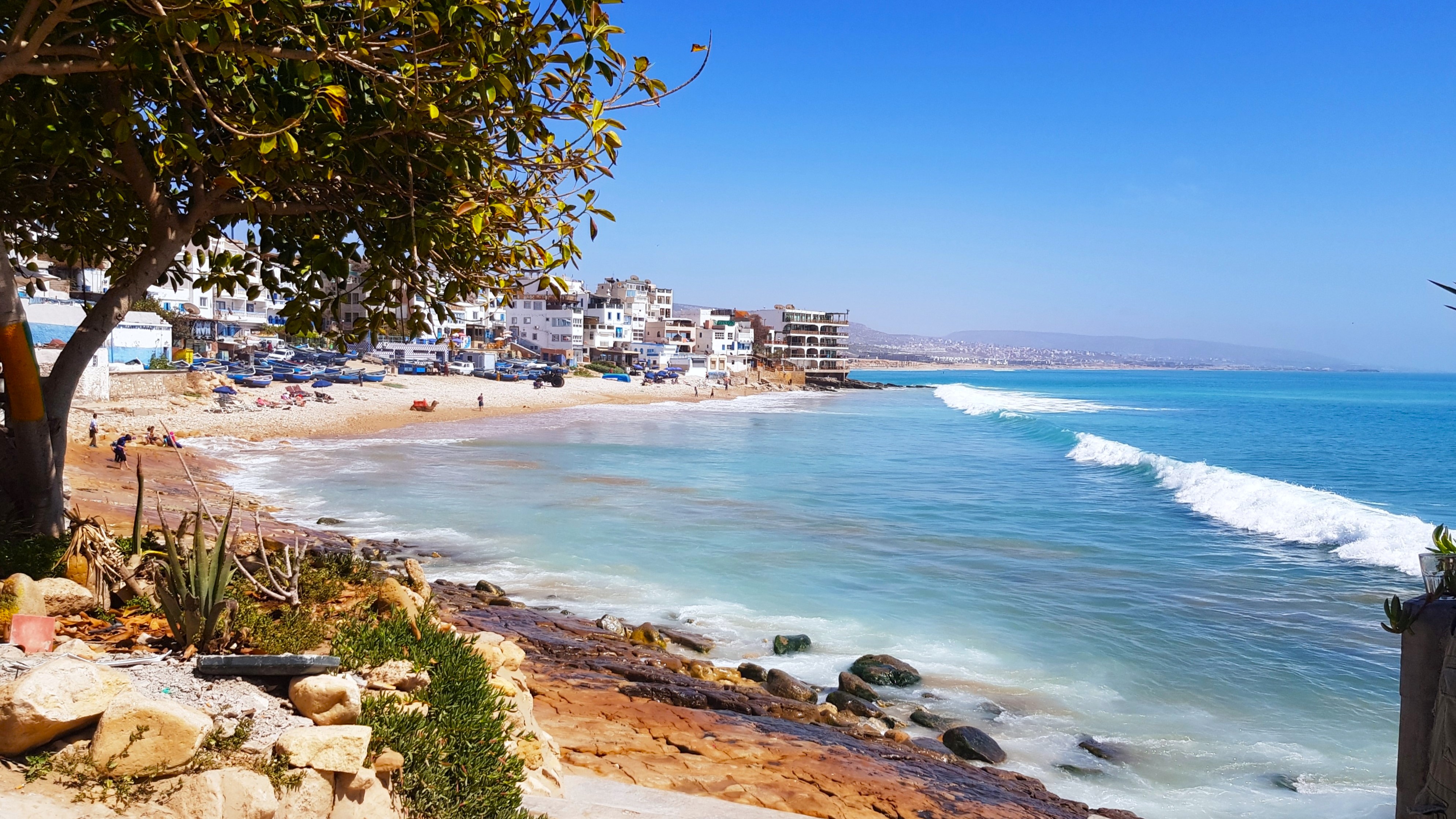
Essaouira, the former Mogador, opens the coast with its fishing port, Portuguese ramparts and grilled sardines on the quay for a few dirhams. Strong trade winds blow here, ideal for kitesurfing, more challenging for swimming. Further south, Taghazout and Sidi Ifni attract surfers between October and April. The coast remains temperate year-round (18 to 25°C), an alternative when the interior climbs beyond 35°C. Allow 3 hours of driving from Marrakech to Essaouira.
North and Rif
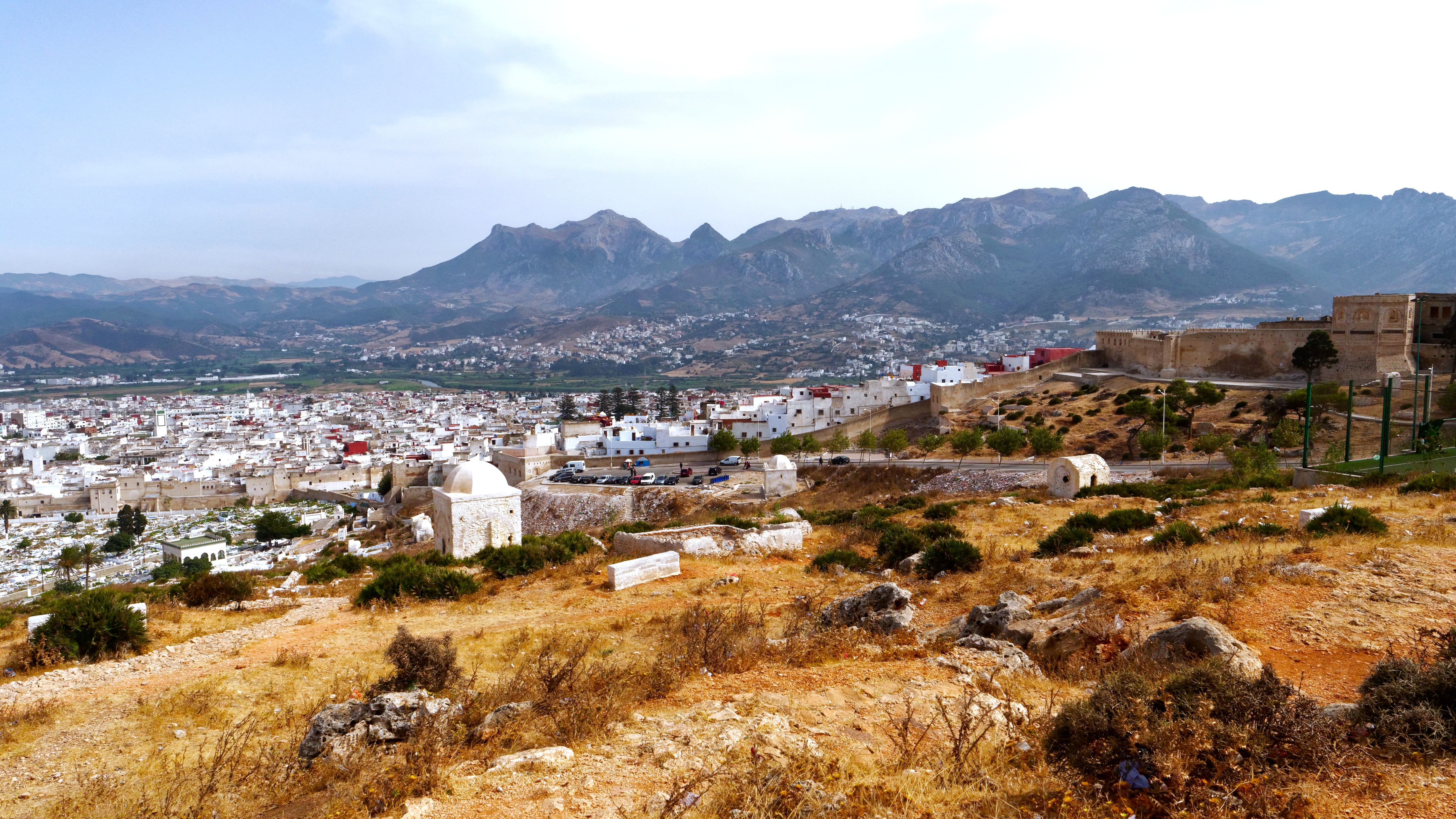
Chefchaouen, perched at 600 meters in the Rif, unfolds its blue streets over two days of exploration. Tanger, 113 km to the north, offers a different face: international heritage, revamped medina and fast connections to Spain. Tétouan and its UNESCO medina complete the loop. The Rif stays green even in summer, with mild temperatures around 28°C. A region we recommend in May-June or September, often combined with Fès which is just 4 hours away by car.
Explore by theme
Unique experiences tailored to every traveler.
Culture & Heritage
Temples, musées, sites historiques
Nature & Landscapes
Parcs nationaux, montagnes, forêts
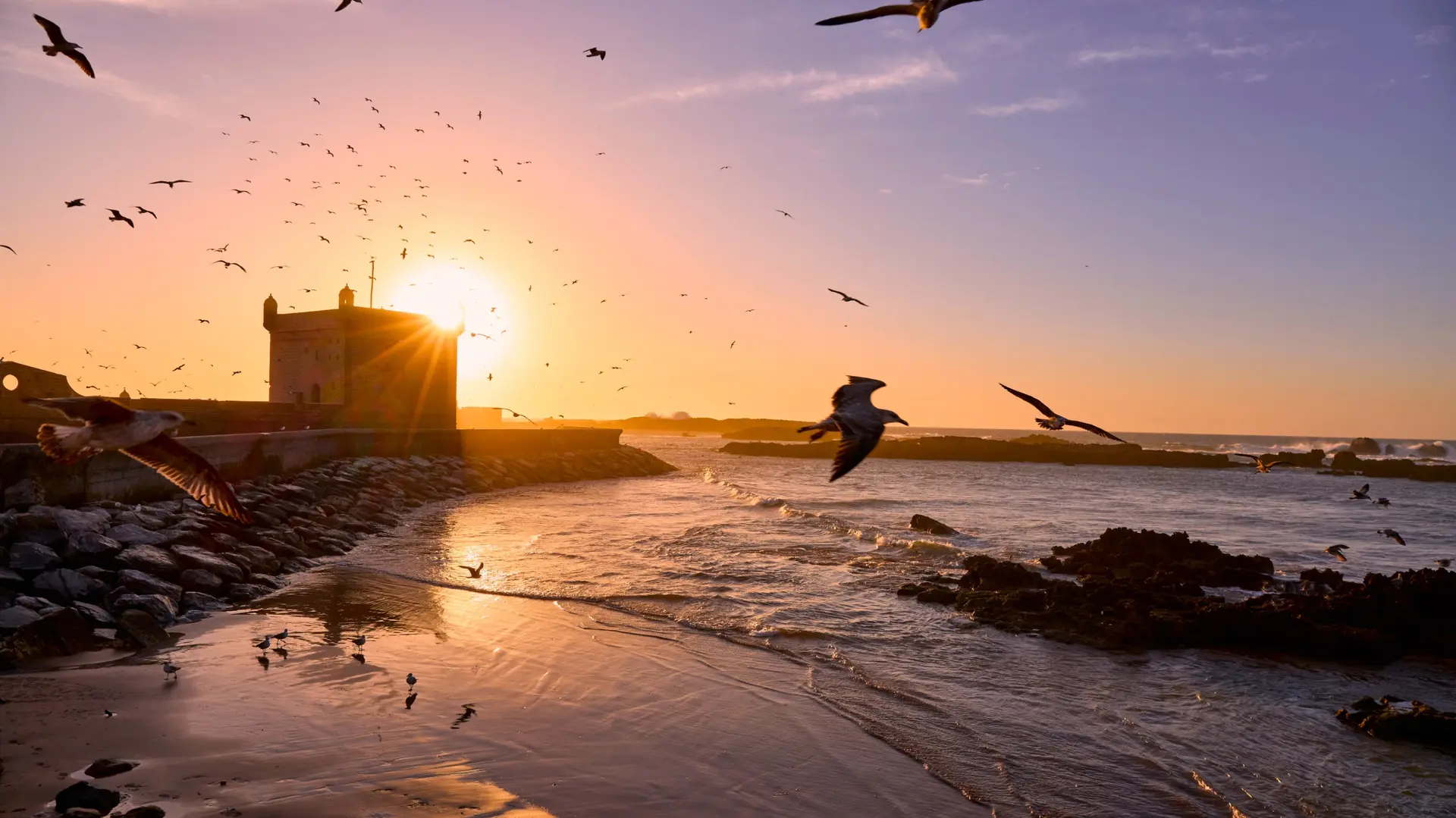
Sea & Beaches
Littoral, îles, sports nautiques
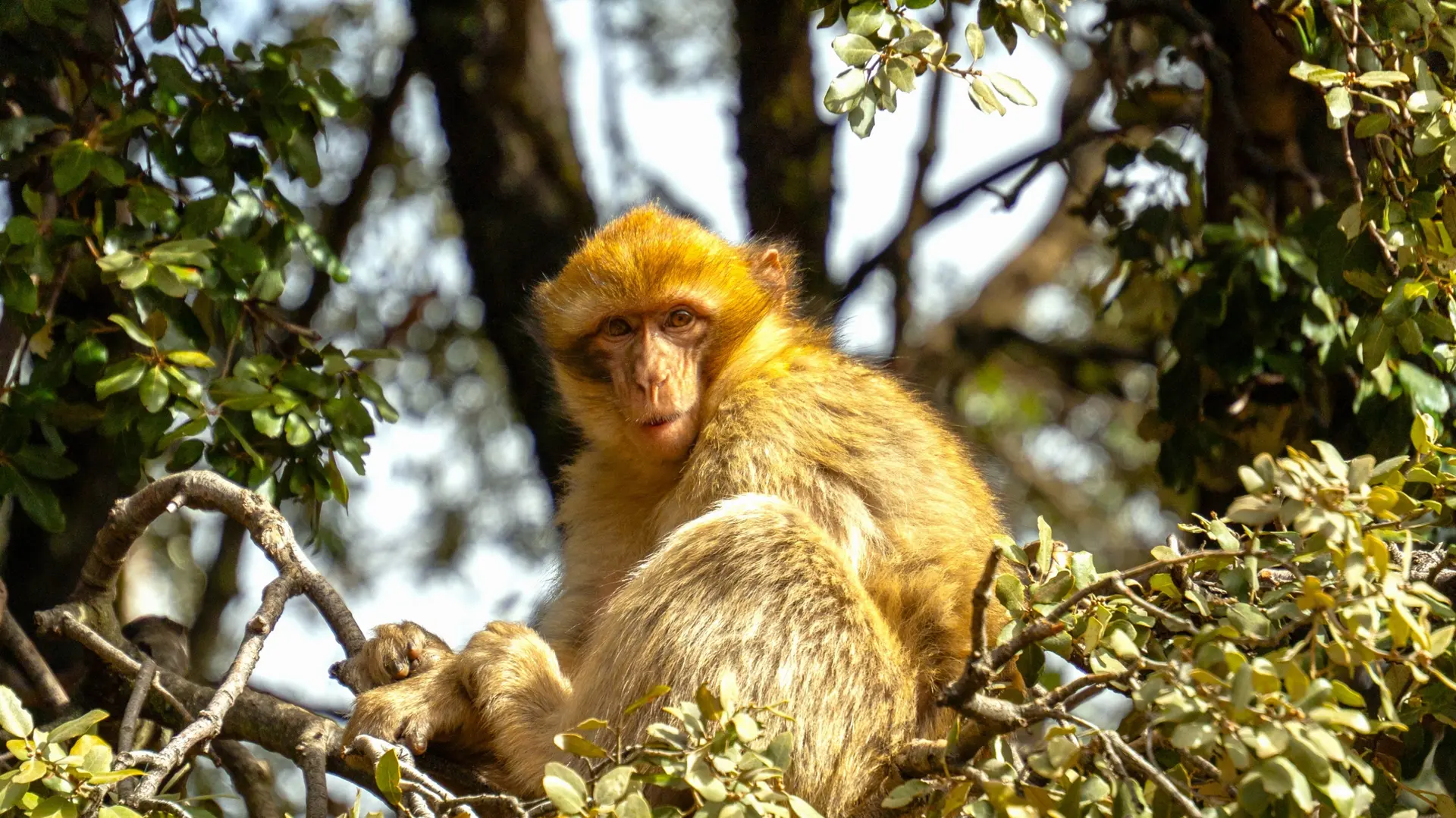
Wildlife & Biodiversity
Observation animale, sanctuaires, réserves
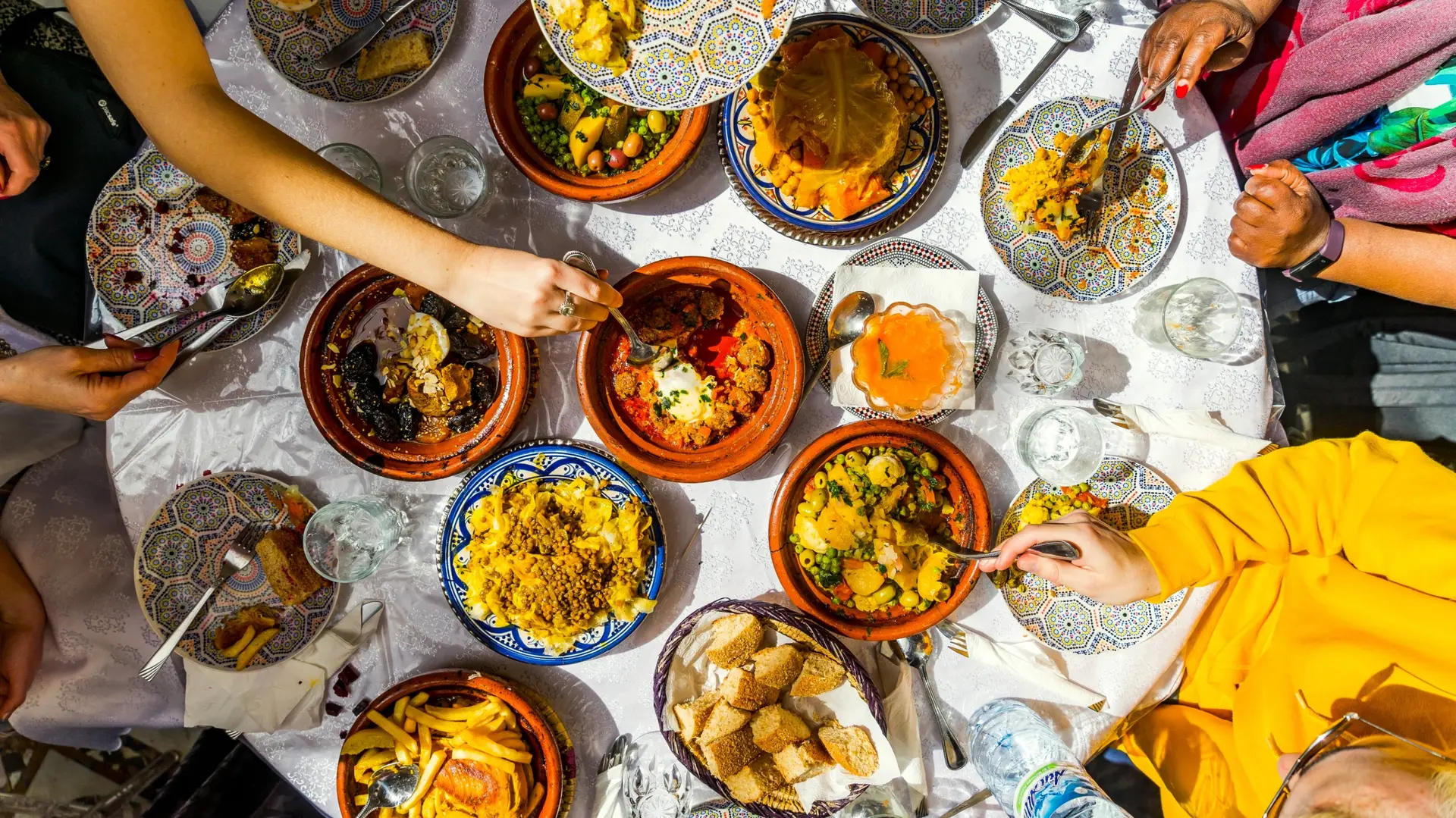
Gastronomy
Cuisine locale, marchés, cours de cuisine
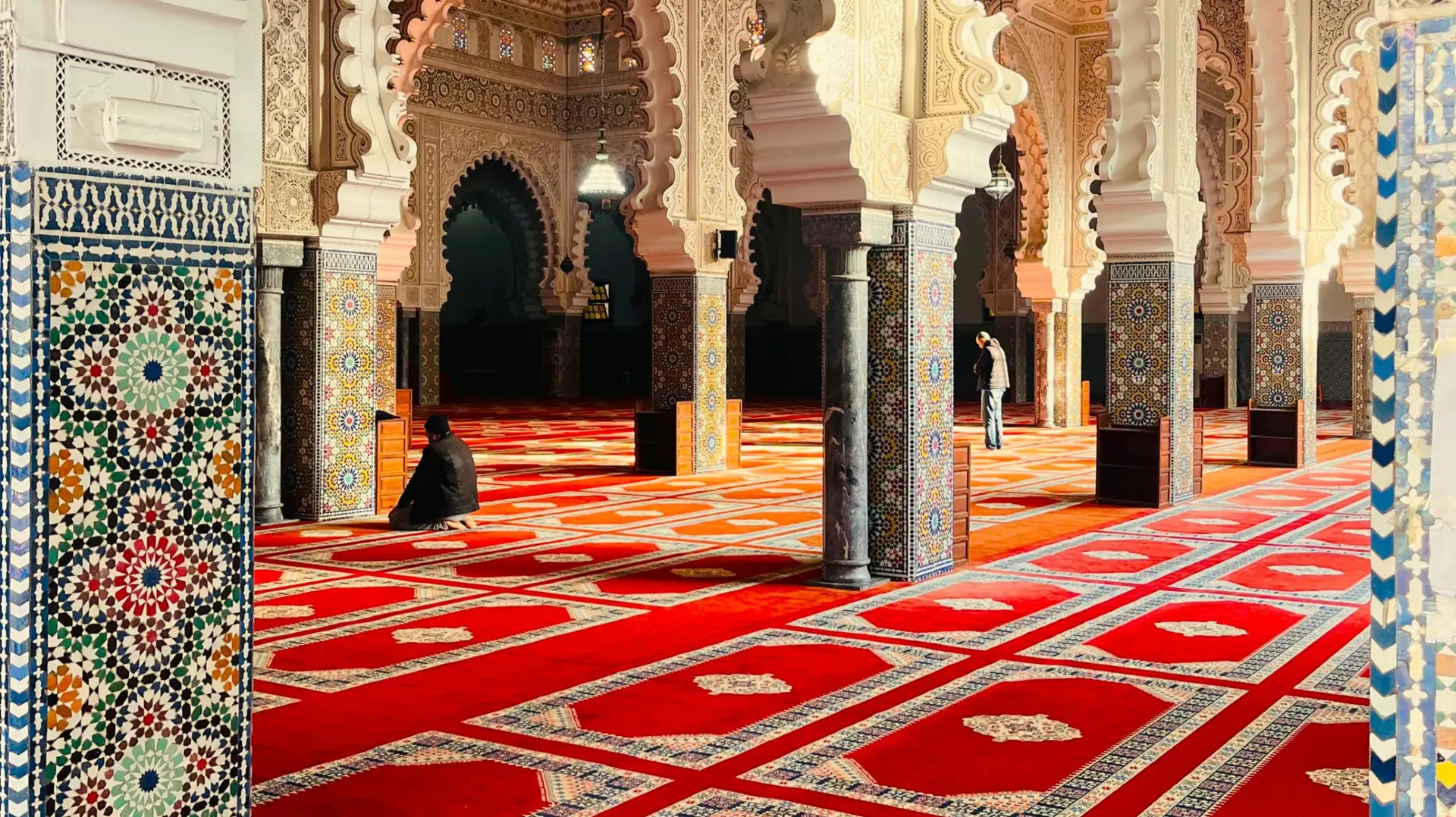
Spirituality
Temples, méditation, retraites spirituelles
We use cookies to improve your experience and measure our site's audience. You can choose what you accept. Learn more.