Naïla Lagoon
Naïla Lagoon
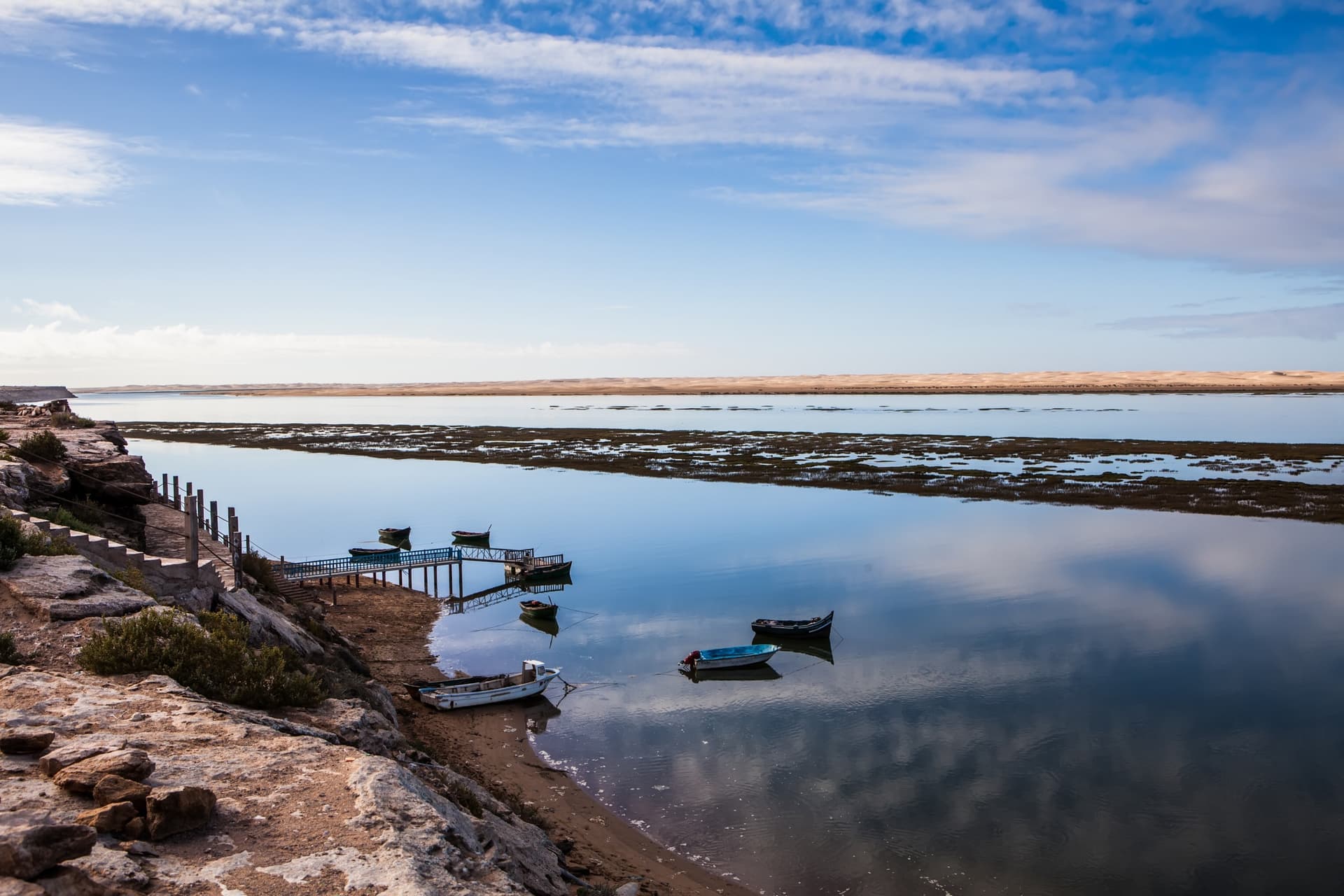
Within Khenifiss National Park, Naïla Lagoon stretches 20 km of tidal arm between dunes and cliff, a major refuge for migratory birds.
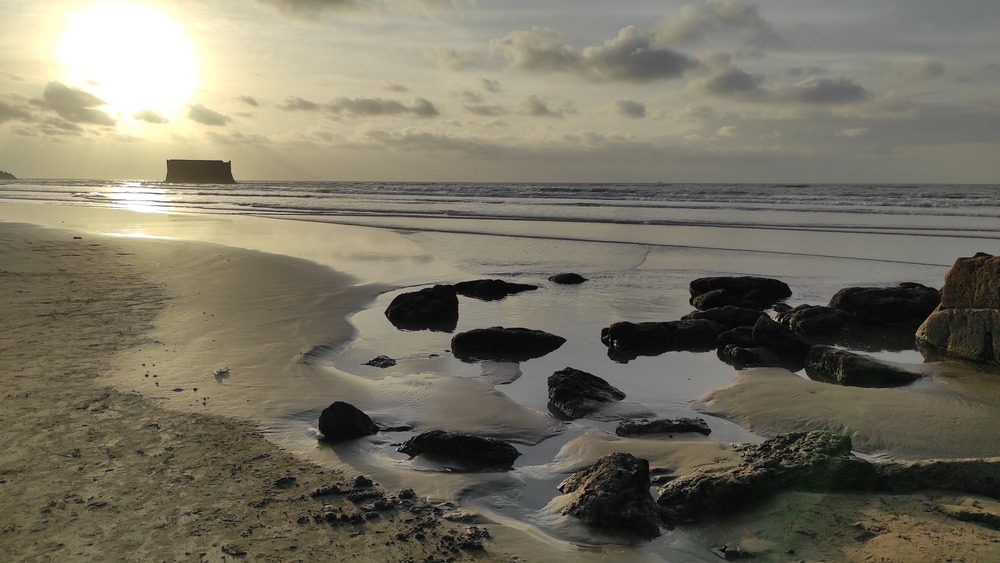
Naïla Lagoon, also known as Khenifiss Lagoon, extends nearly 20 km in length for several hundred meters in width within Khenifiss National Park, on the Atlantic coast of southern Morocco. A tidal arm framed to the west by a dune cord and to the east by a sandstone cliff, this Ramsar-listed site is one of Morocco's most important wetlands.
Why visit Naïla Lagoon
Located approximately 200 km north of Laâyoune, the lagoon stands out for its rare combination of environments: ocean, mudflats, dunes and stony desert converge within a few kilometers. The site extends inland during high tides, creating a network of channels and floodable zones that attract exceptional bird life.
Khnifiss Bay is recognized as one of the world's principal wintering grounds for the greater flamingo. For birdwatchers, nature photographers and travelers seeking unspoiled coastal desert landscapes, the lagoon offers prime observation territory, well away from standard tourist circuits.
What to see and do
Documented biodiversity
Khenifiss National Park, located between Tan-Tan and Tarfaya, is home to about thirty algae species and nearly 70 species of vascular plants. On the fauna side, official inventories record:
- 179 bird species
- 27 mammal species
- 140 marine invertebrates
- 17 reptiles and amphibians
Birds to observe
More than 20,000 waterbirds from the western Palearctic winter in the lagoon. Among the most remarkable species are the Ruddy Shelduck, Grey Heron, Marbled Teal and Audouin's Gull. The Sanderling frequents mudflats and beaches, while the Osprey regularly patrols the brackish waters.
Greater Flamingos, cormorants and Grey Herons are present year-round. Deeper within the park, you'll find the White Spoonbill, Yellow-legged Gull and Common Tern. The lagoon also marks the southern range limit of the Crested Cormorant and the Eurasian Coot.
Vestiges and landscapes
The park also contains prehistoric and historical archaeological remains, evidence of ancient human settlement along this coastline. The white dunes that close the lagoon to the west and the sandstone cliff to the east offer several viewpoints accessible on foot from the vehicle tracks.
Sport fishing
The lagoon and neighboring ocean waters are renowned for meagre, spotted bass, bass and bream. A fishing permit is required and can be obtained in Akhfenir. Bait (sardine) is easier to find in Tan-Tan or Tan-Tan Beach than directly around the park.
When to visit
The seasonality of Naïla Lagoon is dictated by bird migrations. The wintering period, from November to March, concentrates the highest numbers: this is the best time to observe concentrations of greater flamingos, shorebirds and diving ducks.
Spring (April-May) remains favorable for breeding species and offers milder temperatures. Summer is dry, windy and more demanding for extended observation. Autumn marks the progressive return of migrants.
Practical information
- Duration of visit: allow a minimum of half a day to tour the main observation points, a full day to combine birdwatching with a boat excursion.
- Boats: few boats are available on site; it is recommended to book your excursion in advance.
- Equipment: binoculars essential for observation, windproof clothing, adequate water supply, sun protection. The site is isolated and poorly equipped with services.
- Fishing permit: to be obtained in Akhfenir before any activity.
- Fees: park entrance and boat excursions at moderate rates, to be confirmed on site.
How to get there
Access is by car, ideally in a personal vehicle or rental from Laâyoune, Tan-Tan or Tarfaya. The lagoon is located approximately 70 km north of Tarfaya, along the coastal road connecting Tan-Tan to Laâyoune.
No regular public transport serves the site directly. Travelers without vehicles typically go through a local guide or an agency based in Tan-Tan. The access track from the national road is passable but may require a vehicle with elevated ground clearance depending on weather conditions.
Combine with nearby attractions
Naïla Lagoon fits into a southern Morocco itinerary that can include several complementary stops:
- Tan-Tan and Tan-Tan Beach, fishing ports north of the park, useful for supplies and bait.
- Tarfaya, a coastal town linked to the memory of Aéropostale and Saint-Exupéry, approximately 70 km to the south.
- Akhfenir, an administrative checkpoint for fishing permits.
- Laâyoune, the regional capital to the south, a departure point for excursions into the Atlantic Sahara.
- Fort Bou Jerif, a military remnant located further north in the Guelmim region.
Plan your trip
Naïla Lagoon perfectly complements an itinerary through southern Morocco combining Atlantic coast, desert and historic cities. To build a customized journey including this protected wetland, consult our suggestions for travel in Morocco.
Interested in this visit?
We can include it in your personalised itinerary.