Taroudant
Taroudant
Nicknamed the little Marrakech, Taroudant unfolds its ochre ramparts, Berber souks and argan cooperatives at the foot of the High Atlas.
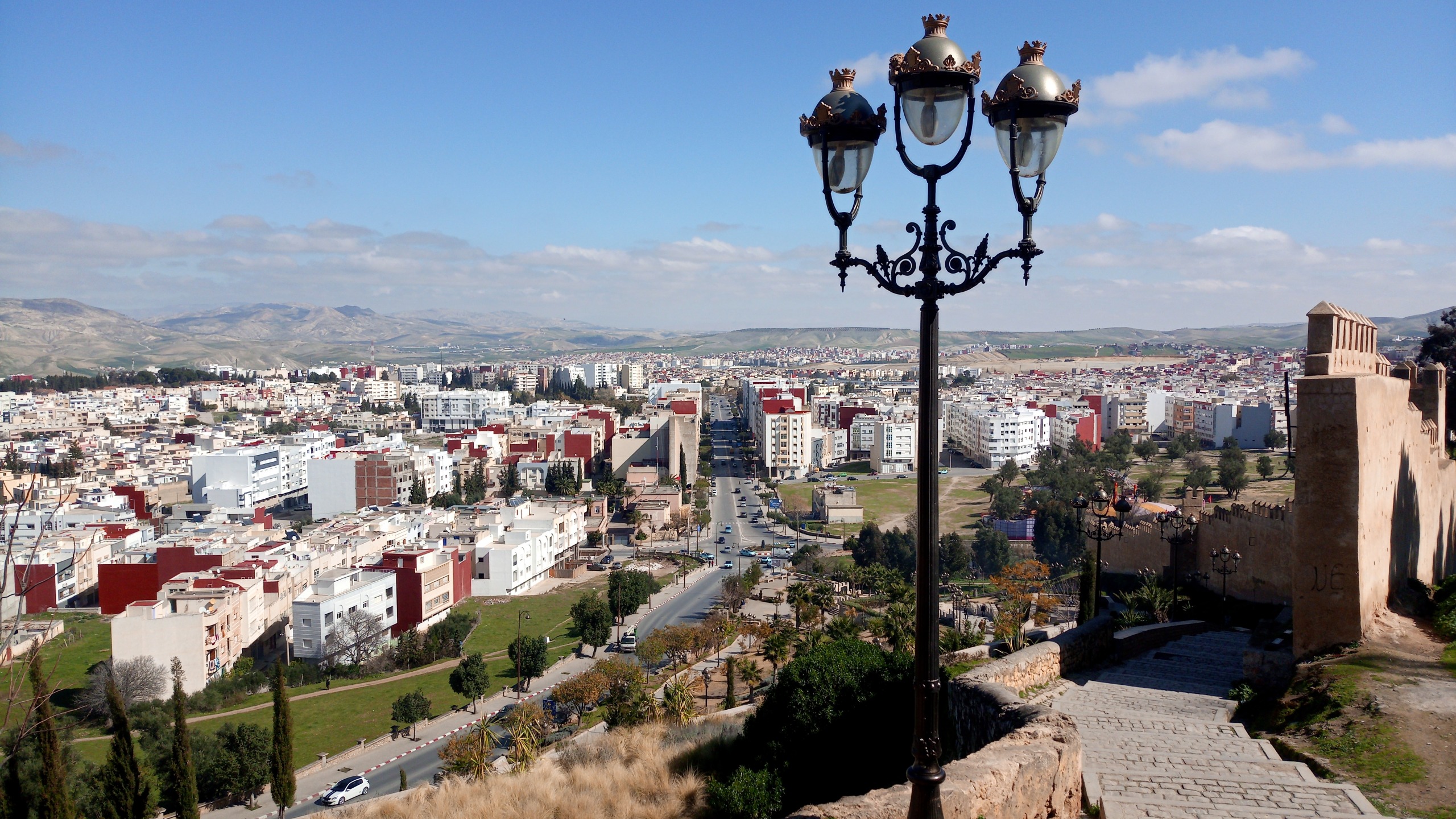
Taroudant belongs to the Souss region. It is a city located in southern Maroc, eighty kilometers from Agadir, and two hundred and fifty kilometers from Marrakech.
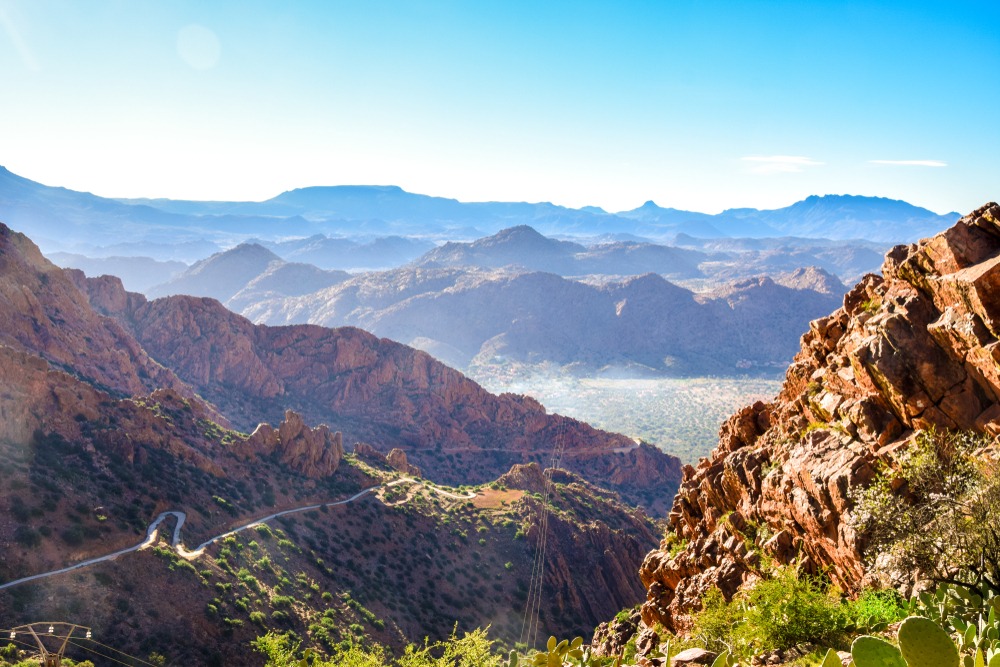
It is encircled by two mountain ranges, the High Atlas and the Anti-Atlas. North Africa's highest mountain is located within Taroudant's territory: Mount Toubkal, which reaches 4,167 meters. The nearest airport is sixty kilometers away—Agadir Al Massira. It is one of the most ancient cities in Maroc. As for weather, the climate is characterized by high summer temperatures that can reach 45°C, and winters are sometimes cool, though temperatures remain relatively high, averaging 24°C.
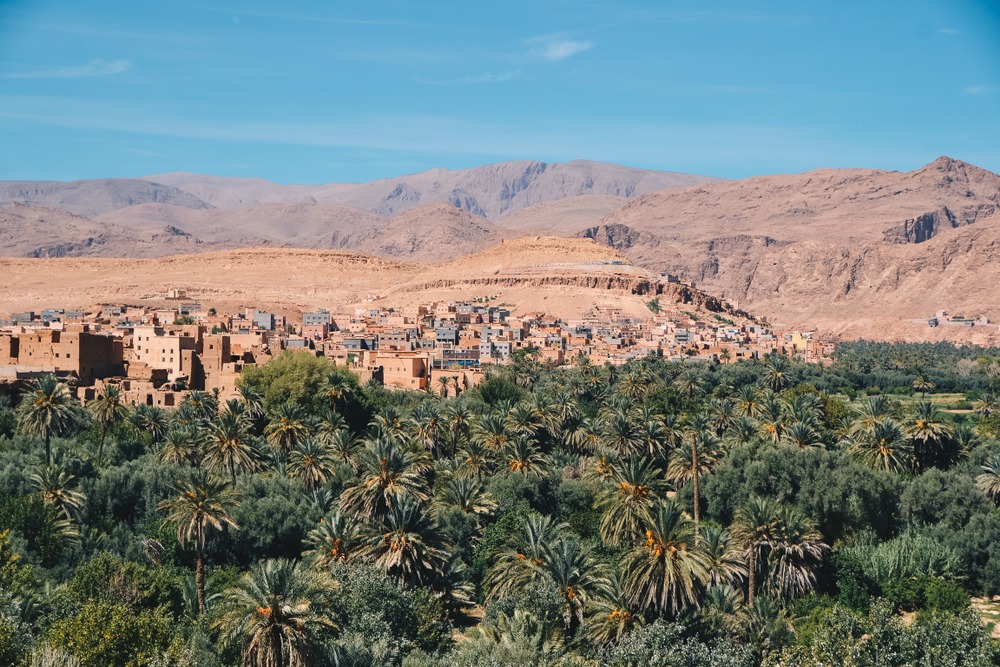
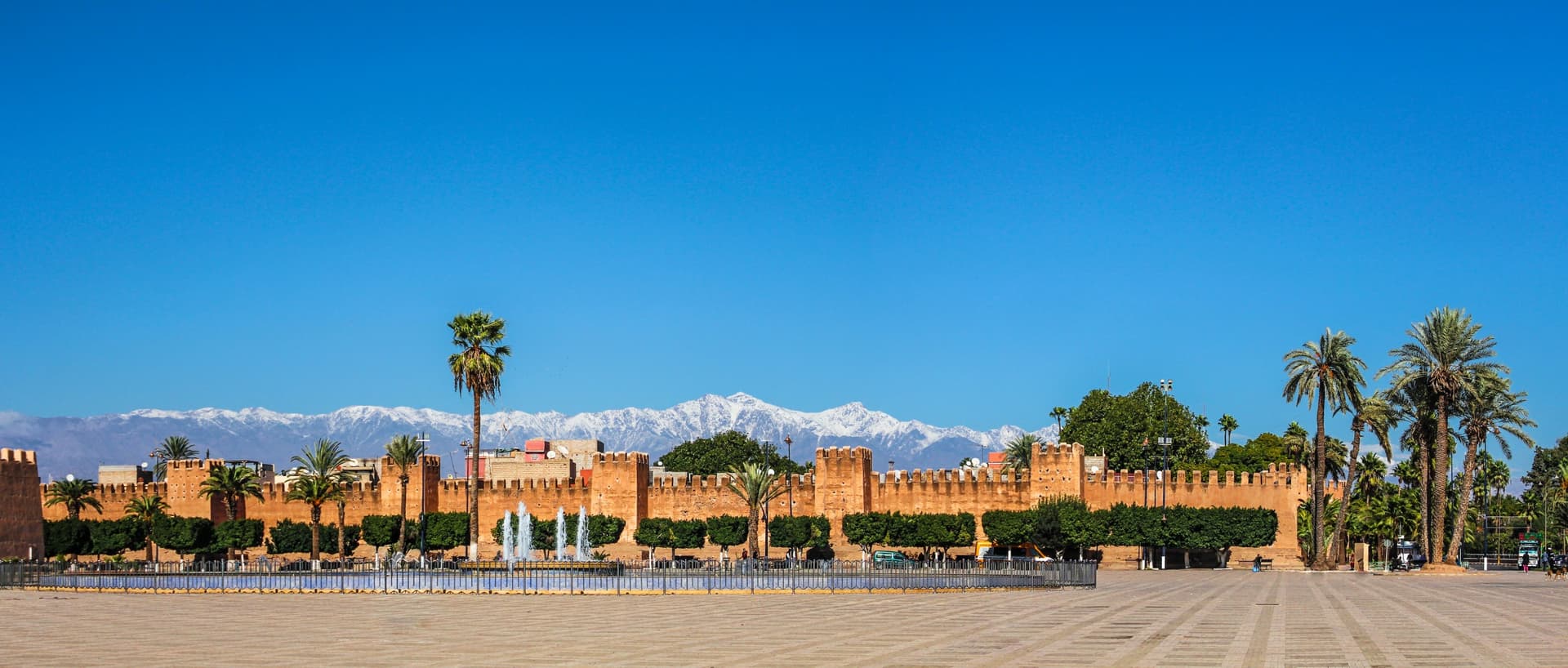
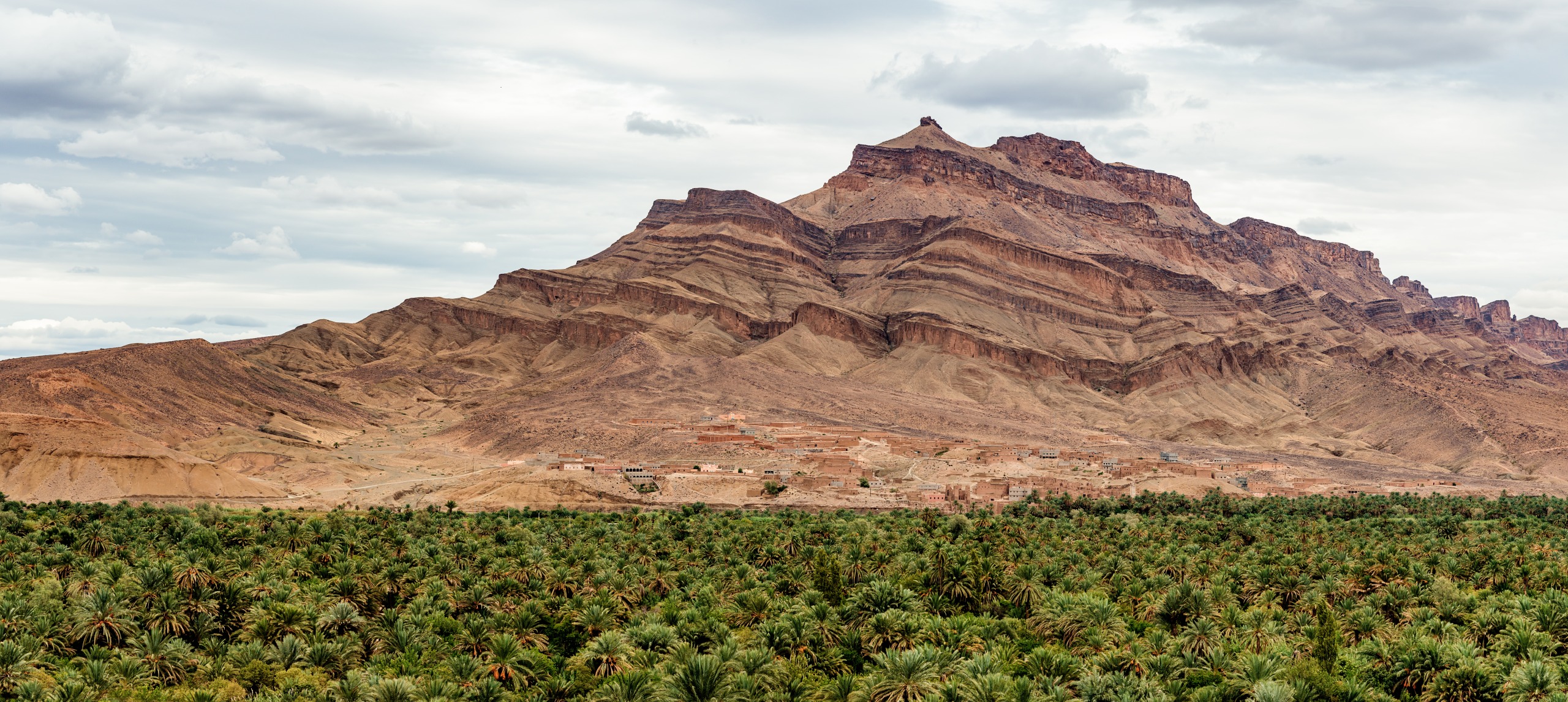
Taroudant is a place of rest, where calm reflects the image of this city, sheltered by its fortifications. It sits near the gates of the desert. The ochre color of the buildings stands out against the brilliant blue sky. The colors blend together, creating an almost magical vision of the landscape. A paradise for painters and photographers who can capture the present moment and inspiration amid this gleaming luminosity. Two architectural masterpieces accentuate the prestige of this city. The great wall extends for 7.5 kilometers, with ramparts measuring more than eight meters in height. It is composed of 130 towers and 19 citadels positioned at the angles of the wall. Five gates allow entry into the enclosure. Their names all begin with Bab: Bab Targhount, Oulad Bounouna, El Khemis, al-Kasbah and Zorghan. The most impressive is al-Kasbah. It is flanked by two imposing bastions, projecting forward from the wall. The Zorgane, Khemis and Oulad Bounouna gates have open-air entrances, while the other two are topped by citadels and a sentry path.
Another striking location is the Kasbah of Taroudant. The Kasbah occupies the northeast slope and is dotted with square-shaped towers that are noticeably lower than those dominating the great wall. It is steeped in history and the many upheavals this city has endured. It sits at the intersection of the Souss valley and the High Atlas mountains, offering magnificent views where you can glimpse southern Maroc.
The Medina of Taroudant is contemporary. It is not very extensive, and the best way to explore it is on foot. A stroll through these narrow streets allows you to appreciate the painted walls and artists' exhibitions. These are subject to the whims of time and are therefore ephemeral. But others take their place. Small squares are scattered throughout the Medina. This is where you find various shops, souks, cafés, restaurants, hotels, banking services and more—a concentration of ancient cultures and modern amenities. The Mosque, located to the east of the city, covers 3,215 m² and can accommodate up to 4,000 worshippers. Its square minaret stands 27 meters tall and is one of the most important in Maroc. The mosque is not merely a place of worship but also a cultural hub, housing a library. It is a place preserved to safeguard all the riches it contains.
The city of Taroudant remains marked by a very strong impression of Berber culture, evident in the craftsmanship and exploitation of natural resources. As you wander through the souks, you will of course find stalls of fruits, vegetables, various spices, Berber clothing, and flowers, but you will be impressed by the magnificent Berber jewelry. It is crafted in silver. Indeed, silver mines near the city supply the raw material. Silver is also found on the handles of daggers and rifle stocks, mixed with mother-of-pearl. You will also discover a wide selection of ceramics, soft and limestone marble that can be sculpted, as well as beautiful carpets with stunning designs, their wool sourced from the mountains. A colorful spectacle of multiple artisanal creations. The Souss valley is also renowned for its early vegetables and citrus crops. Many Argan cooperatives have emerged. In fact, argan trees develop only in southwestern Maroc. You can visit argan groves and will be amazed by their fruits, which goats do not hesitate to devour. They are walnut-shaped. The cooperatives produce a renowned oil from these nuts, argan oil, famous for its many virtues and found in beauty products among other uses. The oil is extracted from argan tree nuts. Taroudant is also recognized for its agriculture despite arid soil. It excels in argan cultivation, of course, but also in lemon, olive trees, and in the production of almond oil and honey.
Taroudant is a haunting place that allows you to slip into the heart of a calm, impressive and disconcerting Maroc. After visiting the city, admiring the monuments, exploring the narrow streets of the center and Medina, you will be struck by the color of women's clothing. Indeed, their garments are indigo blue, like those worn by desert men who frequented the city during the caravan period. Then in November, orange will overshadow indigo as the Saffron Festival arrives. This celebration continues Berber cultural tradition. This rare and expensive spice features in many Moroccan dishes, but it is also essential in the creation of makeup for festive occasions.
Want to discover this destination?
Our local advisors design your tailor-made trip.