Tiznit
Tiznit
Some 80 km from Agadir, Tiznit cultivates a precious discretion: fortified medina, silver souks and a gateway to Tafraoute and the Aglou coast.
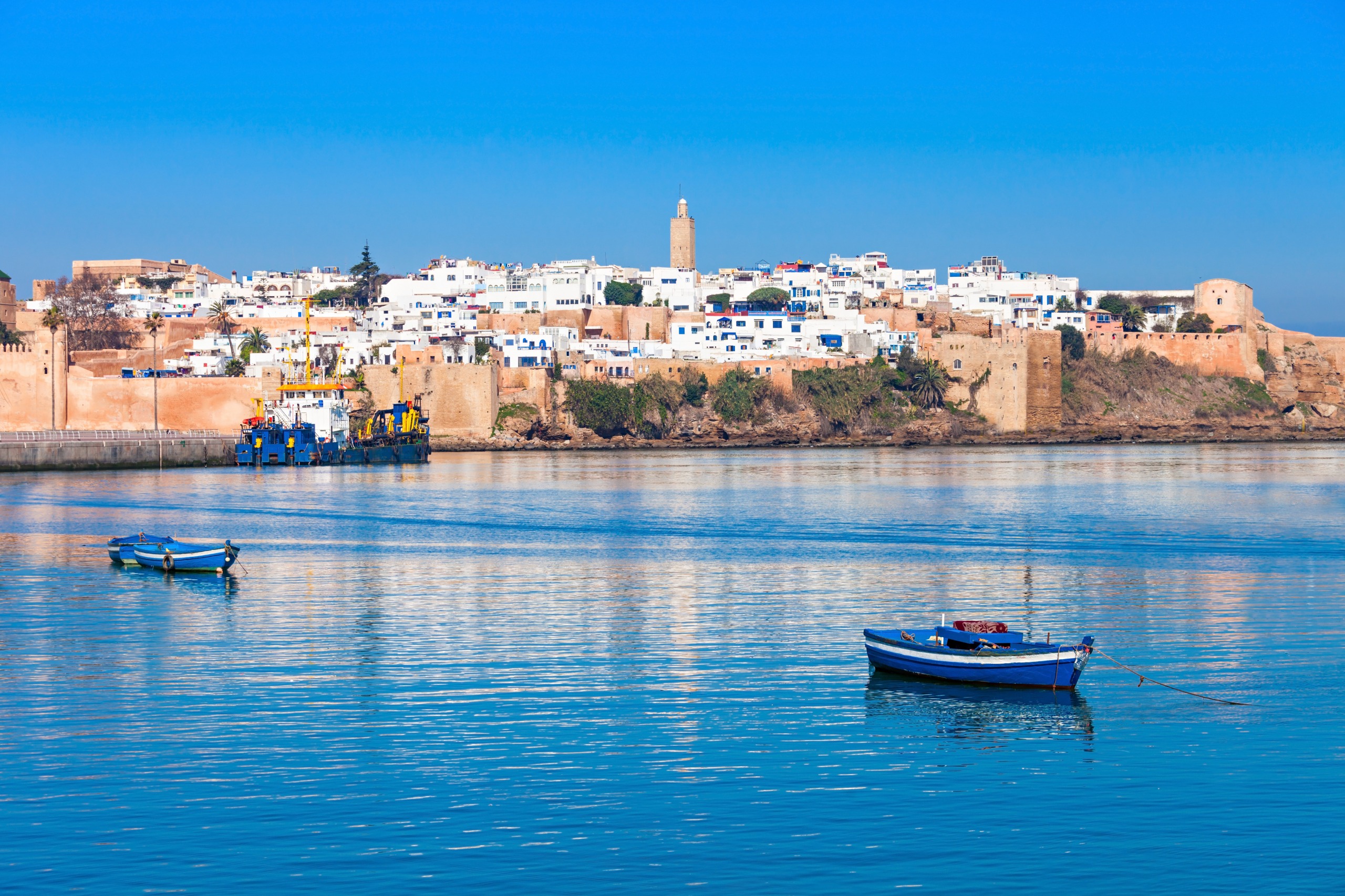
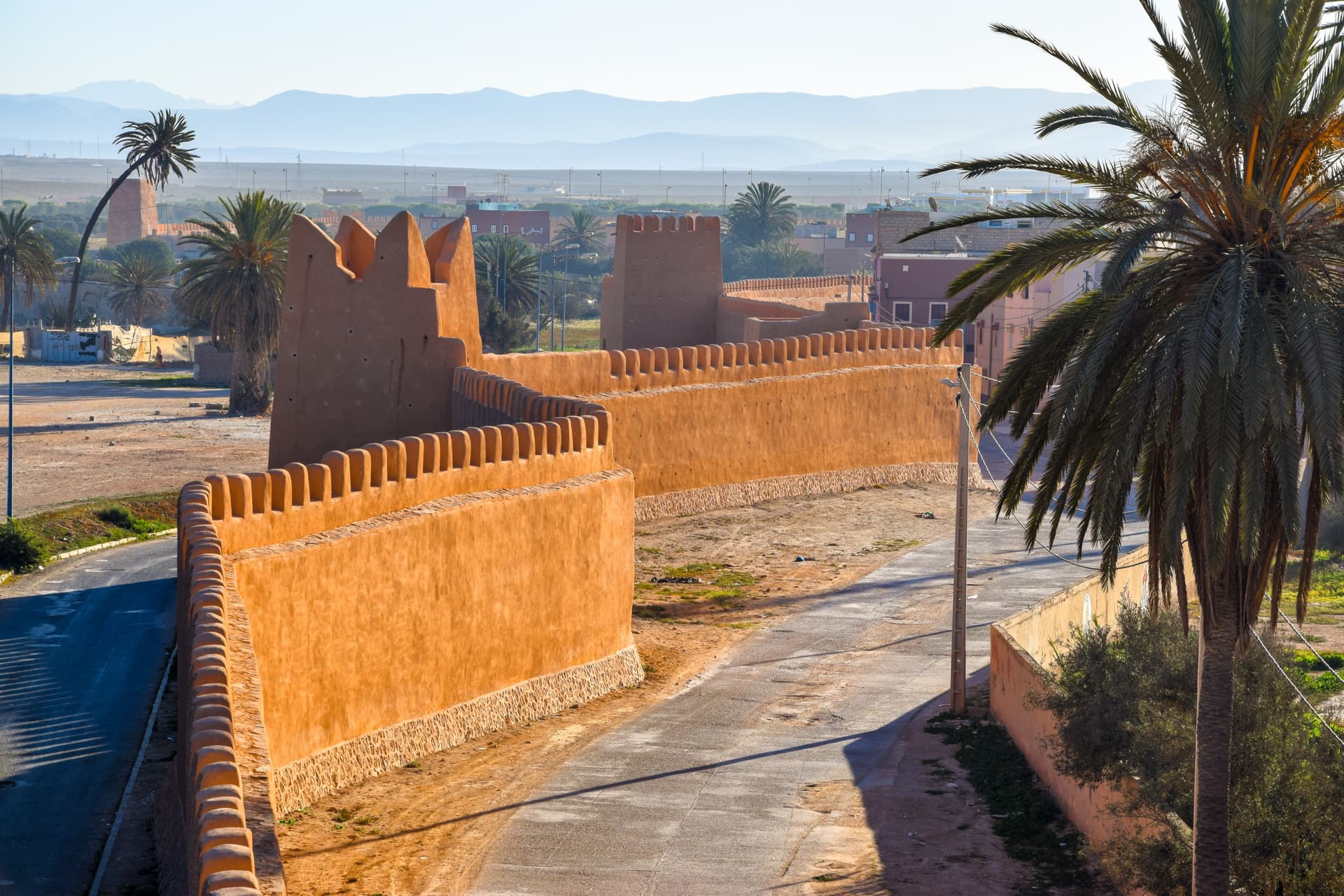
Tiznit is located in southern Maroc in the Souss-Massa region. Major cities lie nearby—Rabat is approximately 500 kilometers away, while Agadir stands 80 kilometers to the south. The town is encircled by a long rampart that surrounds the ancient medina, built by Sultan Hassan I in 1882. The majority of the city's population is Berber. It is a privileged place where calm, serenity and joie de vivre are palpable. Temperatures here range between 12° and 28°C. Tiznit offers a different perspective on Maroc, a country of many faces, enriched by its regional plurality and a heritage marked by history.
Tiznit is also among those fortified, defensive cities of Maroc. The imprint of ramparts encircling the town is evident, extending approximately seven meters in length and eight meters in height. It has 56 citadels and five gates that provide entry into the walls: Bab Targa, Bab Oulad Jerrar, Bab Aglou, Bab el Maader and Bab el Khemis. The architecture of its gates is in the Alaouite style. The gates are constructed of cut stone. Houses are designed in traditional style, with colors ranging from ochre to pink. The mosque is topped by a minaret with transverse perches, giving it a distinctive appearance. It bears a striking resemblance to the style of mosques found in Niger. The minaret overlooks the city, making it easy for visitors to spot it.
The Medina of Tiznit is divided into four quarters: Id Ougfa, Aït Mohammed, Id Zkri and Id Dalha, which converge around the blue spring. This spring once supplied water to irrigate numerous gardens, and it brought fame to the town. Today, it is merely a decorative cement basin, as its flow has greatly diminished due to the Reggada spring, which was dug outside the city. You can detour through the Mellah, the city's Jewish quarter, or stroll across the El Mechouar square, one of the city centers. You will find hotels, restaurants and small shops here. Opposite this square stands the Palace of Sultan Hassan I.
You absolutely must visit the jewelry souks. Indeed, Tiznit has an international reputation for its silversmithing, particularly its metal clasps, considered to be the earliest safety pins. They were used to fasten the edges of garments and are known as "fibulae"—the emblematic symbol of the city. Sometimes they are linked by chains pierced with holes and adorned at the center with a silver ball. Berber jewelry is a specialty. You can admire daggers, rifle butts inlaid with marble or stones. Necklaces are formed from pearls, Hassani coins, head ornaments, earrings made of very heavy rings, bracelets and rings topped with yellow or green enamels. All the artisanal culture is reflected in jewelry making.
Around Tiznit, you can visit the Souss-Massa National Park, approximately 40 kilometers away. It is a nature reserve that is home to mammals, gazelles, gulls, falcons, mongooses and other species, though the flora is not particularly lush. You will find a coastal steppe with scattered retama shrubs. On the less sandy areas, a few argan trees grow.
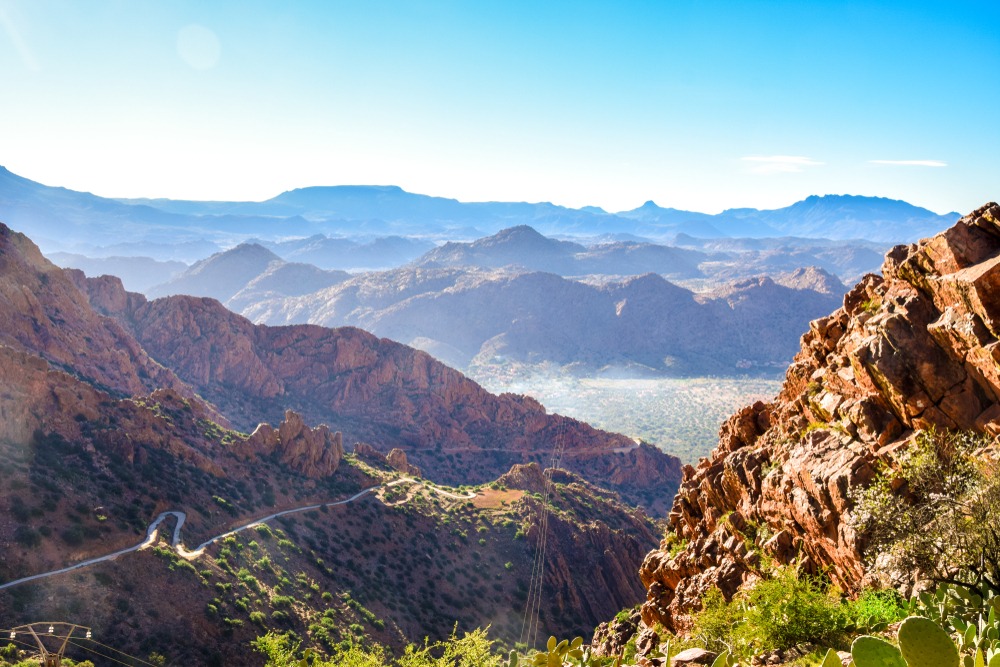
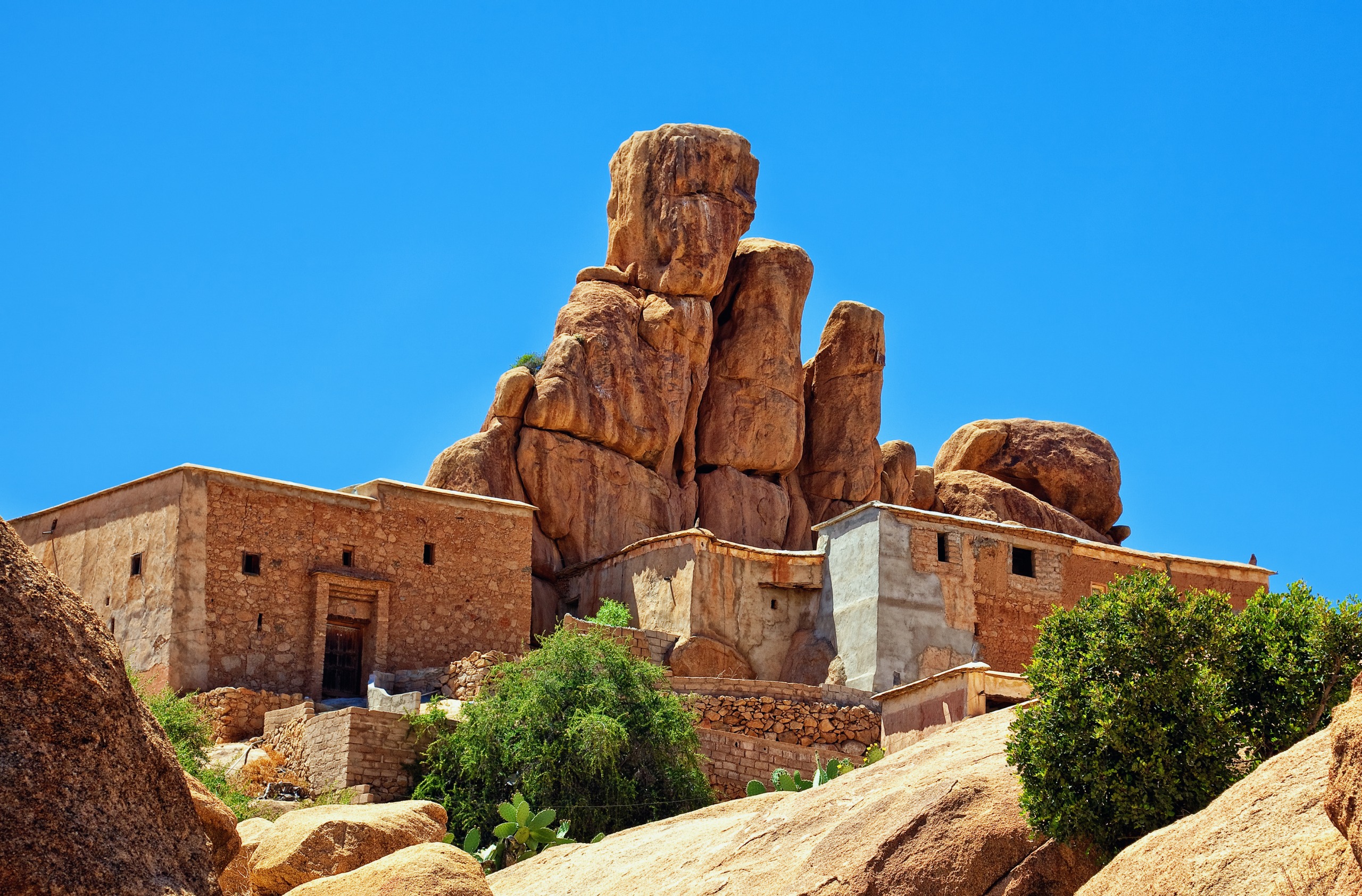
If you wish to cool off or swim, take a short excursion about 14 kilometers from Tiznit toward Aglou beach, where the sea is a striking blue. You can enjoy water sports such as surfing, waterskiing or simply take a small boat and enjoy the scenery. At the end of Aglou beach, you can visit troglodytic dwellings carved into the rock. For those who prefer mountains and nature-filled escapes, head toward the Tafraoute valleys and make a stop to visit its magnificent gorges. The region presents itself as a place where sea and desert meet, where plain and mountain converge, among argan groves, palm plantations and olive groves.
Want to discover this destination?
Our local advisors design your tailor-made trip.