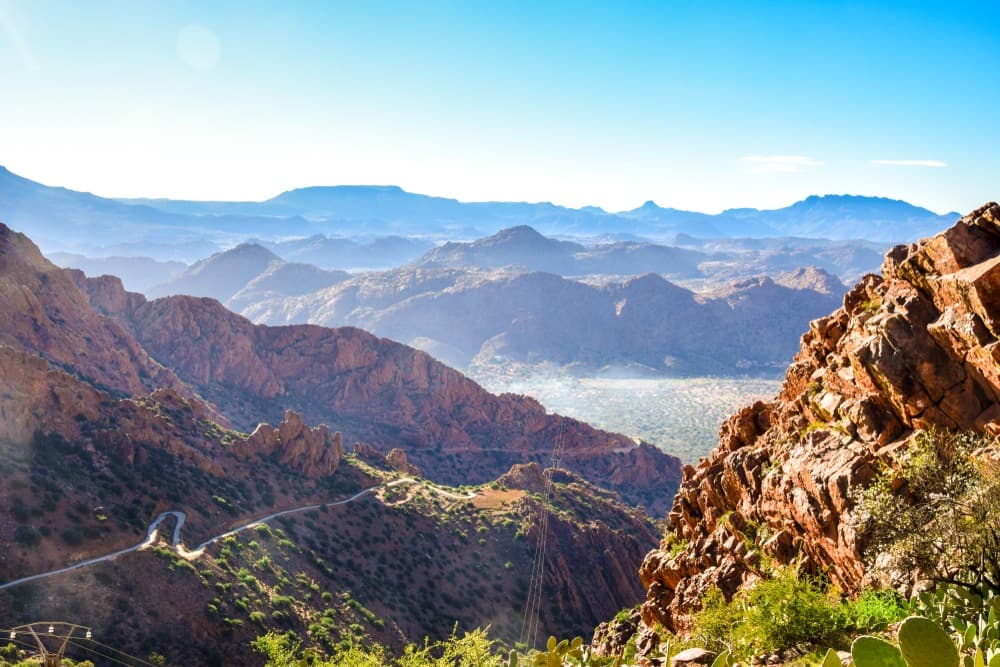
Anti-Atlas
Venture off the beaten path to the Anti-Atlas! Few tourists visit this mountainous region, despite its proximity to Agadir. It is the territory of the Chleuh tribes, a confederation of
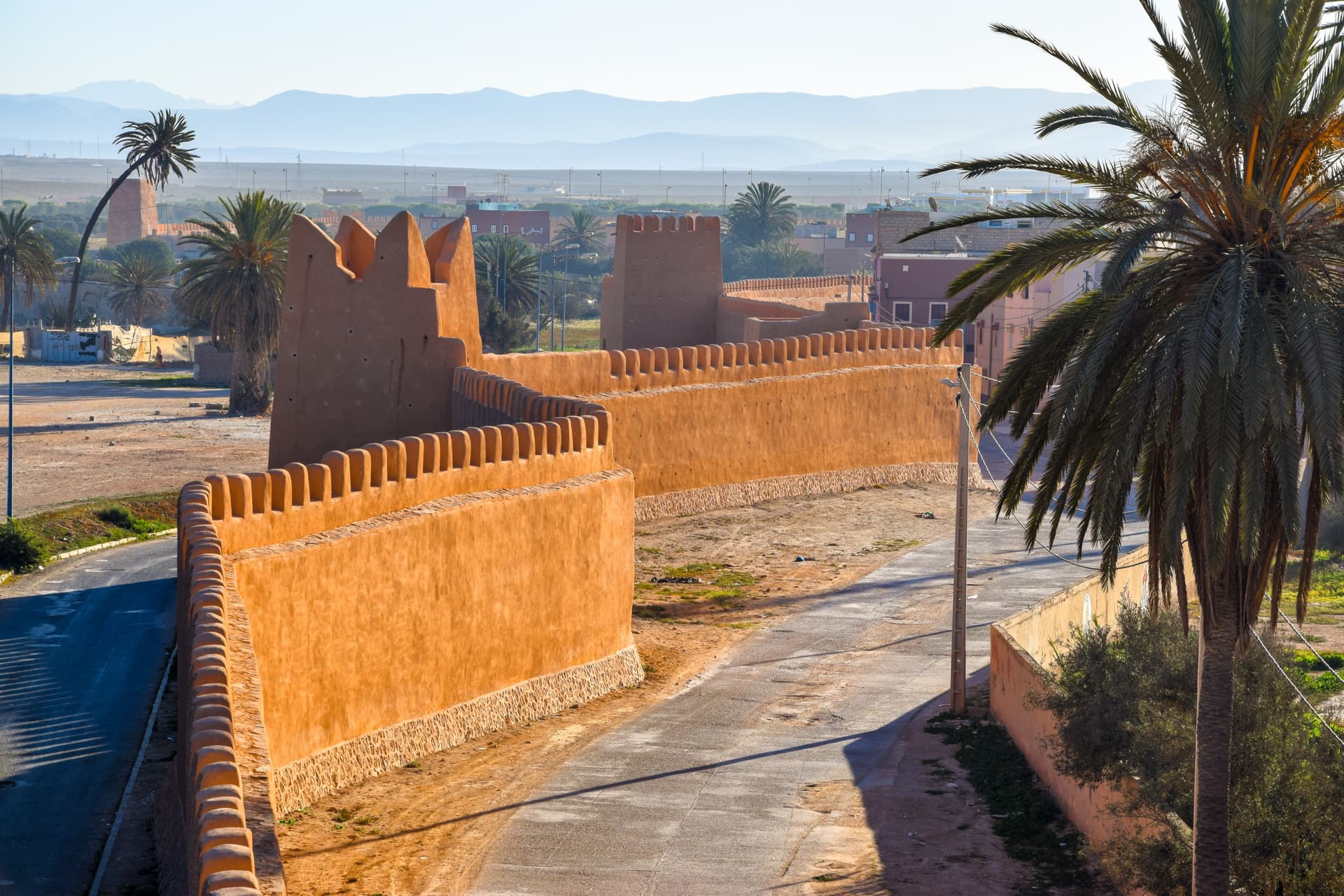
Venture off the beaten path to the Anti-Atlas! Few tourists visit this mountainous region, despite its proximity to Agadir. It is the territory of the Chleuh tribes, a confederation of Berbers proud of their traditional way of life as a desert people.
History
The formation of the Anti-Atlas dates back to the Paleozoic era, approximately 300 million years ago. Physical conditions are harsh in the region, yet a Berber people has lived here for over three millennia.
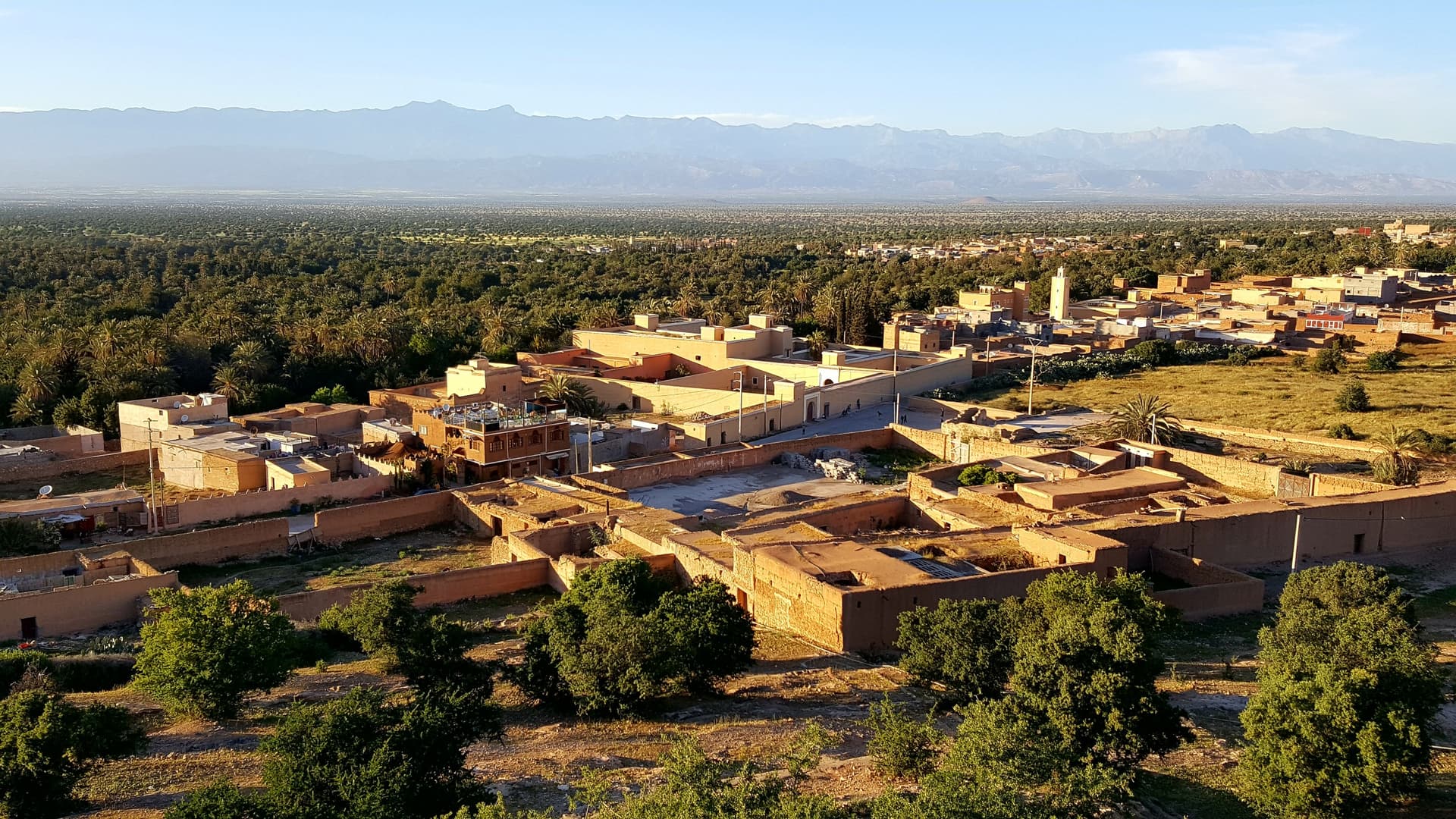
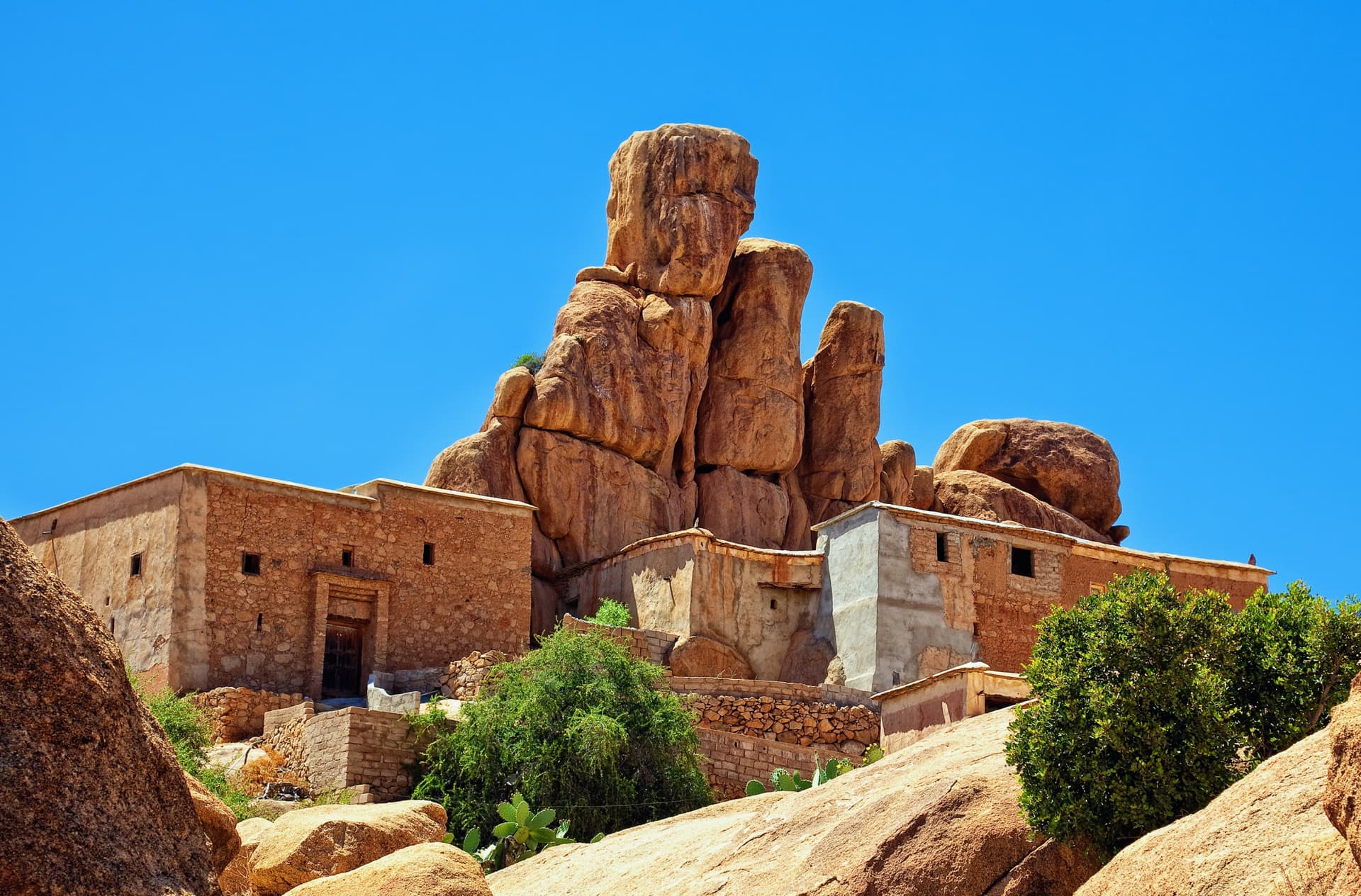
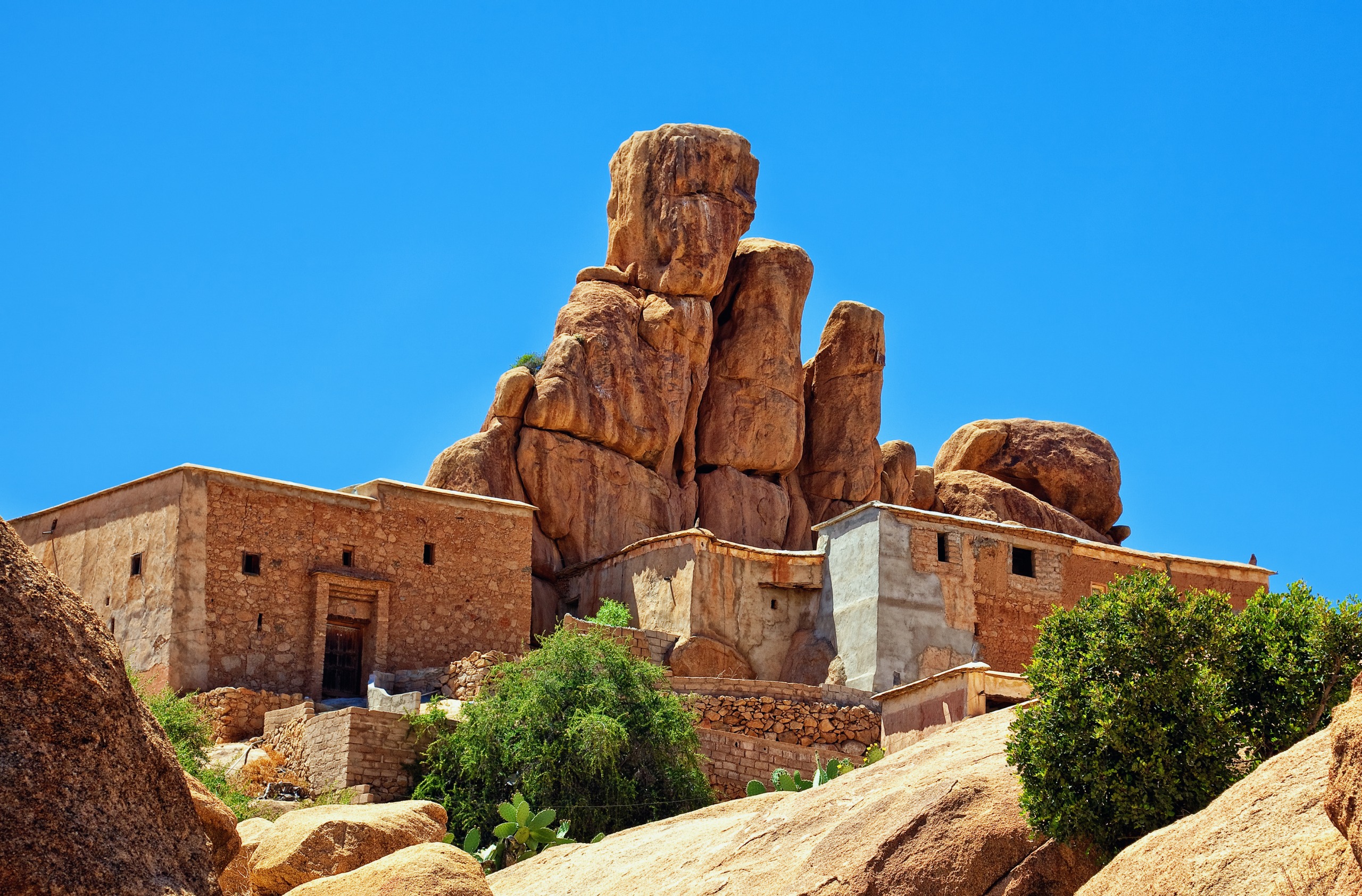
Speaking the Chleuh language, this community is composed of settled farmers who practice cultivation of cereals and fruit trees. Over time, inhabitants have succeeded in establishing almond and barley plantations on the best-exposed slopes of the mountains. In the valleys, a few irrigated areas have enabled them to develop more diverse agriculture, including vegetable and olive cultivation. However, insufficient resources have inevitably prompted groups to migrate to other territories. Tourism in the Anti-Atlas is recent and centers around Tafraoute, one of the few villages outside the mountainous zone.
Discovering the Anti-Atlas
The Anti-Atlas is also called the Little Atlas, yet its name does not diminish the grandeur of its landscapes. The mountain chain stretches 600 km east of the High Atlas, between the Tafilalet and the Souss. The only thing that could be described as "lesser" here is the tourism traffic, even though the seaside town of Agadir is not far away.
The Anti-Atlas, the perfect destination to unwind
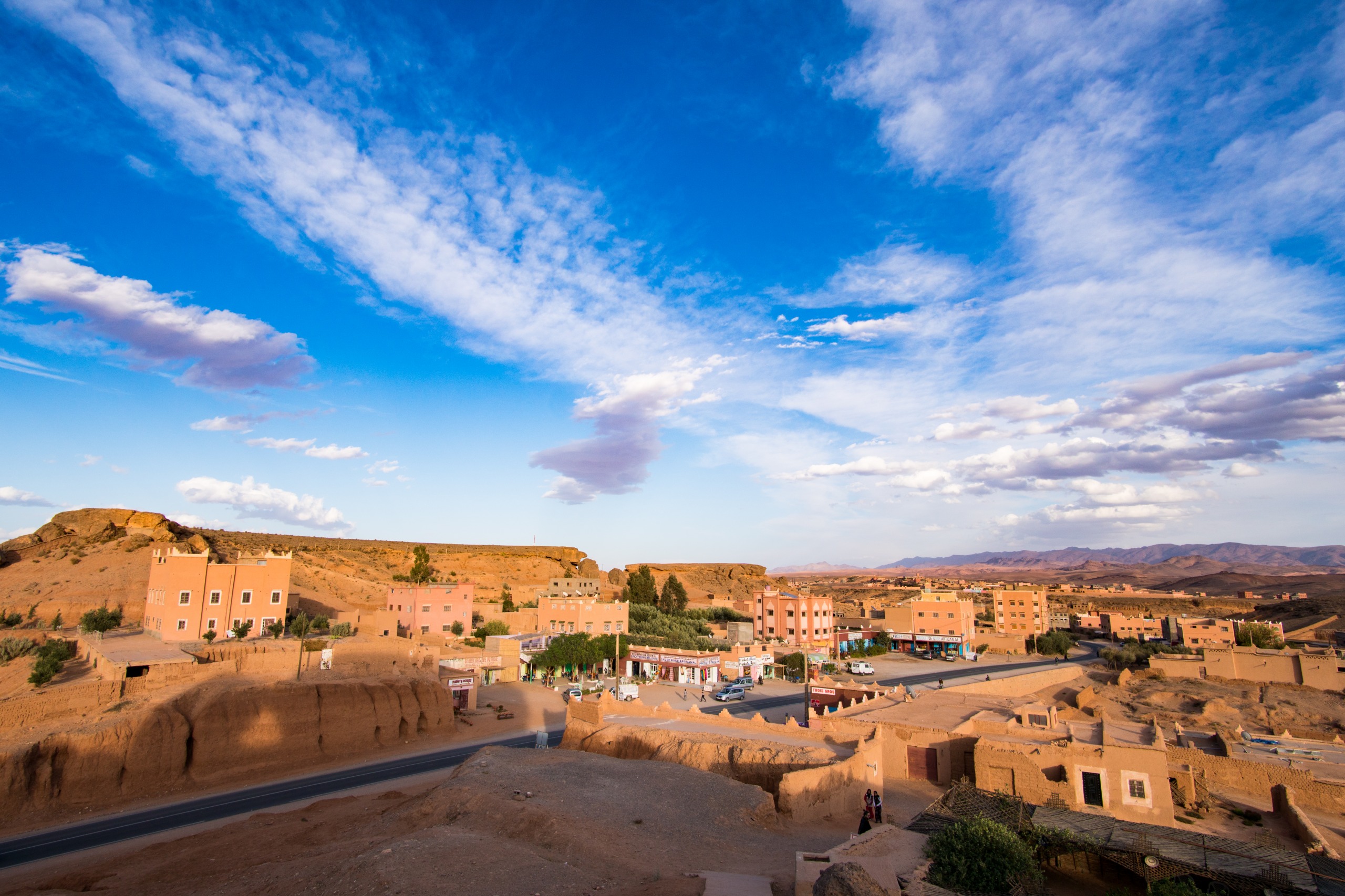
The Anti-Atlas is often overlooked in Maroc, where nature has crafted numerous wonders. Walk the empty trails and meet the Berber villagers. Residents often invite travelers to rest at their homes to bond over a cup of mint tea. Many speak English or at least know the basics which, accompanied by hand gestures, are more than sufficient for friendly conversation. Take the opportunity to learn more about traditional Berber life.
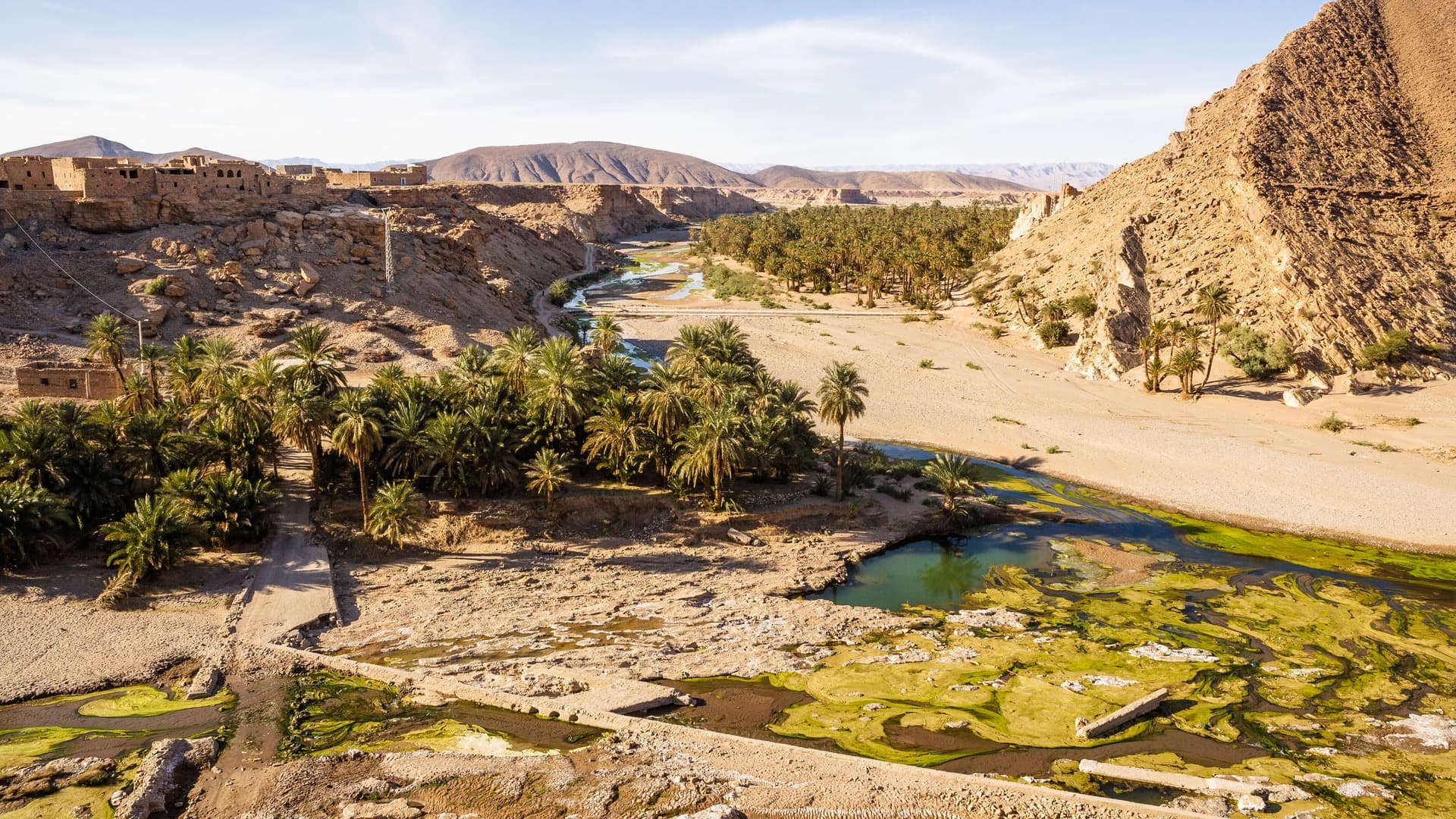
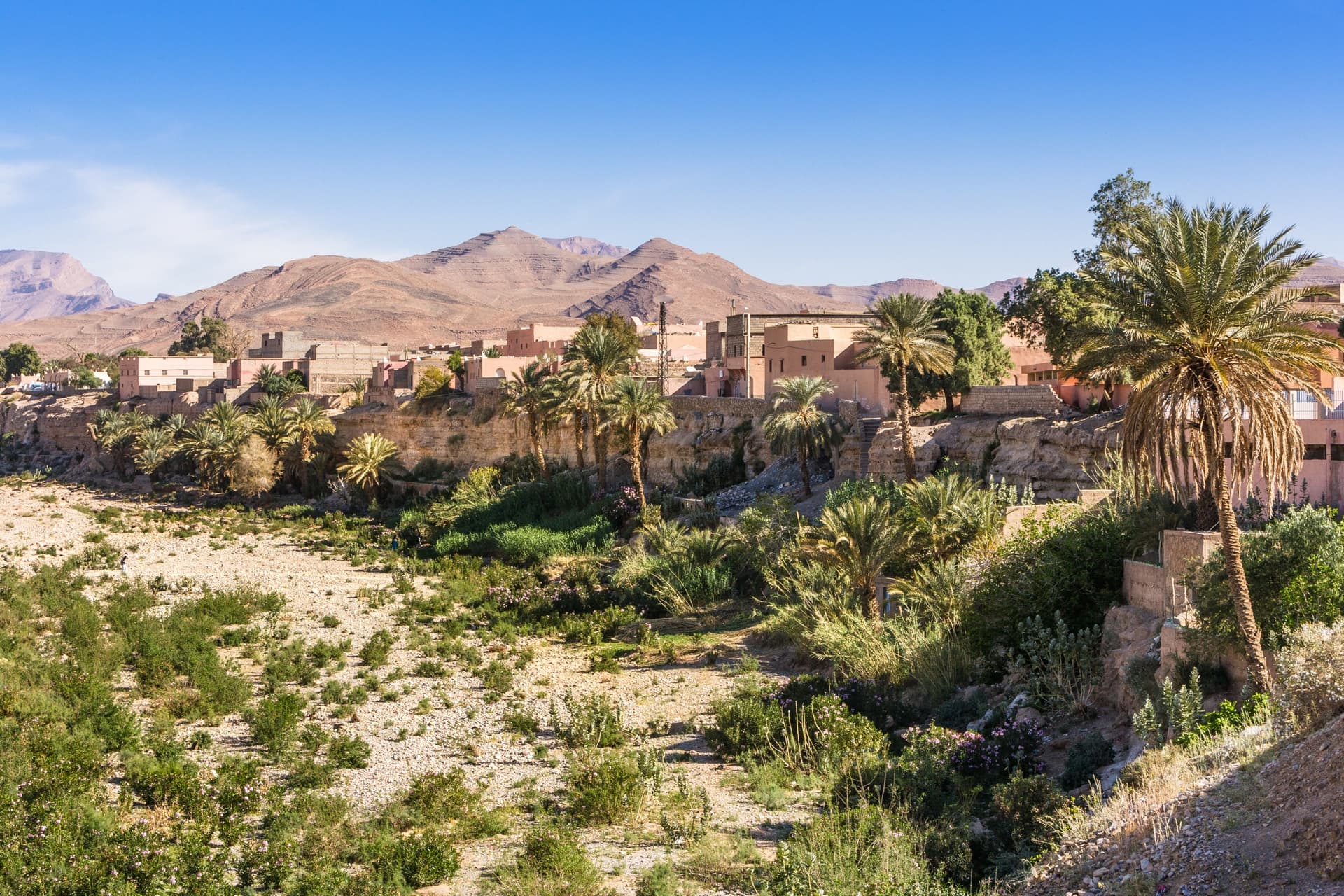
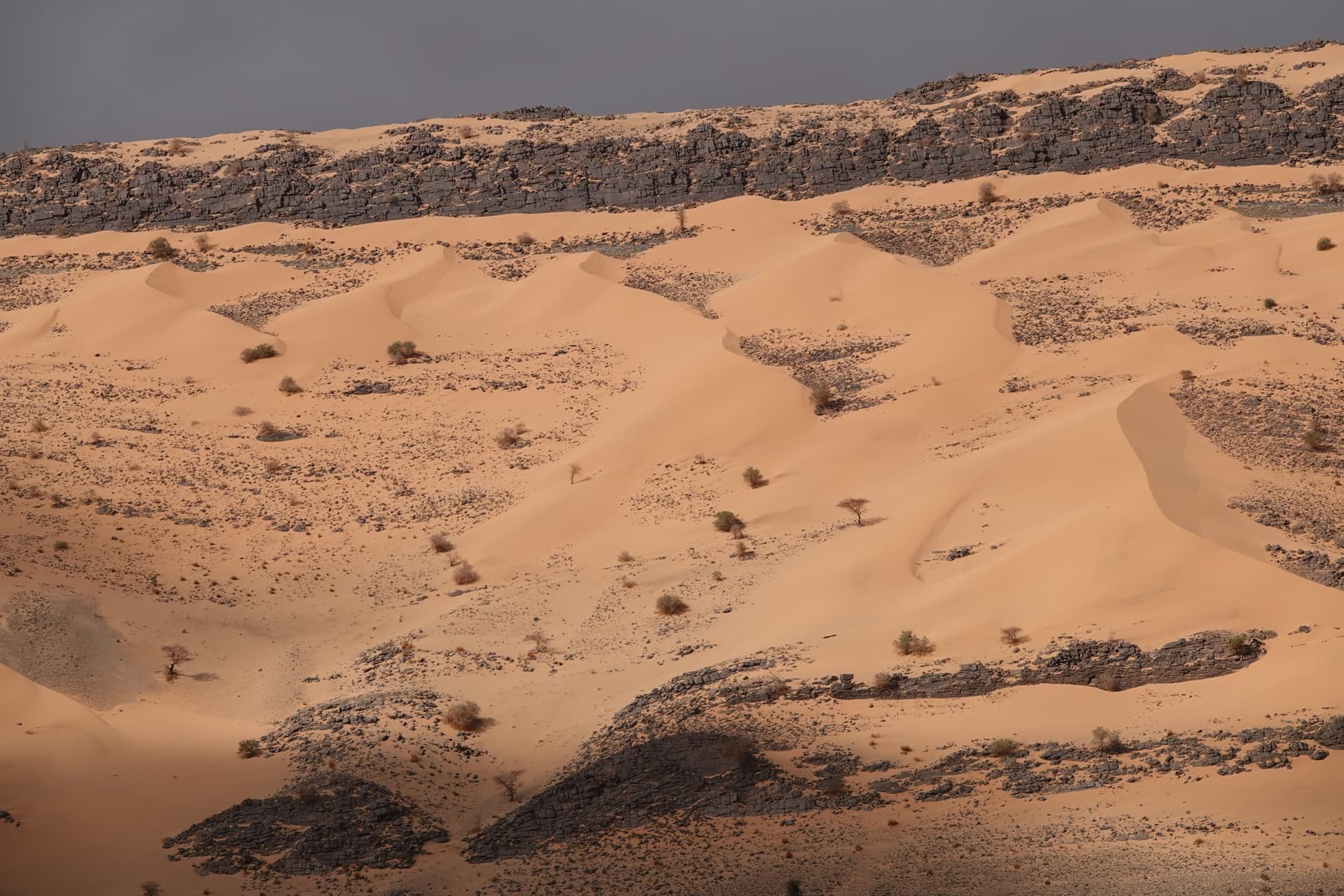
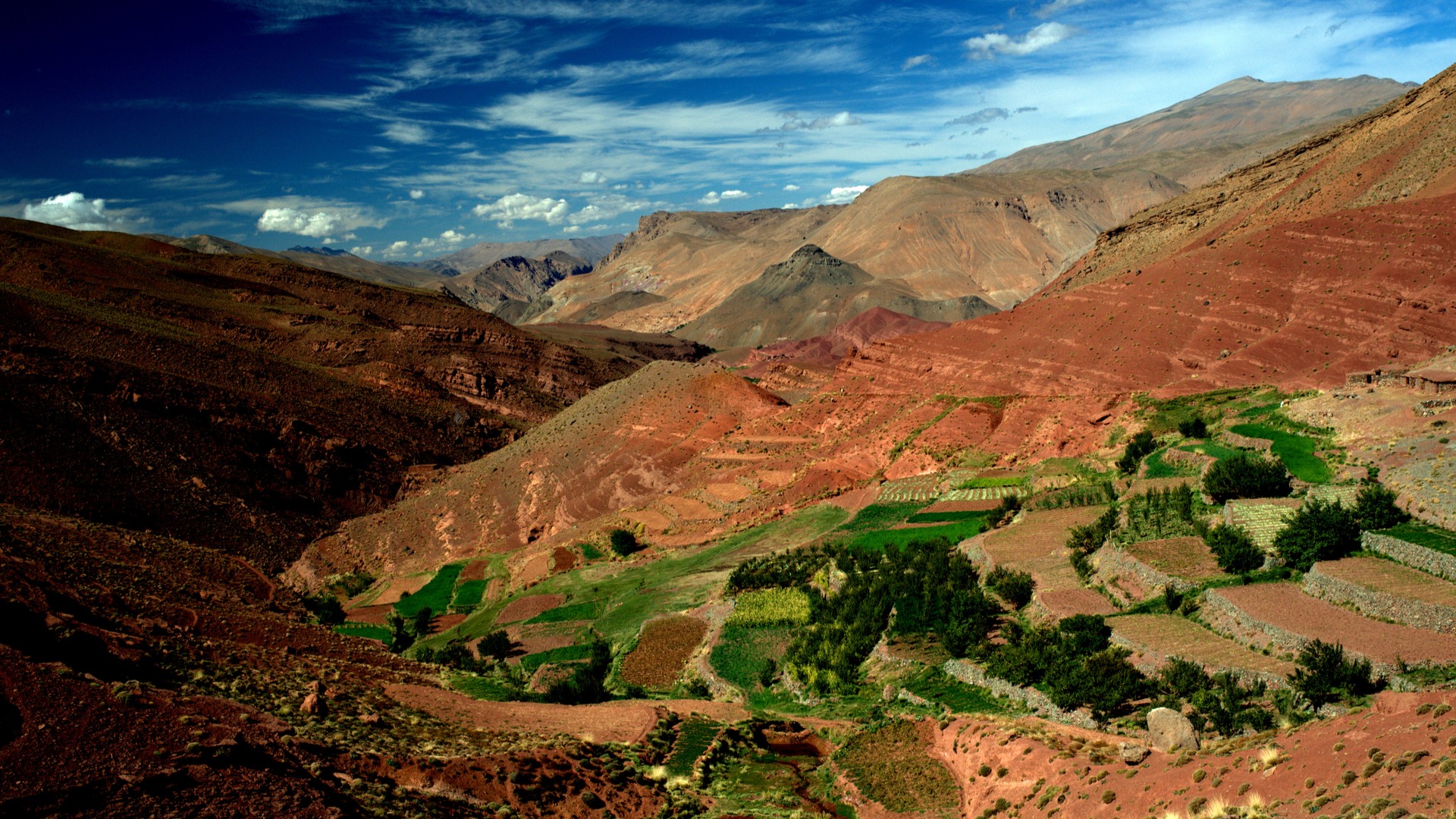
Leaving the communities behind, numerous hiking trails await you. Venture into adventure across a dry landscape painted in ochre and pink tones. Arid peaks overlooking lush valleys will serve as your landmarks, while oases guarantee a welcome respite along the way. Keep your eyes open—the region is home to wonderful wildlife, including the Barbary macaque, the Cuvier's gazelle, and the Barbary sheep.
Trek through the Anti-Atlas
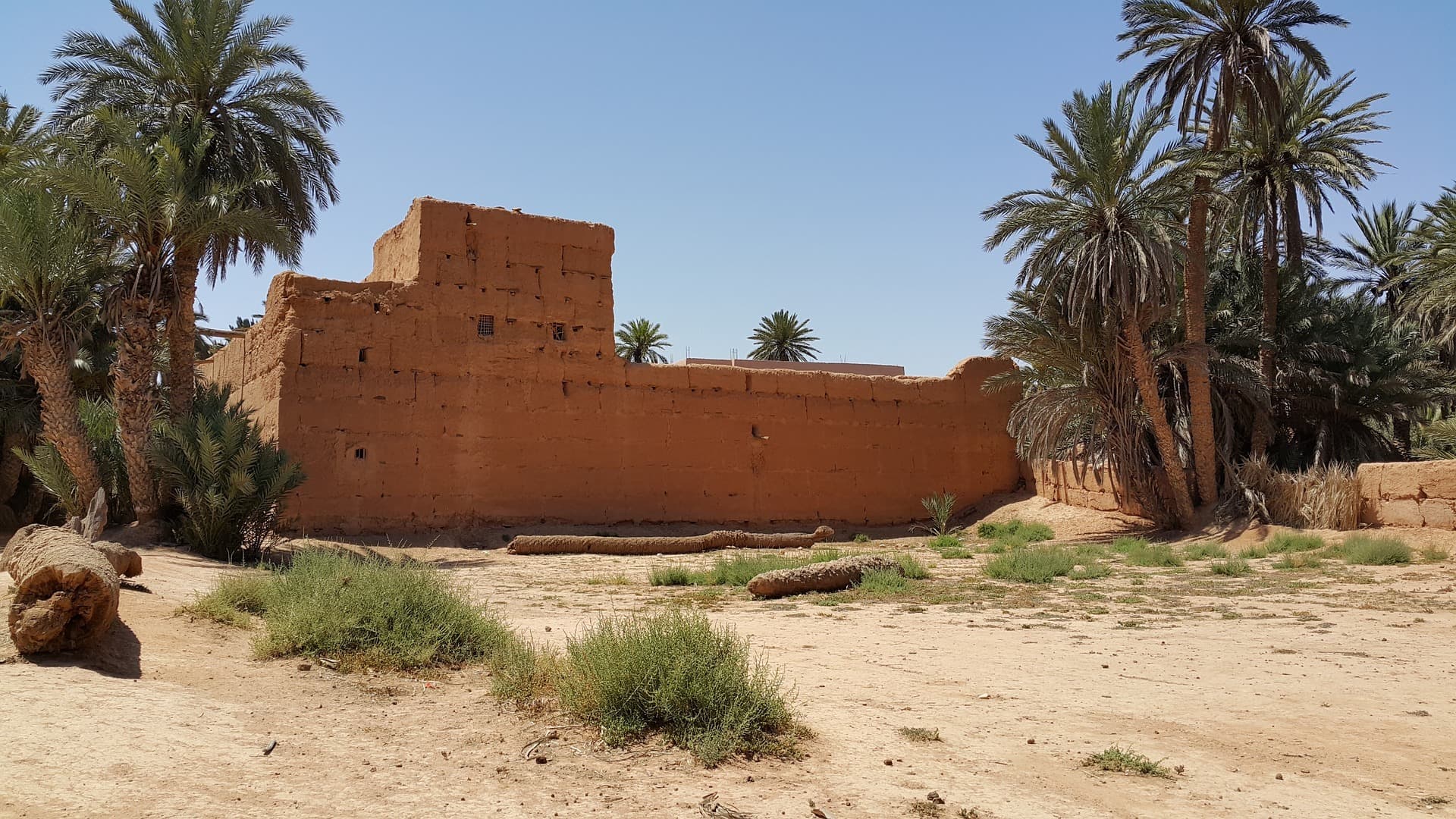
Several routes in the Anti-Atlas lead to Jebel Aklim, one of the region's highest peaks, standing at 2,531 m. Around the mountain, Berber villages nestle in valleys protected by ancient Kasbahs. From the summit, you'll gain a panoramic view of Jebel Siroua, an extinct volcano rising to 3,304 m, and in the distance, the High Atlas.
Since the region was depopulated at some point, and given the low tourist traffic, certain trails have been neglected. Be prepared to trek along uneven, rocky paths, though they remain quite manageable with effort and a bit of technique. The positive aspect is the modest elevation gain. There aren't many complicated climbs and descents, and temperatures aren't too oppressive.
Compared to the High Atlas, the Anti-Atlas is far less developed for hikers. There are no campsites or other accommodations. Here, wild camping is the way to go when you need to stop. No showers either, just basic facilities to wash up. But consider this a silver lining—you have countless fantastic spots to pitch your tent.
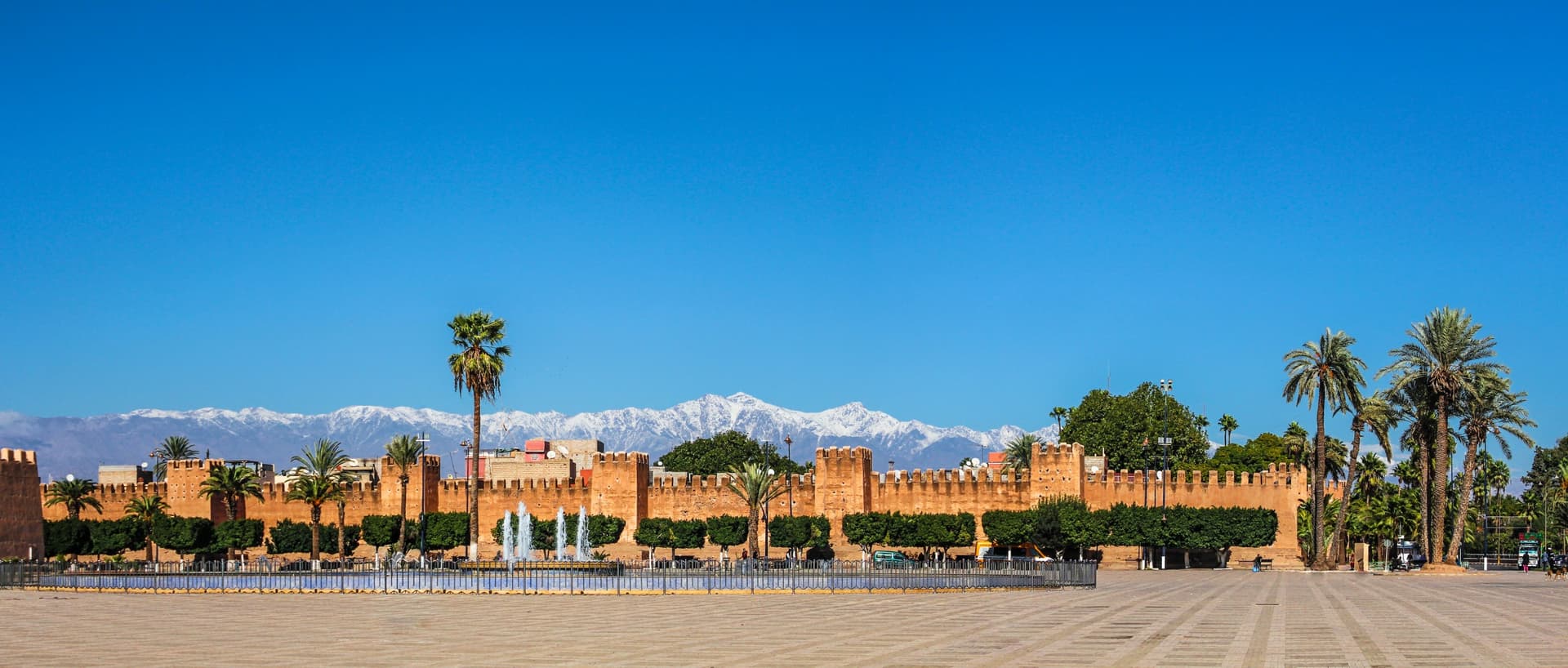
You might, for example, camp in an olive valley crossed by streams, or on a plateau bordered by farmland. At sunrise, believe us, the views will enchant you. At the end of your trek, spend time in charming towns, notably Taroudant, where you can relax in a hammam and pick up souvenirs at the souk.
When to Visit the Anti-Atlas?
The Anti-Atlas sits in a Saharan climate zone, isolated from Mediterranean influence by the High Atlas. Throughout the year, rainfall is below 200 mm. The driest region is Jebel Saghro. Weather conditions are far more favorable on the western and northern slopes, where humidity supports agriculture.
The Anti-Atlas is best suited for trekking in winter, offering milder conditions and less snow than the High Atlas. During the winter season, daytime temperatures range from 15 to 20 °C with clear skies. Spring and autumn can see temperatures rise to 28 °C with intense sun, but nights remain cool, between 8 and 18 °C.