Khenifra
Khenifra
Once the Berber capital of the Zayanes, Khenifra conceals within the heart of the Middle Atlas Almoravid fortresses, mountain lakes and cedar forests.
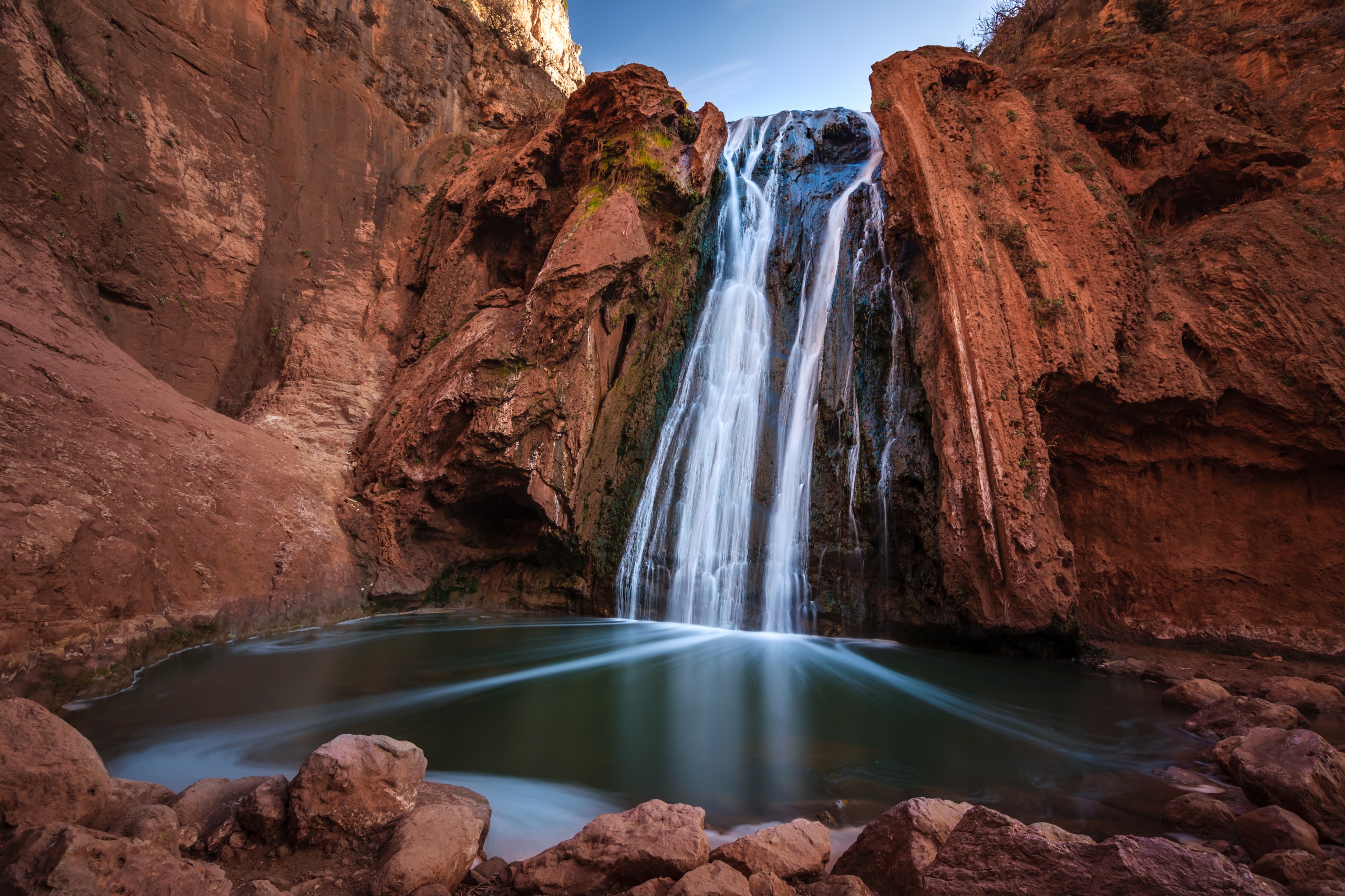
Khenifra can pride itself on its magnificent landscapes and preserved culture. There are countless ways to take advantage of what this Middle Atlas region has to offer, from rural getaways to mountain hikes, through the cedar forest. Nestled among mountains, rivers and lakes, it's a prime destination for eco-tourism in Morocco.
History
Khenifra is located in the Middle Atlas, in central Morocco, 160 km from Fès and 300 km from Marrakech. Once, it was the capital of the Zayane Berber tribe. The name Khenifra comes from the Berber verb khanfar, meaning "to attack" or "to assault." The Ait Bouhaddou clan used force to seize the city. To mark their supremacy, the Zayanes established a control post at Khenifra. The customs system they implemented required merchants to pay a tax when passing through.
Moreover, Akhanfer refers to a popular Berber wrestling game in the Middle Atlas. The place name indicates where the contest took place. The city was also called Khnifra Al Hamra, or "Red Khenifra," due to the scarlet coloring of its earth. Khenifra remained a small town living mainly off livestock and agricultural products until the early 19th century. The city gradually developed around the Kasbah of Mouha Ou Hammou Zayani on the left bank of the Oum Errabiaa, then expanded to the right bank.
Khenifra, a powerhouse of resistance during French colonization
The Zayanes' capital did not surrender easily to French colonial troops. It was a formidable target during the pacification campaign of 1912. After fierce clashes, the city finally capitulated in 1914. However, French occupation would not last long.
Five months later, the Battle of Lheri marked an emblematic victory for Moroccan resistance. The cavalrymen of Mouha Ou Hammou Zayani literally crushed the colonists. 500 French soldiers, including 33 officers, lost their lives in the combat, approximately 15 km from Khenifra. This defeat instilled for the first time the fear of "losing Morocco" in Hubert Lyautey. Khenifra would only fall a second time on June 2, 1920, after the surrender of Mouha Ou Hammou Zayani.
Discovering Khenifra
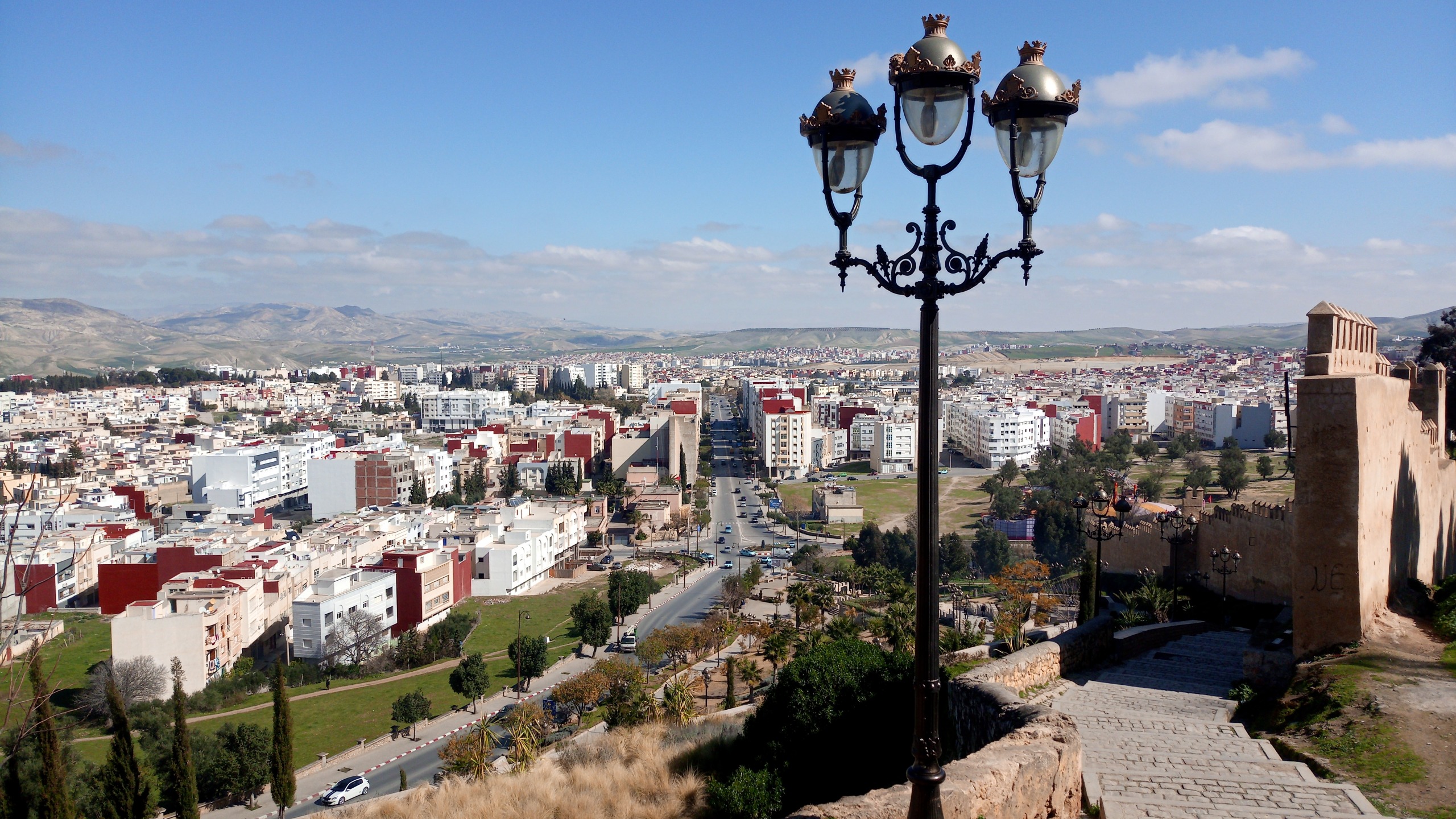
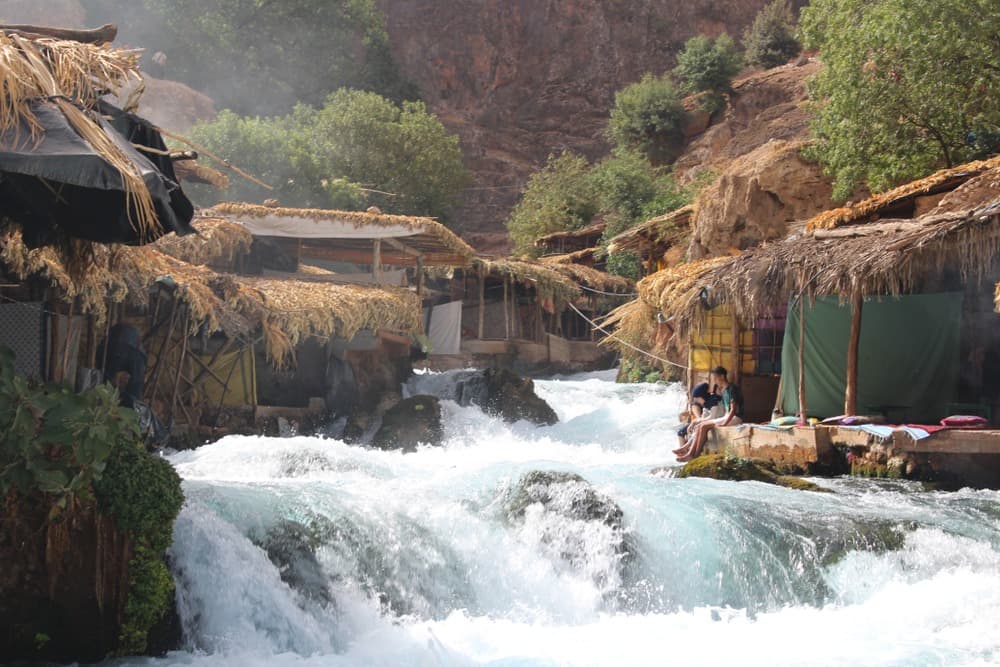
Four imposing mountains frame the city of Khenifra in the Middle Atlas, while the Oum Errabiaa river flows through it. The region enjoys a continental climate with sufficient rainfall to sustain belts of vegetation. So depending on altitude, you'll trek through carob forests, oak groves or cedar stands. This natural environment is ideal terrain for hiking enthusiasts, climbers and hunters. From Khenifra, you can easily reach numerous lakes such as Tiguelemamine and Aguelmame, as well as rivers rich in trout and pike.
The City of Khenifra
Khenifra is a small city that takes its time modernizing. Tourist infrastructure and attractions remain limited. The main attraction is the Medina. As in all Moroccan cities, the plaza offers a journey through time and into the heart of regional culture. The place buzzes with life—it's the hub of commercial activity in Khenifra. Browse the shops of the traditional souk at the old medina market. You'll find an array of hand-made clothing and embroideries.
For history enthusiasts, two sites are essential discoveries. Founded by the great Almoravid Sultan Ibn Tachfine on the banks of the Oum Errabiaa, the Kasbah of Mouha Ou Hammou Zayani was rehabilitated by the Alaouite Sultan Moulay Ismaïl in 1688 during the creation of the road connecting Meknès to Marrakech, passing through Khenifra. The other structure is the Kasbah of Adekhssal, located about fifteen kilometers south of the city. This fortress, also erected by the Almoravids, was used as an operational base by Moulay Ismaïl. Both constructions are designated as National Heritage of Morocco.
On the socio-cultural front, Khenifra is home to great diversity of folk artists. Opened in 2014, the Abou El Kacem Zayani Cultural Center offers numerous cultural activities year-round. It features a library, multimedia space and a music hall named Mohammed Rouicha, in homage to the Amazigh singer who greatly promoted the local music genre through his mastery of the loutar (Berber stringed instrument). As you'll see at the traditional medina market, Khenifra's craftsmanship is highly varied. The tazerbyt (Zayan carpet) is the emblem of Zayan artisanal tradition. It is as renowned as the Rbati carpet originating from Rabat. Gastronomically, "Ahrich" remains the local specialty (a dish made with sheep tripe).
Practical Information
When to Visit?
Khenifra enjoys a continental climate. Consequently, temperature swings vary distinctly by season, and even throughout a single day. Because of its location between mountains reaching over 2,000 m, winters are severe, with temperatures dropping to -5 °C. Summers are marked by intense heat and low rainfall. July represents the peak of the dry season, with just 4 mm of precipitation on average (December shows the highest rate at 96 mm). Over the year, Khenifra receives 400 to 700 mm of rain generally. In August, the temperature hovers around 24.7 °C, making it the warmest month. January is the coldest, with an average temperature of 8 °C.
Khenifra is served by National Road 8, which connects Fès to Marrakech.
How to Get Around?
The city of Khenifra can easily be covered on foot. To explore the surrounding area, you can take the bus or a taxi.
What to Do in Khenifra?
- Stroll through the heart of Khenifra's Medina
- Visit the remains of the Kasbah of Mouha Ou Hammou Zayani
- Go hiking in the Middle Atlas mountains
- Organize an excursion to Lake Tiguelemamine
- Fish in the Oum Errabiaa river, etc.
Want to discover this destination?
Our local advisors design your tailor-made trip.