Mogador
Mogador
Essaouira-Mogador, city of trade winds on Morocco's Atlantic coast: UNESCO Medina, Portuguese ramparts, surfing, argan oil and gnaoua music.
Mogador is the name given by the French during their occupation in 1844. It was later renamed Essaouira and still bears this name today. To honor its history, it remains known as Mogador Essaouira. The city is located in the Marrakech region, Tensift, El Haouz. With a population exceeding seventy thousand inhabitants, it serves as a major port zone for Maroc. Positioned on the Atlantic coast north of Agadir, south of Casablanca, and west of Marrakech, Mogador benefits from a mild climate year-round, with average temperatures of 12°C from November to February, rising to over 27°C in summer. Wind is a constant presence, and the summer trade winds are particularly pleasant. The city is served by an international airport, Essaouira Mogador Airport.
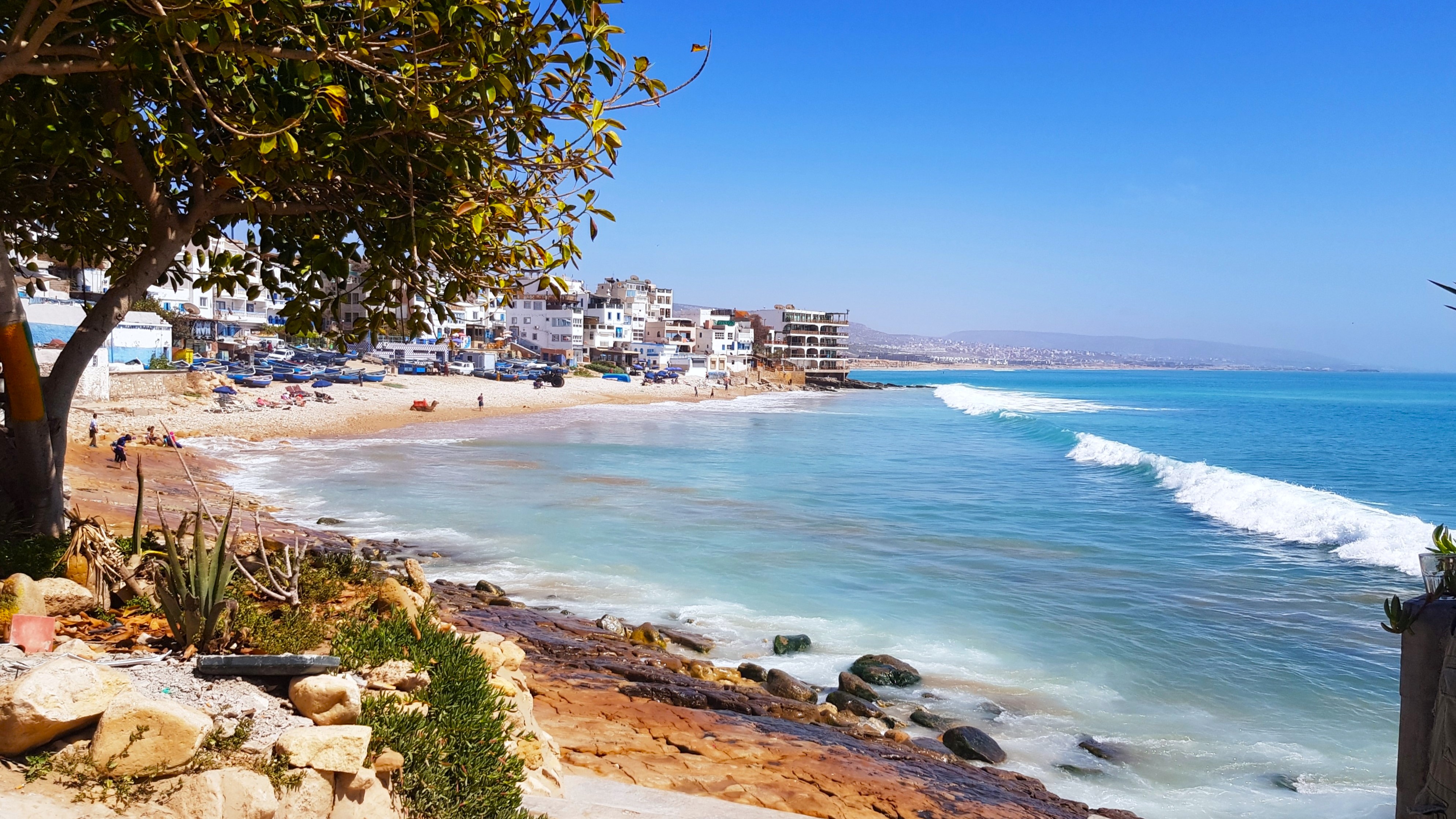
The Beach offers an extraordinary moment of serenity. Stretching for ten kilometers, it presents magnificent views of the ocean, fine golden sand, and parasols for sun protection, with a refreshing breeze to enhance your experience. You can stroll along the beach on camelback. Numerous activities await you, including kitesurfing and windsurfing, thanks in large part to the strong winds that blow away from the bay and attract scores of surfers—guaranteed thrills amid sea spray and waves. Mogador's corniche is breathtakingly beautiful. Many leisure centers await to introduce you to the pleasures of surfing and other water sports where wind reigns supreme. All around, you can wander through argan groves, renowned for their multi-purpose argan oil, olive fields, and magnificent forests.
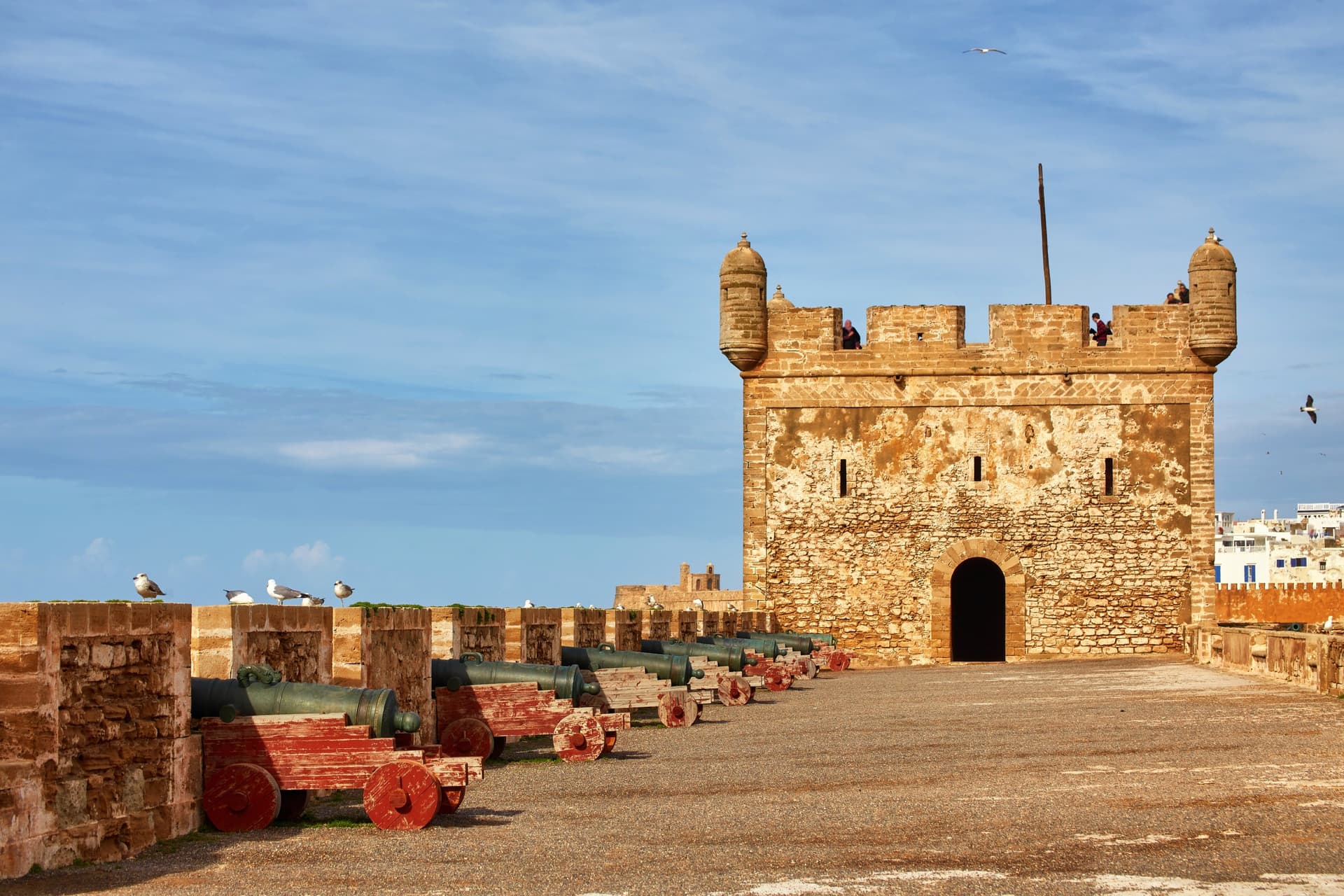
Mogador's fishing port is a charming, highly authentic small harbor and Maroc's third-largest, where sardines dominate the catch. The scene becomes bustling when boats arrive—the port grows crowded with sailors mending their blue nets, weathered from fishing. The port itself is a historical landmark, featuring the Gate of the Marine, and another smaller gate from the era of Portuguese King Manuel II, leading to the remaining vestiges of the Royal Castle, complete with a moat and a donjon resembling a rotunda. All of this is surrounded by a small fortified zone, the sqala, with its two fortified wings, each crowned by two donjons bordered by four turrets. Leaving the sqala, you'll head toward Place Moulay Hassan, a welcoming terrace that bridges the old and new city. You'll arrive at the Kasbah, a two-hundred-meter fortification where Essaouira's cannons are aligned and marquetry workshops along the street will pique your curiosity.
Mogador's Medina is charming, with narrow streets bursting with vibrant color, and a leisurely stroll reveals countless secrets. You'll discover a blend of Portuguese and Moroccan architecture, glimpse a grand mosque, authentic cafés with shaded terraces, and artisanal craftsmanship—woodworkers shaping thuya wood, copperworkers plying their trade. You'll also appreciate painters reproducing the landscapes and colors surrounding them on canvas. Four celebrated souks converge here: Souk El Ghzel, specializing in spices at remarkable prices; Souk Er-Rahba, a market for various seeds; Souk de Joutia, the antiques bazaar; and most significantly, Souk de Jdid, the fish market offering freshly caught, glistening seafood alongside meat and vegetables. Venturing deeper into the Medina's alleyways, you'll discover jewelers, clothing stalls, fabric merchants, and countless small artisans presenting their local creations. The Medina is inscribed on the UNESCO World Heritage List.
Mogador Essaouira is also a cultural hub with its Art Gallery. The Sidi Mohamed Ben Abdallah Museum celebrates local and Andalusian music and showcases regional arts. The Gnaoua Festival attracts admirers of Moroccan culture and music enthusiasts worldwide, where the ceremony called "Lila"—linked to therapeutic functions—remains a local curiosity. The city boasts a Superior School of Technology affiliated with Caddi Ayyad University. Orson Welles was inspired to film his "Othello" here, and the grandmother of Edith Piaf was born and died in Mogador.
By the end of 2013, a major complex had been completed approximately three kilometers from Essaouira, comprising luxury hotels, two 18-hole golf courses, vacation residences, a shopping center, and a beach resort—everything designed to attract tourists.
You can savor numerous Moroccan specialties here: tagine and couscous, essential Moroccan dishes, along with delightful treats like ghoriba, a shortbread-style pastry, the famous mint tea, crispy crepes drizzled with honey and melted fresh butter—a true delight. Mogador is a quintessential destination where history is deeply woven into its fabric, where trades maintain their roots in authentic Moroccan tradition, where a rustic fishing port pulses with life, and where a city of discovery awaits with countless surprises.
Want to discover this destination?
Our local advisors design your tailor-made trip.