Best Season to Visit Morocco
Morocco's territory features diverse climates with many nuances. The north has a Mediterranean climate, the west is oceanic, the interior is continental, and the south features desert or Saharan conditions
Across Moroccan territory, the climate has many nuances. The north features a Mediterranean climate, the west is oceanic, the interior is continental, and the south has a desert or Saharan climate. As a country in the subtropical zone of northwestern Africa, Maroc is characterized by a climate that varies greatly by region: coastal areas, high plateaus with the Rif and Atlas mountains, and the Sahara desert.
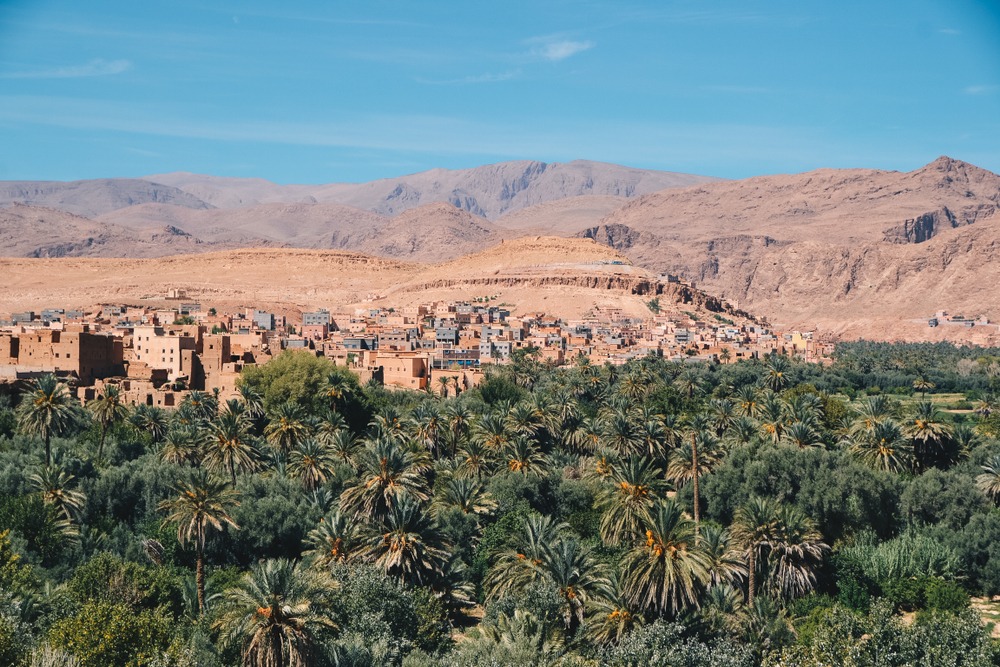
These three regions also determine the variation in Moroccan landscapes. In coastal zones, you'll find beaches and seaside resorts, in the high plateaus there are mountains covered with lush vegetation, and in the desert there are dunes and endless sand vistas.
To explore these places with complete peace of mind, don't overlook your travel timing. The climate in Moroccan regions varies according to the seasons.
Spring in Morocco 
In spring, across Morocco's coastal regions, the sun is well present, but sea breezes cool the atmosphere. Early in this season, around March, weather is rainy in the Mediterranean and northern Atlantic areas. So this isn't really the best period to visit coastal regions or enjoy Morocco's beaches.
Meanwhile, across the high plateaus, spring brings quite elevated temperatures. Mornings are somewhat cool with frost and occasional thunderstorms bringing some water and snow to high mountain peaks.
Spring in the Sahara desert is defined by quite elevated temperatures and scarcity of clouds and rain. It's actually ideal timing to traverse the Moroccan desert: it's not excessively hot, and there won't be rain or clouds.
Summer in Morocco 
Summer is undoubtedly the driest season of the year. In Moroccan coastal regions, the sun is present all day, for 9 to 10 hours. Even though temperatures reach their peaks, this area, especially the Atlantic coast, enjoys fairly gentle winds from the northeast to northwest. It's therefore the best period for water sports or simply relaxing on the beaches and seaside resorts of Morocco's coasts.
During summer, heat is often stifling across Morocco's high plateaus. Yet tourists can go hiking in high mountain areas. At altitude, the atmosphere remains more pleasant with cool nights.
Summer in the Moroccan Sahara features truly intense heat and complete dryness. The area is accessible only to those who tolerate high temperatures well, and don't forget to bring water bottles, sunscreen, and other gear suited for desert trekking. By late summer, watch for winds—the "Chargui" and "Arifi"—which are hot, dry, and laden with sand.
Autumn in Morocco 
During this period, Moroccan regions bordering the Atlantic experience northwest winds. Temperatures are pleasant, but rain returns, especially in November.
On Morocco's high plateaus, autumn also brings pleasant weather, despite occasional thunderstorms. Early November brings the first frosts. Hikers can still visit this area if they have clothing and gear suited to high mountain nighttime cold.
In the Sahara desert, autumn features thundershowers that can occur near elevated terrain. This season is therefore more humid. Still, daytime temperatures remain high before dropping somewhat at night. If you're there during this season, be sure to check local weather forecasts before planning a desert excursion.
Winter in Morocco 
Winter features short sunshine of just 5 to 6 hours daily. During this period, temperatures are mild and January is considered the coldest month of the year. It's not the best time to visit Morocco's coastal regions, as it's rainier.
On the high plateaus, winter offers the chance to ski on the snow-capped peaks of the High Atlas. This is one of the activities that draws so many tourists to Morocco during winter. Travelers can also enjoy Moroccan landscapes from a fresh perspective.
Winter in the Moroccan Sahara is also characterized by 5 to 6 hours of sunshine daily. Days are quite short and temperatures can shift abruptly. Desert access is limited to equipped vehicles and experienced trekkers. A guide is indeed required. For those who wish to camp, bring warm clothing and blankets since winter nights there are quite cool.
In general, Maroc is known for its arid and desert climate, but this holds true only when heading toward the country's south and southeast. Morocco's far north actually experiences a subhumid climate, and high plateau regions have a humid climate.