What to Do in Rabat?
The political and administrative capital of Maroc, the city of Rabat is also the 2nd largest metropolitan area in the kingdom, after Casablanca.
The political and administrative capital of Maroc, the city of Rabat is also the 2nd largest metropolitan area in the kingdom, after Casablanca. Located in the north of the country on the Atlantic coast, the city is renowned for its gentle lifestyle and mild temperatures year-round. Here, tourists are fewer in number despite the presence of numerous historical, cultural and natural treasures. Here are all the things to do and see during a stay in Rabat.
What to Do in Downtown Rabat?
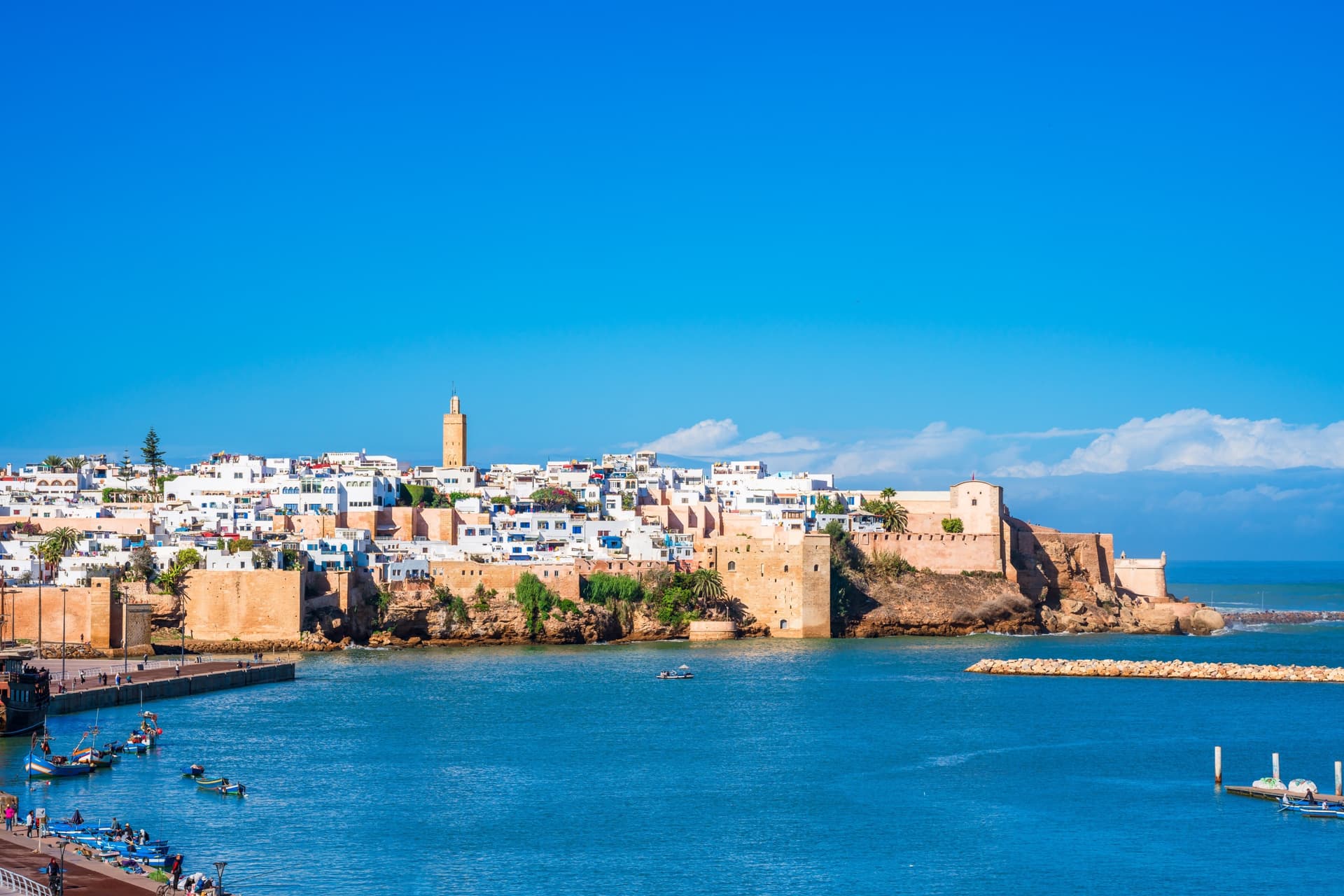
Marvel at the Kasbah of the Oudayas
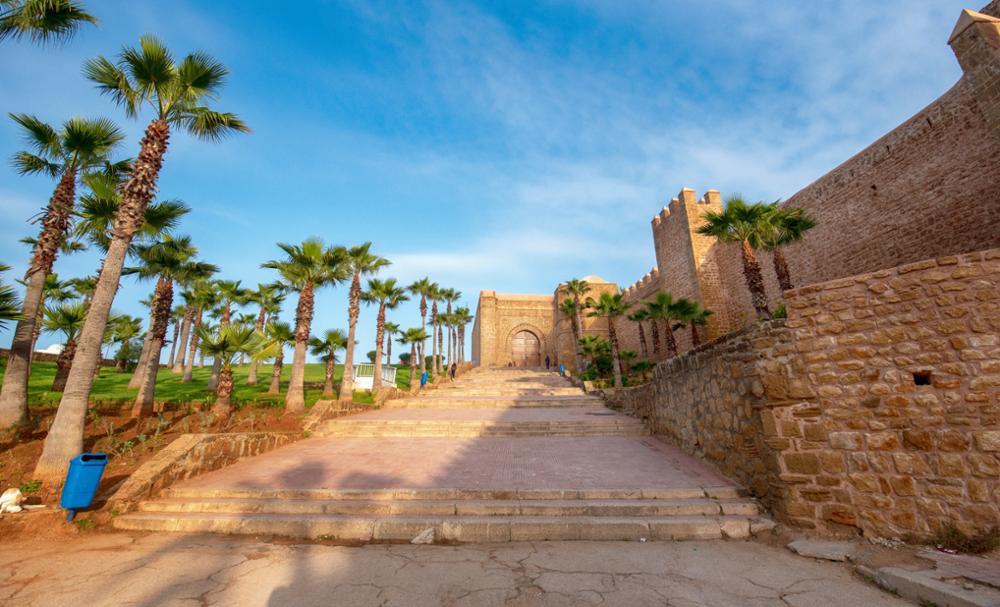
The Kasbah of the Oudayas is a fortified military camp built in the 12th century under the Almoravid dynasty. It has served various purposes throughout its history: as a military base for Moroccan troops during the conquest of Andalusia and as a lair for the corsairs of Salé.
Resembling a city within a city, the Kasbah of the Oudayas is surrounded by walls. You enter by passing through the emblematic Bab-Al-Oudaïas gate. Once inside, you can stroll through the narrow cobblestone streets and admire the white and blue houses. You can also discover the Kasbah Palace, the first royal residence built by the Alaouites, as well as the Oudayas Garden (or Andalusian garden) located at the foot of the palace.
Our advice: we recommend stopping at the Moroccan Café. A true institution for locals and travelers, the café offers magnificent views of the Bouregreg River, the ramparts and Hassan Tower. A perfect opportunity for a break and to enjoy a glass of mint tea with a Moroccan pastry.
See Hassan Tower and the Mausoleum of Mohammed V
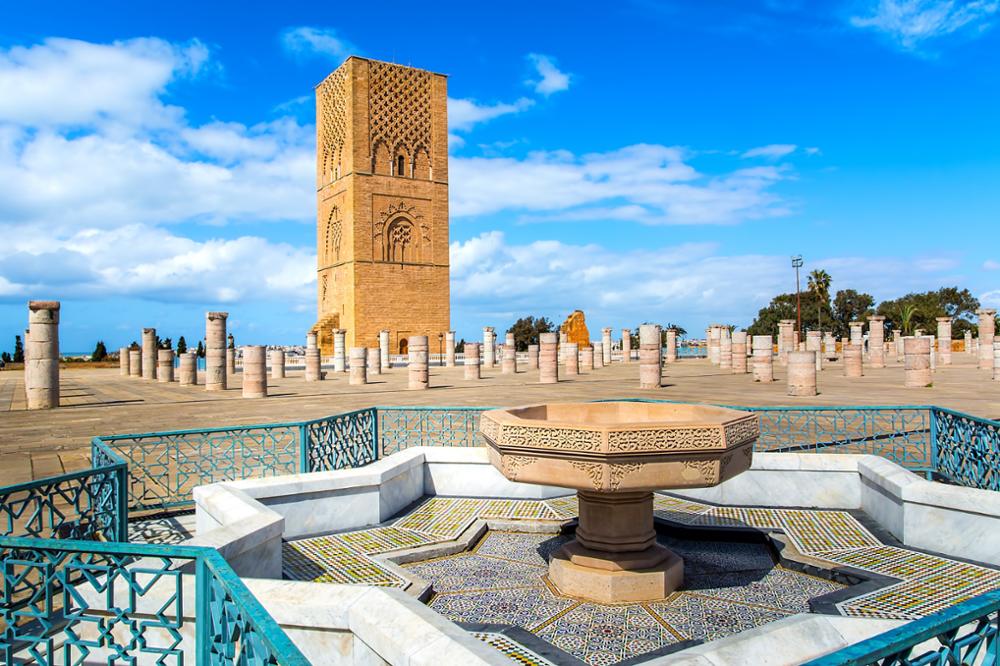
Hassan Tower
Considered the emblem of the city of Rabat, the Hassan Tower was originally meant to belong to the largest mosque in the world, but its destiny took a different turn... Indeed, the project initiated by Sultan Yacoub El Mansour was interrupted upon his death in 1199. Although its construction remains incomplete, Hassan Tower remains one of Maroc's most important symbols, even after 9 centuries.
The interior of the tower cannot be visited, but you can admire it from the esplanade or its garden. You can also see some ruins of the mosque including unfinished walls and approximately 200 columns.
The Mausoleum of Mohammed V
The Hassan Tower site was chosen to build the Mausoleum of Mohammed V, one of the most famous royal tombs in the world. Built between 1961 and 1971, the mausoleum is characterized by walls of white marble and green tiles, recalling the color of the Moroccan flag and symbolizing the Alaouite dynasty, which has ruled the country since the 17th century.
Inside, you can see the tombs of King Mohammed V and his two sons. Listed as a UNESCO World Heritage site, the mausoleum can be visited free of charge every day, except Friday at prayer time.
Explore the El Chellah Necropolis
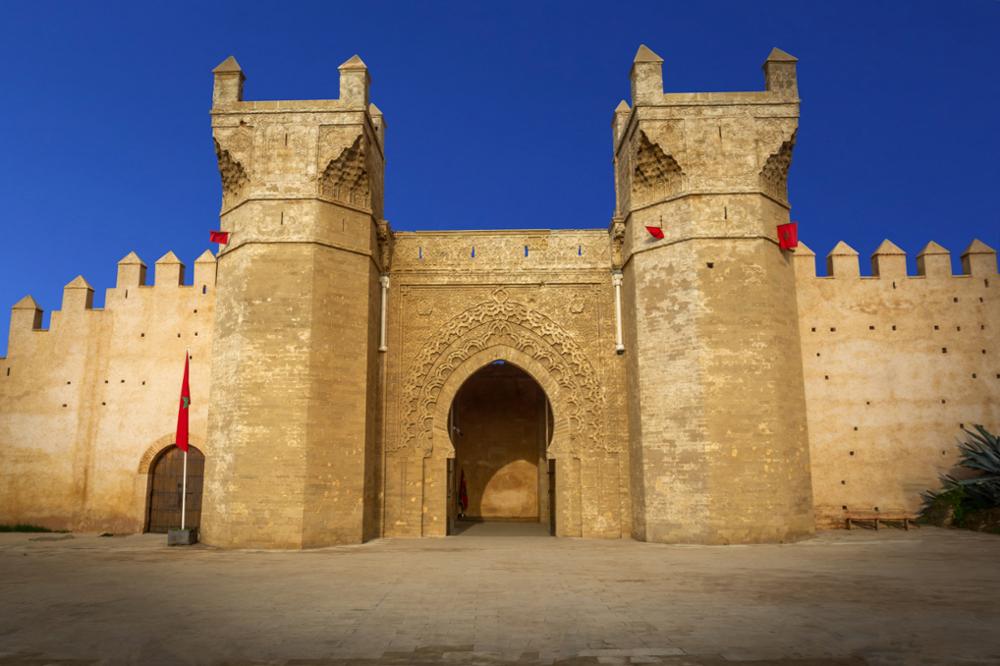
El Chellah is a Merinid necropolis from the 13th century, built on the ruins of an ancient Roman city, Sala Colonia. For many travelers, it is a real favorite during a stay in Rabat. It must be said that the necropolis has been dubbed by tour guides and visitors as "the most romantic site in Maroc".
Located outside the Almohad walls, the site offers magnificent views over the marshes and the Bouregreg River. You will find Roman ruins, medieval remains, tombs, the Mosque of Abou Youssef Yacum, green spaces...
Damaged by earthquakes and looters, the site was long left abandoned. Today classified as a historic monument, it is reclaiming its prestige. Many locals come to take walks there, particularly at sunset.
Good to know:
The El Chellah necropolis is not only popular with tourists and locals who come to stroll there, it is also home to many storks.
Shop at Rabat's Souk
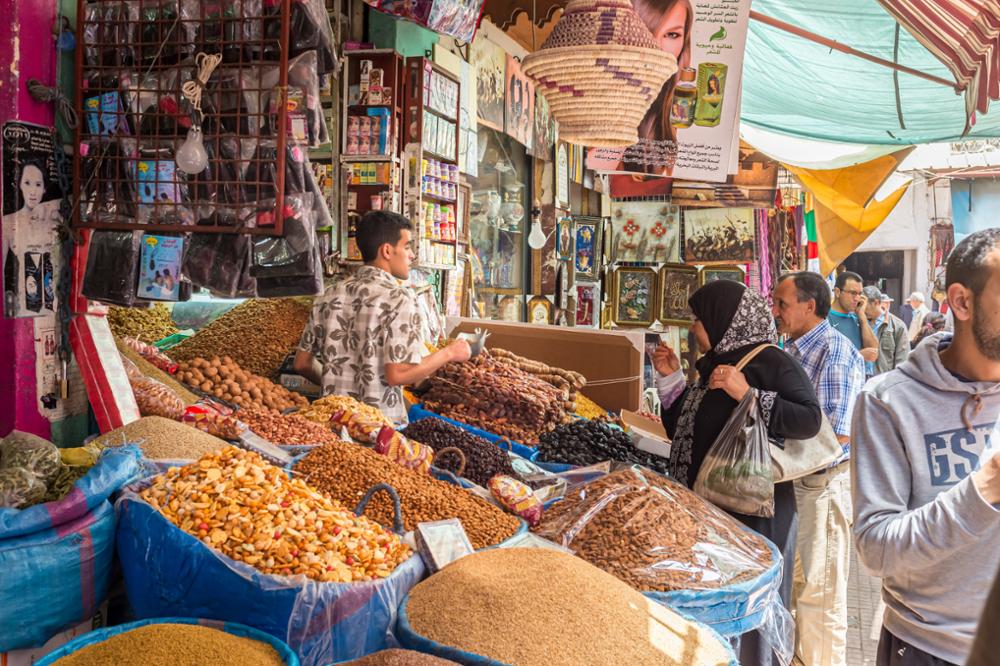
Nothing better than Moroccan souks for shopping and immersing yourself in local culture. Like all cities in Maroc, Rabat has its own souk. It is located in the heart of the Medina, the historic quarter. It extends for a kilometer from Rue des Consuls to the Kasbah of the Oudayas.
You can stroll through the charming narrow streets and shop at the many stalls of handicraft products. You will find in particular the famous Rabat carpets (made of red wool and characterized by diamond-shaped medallions in the center), jewelry (particularly in silver), objects made of leather or wood, pottery, clothing and fabrics.
A stroll through Rabat's souk is also an opportunity to taste some Moroccan culinary specialties and purchase fresh produce (vegetables, fruits...) and spices.
Admire Saint-Peter's Cathedral
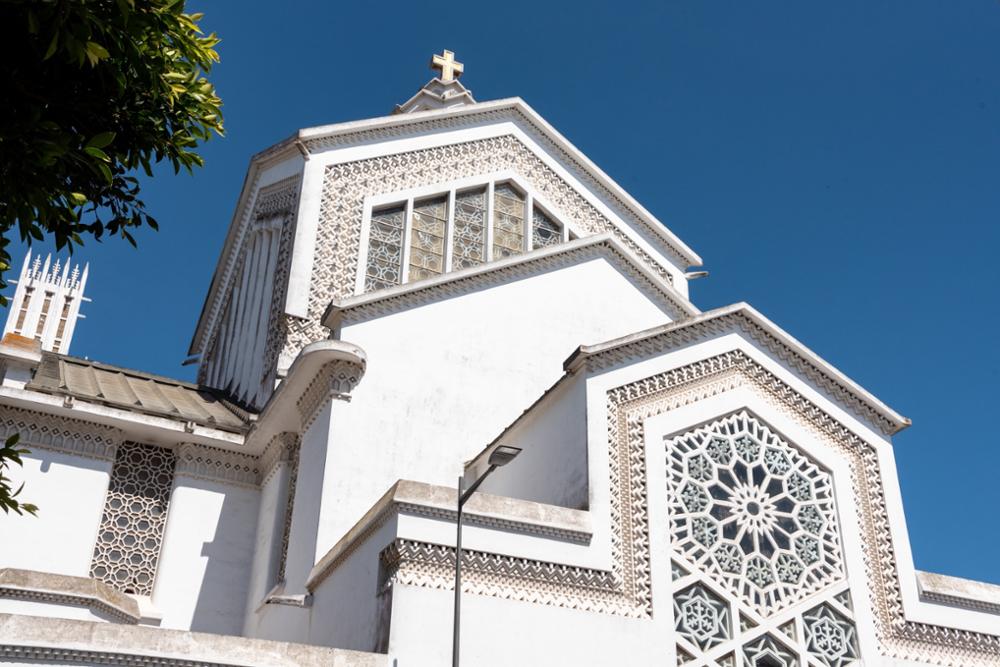
Saint-Peter's Cathedral is among the most emblematic religious buildings in Rabat. Built between 1919 and 1930, during the period of the French protectorate, it is located on Golan Square in the Hassan Quarter. It is today the seat of the Archdiocese of Rabat and the only Catholic religious building in Rabat (with the exception of the Chapel of Saint Francis of Assisi which is not open to the public).
If the visit is worthwhile, it is especially for its Art Deco style architecture with geometric lines combined with Moroccan influences. In addition to providing a window into the city's colonial past, Rabat's Saint-Peter's Cathedral is a true symbol of religious coexistence. Admission is free and daily masses are held there.
Visit the Museums of Rabat
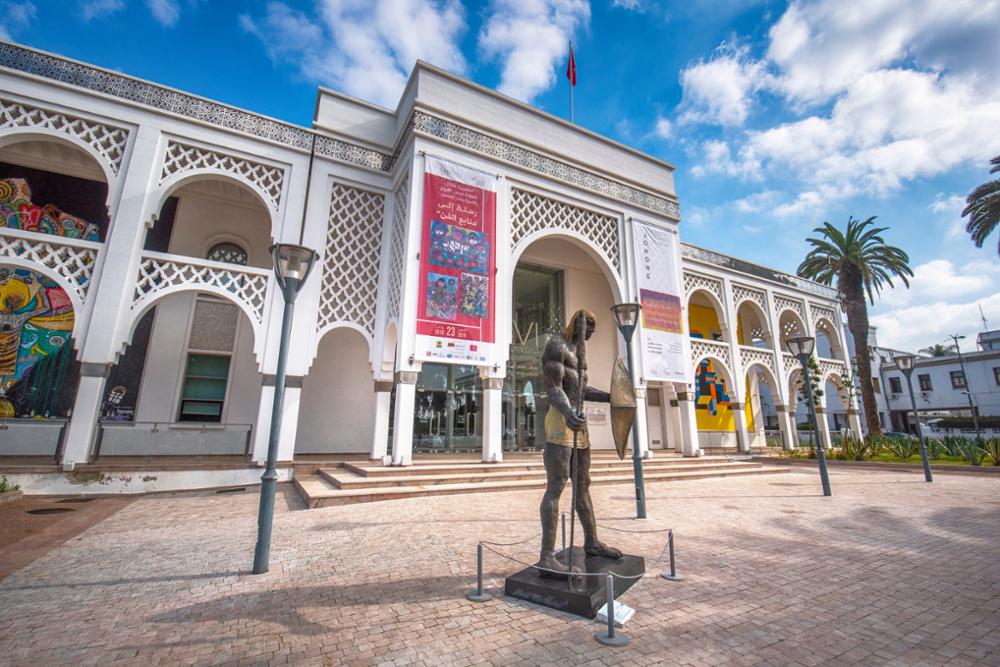
The city of Rabat contains several museums that will delight history and culture enthusiasts. Among them, two museums deserve a visit:
The Museum of History and Civilizations
Formerly called the "Archaeological Museum", Rabat's Museum of History and Civilizations offers an impressive collection of archaeological pieces from Maroc, from prehistory to the Islamic era. It allows you to learn more about the various civilizations of Maroc and the ancestral way of life of Maghreb tribes.
Hours: Open Monday to Sunday, 10am to 6pm. Closed Tuesdays.
Rates:
20 dhs for adults,
10 dhs for children,
5 dhs for groups.
The Mohammed VI Museum of Modern and Contemporary Art
Inaugurated by His Majesty King Mohammed VI in October 2014, the Mohammed VI Museum of Modern and Contemporary Art (MMVI) is Maroc's first museum dedicated entirely to modern and contemporary art. The museum houses collections of paintings, sculptures and multimedia works by Moroccan and international artists. Temporary exhibitions and cultural events are also regularly organized there.
Hours: Open Monday to Sunday, 10am to 6pm. Closed Tuesdays.
Rates:
30 dh for Moroccan adults,
15 dh for Moroccans under 18,
60 dh for foreigners.
Take a Break at the Botanical Garden
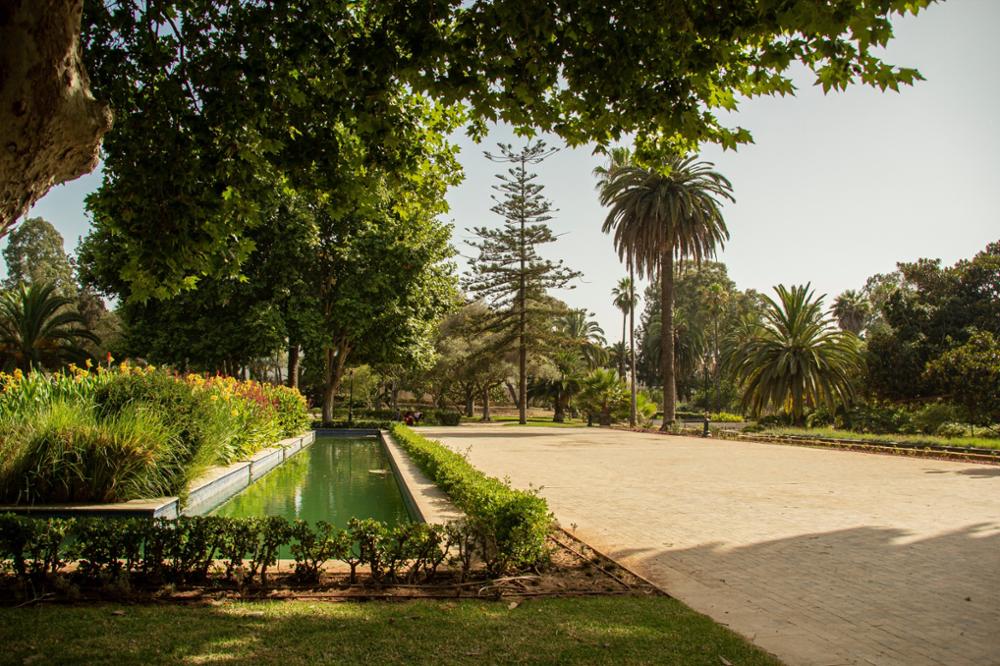
Located in the heart of Rabat, in the Agdal district, the botanical garden is the ideal place to take a break away from urban bustle. Created at the initiative of Marshal Lyautey in 1914, it houses more than 650 species of ornamental plants and fruit trees from Maroc and various regions around the world.
While it is a pleasant place for a stroll, the botanical garden in Rabat is above all an environmental education center serving the general public and an ideal place to promote the national ecological heritage. It also serves as a resource center for biological collections for scientific research and as a center for welcoming plant collections intended for biodiversity conservation.
What to Do Around Rabat?
Are you planning several days in Rabat? What a wonderful idea! In addition to discovering all the city's riches, you can venture into the surrounding area. Here are things to do around Rabat:
Visit the City of Salé
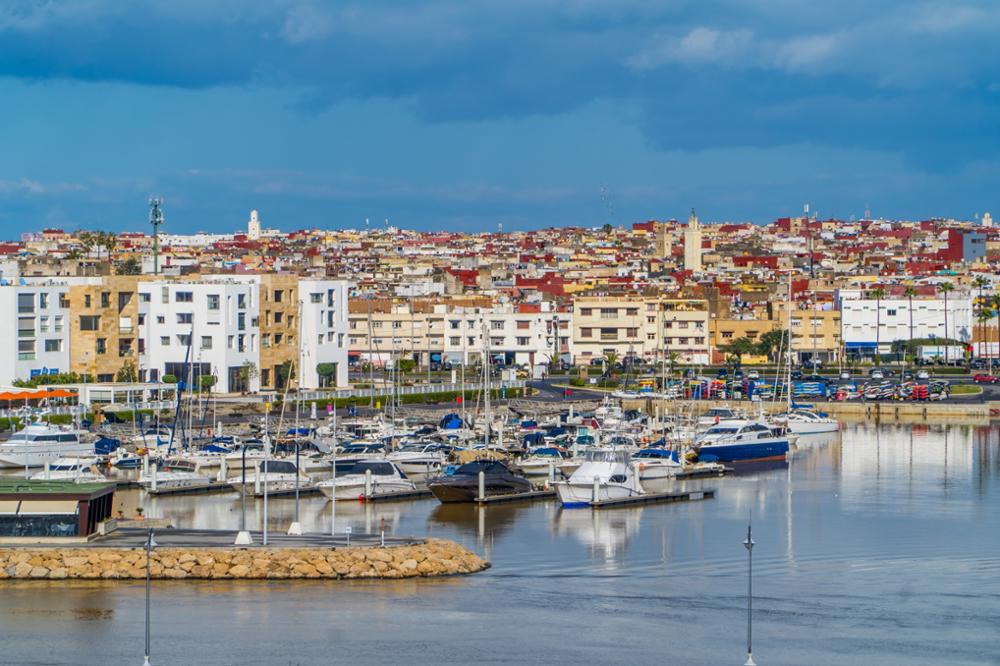
Located on the right bank of the Bouregreg, the city of Salé is a charming little town that deserves at least a half-day visit. You will find a superb medina hosting the souks of Salé, the Great Mosque Al Aadam (one of the largest mosques in Maroc), the Borj Adoumoue (a military bastion located by the sea) and the Merénide Medersa (a magnificent former Quranic school now transformed into a museum).
Stroll Through the Exotic Gardens of Bouknadel
For an exotic break, head to the exotic gardens of Bouknadel, 12 km from Rabat. Designed by Marcel François, a French horticultural engineer, the gardens house a collection of more than 600 plant species from around the world as well as 80 animal species. The gardens are divided into several themes (Nature, Culture and Educational gardens) and can be visited through educational pathways.
You will also find a museum, installed in Marcel François' former house, which presents the site's history and the actions of the Mohammed VI Foundation for Environmental Protection.
Hours: open every day (except Monday morning and Adha and Al Fitr feast days) from 9am to 5:30pm in autumn-winter and from 9am to 7:30pm in spring-summer.
Rates (Package ticket (Gardens + Vivarium + Museum):
20 dh for adults (over 11 years),
12 dh for children under 10,
50 dh for families (parents with 3 children).
Hike and Picnic in the Maâmora Forest
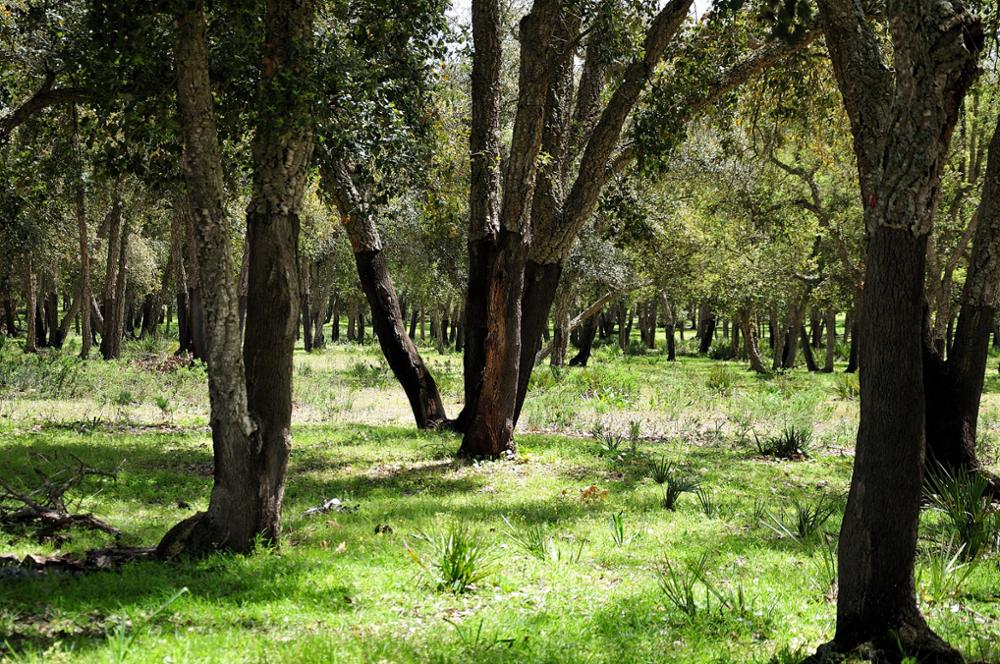
Located on the road to Kénitra northeast of Rabat, the Maâmora forest is considered the largest cork oak forest plain, that is, the largest cork oak forest in the Mediterranean region. Covering an area of 50,000 hectares, you will also find magnificent eucalyptus, pines and acacias.
In terms of wildlife, more than 20 species of mammals and 20 species of birds have been recorded there. It is also an excellent site for observing raptors including the European roller and the golden eagle. As you can see, the Maâmora Forest is the ideal place for hiking, observing local fauna and flora and having a picnic with family.
Relax on the Beaches Around Rabat
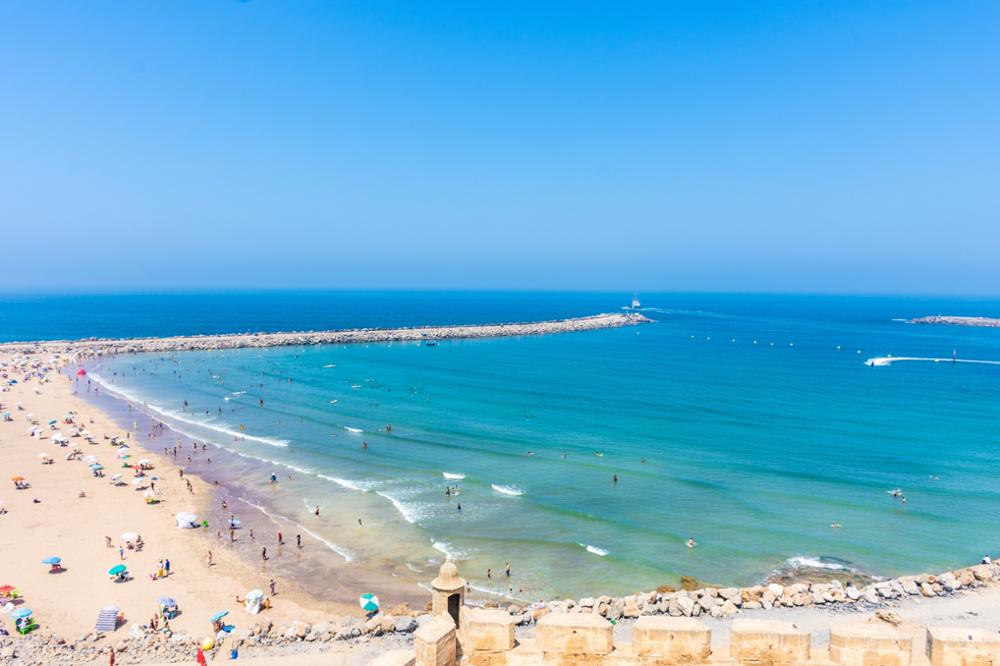
Due to its location on the Atlantic coast, the city of Rabat has some beaches in its surroundings that delight lovers of relaxation andwater sports activities.
In the heart of Rabat city, you can relax on the beach of the Oudayas. The most beautiful beaches south of Rabat are those of Temara, Skhirat and Bouznika. North of the city, we recommend stopping at the sublime Nations Beach which will seduce you with its wild atmosphere. And if you love surfing, know that Mehdia Beach, located 30 km north of Rabat, is one of the best surf spots in Maroc.
Frequently asked questions
Spring (March to May) and fall (September to November) are the best seasons to visit Rabat. Temperatures are mild and pleasant, ideal for exploring the medina, historic sites and beaches. In summer, the heat can be intense but the Atlantic breeze cools the coast.
A minimum of 2 days is recommended to discover the main sites in Rabat: the Kasbah of the Oudayas, Hassan Tower, the Mausoleum of Mohammed V and the El Chellah necropolis. Plan 3 to 4 days to include excursions to the surrounding areas such as Salé, the Maâmora Forest and nearby beaches.
Several sites are free, such as the Mausoleum of Mohammed V and Saint-Peter's Cathedral. Others are paid: the Museum of History and Civilizations (20 dhs for adults), the Mohammed VI Museum of Modern Art (60 dhs for foreigners) and the exotic gardens of Bouknadel (20 dhs for adults).
Rabat has a modern tram system (Rabat-Salé Tram) connecting the main quarters of the city and the neighboring city of Salé. Taxis are also very accessible and inexpensive. The historic center is easily explored on foot, particularly the medina, the Kasbah of the Oudayas and the surroundings of Hassan Tower.
Rabat's souk is renowned for its Rabat carpets (red wool, decorated with diamond-shaped medallions), silver jewelry, leather and wood objects, pottery and spices. The medina extends for a kilometer from Rue des Consuls to the Kasbah of the Oudayas, offering numerous local craft shops.
Yes, Rabat is ideally located on the Atlantic coast. Oudayas Beach is in the heart of the city. To the south, the beaches of Temara, Skhirat and Bouznika are popular. To the north, Nations Beach offers a wild atmosphere. Mehdia Beach, 30 km north, is one of the best surf spots in Maroc.