Cycling in Morocco
It was in 1937 that the first Tour of Morocco cycling race took place (the oldest event on the entire African continent), also known as Tawaf Al-Maghrib.
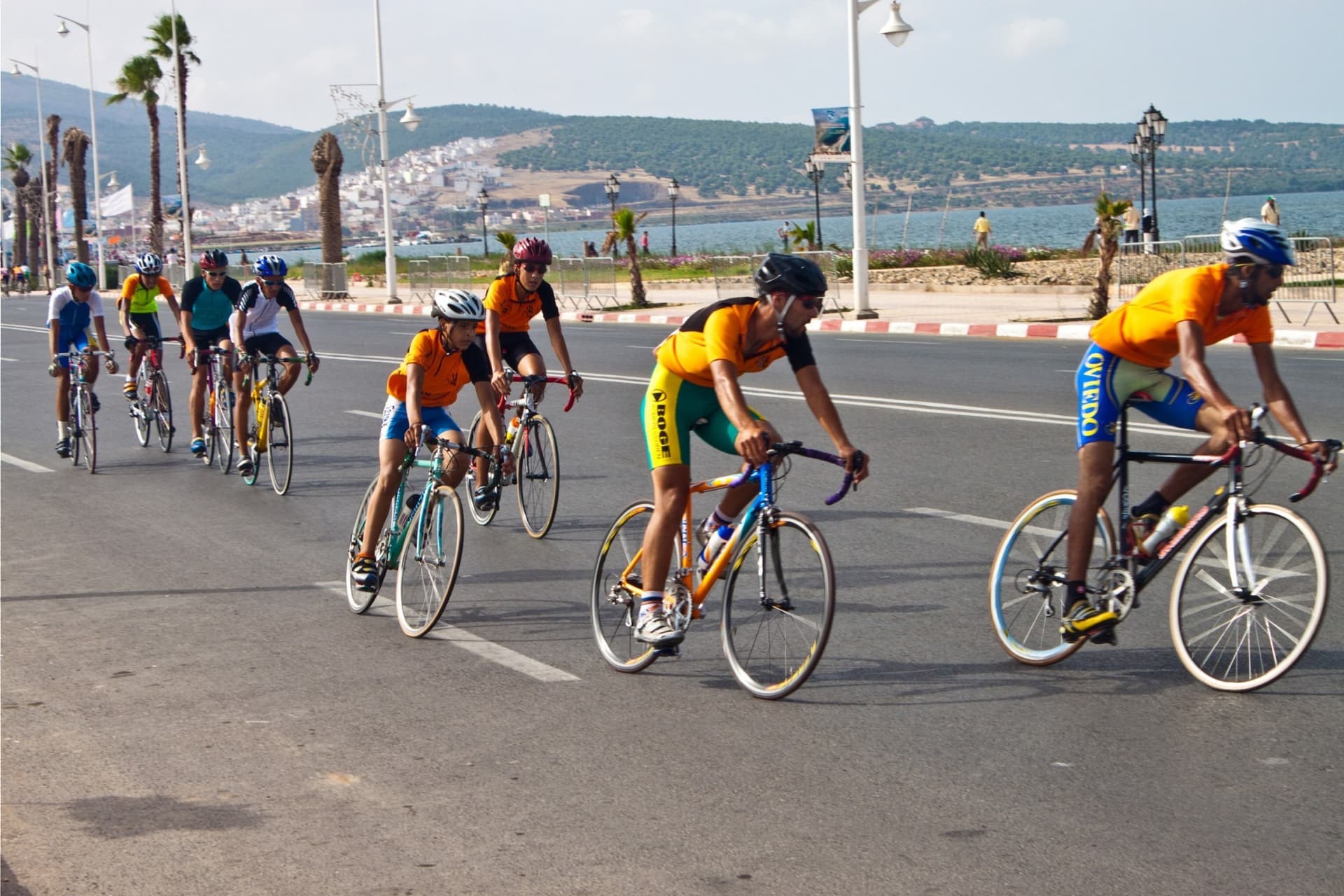
It was in 1937 that the first Morocco cycling tour took place (the oldest event on the entire African continent), also known as Tawaf Al-Maghrib. A high-level sporting event that has attracted competitors from around the world over the years. In 2011, the 35th edition of this stage race was held. More than 130 riders and no fewer than 16 international teams participate in this major event, which takes place between late March and early April.
The route, which stretches for more than 1,500 km, is completed in about ten days and allows riders to cross the main cities of Morocco. In 2011, the start was given in El Jadida and the finish took place in Casablanca. Since 1992, this Morocco cycling tour has been considered by the Union Cycliste Internationale as a flagship event, on the same level as the Tour de France or the Tour of Spain.
The standout figure of this major race, which features in the UCI Africa Tour palmares, is Moroccan Mohamed El Gourch, a three-time champion in the 1960s. With him, Moroccan cycling took off and gained recognition among the general public. Other great cyclists would follow, such as Kendoura Lacheb, Mustapha Belkadi, Abdellah Kaddour, historic stage winners and champions at the Mediterranean Games. After a less favorable period, Moroccan cycling rose from the ashes from the 1980s onward. The Tour of Morocco was won in 2011 by Mouhssine Lahsaini. He was celebrated triumphantly by supporters because it had been nearly 40 years since Morocco had a national champion.
Further proof of this surge in Moroccan cycling came when the country qualified for the world cycling championships held in Australia in 2010, in the Elite Men's category. Not to mention the impressive palmares achieved abroad through the UCI Africa Tour 2010 by the national team.
The Royal Moroccan Federation of cycling has greatly contributed to giving this sport a new dimension. Today, it can boast of having no fewer than 100 professional riders under its umbrella, with more than 80% of them under 21 years old. Similarly, it encourages the professionalization of women's cycling. Today, cities in Morocco have 100 cycling clubs. The ambition is to reach 200 by 2013. Among the new types of practices emerging, there is also mountain biking, which has had its national association since 2002. The various Moroccan mountain biking clubs organize numerous raids and competitions.
Frequently asked questions
The Tour of Morocco, also known as Tawaf Al-Maghrib, is Africa's oldest cycling race. Founded in 1937, it takes place over about ten days and covers more than 1,500 km through the country's main cities. Recognized by the Union Cycliste Internationale since 1992, it features in the UCI Africa Tour calendar with the same prestige as the Tour de France holds on the continental level.
Mohamed El Gourch is the most notable historic figure in Moroccan cycling, with three victories at the Tour of Morocco in the 1960s. Other names have marked history: Kendoura Lacheb, Mustapha Belkadi, and Abdellah Kaddour, stage winners and champions at the Mediterranean Games. More recently, Mouhssine Lahsaini won the Tour of Morocco in 2011, ending nearly 40 years without a national victory.
Yes, mountain biking is a thriving practice in Morocco. The country has had a national mountain biking association since 2002, and many clubs organize raids and competitions through varied landscapes: the Atlas Mountains, desert trails, and the Rif hills. It's an excellent way to explore Morocco in a sporty and authentic manner.
Spring (March-April) and autumn (September-October) are generally the best seasons for cycling in Morocco. Temperatures are milder, particularly in mountainous regions. The Tour of Morocco itself traditionally takes place between late March and early April, taking advantage of these favorable weather conditions.
The Royal Moroccan Federation of Cycling oversees cycling in Morocco. It supervises more than 100 professional riders, with over 80% under 21 years old, and also supports the development of women's cycling. The country also has 100 cycling clubs distributed across its major cities, with the ambition to expand this network further to democratize the sport.