Negotiation, practical tips: everything you need to know before visiting a souk in Marrakech
Planning a visit to the Marrakech souks? What a wonderful idea! How do you negotiate? When should you go? What should and shouldn't you do? Are there scams to watch out for?
Planning a visit to the Marrakech souks? What a wonderful idea! How do you negotiate? When should you go? What should and shouldn't you do? Are there scams to watch out for? We'll share all our tips to help you experience this in the best possible conditions.
How to negotiate in a Marrakech souk
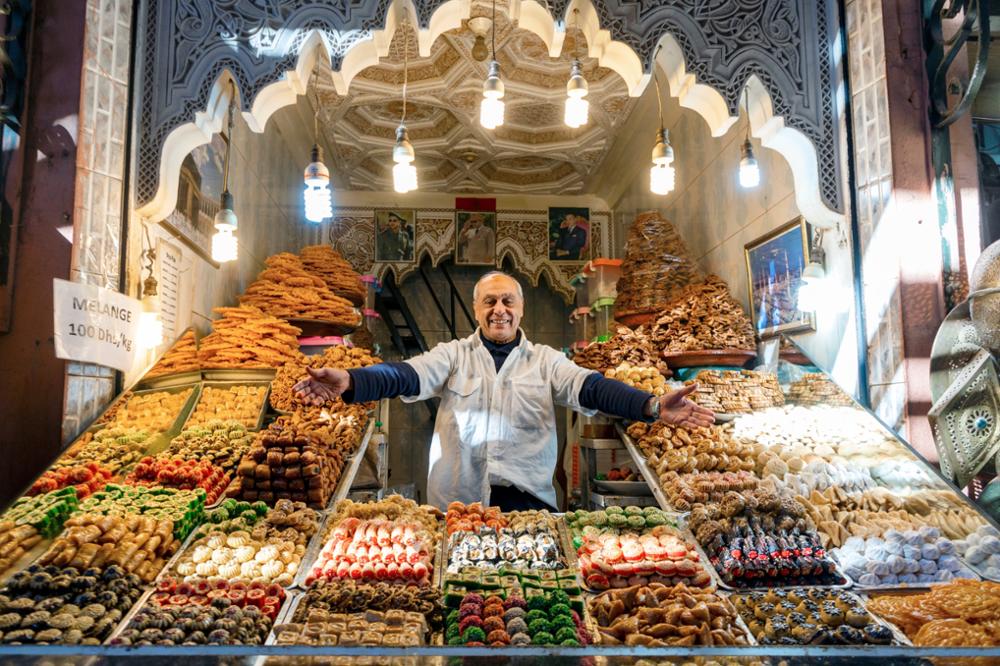
Since prices aren't fixed, you won't find any price tags displayed in the souks. Negotiation, in fact, is an integral part of local culture. In other words, you'll need to master the art of negotiation if you want to pick up some souvenirs without losing out.
Here are our tips for negotiating effectively in a souk:
Get familiar with the value of the items you're interested in before you head to the souk. You can ask for advice from your hotel, a guide or a local you've befriended during your stay. This will give you an idea of the "local" price, not the tourist markup.
Before making a purchase, shop around the different vendors to compare offers. This will give you a price range and help you start negotiations with the one offering the best deal.
Do your research on the products before discussing price. Ask the seller about raw materials and manufacturing methods. This will help you gauge product quality and show your knowledge of the subject.
Never quote a price first—always let the vendor state their price before you negotiate.
When you ask a vendor for a price, they'll likely give you an inflated figure to gauge your reaction and negotiating ability. Generally speaking, you can divide the initial price by two or three. Start by offering about 1/4 of the asking price. The vendor will counter with a higher figure, and you may find middle ground—perhaps splitting the difference to land at least half the original price.
If the vendor refuses your offer, try moving toward other stalls. There's a good chance they'll catch up with you and offer a better price. If not, you'll find what you need elsewhere.
You'll get better prices if you buy multiple items from the same stall. Don't hesitate to bundle your purchases!
Remember that negotiation should benefit both parties. If the vendor refuses to budge for just a few pennies, don't push it.
Learn a few words of Moroccan Darija (especially polite phrases). This shows your interest in the culture and facilitates exchanges.
Good to know :
For the best deals, we recommend visiting the souks late in the day, just before closing. Vendors who haven't sold much during the day will be more willing to offer discounts to close sales. It's also said that early morning can be a good time, as Muslim merchants view a day that begins with a sale as a sign of good fortune.
When to visit the Marrakech souks
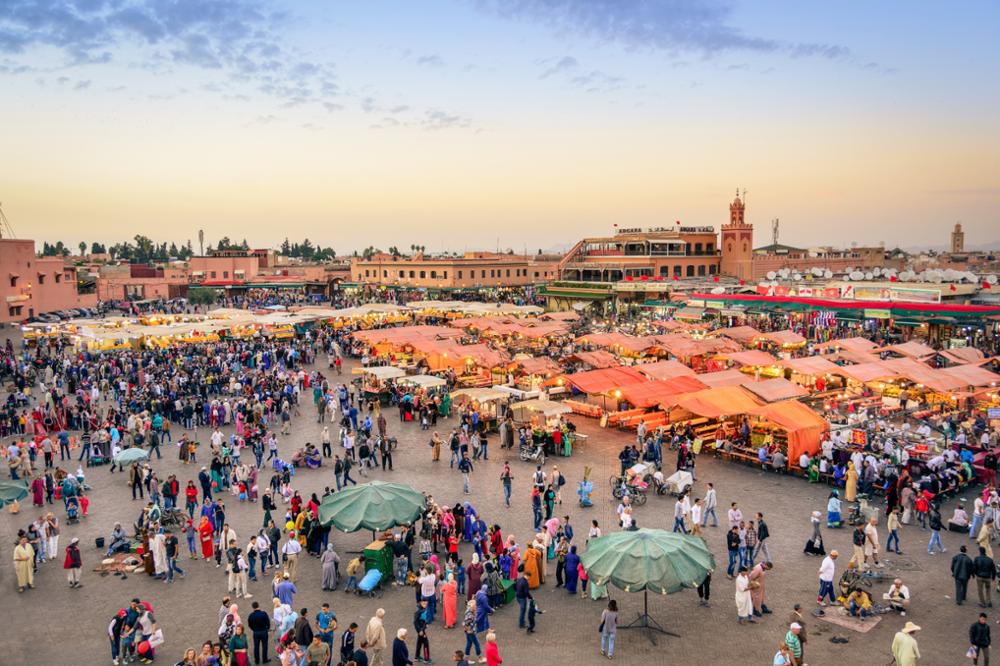
The Marrakech souks don't have fixed opening hours, but generally they're open daily from 9am to 8pm or 9pm.
That said, some stalls may close on Fridays between 11am and 4pm for prayer. The souks are open year-round, except on public holidays and major religious celebrations such as Eid al-Adha and the 60 days following the end of Ramadan.
What should you watch out for?
Here are all the do's and don'ts to make the most of your Marrakech souk experience:
Bring a map before your visit
The Marrakech souks are like labyrinths. You'll easily lose your bearings. Be prepared to get lost and don't panic—you'll always find your way. We recommend getting a detailed map before your visit. And if you can't orient yourself, remember that while all roads may lead to Rome, here they lead to the medina's walls! Since the medina is surrounded by walls, you'll inevitably end up at one.
You can also use landmarks like Place Jemaa el-Fna or the Koutoubia Mosque minaret as reference points. If you need directions, ask the souk merchants or families. Avoid lone men and anyone offering to guide you, as they may expect a tip.
Watch out for pickpockets
Like any crowded area, the Marrakech souks attract pickpockets. We recommend leaving all important items and valuables (passport, credit cards, jewelry) at your hotel and carrying only essentials in a secure, closed compartment.
Stay polite and courteous in all situations
During your stroll, you'll be solicited constantly. Vendors will try their best to show you their products. While this may get frustrating, it's part of the game and charm of the souks. Learn to say no firmly while keeping a smile, and don't let the persistence of touts and sellers get to you. If one gets upset, stay courteous and use humor—it always works!
Watch out for counterfeits
You'll find many counterfeit items (especially fashion goods) in the Marrakech souks. As a reminder, counterfeiting is illegal in Europe, and while you may not face serious consequences in Maroc, you risk being stopped by customs at the airport when you return.
Ask permission before taking photos
It's tempting to photograph the products and scenes of life in the Marrakech souks. While photos aren't necessarily forbidden, you should ask vendors for permission to photograph their stalls and get locals' consent if you want to photograph them. It's a matter of respect.
Be wary of touts and fake guides
Throughout the souks, you'll encounter fake guides who offer to accompany you to help you get good deals. These are usually in cahoots with certain shops and earn commissions on tourist purchases they bring in.
Call on a local guide from the Nomadays collective to explore the Marrakech souks safely! Want to discover the Marrakech souks without wasting time and without risking getting lost or ripped off? Contact us to benefit from the services of one of our certified local guides. They know the places like the back of their hand and can share insider tips while helping you avoid bad deals.
Frequently asked questions
The Marrakech souks are generally open daily from 9am to 8pm or 9pm. Some stalls may close on Fridays between 11am and 4pm for prayer. The souks are closed on public holidays and major religious celebrations like Eid al-Adha.
The basic rule is never to quote a price first. Let the vendor propose their rate, then counter-offer with about 1/4 of the asking price. Most of the time, you'll agree somewhere around half the original price. Staying smiling and polite is essential.
The vast majority of souk stalls operate cash-only. It's advisable to bring Moroccan dirhams in cash before heading to the souk. Bring small denominations to facilitate transactions and negotiations.
To avoid scams, be wary of fake guides who spontaneously offer to accompany you, as they earn commissions at certain shops. Research approximate prices before your visit, compare offers from multiple vendors, and don't carry valuable items with you.
Two time slots are particularly recommended: late in the day, just before closing, as merchants are more willing to lower prices to finalize sales; and early morning, since Muslim merchants view a day that starts with a sale as a good omen.
Yes, negotiation is an integral part of Moroccan commercial culture. Listed prices (when shown) are rarely final. Failing to negotiate can even seem impolite. That said, it's important to negotiate in good faith and respect the vendor's work and craftsmanship.