Moroccan Souks
Morocco's typical markets, called souks, are covered or open-air markets in the city center, usually in the heart of the Medina or along the streets.
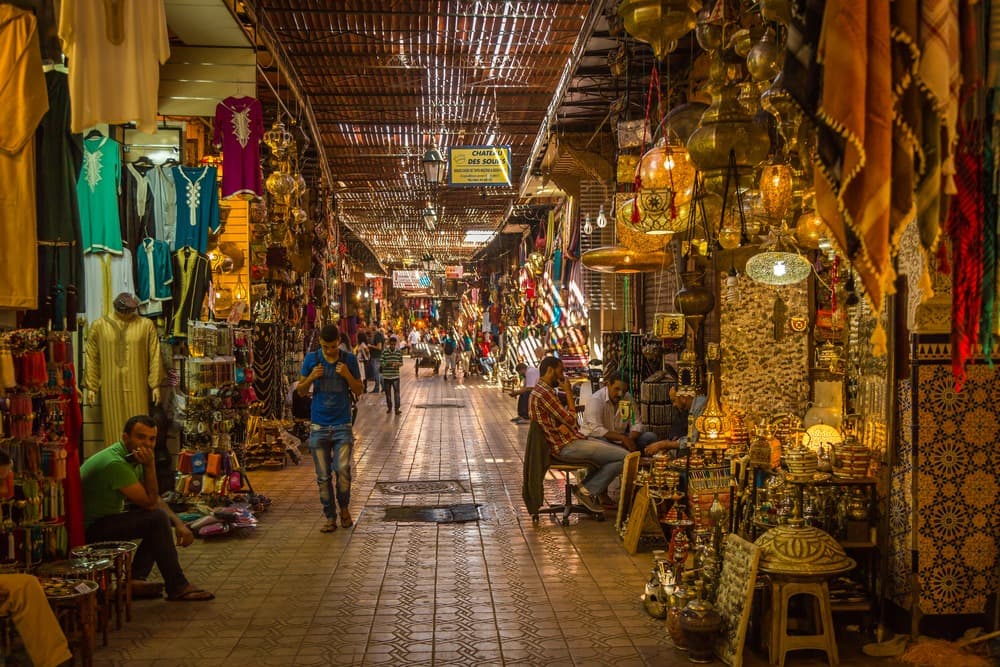
The typical markets in Morocco, known as souks, are covered or open-air markets situated in the city center, usually in the heart of the Medina, or spread throughout the streets. They are sometimes called open-air markets or street markets. The word "souk" means great disorder, which is meaningful in Moroccan markets, as you will find everything there. From food to all manner of artisanal products, people come to stock up on supplies, while country folk arrive to sell the surplus from their harvests. The shops are organized by product type: food, clothing, various equipment, rural products, crafts, and services. Prices are not fixed, and haggling is considered normal.
The souk of Marrakech is one of the largest in Morocco. The markets in this city are numerous, including the Souk of Tallendiers (copper), Souk Rabia (carpets), Souk Ahiak (fabrics and clothing), Souk Kassabine (spices)—around twenty in total. The most renowned is Jamaa El Fna. It is an immense market home to nearly 40,000 artisans. Located in the heart of the old city, the Medina, you will find yourself facing a sprawling plaza teeming with street vendors. You will be astonished by the array of goods on display: spices, food, clothing, pottery, jewelry, leather goods, and quintessentially rural products. Around the plaza, narrow lanes are filled with small merchants. This market is so vast that a single day is not enough to explore it all. It is open every day, closing very late at night, with constant activity. You will also find restaurants and cafés where you can take a break amid the bustle of vendors and buyers haggling.
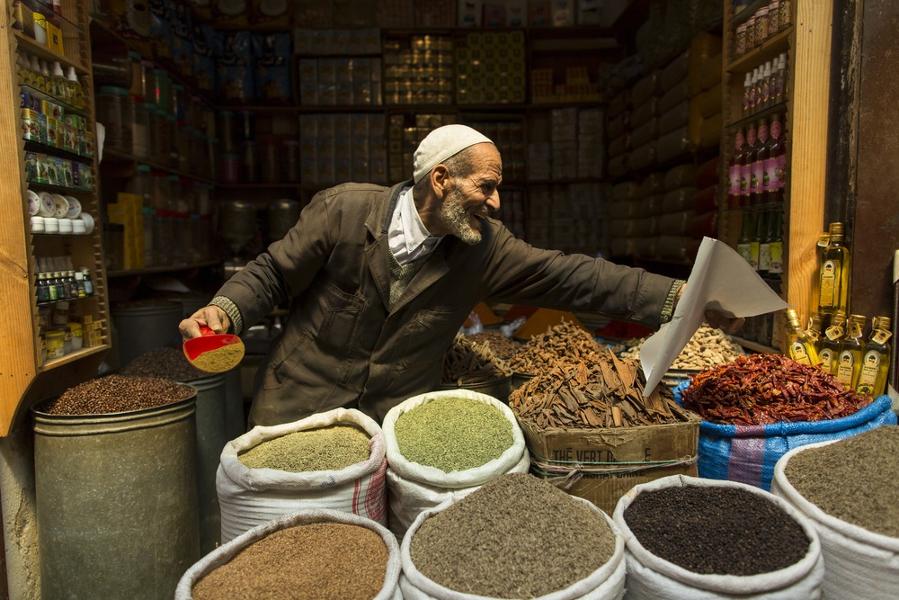
The souk of Tangier is a meeting point between the old city and the new. The streets become narrower, and you will witness a blend of populations, cultures, and languages—yet all united by the city's markets. You will see the women of the Rif region pass by in their colorful traditional costumes. Among the souks selling fruits and vegetables, meat, dried fruits, spices of every variety, artisanal jewelry, and products from neighboring villages, you will encounter snake charmers, musicians, dancers—a melange of culture and traditions intertwining in an ear-splitting din.
The Essaouira market is among the most beautiful. It is called Souk Jdid. Beyond the standard products found in most souks in Morocco—such as spices, jewelry, bananas, watermelons, and avocados—you can stock up on fresh fish brought in from that very day's catch. Among the sardines, sea bream, whiting, and shrimp, you will find plenty to satisfy your appetite. In this market, you will discover the region's specialty: argan oil. Use it to impart a distinctive hazelnut flavor to your dishes, or simply as a beauty product for its anti-aging and skin-hydrating properties. You will also admire magnificent weavings and marquetry crafted with remarkable skill. As you stroll through the Medina or the surrounding lanes, you will discover woodworkers shaping thuya wood, creating objects of exceptional beauty.
Markets like the one in Rabat offer yet another shopping experience. You can visit the souk to stock up on fruits and vegetables, meat, and spices in every hue, as well as small wooden objects, but also shop in upscale boutiques situated around the Medina. If you wish to purchase a carpet, Rabat is the place to go. They are made from red wool with a diamond-shaped medallion in the center. Carpets are sold in the souks on Monday and Thursday mornings at auction. Another distinctive feature of Rabat's souks is the sale of beautifully crafted silver jewelry, whether adorned with stones or not.
There are numerous markets throughout Morocco—you will enjoy visiting those of Fès, or even Agadir, Ouarzazate, and smaller ones like those in Khénifra or Tanant. But wherever you are, you will delight in wandering among this multitude of small merchants, who will be delighted to share their craftsmanship with you, and of course, to send you off with a small souvenir.
Frequently asked questions
The most famous souks in Morocco are located in Marrakech (notably Jamaa El Fna, with nearly 40,000 artisans), Tangier, Essaouira (Souk Jdid), and Rabat. There are also renowned markets in Fès, Agadir, and Ouarzazate.
Yes, haggling is a common and expected practice in Moroccan souks. Posted prices are generally not fixed. It is advisable to offer a lower price than asked, respectfully, and negotiate gradually until you reach an agreement with the vendor.
Moroccan souks offer a wide variety of products: spices, carpets, silver jewelry, pottery, leather goods, traditional clothing, argan oil, artisanal wooden objects made from thuya wood (Essaouira), fresh fruits and vegetables, fish, and many other local specialties depending on the region.
Hours vary depending on the city and market. Marrakech's souk (Jamaa El Fna) is open daily and closes very late in the evening. The carpet souks of Rabat are held on Monday and Thursday mornings. It is generally recommended to visit in the morning to enjoy the best selection.
Essaouira is notably renowned for its argan oil, used in cuisine for its hazelnut aromas and in cosmetics for its hydrating and anti-aging properties. You will also find beautifully sculpted thuya wood objects created by local woodworkers, as well as fine weavings and artisanal marquetry.