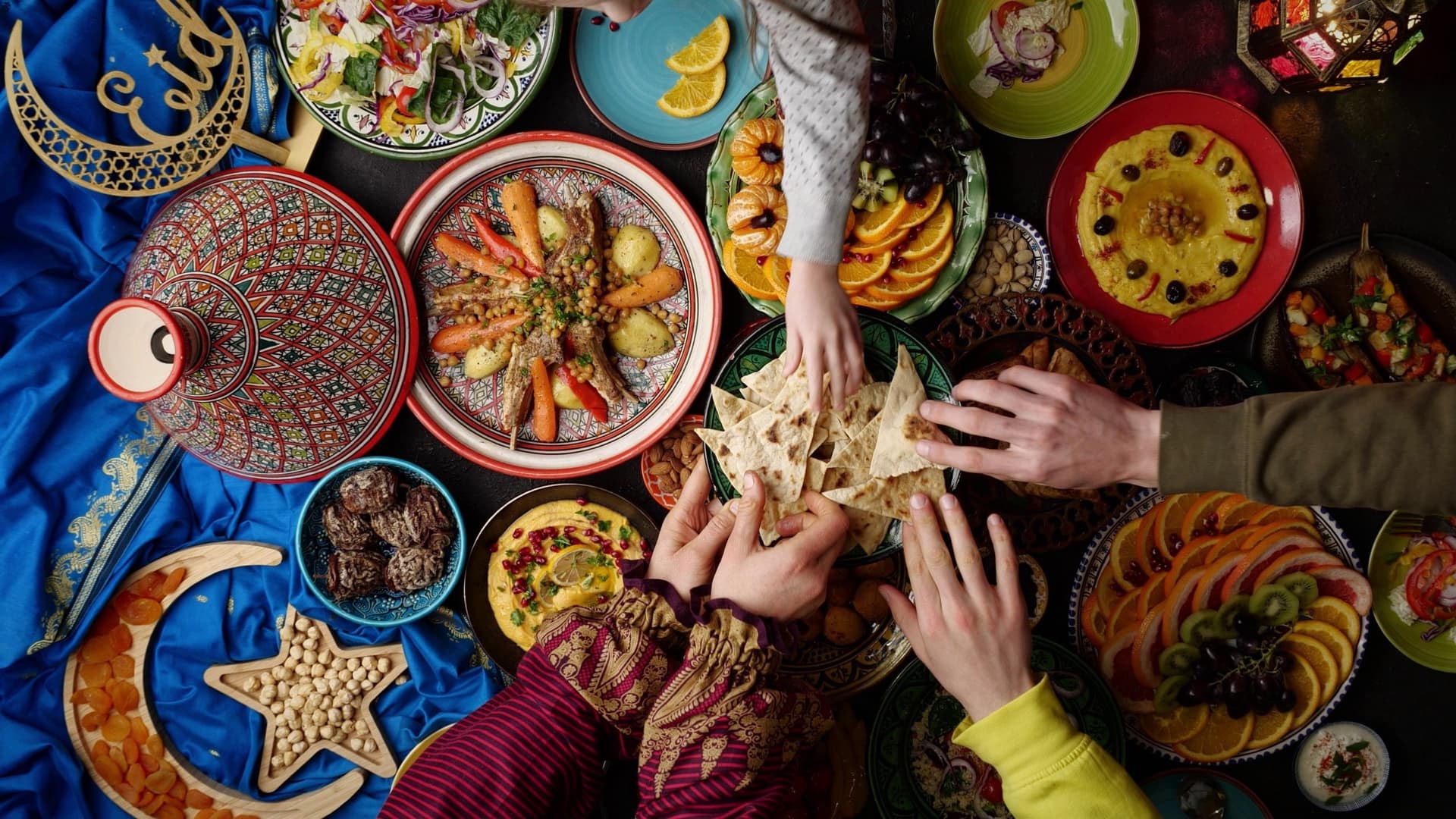
Top 10 Moroccan Culinary Specialties to Bring Back from Your Trip
Moroccan culinary specialties offer a unique taste experience: oriental spices, condiments, pastries. Discover the 10 gifts from Morocco you absolutely must bring back in your suitcase—to keep for yourself or to give as gifts!
The culinary specialties of Morocco offer a unique taste experience: oriental spices, condiments, pastries: discover the 10 Moroccan gifts to absolutely bring back in your suitcase – to keep for yourself or to give as gifts!
1. Rose Water: the Essential Moroccan Gift
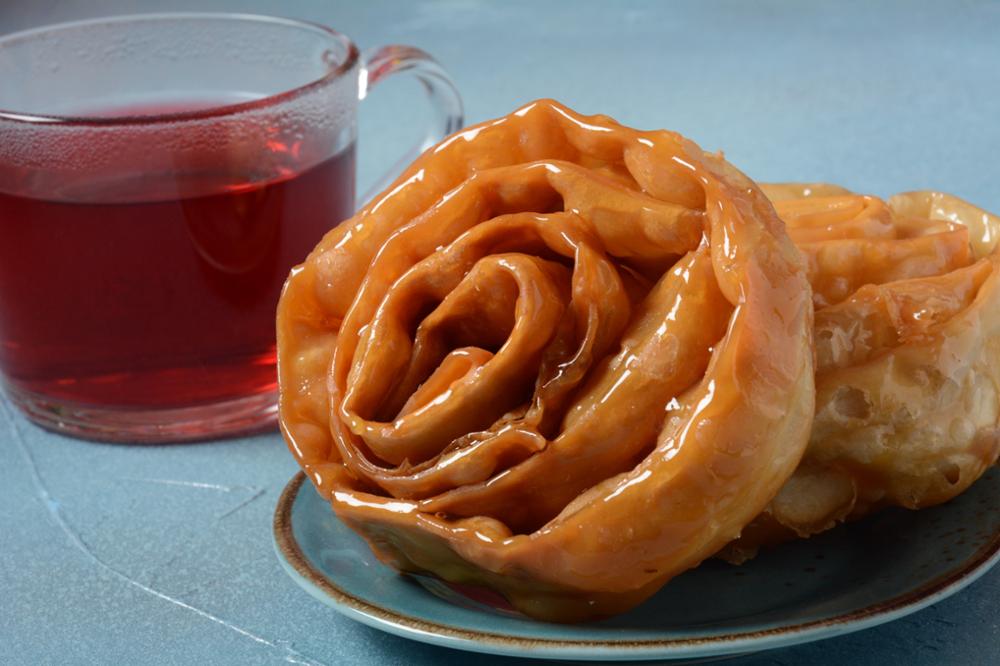
Renowned for enhancing desserts and confectionery with subtle floral notes, Moroccan rose water is unique and stands out from the rest. Why? The distinctive weather conditions of Morocco's climate provide an intense and characteristic fragrance from the Valley of the Roses! An essential ingredient in chebakias and other pastries, rose water can also be paired with mint tea or lemonades.
2. Ras El Hanout: the Spice of Moroccan Culinary Specialties
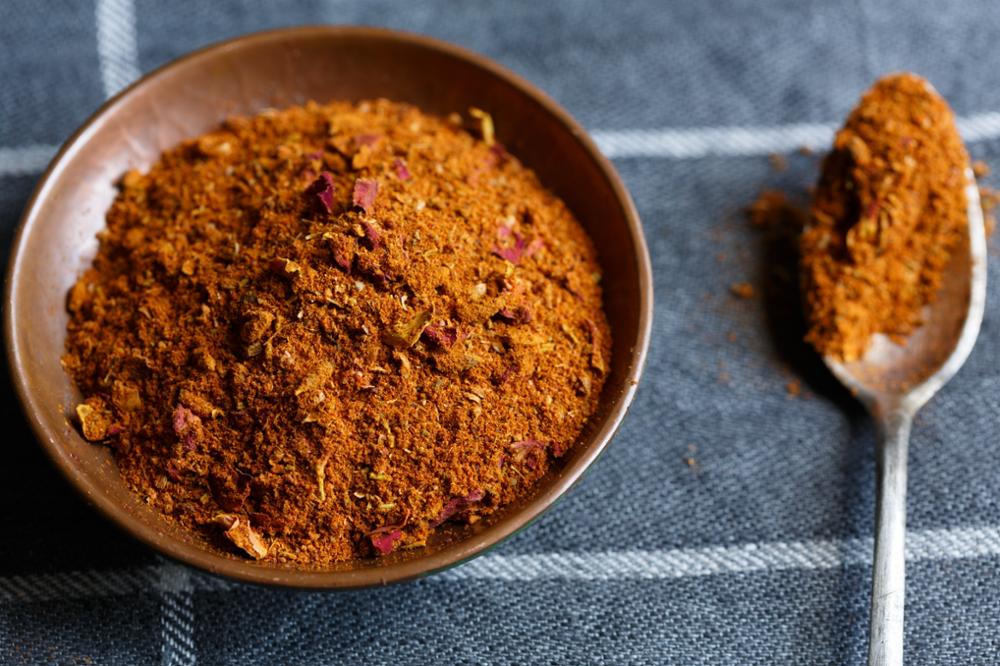
Ras el hanout is a Maghrebi spice blend that can contain up to 30 different ingredients! Among them? Turmeric, cloves, ginger, cinnamon, black pepper, cardamom – and sometimes even dried flowers like rose buds.
Powerful on the palate yet not particularly spicy, ras el hanout is an emblematic condiment in Moroccan gastronomy. You'll find it everywhere in the country, particularly in the souks of Rabat.
3. Cumin: the Spice from the Atlas
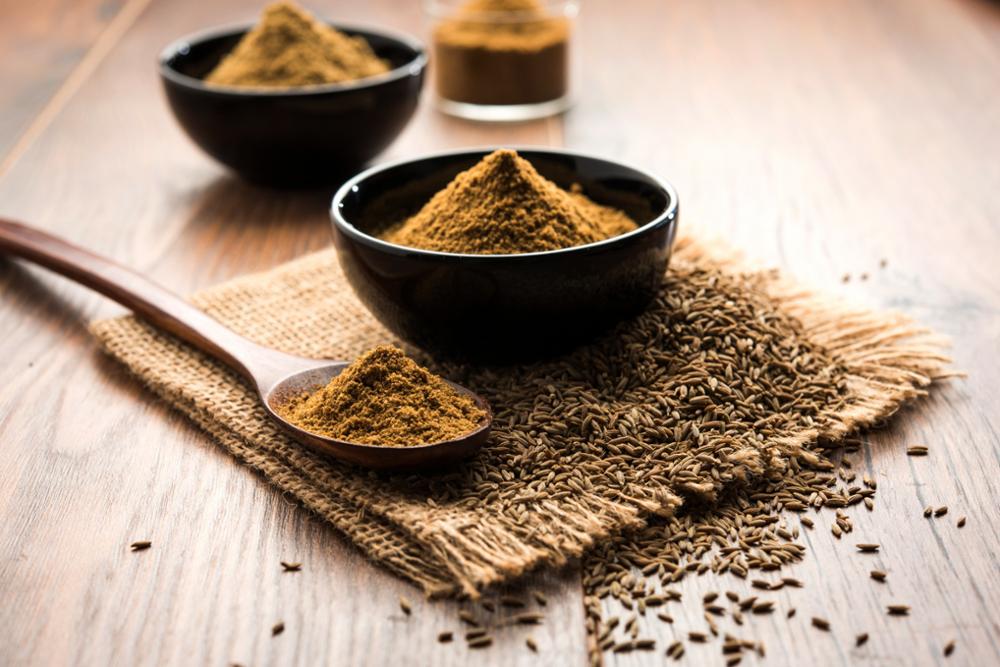
Cumin (also called kamoun) is a spice cultivated in the Atlas Mountains – which extends from Morocco to Tunisia. A key ingredient in Moroccan specialties, it can be incorporated into recipes or simply sprinkled as a seasoning (over semolina, for example).
Perfect for stewed dishes, this spice is also ideal for enhancing grilled meats, sauces, and marinades. Here's a tip: kamoun can also be toasted—lightly roasted in a pan, the seeds release all their aromas! These can be incorporated whole in a recipe or in powder form (after being ground in a mortar and pestle).
4. Saffron: the Red Gold of Morocco
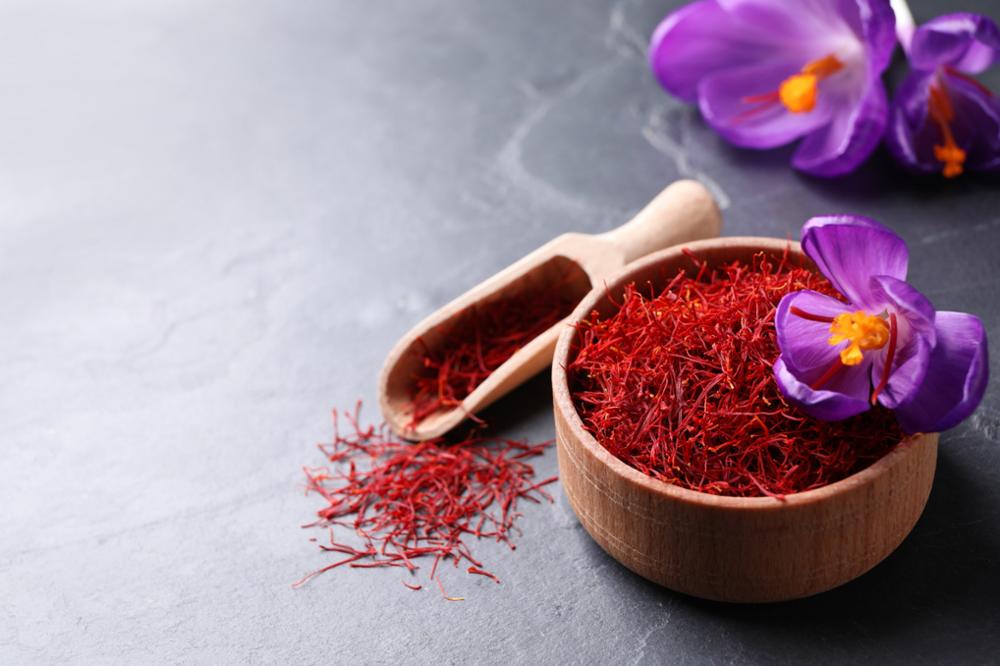
Nicknamed "the red gold of Morocco," saffron is prized for its floral aromas. Its flavors vary depending on its origin, but also on its drying conditions. It is renowned for its metallic, earthy, and hay-like notes.
Zaafran can be used in various ways: in a dish of course, but also as a natural colorant to bring touches of color. This spice can also be used as an infusion to accompany ginger or cinnamon tea. Saffron should not be cooked too long to preserve its flavors.
5. Paprika: the Tahmira with a Suave Taste
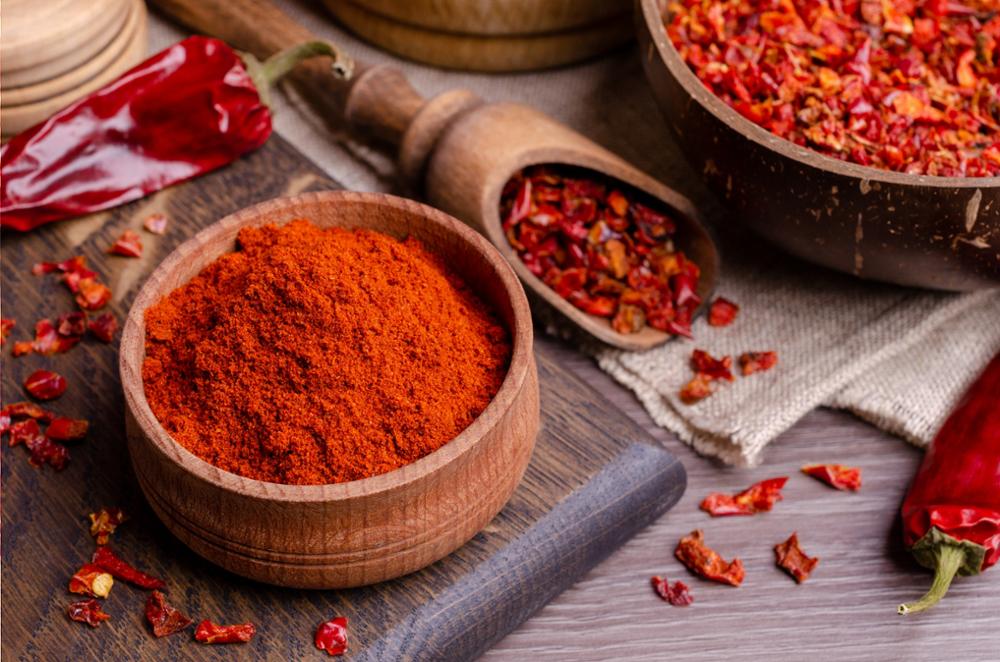
Known as tahmira or felfla hlouwa in Arabic, paprika is a mild spice that brings subtle sweet notes to recipes. Made from dried and ground peppers, it is prized for its suave and fruity flavor (which can recall sun-dried tomatoes).
Its intensity varies depending on its variety. To ensure you benefit from all its flavors, it is recommended to add paprika during cooking. Its sweet accents are widely used to season briouates – delicious pastry parcels filled with ground meat or fish.
6. Black Cumin Seeds: the Black Cumin
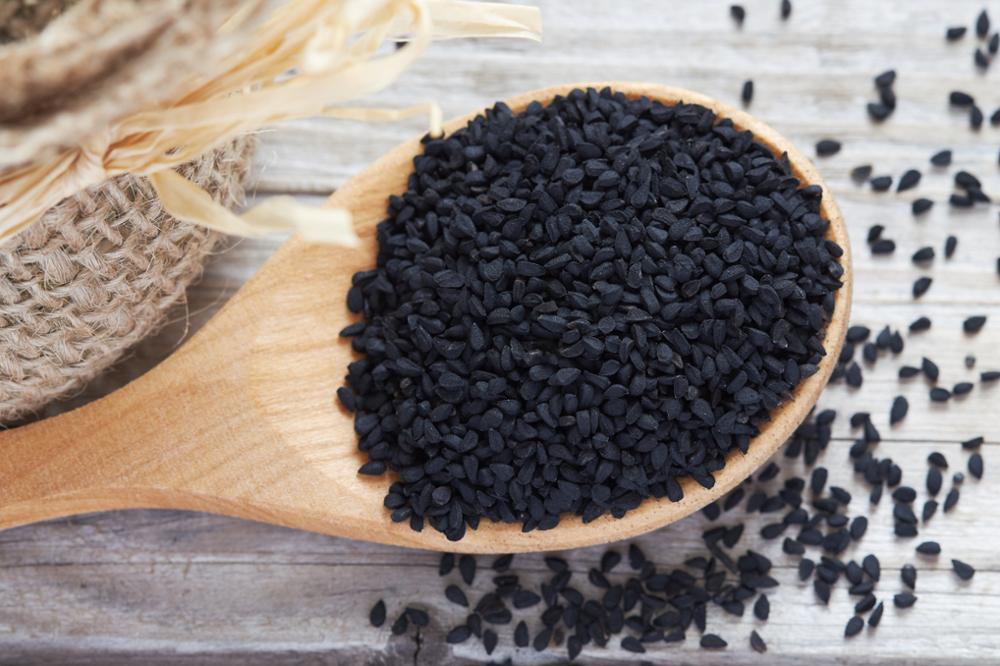
Black cumin seeds (or black cumin) come from an aromatic plant. Named habat al-baraka – "blessed seeds" in Arabic – they are highly prized in Maghrebi cuisine. Why? For their pronounced taste and peppery notes, which add character to recipes!
Ideal for flavoring typical dishes like couscous or tagine, they are also used to impart a touch of bitterness and freshness to many pastries (maamoul, chebakia, etc.), as well as to enhance hummus or rice. Black cumin seeds are also renowned for their medicinal and antioxidant properties.
7. Gum Arabic: the Oriental Emulsifier
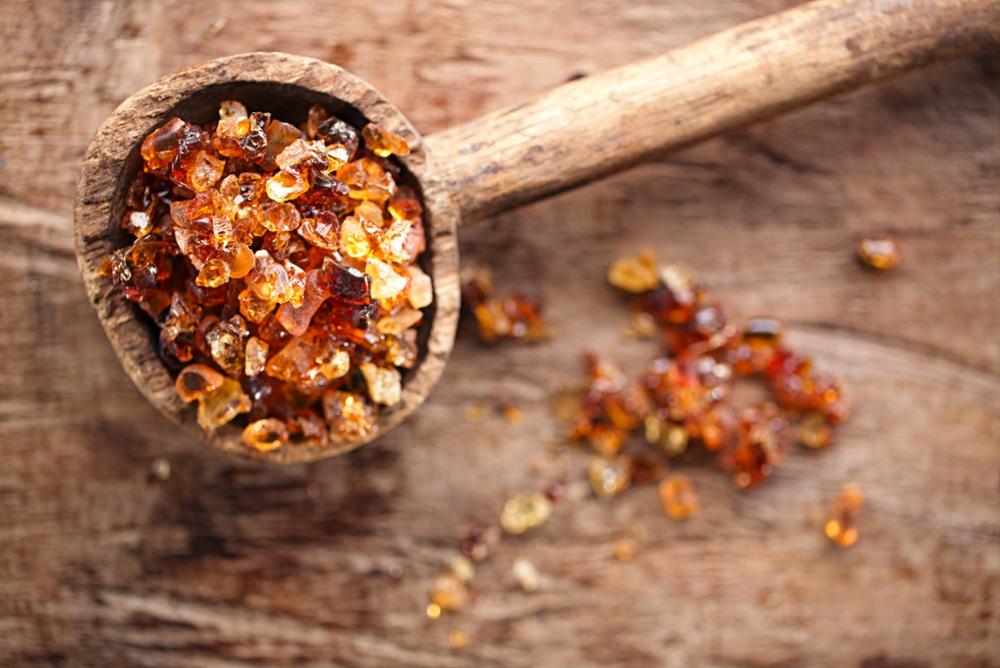
Gum arabic (or meska horra) is a natural resin from the bark or branches of acacia. Relatively flavorless and odorless, it has been used for centuries as an emulsifier or thickener (to add texture to a preparation); particularly in oriental pastry-making.
It is found in recipes for Turkish delight, feqqas, gazelle horns, or fruit pastes. You can find it in powder form, but it is generally presented as small white and orange crystals. In that case, the gum must be dissolved in water or ground in a mortar and pestle. You'll find it everywhere in major cities, such as Casablanca.
8. Halvah: the Indulgent Sesame Cream
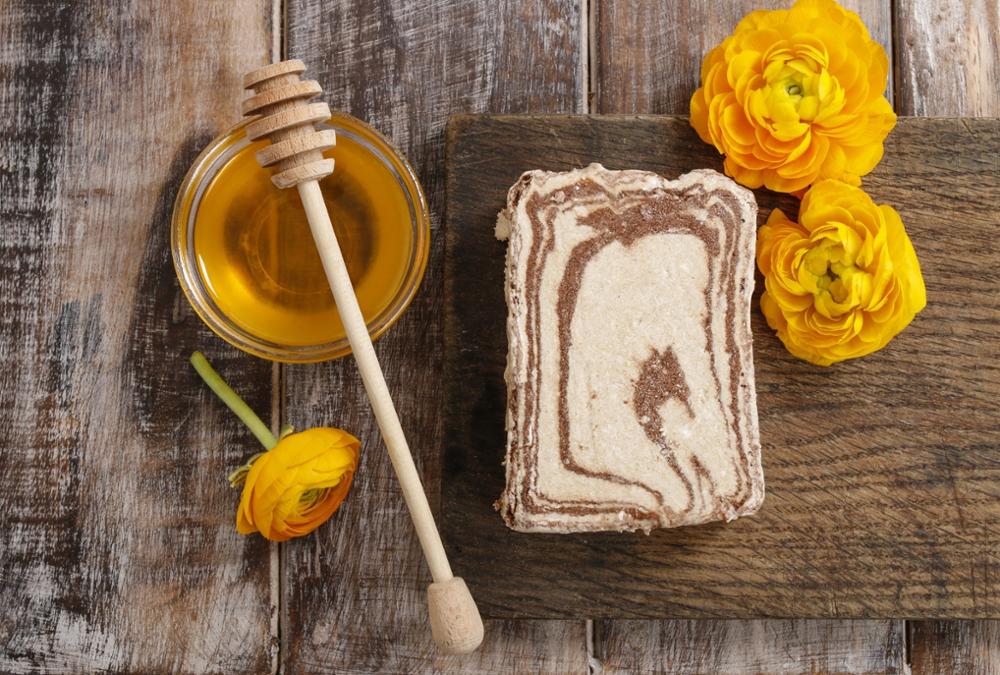
Halvah is a type of pastry cream made with sesame cream (tahini) and semolina. It is a confection enjoyed at breakfast or as a dessert. It can be enhanced with dried fruits such as pistachios, walnuts, or almonds.
Cut into small pieces, halvah is ideal to accompany a coffee or mint tea. Plain or enhanced with fruit, this Moroccan specialty can be purchased in a fine food shop or at markets.
9. Gazelle Horns: the Pastry You Must Bring Back
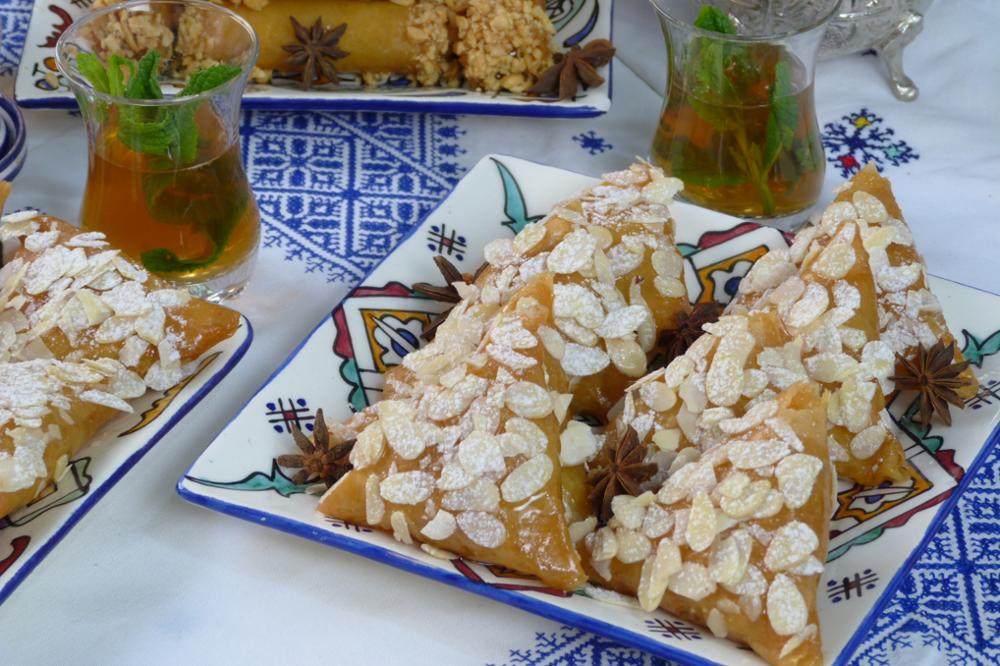
Emblematic cakes of Morocco, Kaab ghzal (gazelle horns) are among the culinary specialties you absolutely must bring back from Morocco! Made with ground almonds, orange blossom, and dusted with powdered sugar, gazelle horns are ideal to accompany tea. You'll find them particularly in the superb medina of Marrakech, which is full of traditional pastry shops.
10. Makrouds: the Date Sweetness
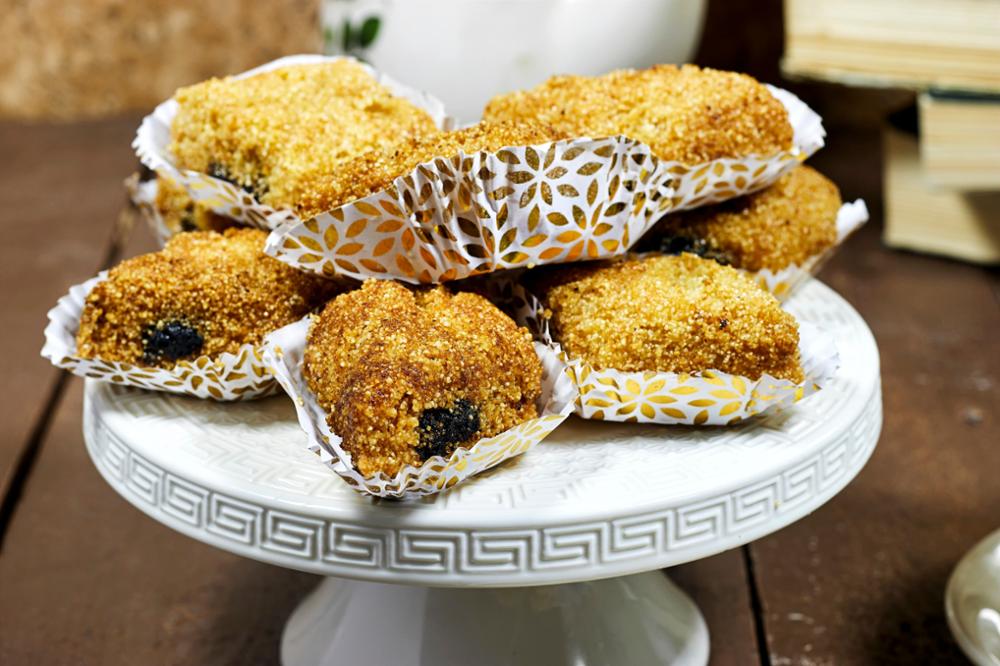
Another typical Moroccan cake is the makroud. Prepared with semolina, clarified butter (smen), and orange blossom, its filling varies depending on the recipe.
Recognizable by its diamond shape, this pastry is dipped in hot honey or sugar syrup. Traditionally filled with dates, makrouds can also be made with dried fruits or almond paste.
There are dozens of oriental desserts… Not sure which ones to bring back? Don't hesitate to ask for an assortment in one of the many Moroccan pastry shops.
Frequently asked questions
Among the essential spices to bring back from Morocco are ras el hanout (a blend that can contain up to 30 ingredients), saffron from Taliouine nicknamed 'the red gold', Atlas cumin, and mild paprika. These spices are easily found in the souks of Marrakech, Rabat, or Casablanca.
Yes, it is generally possible to bring dry Moroccan pastries (gazelle horns, makrouds, chebakia) in your airplane baggage to France or the EU, as long as they do not contain fresh products. It is advisable to wrap them carefully in airtight boxes and check the customs regulations in force.
Quality saffron is presented as whole stigmas of a bright red color, with slight moisture and a powerful, floral, and slightly metallic scent. Be wary of saffron powders sold at low prices: they are often mixed with turmeric or other colorants. The Taliouine region in southern Morocco is the reference for authentic saffron.
The souks of the major medinas are the best places to buy Moroccan culinary specialties: the souk of Rabat, the markets of the Marrakech medina, or the fine food shops of Casablanca. For spices, prefer specialized spice merchants over tourist stalls, which offer better value for money and more authentic products.
Ras el hanout is an emblematic spice blend in Moroccan cuisine, which can contain up to 30 ingredients including turmeric, cinnamon, cloves, and cardamom. It is used to flavor tagines, couscous, grilled meats, and marinades. Powerful on the palate yet not particularly spicy, it is ideal for discovering Moroccan gastronomy.
Gazelle horns and makrouds generally keep for 1 to 2 weeks at room temperature in an airtight box, and up to a month in the refrigerator. Makrouds dipped in honey keep slightly less long than dry pastries. It is advisable to wrap them carefully for the trip.