White Wine in Morocco
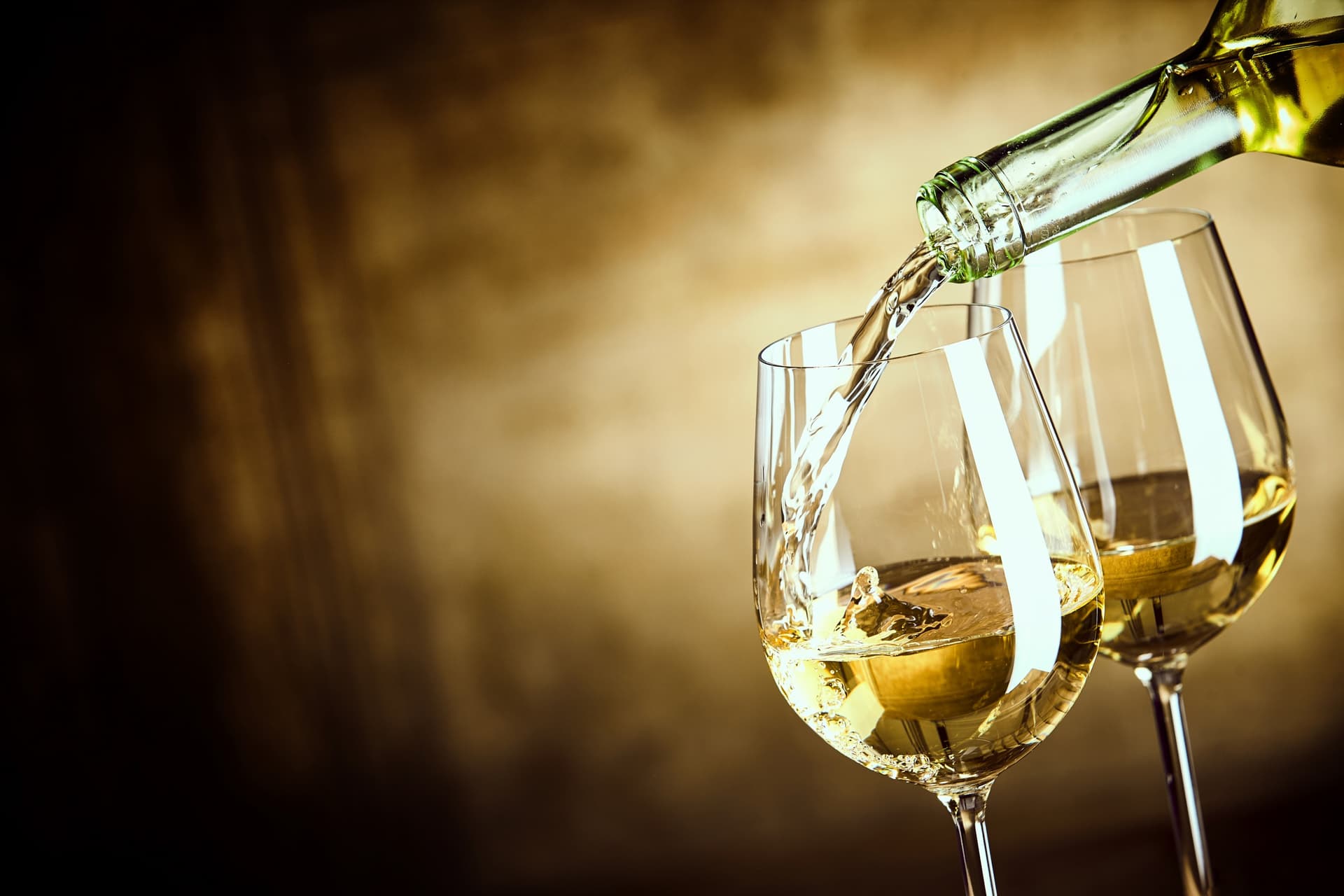
Among the most renowned white wines produced in Morocco, you'll find excellent options such as Beauvallon, Château Roslane, Volubilia, Sémillant Cuvée Président, and some sparkling white wines like Perle du Sud.
Among the most renowned white wines produced in Morocco, you'll find excellent options such as Beauvallon, Château Roslane, Volubilia, Sémillant Cuvée Président, as well as some sparkling white wines like Perle du Sud.
Yet white wine is not the most popular. It is significantly overshadowed in terms of consumption by red wine and rosé. In fact, it currently represents only 4% of wine consumption in Morocco. Nevertheless, it is of excellent quality and has improved substantially since the 1980s. Like its two competitors, it has benefited from improvements in all winemaking processes that Morocco has experienced in recent years.
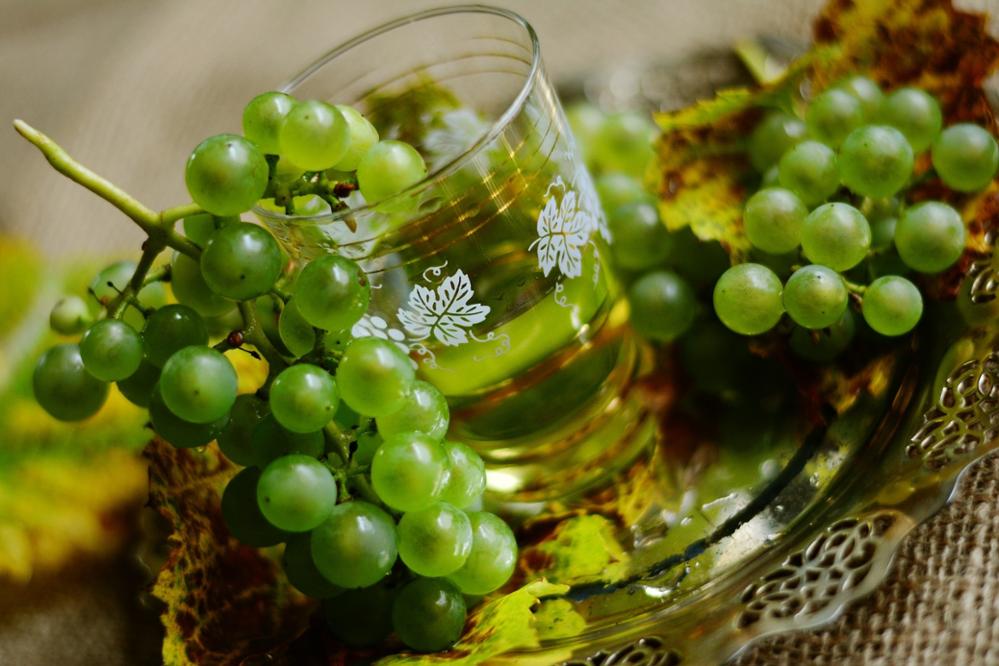
Primarily produced in regions around Boulaouane, Meknès, Berkane and Essaouira, Moroccan white wines are crafted from noble grape varieties. Among them are clairette, sauvignon, mayorquin, muscat, ugni blanc and vermentino. Then there is chardonnay, which was introduced relatively recently but enables the production of outstanding wines such as CB Initiales and Médaillon Blanc. What sets all these white wines apart is that they are produced without maceration of grape bunch components.
Generally dry and crisp, Moroccan white wines are described by oenologists as "nervous wines", much like Sémillant Blanc produced by Thalvin. Its particularly rich yellow hue is scattered with brilliant, golden reflections. The finish that lingers on the palate after tasting is subtly minty.
Another highly prized white wine, CB Initiales Blanc, aged in new oak barrels. It is characterized by buttery aromas and is particularly recommended as an accompaniment to fish and shellfish, or veal blanquette. Generally speaking, Moroccan white wines are light and digestible. Some, like the white from Val d'Argan, considered premium, sell particularly well on the export market. The vineyard indeed benefits from a privileged exposure: backed by the desert and subjected to trade winds, it showcases Rhône Valley grape varieties. Le S de Siroua was awarded the Carafe d'Or in 2009.
These white wines are easy to find and enjoy, available directly from producers, in specialty shops, or on restaurant tables. Increasingly, white wine is also being used to revisit traditional recipes from the kingdom, for the preparation of pastries such as almond cigars, or fish dishes such as mullet à la marocaine.
Frequently asked questions
Among the most appreciated Moroccan white wines, you'll find Beauvallon, Château Roslane, Volubilia, Sémillant Cuvée Président, CB Initiales Blanc and Val d'Argan. The latter is notably recognized internationally and stands out for its Rhône Valley grape varieties cultivated between desert and trade winds.
Moroccan white wines are primarily produced around Boulaouane, Meknès, Berkane and Essaouira. Each region offers particular climatic conditions that influence the aromatic profile of the wines produced.
Moroccan white wines are made from noble grape varieties such as clairette, sauvignon, mayorquin, muscat, ugni blanc and vermentino. Chardonnay has also been introduced recently, giving rise to high-quality wines such as CB Initiales Blanc.
Moroccan white wines, generally dry and crisp, pair beautifully with fish and shellfish, as well as dishes like veal blanquette. They can also be used in cooking to revisit traditional Moroccan recipes, such as mullet à la marocaine or almond pastries.
Moroccan white wine is available directly from producers, in specialty shops and in many restaurants. Some premium bottles, such as Val d'Argan, are also exported abroad and available in certain European wine merchants.
White wine represents only 4% of wine consumption in Morocco, significantly overshadowed by red wine and rosé. This is explained by local cultural and taste preferences historically oriented toward fuller-bodied wines. The quality of Moroccan white wine has nevertheless improved significantly since the 1980s thanks to advances in winemaking.