Moroccan Red Wine
Tourists are often surprised to discover that wine production exists in Maroc.
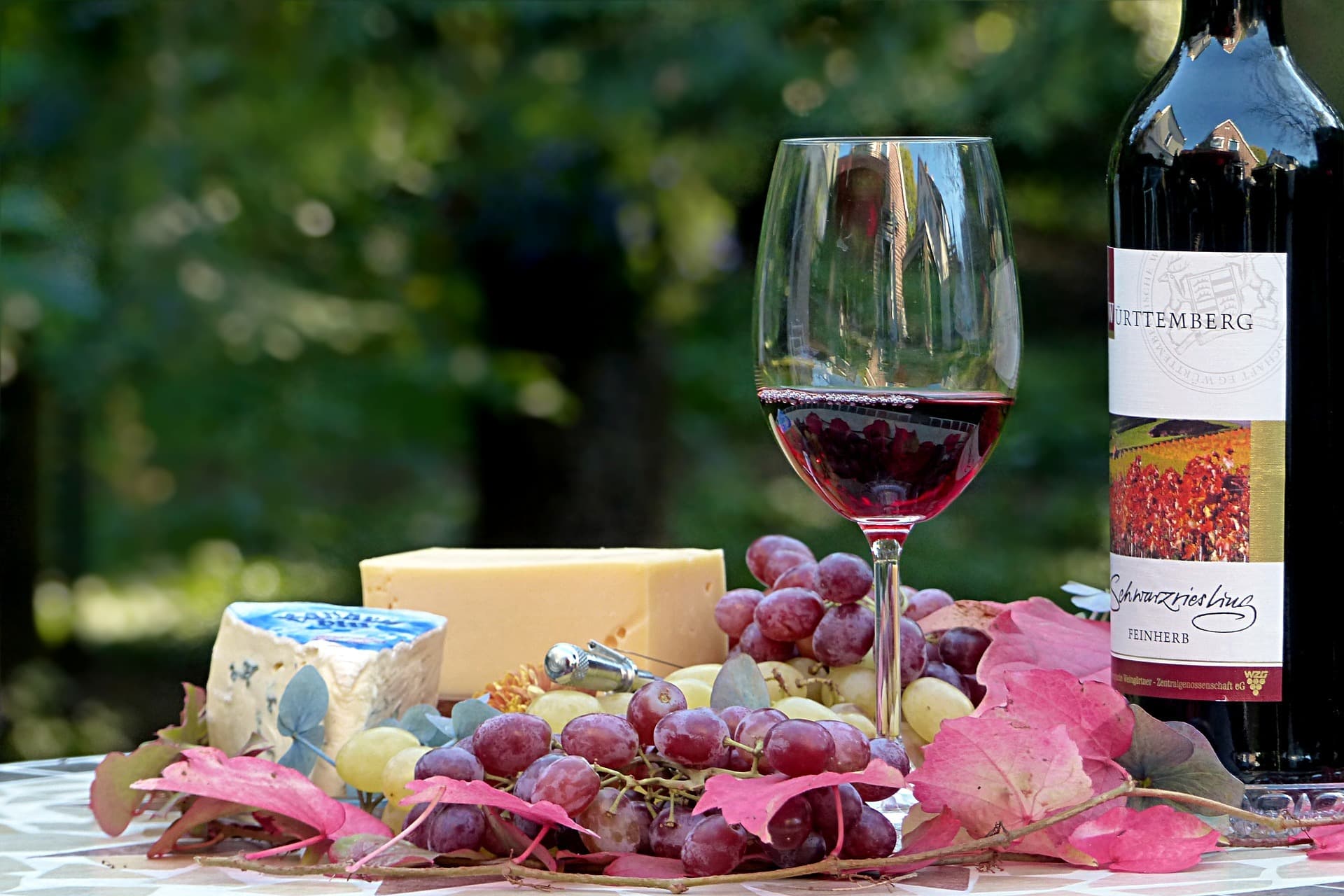
Tourists are often surprised to discover that wine production exists in Maroc. Yet this is a reality that stretches back to Roman times, when wild vines already flourished across the landscape. However, the first vineyards would not be established until the early twentieth century. The first vintage dates back to 1927, taking place in the Ben Slimane region. Today, red wine is the most sought-after, far surpassing rosé and white wine. It represents 74% of local consumption. This beverage has indeed overtaken spirits like whisky on Moroccan tables, and a genuine red wine culture has taken root, even though local consumption is estimated at just 1 litre of wine per capita annually.
The majority of vineyards and red wine producers are located in the regions of Berkane, Tiflet, Meknès, Benslimane, Essaouira and Casablanca. They are produced from grenache, cabernet and cinsault grape varieties. The most renowned red wines include Boualaouane, Château Roslane, Cuvée César, Cuvée Président, Terre rouge, El Mogador, Guerrouane, Volubilia, Merlot Varietal Wines, Sauvignon or Syrah varietal wines, and Gérard Depardieu's Lumière. Not to mention this wine from the Atlas foothills, highly prized in the Middle East, Sidi-Brahim.
If the popularity of Moroccan red wine is growing, this is no accident. Following a decline in vineyard acreage during the 1960s, marked by a massive uprooting programme, the situation reversed. From 1976 onwards, with the creation of the Celliers of Meknès, awareness grew of the qualities of Moroccan terroirs, red wine production methods improved, and product quality gained increasing recognition, with the award of medals.
Like most wines from North Africa, Moroccan red wines are full-bodied with a pronounced terroir character, exemplified notably by Château Amjad, crafted from grenache and syrah grape varieties.
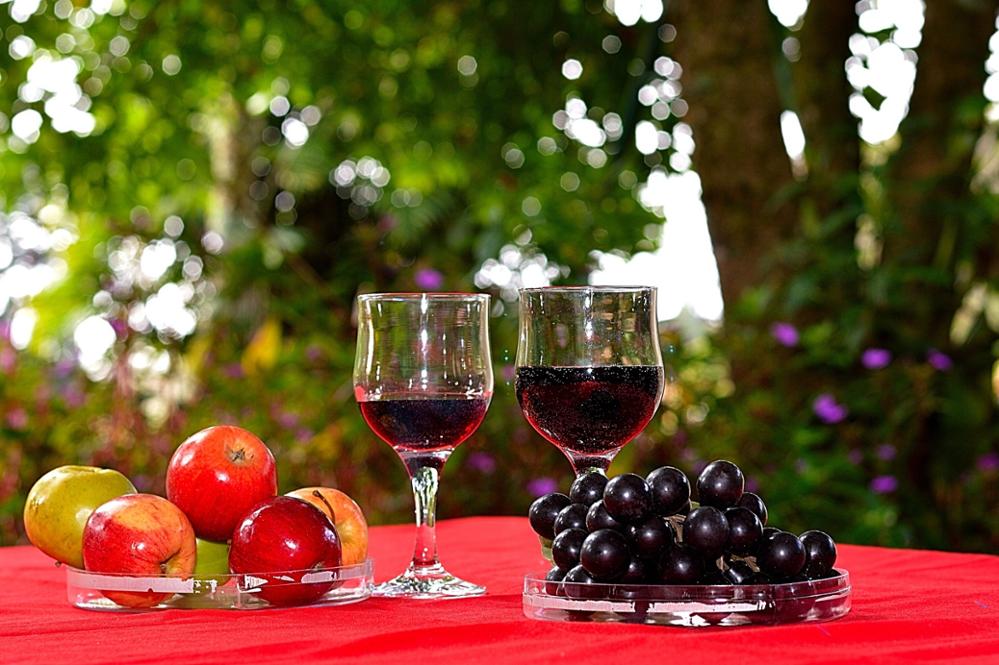
The establishment of tasting venues, the creation of lower-alcohol wines under 8 degrees intended for women, sales in the world's finest restaurants, tasting events for professionals—Moroccan red wine is booming. Genuine wine tourism circuits are now being developed to promote it further. Moreover, Maroc now has its first grand cru estate: Château Ghoslane, which is part of the "Coteaux de l'Atlas" appellation.
Frequently asked questions
Moroccan red wine is available in specialist grocers, wine merchants, supermarkets in major cities (Casablanca, Marrakech, Rabat) and in numerous restaurants. Some airports also offer Moroccan wines in duty-free.
The main red wine-producing regions in Maroc are Berkane, Tiflet, Meknès, Benslimane, Essaouira and Casablanca. The Meknès region is particularly renowned thanks to the Celliers of Meknès, founded in 1976.
Moroccan red wines are primarily produced from grenache, cabernet sauvignon, cinsault, merlot and syrah grape varieties. These varieties yield wines that are generally full-bodied with a pronounced terroir character.
Yes, wine tourism is developing in Maroc. Tasting circuits are beginning to emerge, particularly around the estates of Meknès. Château Ghoslane, Maroc's first grand cru from the 'Coteaux de l'Atlas' appellation, is one of the flagship estates to discover.
Among the most reputed Moroccan red wines are Boualaouane, Château Roslane, Cuvée César, Sidi-Brahim, El Mogador, Volubilia and Gérard Depardieu's Lumière. Sidi-Brahim is particularly appreciated in the Middle East.