K'lila, a Traditional Cheese from Maroc
K'lila is one of the rare cheeses produced in Maroc.
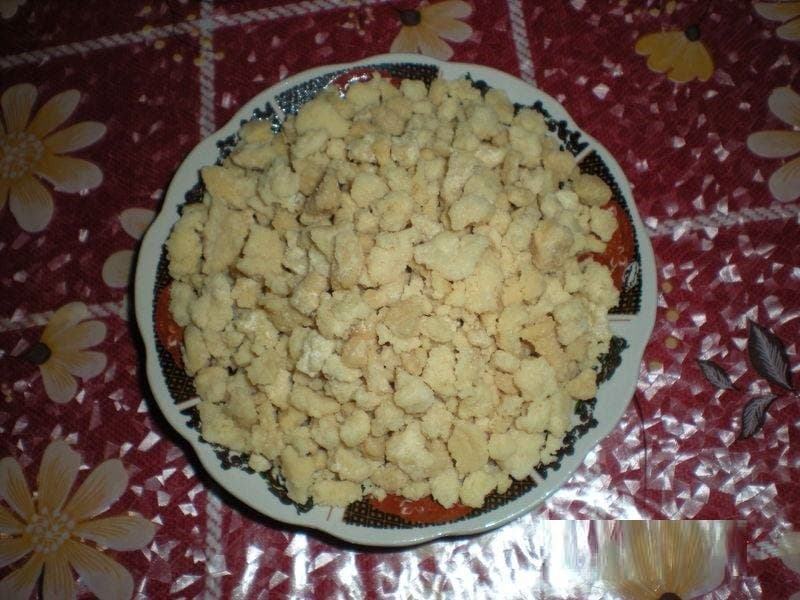
The K'lila is one of the rare cheeses produced in Maroc. This country is not traditionally a cheese-producing nation; only a handful of herders craft it in certain towns and regions of Maroc. K'lila comes from southeastern Maroc, in the region of Oujda and Figuig. It is made by women from whey of goat, but especially camel, which is curdled and dried. This cheese has a hard paste and is greatly appreciated, traditionally enjoyed with dates. K'lila can form the foundation of a meal on its own with dates, or be incorporated into Berber and Moroccan recipes. This product is sold directly to consumers by women from this region of Maroc through cooperatives, helping them earn income.
Goat and camel herders in the Figuig region are concentrated around the oasis. This location is naturally abundant, providing ideal conditions to raise and tend these animals. The owners of these animals produce K'lila from the whey of females, primarily for personal consumption. To support widowed or divorced women with limited income, the sale of K'lila and other regional products is invaluable. The predominantly Berber inhabitants are the only people in Maroc who eat this hard-paste cheese. To enjoy it, it must be ground into powder to be incorporated into various preparations. The reputation of K'lila continues to grow, as the properties of camel's milk are increasingly recognized. It is notably rich in antibacterial compounds. It is also abundant in therapeutic and dietary properties.
K'lila graces tables on festive days, but it is difficult to find in France. This regional and traditional product is not imported and remains largely unknown outside the Oujda region. One must go directly to herders or women's cooperatives to purchase it. It is not offered in restaurants in France, nor even in Maroc. This little-known specialty is highly flavorful and blends beautifully with other ingredients when grated. This can be the case in briouats or bricks. It pairs perfectly with both savory and sweet recipes, such as date cakes.
Frequently asked questions
K'lila is a traditional hard-paste cheese from southeastern Maroc, produced primarily in the Figuig and Oujda regions. It is made from the whey of camel or goat's milk, curdled and then dried, according to ancestral Berber know-how.
K'lila is found primarily in women's cooperatives in the Figuig and Oujda regions. It is sold directly by producers and is not available in conventional shops nor imported to France.
K'lila is consumed ground into powder or grated, incorporated into various Moroccan and Berber recipes. It works equally well in savory preparations like briouats or bricks as in sweet recipes like date cakes.
Camel's milk, the basis of K'lila, is recognized for its antibacterial properties as well as its therapeutic and dietary virtues. It is naturally rich in nutrients and represents a valued food source in the desert regions of Maroc.
No, K'lila is not imported to France and remains virtually unknown outside its region of origin. To taste it, one must travel directly to the Figuig or Oujda region in Maroc and visit local cooperatives.