Oudayas Museum
Oudayas Museum
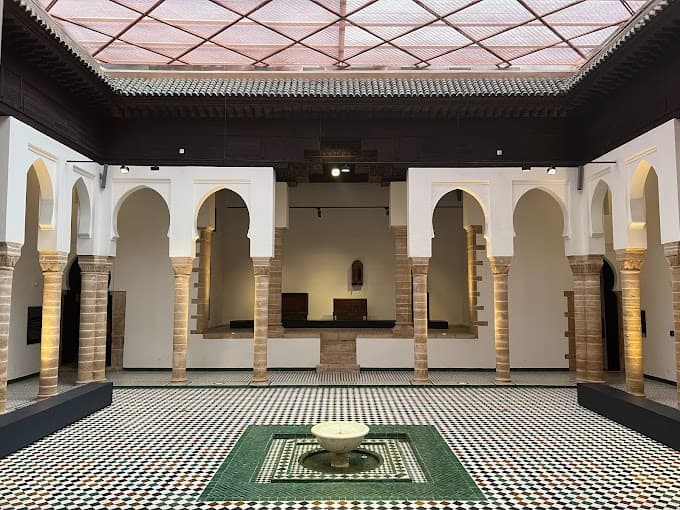
Located in the Oudayas Kasbah in Rabat, this museum showcases Moroccan goldsmithing, regional caftans and the equestrian tradition of tbourida.
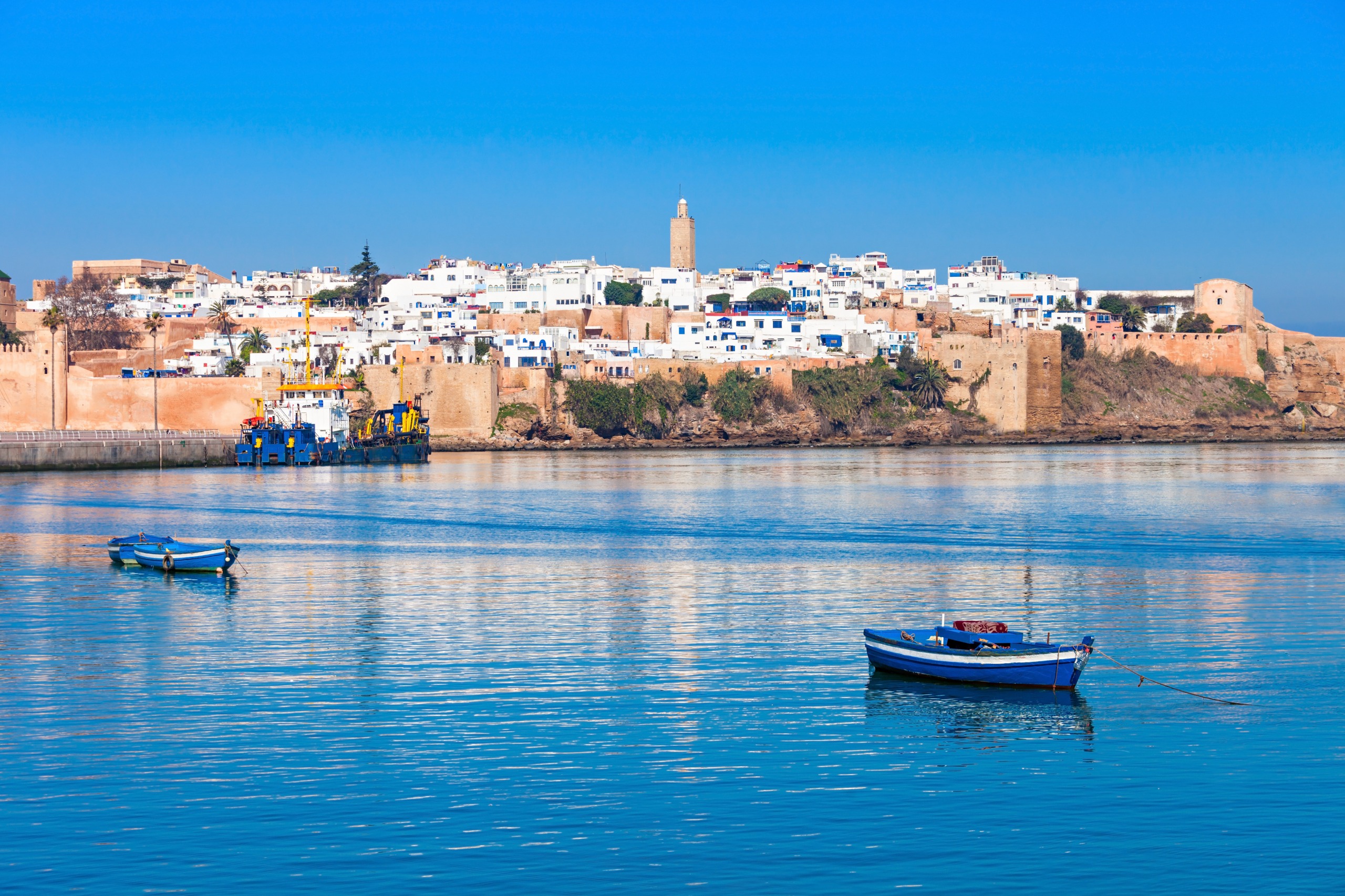
Inside the Oudayas Kasbah overlooking the mouth of the Bouregreg estuary in Rabat, the Oudayas Museum occupies a former pavilion of Sultan Moulay Ismaïl. Renamed the National Jewelry Museum in 2006, it now houses a collection devoted to Moroccan goldsmithing, jewelry and traditional dress.
Why visit the Oudayas Museum
The museum's appeal lies in the dual experience it offers. Inside, glass cases display rare pieces: Amazigh silver jewelry, regional caftans, tbourida accessories. Outside, the building itself, integrated into the Oudayas Kasbah, opens onto Andalusian gardens and terraces overlooking the Atlantic Ocean. The visit combines a short museum tour (allow approximately one hour) with a walk through one of Rabat's oldest neighborhoods.
The collection is notably enriched by the personal collection of Amazigh jewelry belonging to His Majesty King Mohammed VI, making it a reference point for those interested in Moroccan decorative arts.
Museum and Kasbah history
Inaugurated in 1915, the Oudayas Museum ranks among the first public museums established in Maroc. It was then housed in a pavilion built by Sultan Moulay Ismaïl, within a Kasbah whose history stretches back much further.
The fortress was built by the Almoravids between the 10th and 12th centuries, then renovated by the Almohads who made it a royal residence and defensive post during campaigns toward the Iberian Peninsula. In the 16th century, following the expulsion of Moriscos from Spain, refugees settled there and founded a notorious pirate republic, remembered in the history of corsairing in the western Mediterranean.
Under the reign of Sultan Sidi Mohammed Ben Abdellah (1757–1789), the Kasbah underwent major renovation, particularly around the Bab el-Kébir gate and Moulay Ismaïl's residence. The museum itself has borne several successive names — "Museum of Crafts and Arts," then "Museum of Muslim Art" — before its 2006 reorientation toward Moroccan goldsmithing under its current name of National Jewelry Museum.
What to see in the collections
Amazigh jewelry and goldsmithing
The heart of the collection focuses on traditional silver jewelry from Berber heritage. Geometric motifs carry symbolic functions: fertility, protection, tribal identity. Notable pieces include "Tazerzit" fibulae characteristic of southern Maroc, as well as parures linked to major occasions, particularly traditional weddings. The personal collection of Amazigh jewelry of King Mohammed VI complements this ensemble.
Caftans and regional costumes
A section is dedicated to Moroccan caftans, whose embroidery and ornamentation vary by city. The museum displays models from Fès, Marrakech, Tétouan, Oujda and Salé, each recognizable by its own techniques. The Berber caftans of the Zayanes of the High Atlas, more colorful and richly decorated, complete this vestimentary panorama.
Tbourida and equestrian art
A space is devoted to tbourida, an equestrian tradition in which riders execute synchronized charges while firing rifles into the air. The decorated saddles, silk costumes and accessories on display testify to the ceremonial dimension of this practice, associated with honor and bravery.
Practical information
- Opening days: daily except Tuesday, during daytime hours. Precise hours vary by season; check with the museum before your visit.
- Admission fee: modest entry price, with reduced rates for children. Free admission applies to Moroccan nationals on Friday.
- Recommended duration: 1 hour for the museum, 2 to 3 hours including the Kasbah, Andalusian gardens and the Moorish Café.
- Guided tours: available by appointment.
When to visit
The museum is open year-round, but the overall experience depends on outdoor weather conditions, since much of the site's appeal lies in the Kasbah, the winding streets and panoramic terraces. Spring (March to May) and autumn (September to November) offer the most pleasant conditions, with mild temperatures and Atlantic light ideal for strolling. Summer remains enjoyable thanks to the ocean breeze, unlike the Moroccan interior. During the Mawazine festival period, the Oudayas neighborhood sometimes hosts cultural events.
Nearby attractions
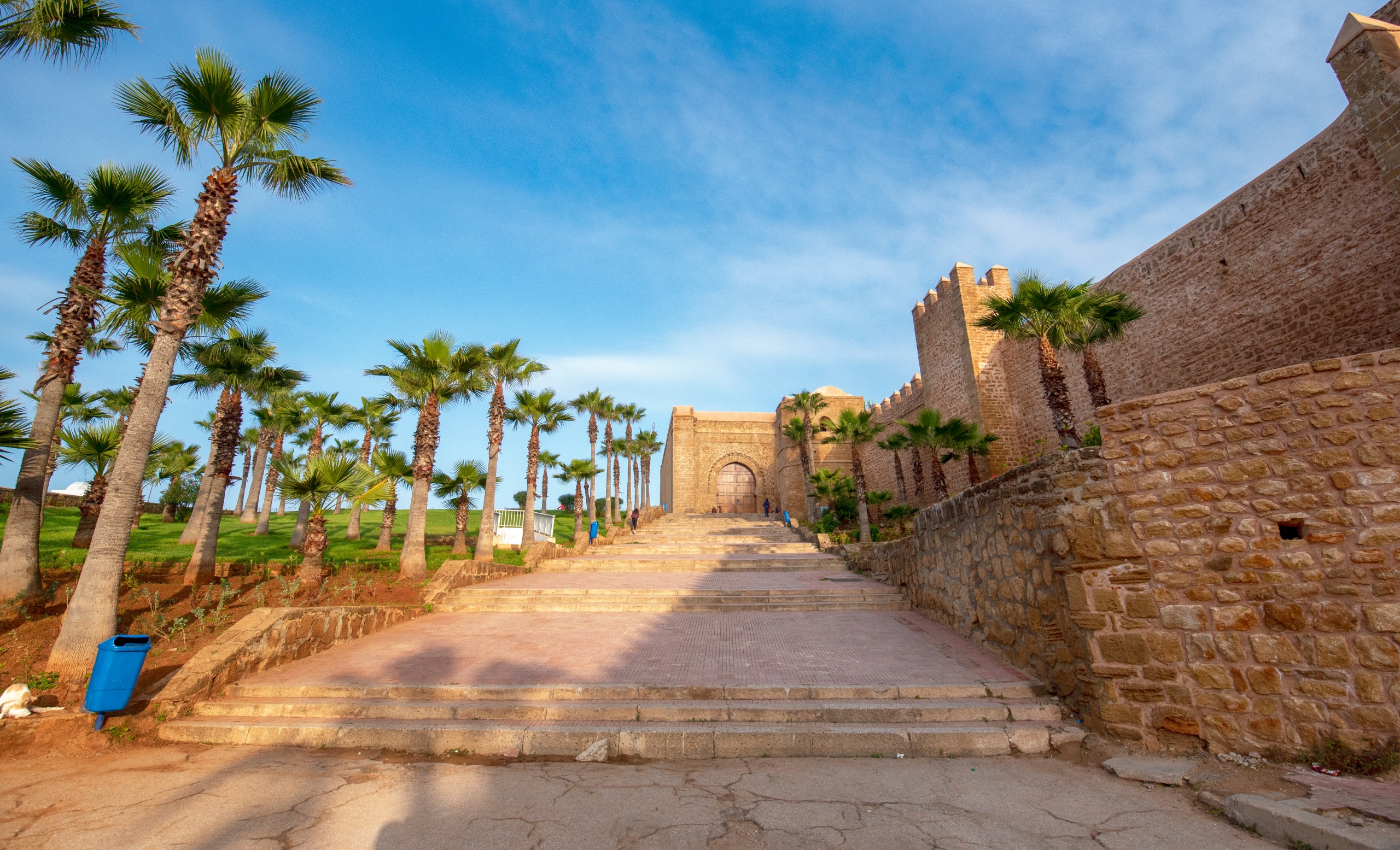
- Bab Oudaïa Gate: 12th-century Almohad gate, a notable example of the dynasty's military architecture.
- Andalusian gardens: laid out in the early 20th century, they blend Moroccan and European influences.
- Moorish Café: its terrace offers views over the Bouregreg, Salé and the Atlantic, accompanied by mint tea.
- Jama' al-'Atiqa Mosque: the Kasbah's oldest mosque, dating from the 18th century (visible from outside only for non-Muslims).
- White and blue painted streets: characteristic of the neighborhood, they form a promenade in themselves.
How to get there
- On foot: from the medina or central Rabat, allow a fifteen-minute walk depending on your starting point, through historic streets.
- Petit taxi: Rabat's small red taxis provide quick access to the Kasbah entrance.
- Bus: several lines serve the Oudayas neighborhood.
- Car: parking available around the Kasbah, with the interior being pedestrian-only.
Frequently asked questions
Frequently asked questions
The current official name is the National Jewelry Museum, following its 2006 reorientation toward Moroccan goldsmithing. However, the name Oudayas Museum remains widely used by visitors and guides, in reference to its location within the Kasbah.
One hour is sufficient to tour the museum's collections. Including the Kasbah, Andalusian gardens and a stop at the Moorish Café, allow 2 to 3 hours on site.
Yes, the museum and the entire Oudayas Kasbah are open to all visitors. Only the Jama' al-'Atiqa Mosque, like all functioning mosques in Maroc, is not accessible to non-Muslims.
Photography is generally permitted without flash in the exhibition halls. Check the guidelines posted at the entrance, which may vary depending on temporary exhibitions.
Morning allows you to avoid crowds and enjoy favorable light on the Kasbah's streets. Late afternoon, on the other hand, offers the finest colors over the Bouregreg estuary, ideal for ending your visit at the Moorish Café.
Extend your journey
The Oudayas Museum is a natural stop on a Rabat itinerary. To explore Moroccan heritage more widely, you can extend your route to the Jemaa el-Fna square in Marrakech, the Taourirt Kasbah in Ouarzazate, or the landscapes of the Dadès gorges. To build a custom itinerary, consult our suggestions for travel to Maroc.
Interested in this visit?
We can include it in your personalised itinerary.