Practical information Morocco
This page brings together the practical information our team based in Rabat shares daily with travelers before their departure to Morocco. Regarding formalities, French, Belgian, Swiss, and Canadian nationals do not need a visa for a tourist stay of less than 90 days; a valid passport six months after your return date is sufficient. No vaccination is mandatory, but we recommend staying up to date on hepatitis A, typhoid, and tetanus. Malaria is not present in the country. Budget-wise, plan for 60 to 120 euros per day per person for a comfortable trip, excluding international flights, in a charming riad with private driver. The currency is the Moroccan dirham (1 euro is worth approximately 11 dirhams), withdrawable at ATMs in major cities but bring cash for rural areas. Climate-wise, the country experiences four distinct seasons: mild spring (March-May) and autumn (September-November) are ideal periods to combine imperial cities, the Atlas, and the desert. Summer scorches the medinas at 40°C, winter blankets the Atlas passes in snow. Travel is by train (TGV line Tangier-Casablanca, efficient ONCF network), grand taxi for short distances, or 4x4 with driver for the South where tracks require an adapted vehicle. Luc and our team remain available 7 days a week during your stay.
Plan your trip by theme
Explore our practical guides organized by category to quickly find the information you need.
Before You Go
Valid passport for 6 months, visa-free stay up to 90 days, vaccinations recommended, and travel insurance to arrange before departure to Morocco.
1 article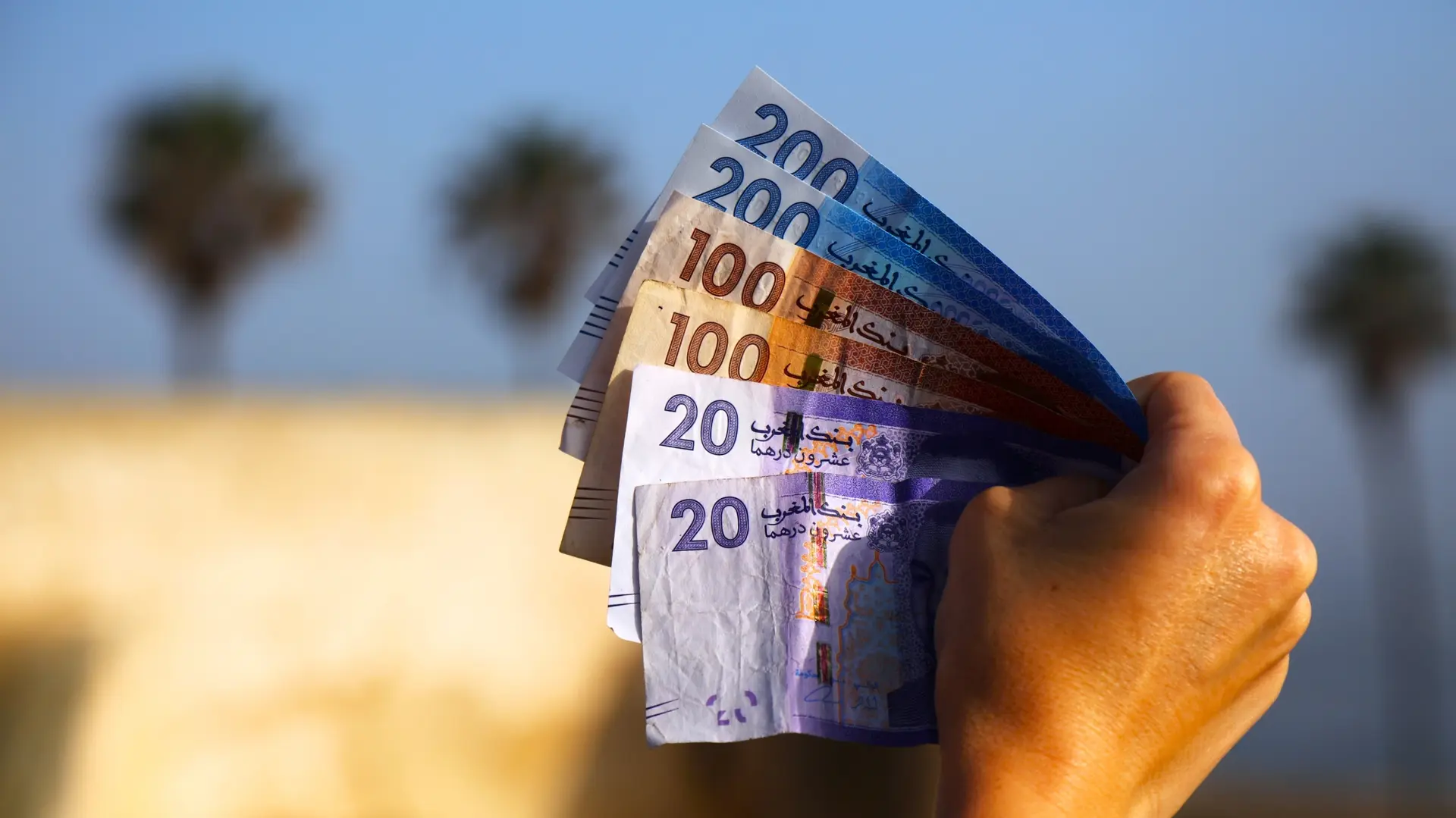
Budget Money
Moroccan Dirham (1 € ≈ 11 MAD), budget 60 to 120 €/day depending on comfort level, cash payments in rural areas, customary tipping in Morocco.
1 article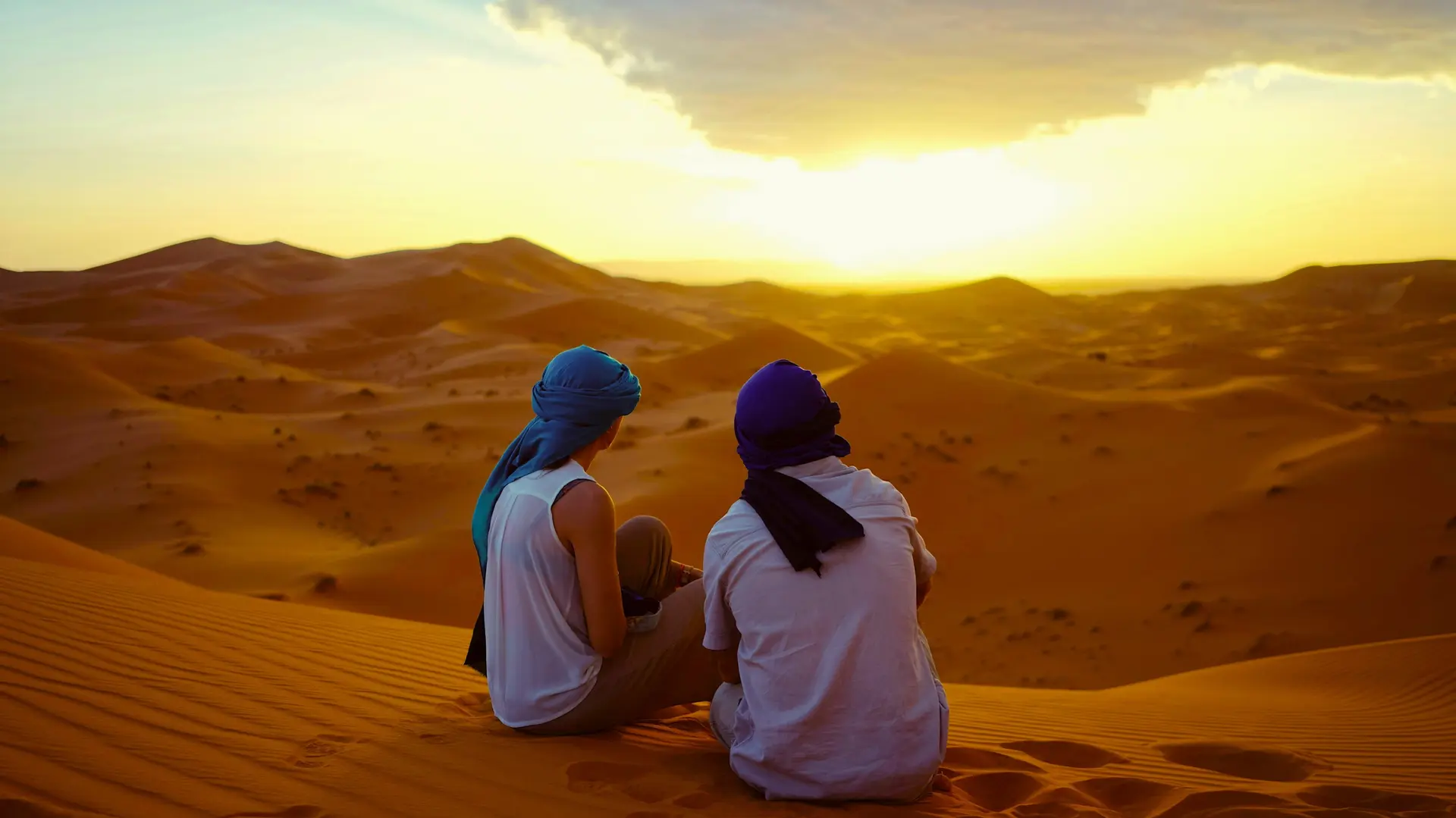
Climate Season
Spring and autumn ideal, scorching summers inland, snowy winters on the Atlas, temperate coasts year-round.
2 articles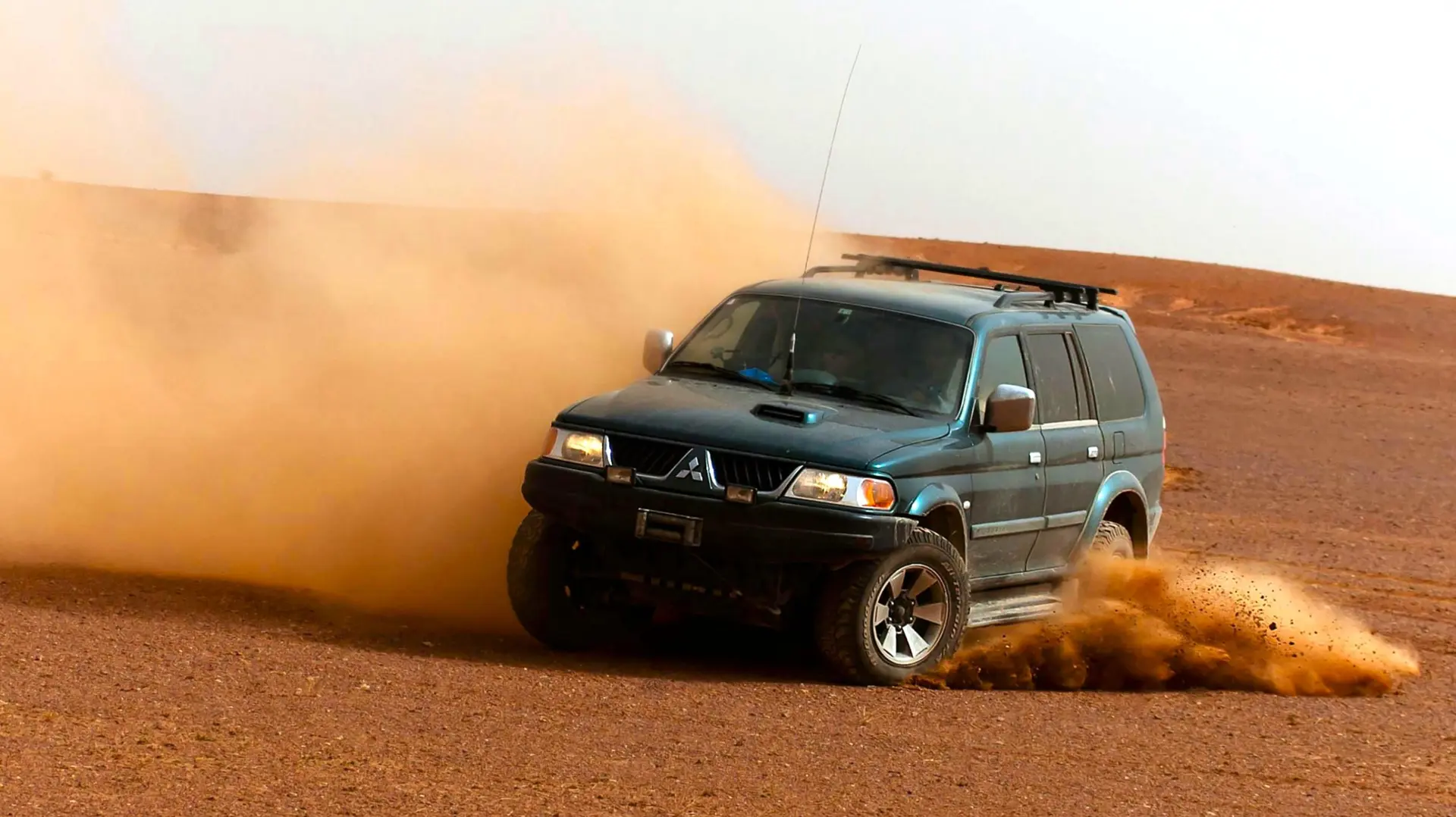
Transports
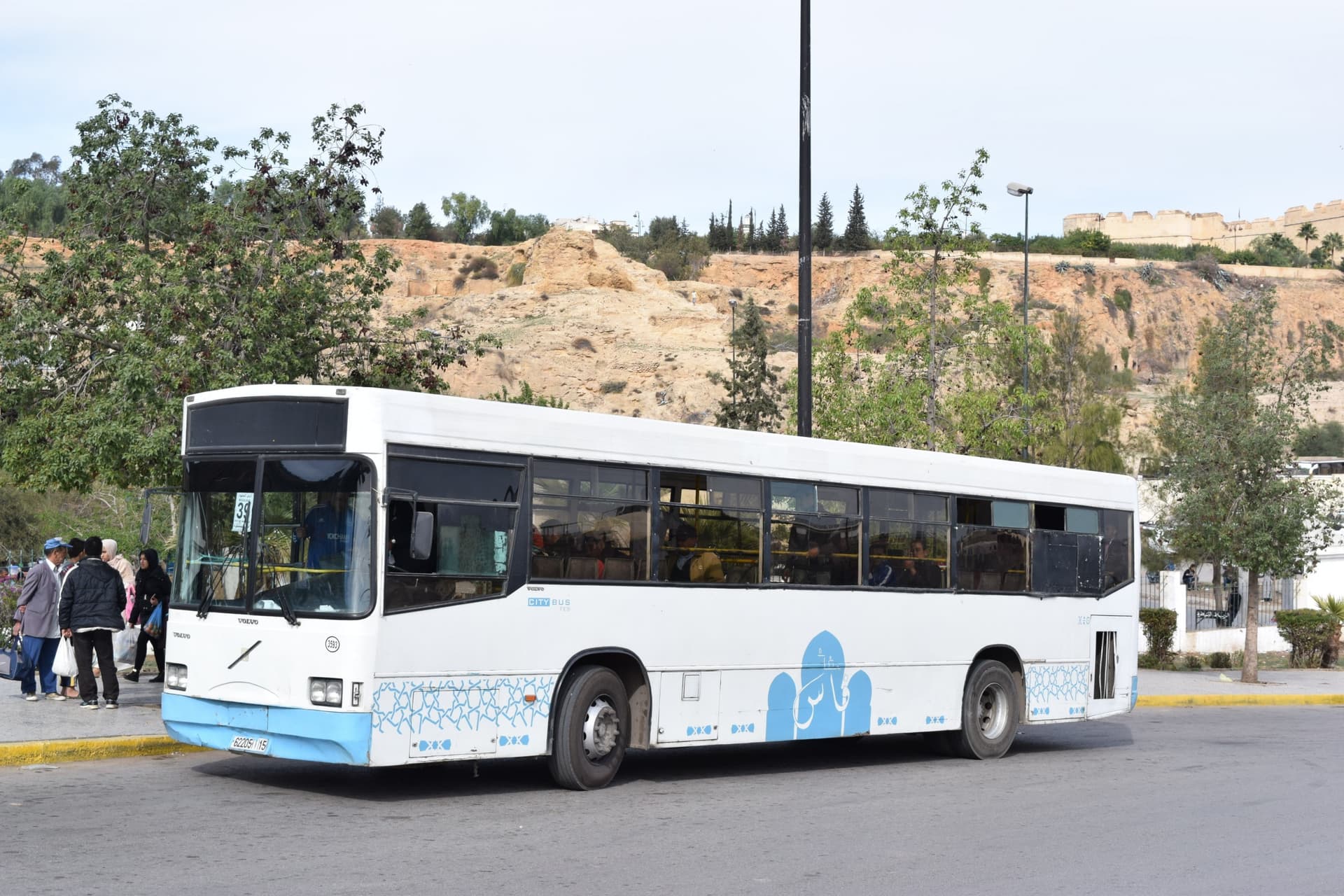
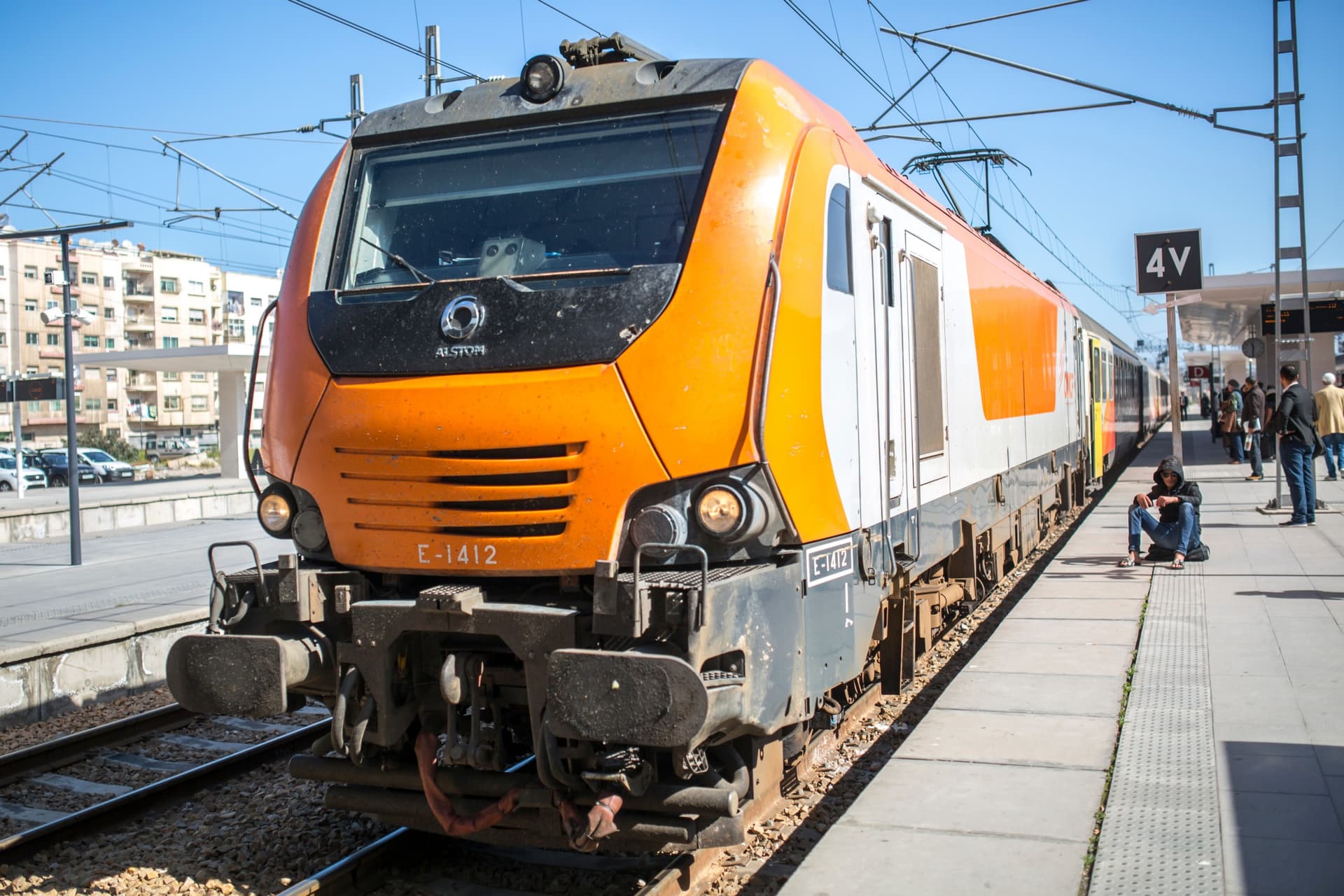
ONCF and TGV Al Boraq trains, shared taxis, 4x4 with driver for the South and valley trails.
5 articles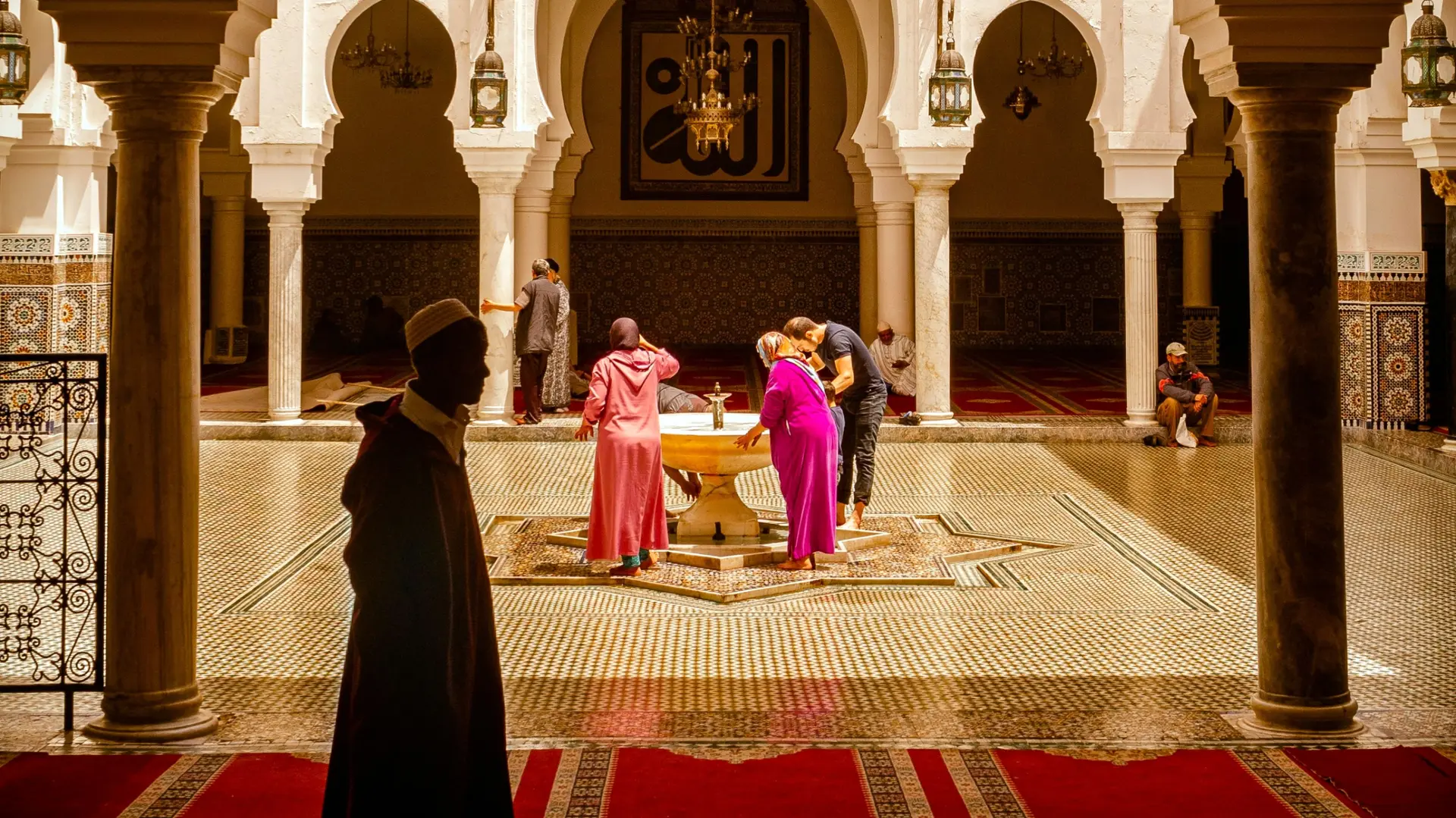
Culture
Modest dress codes in the medina, greetings in Darija, Ramadan customs, Berber hospitality and expected haggling.
19 articles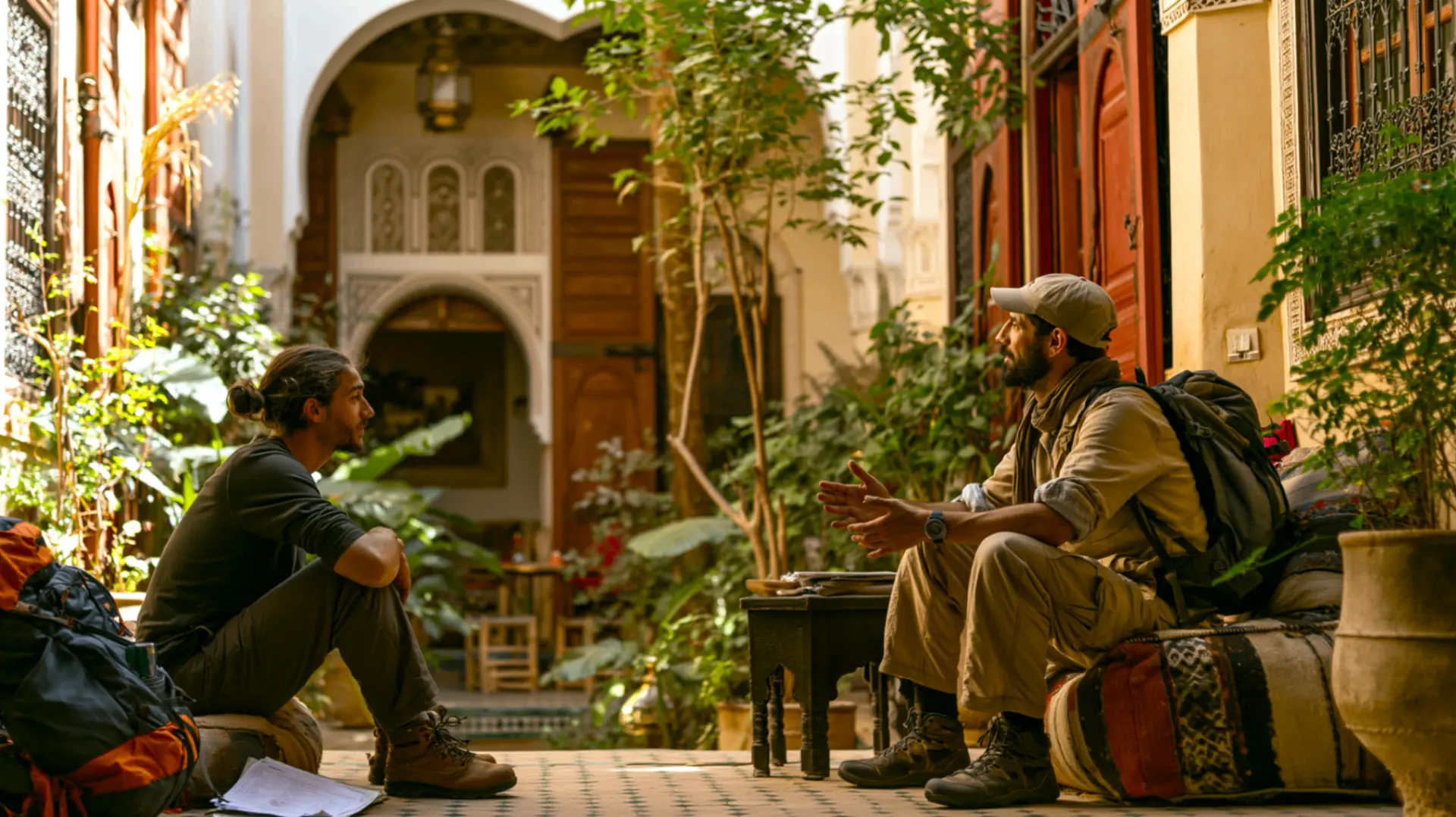
Helpful Tips
Good overall safety, bottled water, European outlets, decent 4G coverage, advice from our Rabat team.
2 articlesAll practical guides
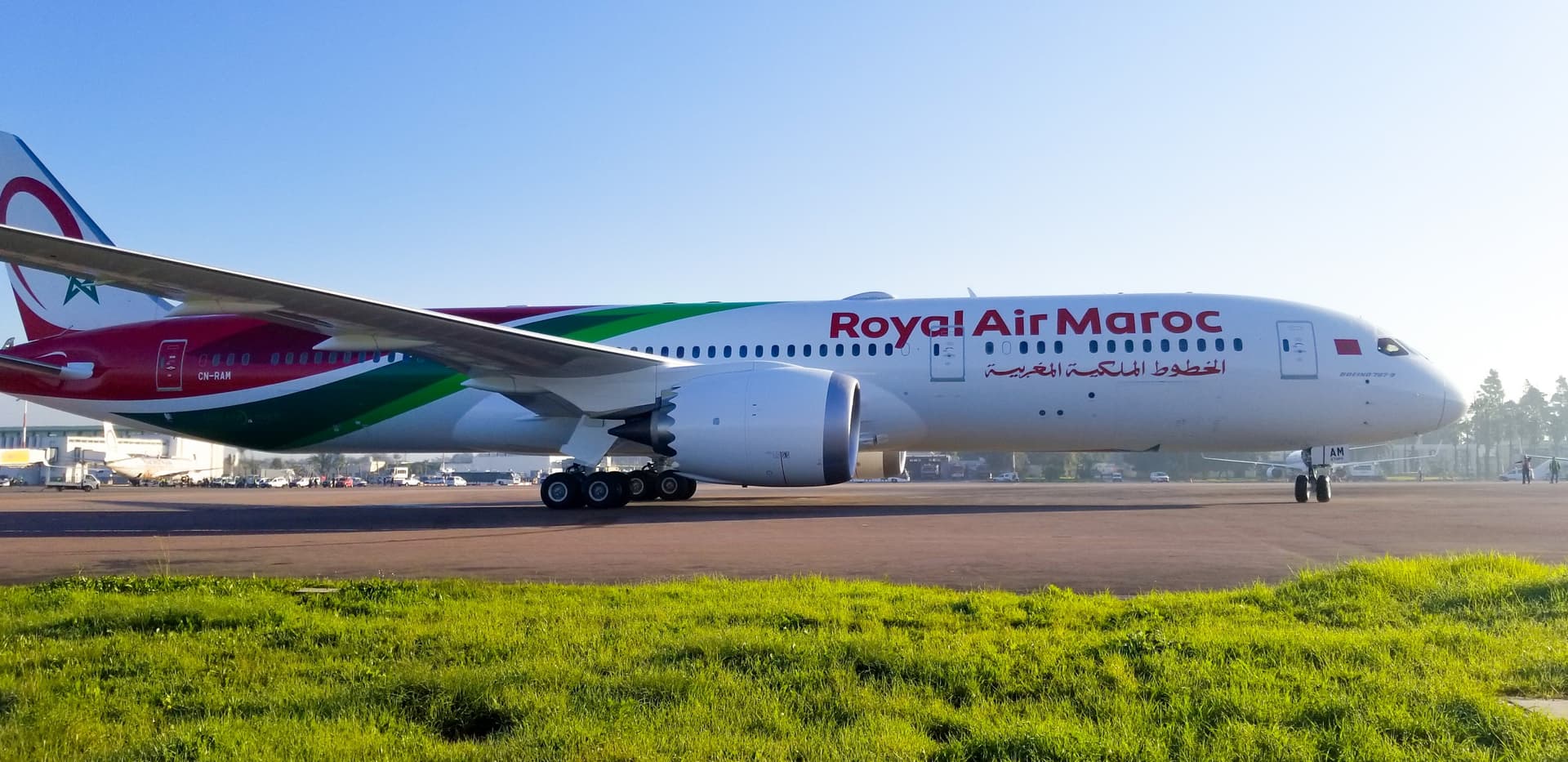
Search and filter among 30 articles



18 of 30 results
Frequently asked questions
The answers to the most frequently asked questions from our travellers.
For French, Belgian, Swiss, Luxembourgish and Canadian nationals, no visa is required for a tourist stay of less than 90 days. A valid passport, valid for at least six months after your return date, is sufficient. Upon arrival in Casablanca, Marrakech or Rabat, you will receive an entry stamp and a police form to keep. For a longer stay or to work on site, you must apply at the Moroccan consulate in your country of residence. No entry fees apply. Make sure your passport has at least two blank pages.
No vaccines are mandatory to enter Morocco, except yellow fever if you are arriving from a country where the disease is circulating. We nevertheless recommend being up to date on DTP (diphtheria-tetanus-poliomyelitis), hepatitis A and typhoid, particularly if you plan to eat in the souks or in rural areas. Hepatitis B and rabies can be considered for long stays or isolated treks. Malaria is not present in Moroccan territory. We advise a consultation at an international vaccination center 4 to 6 weeks before departure, and the purchase of travel insurance covering repatriation.
Excluding international flights, budget between 60 and 120 euros per day and per person for a comfortable stay in a charming riad with private driver, meals and guided tours included. For a simpler version (guesthouses, shared transport), 40 to 60 euros per day is sufficient. As for meals, a tagine at a local eatery costs 50 dirhams (around 4.50 €), while dinner in a riad runs 250-400 dirhams. Site entrance fees vary from 10 to 70 dirhams (Majorelle Garden, medrasa). A two-day trek in the Atlas with a muleteer and night in a refuge costs around 80 to 120 euros per person. Desert camping with camel rides ranges between 70 and 150 euros per night.
March to May and September to November are the most comfortable windows for combining imperial cities, the Atlas and the desert: daytime temperatures of 20 to 28°C, cool nights in the South. June to August should be avoided in Marrakech, Fès and the Sahara (40 to 45°C), but suit the Atlantic coast (Essaouira, Taghazout) and the Atlas at altitude. December to February bring snow and cold to the Atlas (passes sometimes closed), rain in the North, but offer a very pleasant Sahara during the day (22°C) with nights around 5°C. The Ramadan period changes service hours, to plan ahead depending on the year.
The ONCF rail network efficiently serves the Tangier-Rabat-Casablanca-Marrakech corridor, with the Al Boraq TGV connecting Tangier to Casablanca in 2h10. CTM and Supratours buses cover the rest of the country in air-conditioned comfort. Grands taxis (6-seater Mercedes) handle short inter-city trips, at negotiated or metered rates. For the South (Drâa valley, Todra gorges, desert), we recommend a 4x4 with an English-speaking driver: tracks beyond M'Hamid or snow-capped Atlas passes require an appropriate vehicle. Car rental is possible but not advised in the medina (complex parking) and on certain trails.
Morocco remains one of the safest destinations in North Africa, with visible police presence in medinas and tourist areas. Standard travel precautions apply: avoid displaying valuables, negotiate taxi fares before departure, stay alert in souks against fake guides. Women traveling alone may encounter verbal solicitations, with no real danger, which modest clothing helps limit. Border areas with Algeria to the east and southern Western Sahara (beyond Dakhla) require increased vigilance. Our team in Rabat remains available 24/7 during your stay and can intervene with local authorities if needed.
Ready to travel to in Morocco?
Discover our tailor-made itineraries, designed by our local team. Each route adapts to your pace, your preferences and your travel season.
See our toursWe use cookies to improve your experience and measure our site's audience. You can choose what you accept. Learn more.